Bike shelters
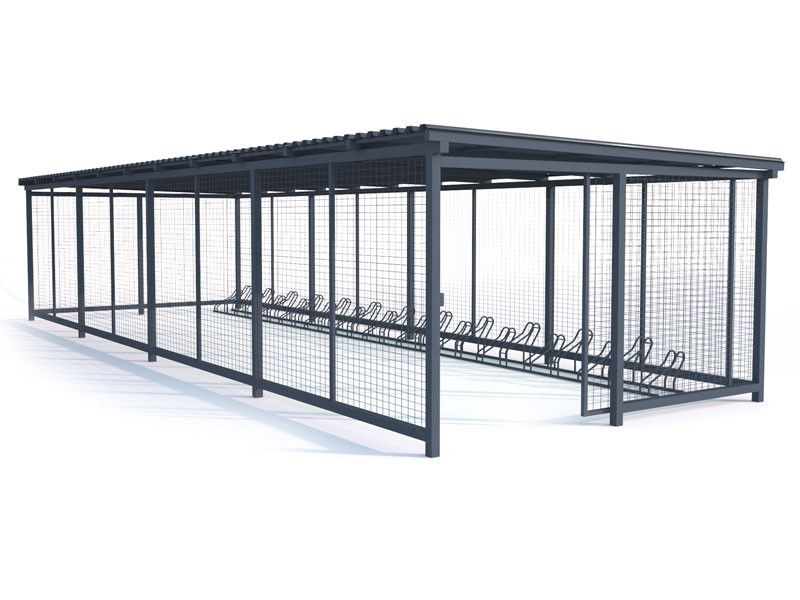
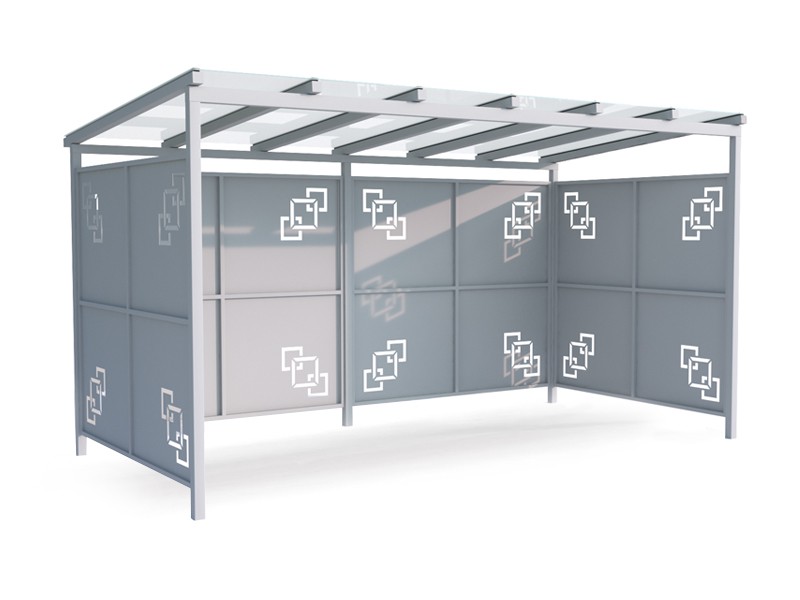
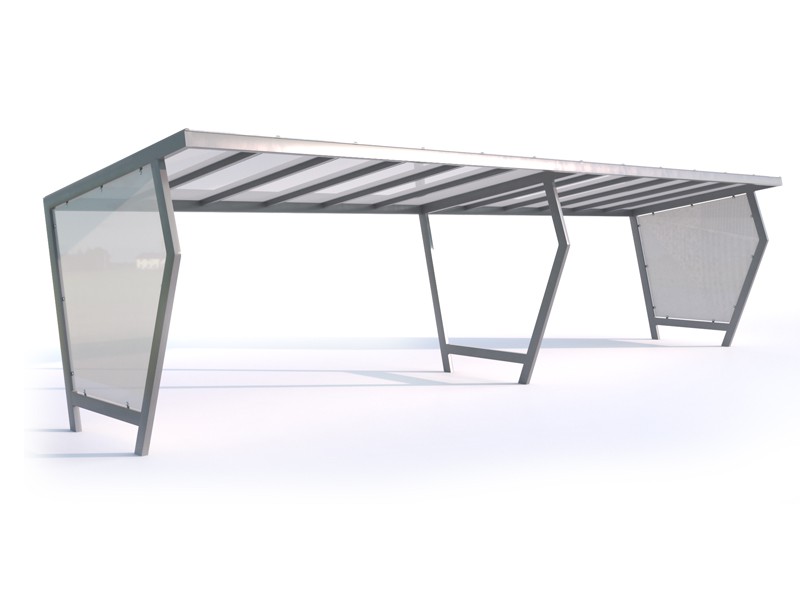
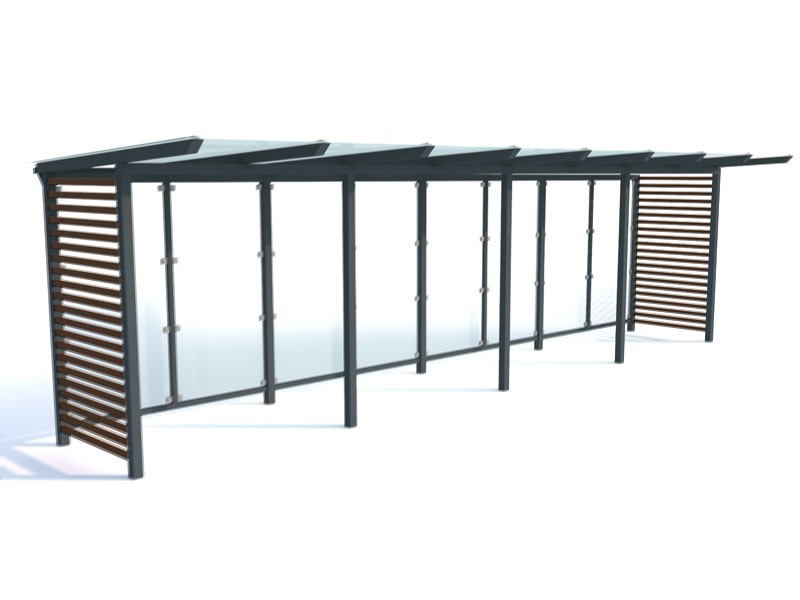
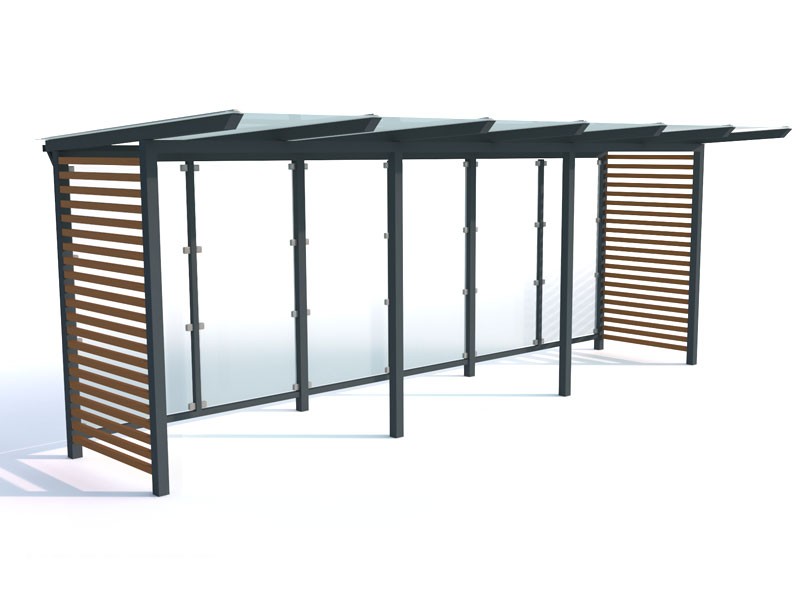
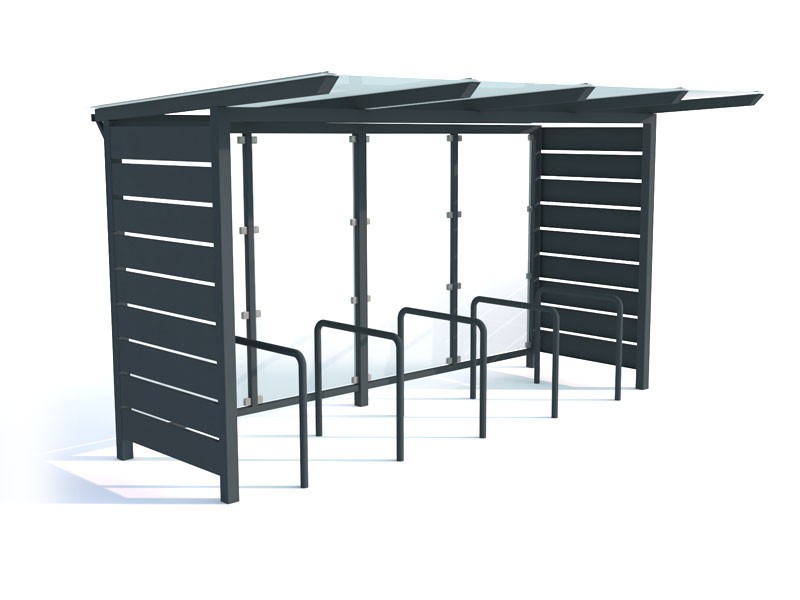
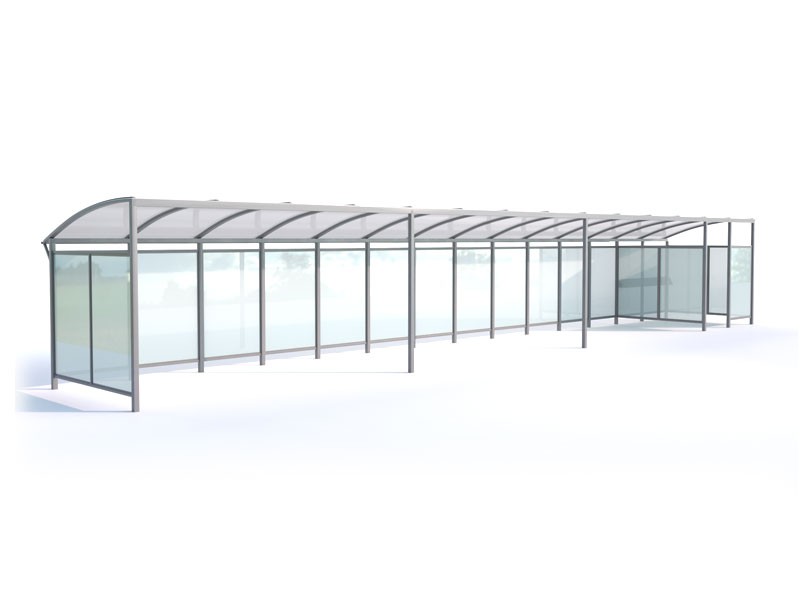
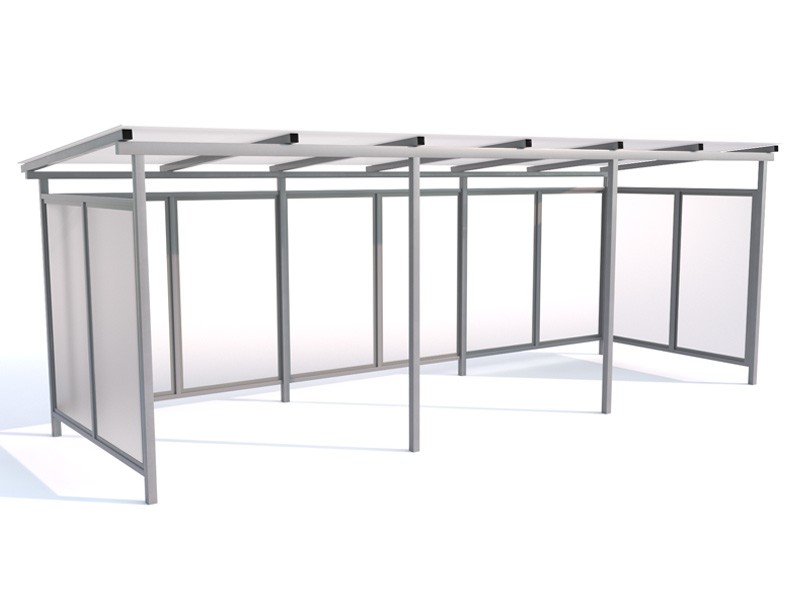
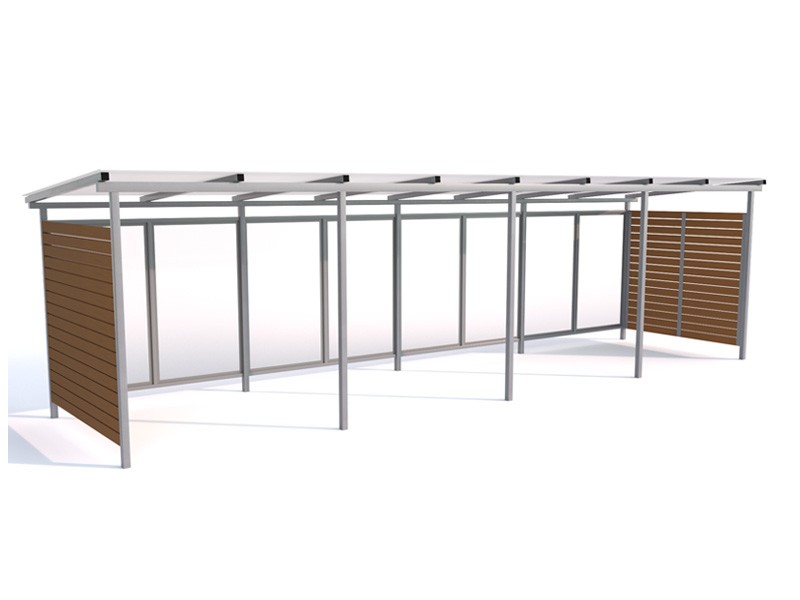
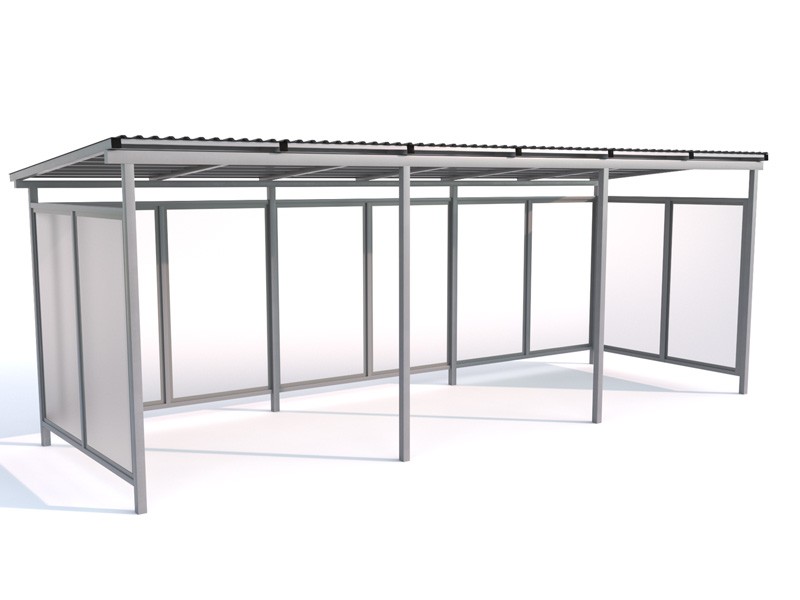
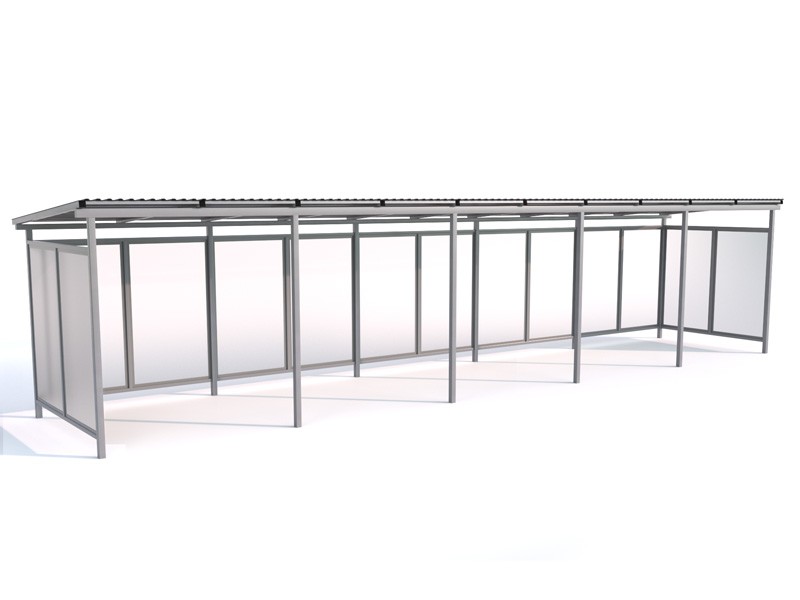
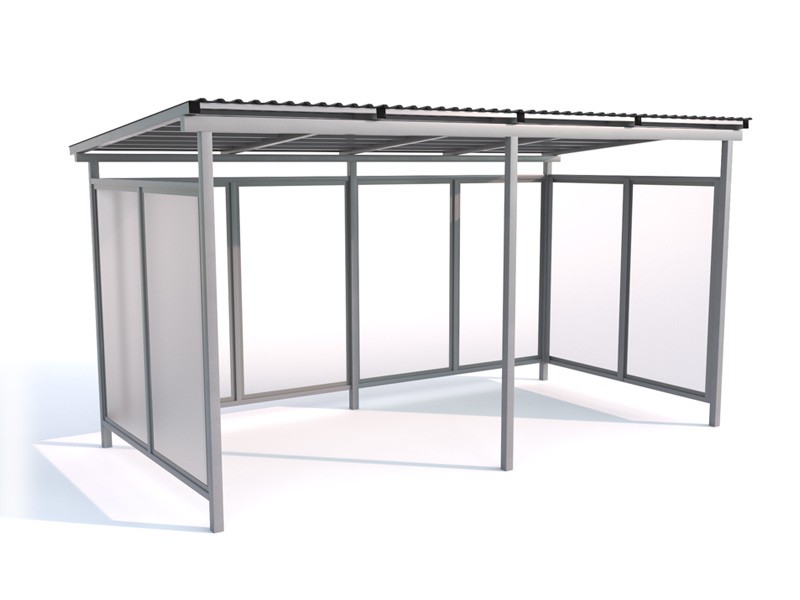
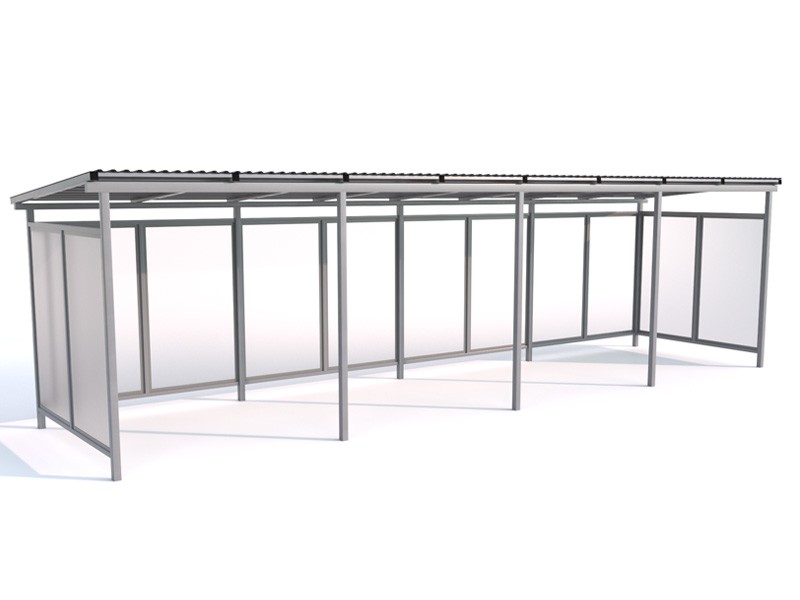
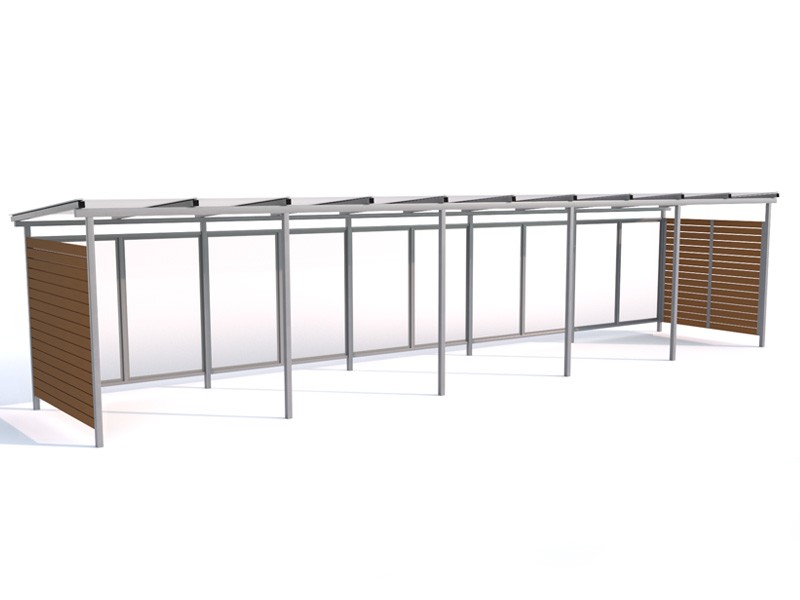
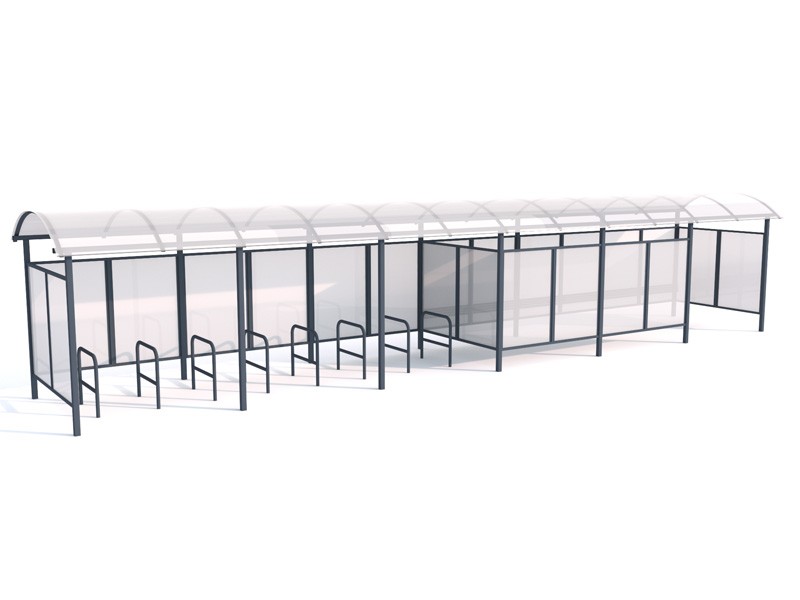
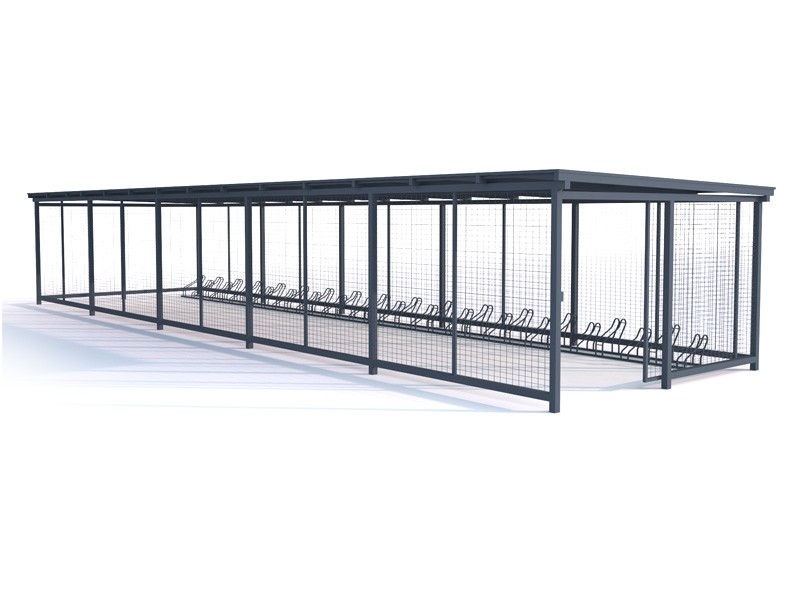
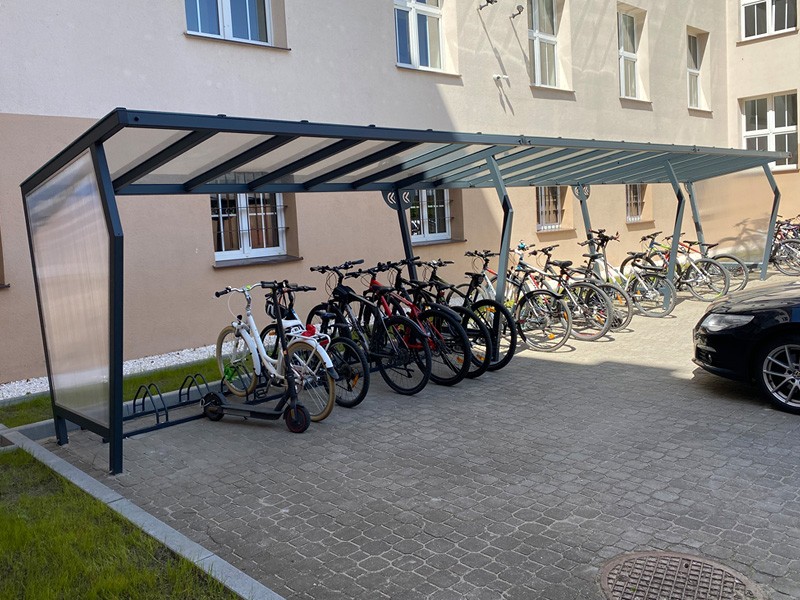
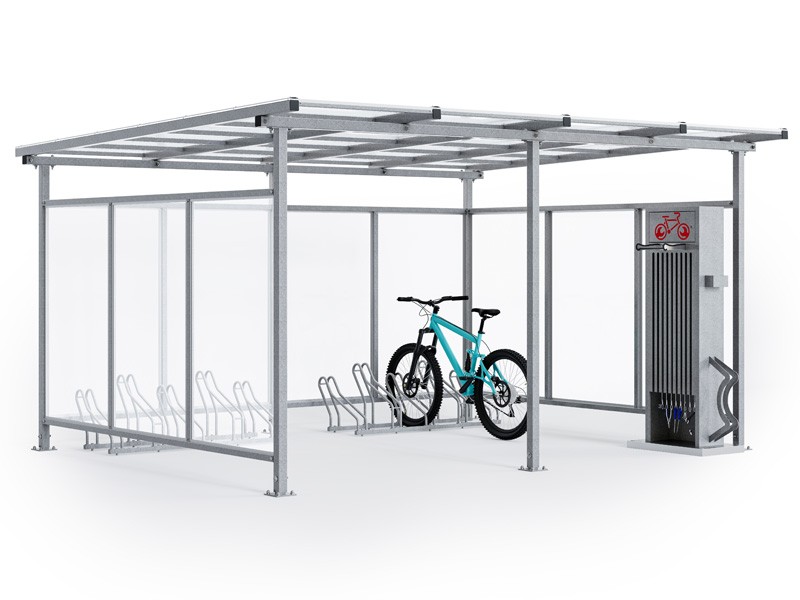
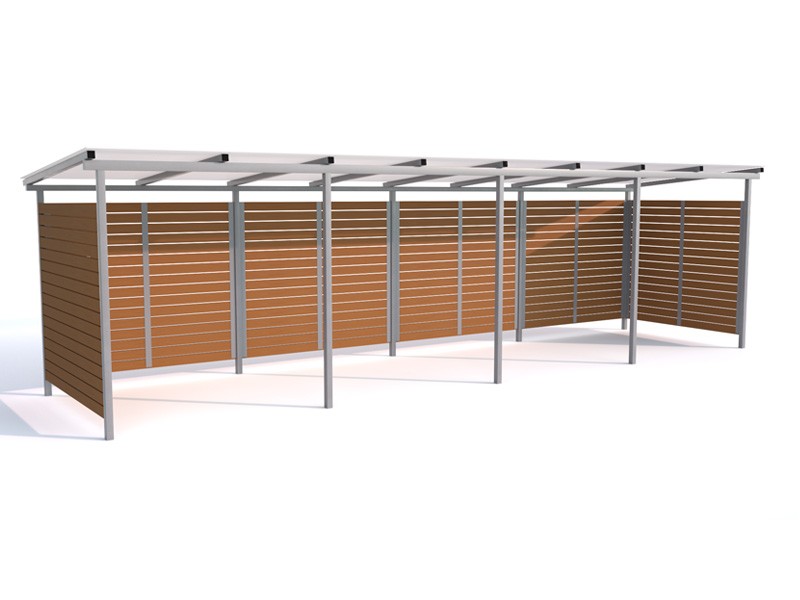
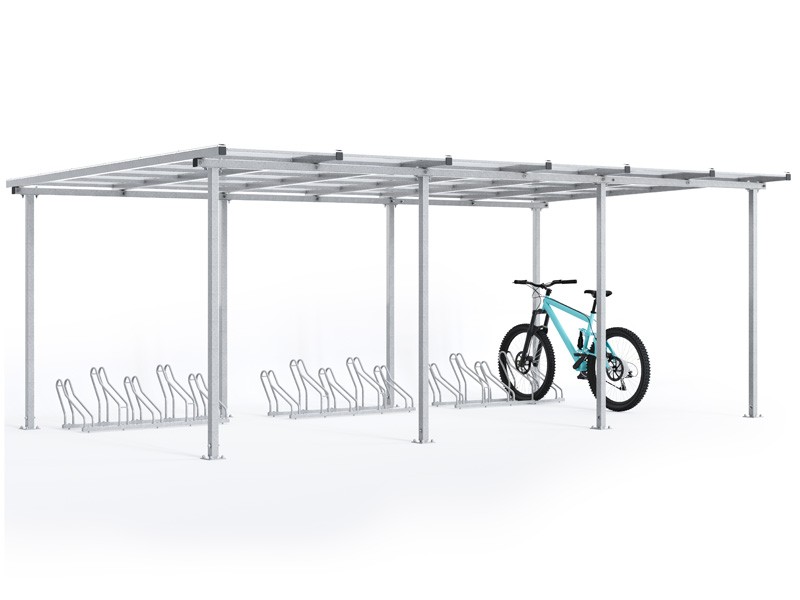
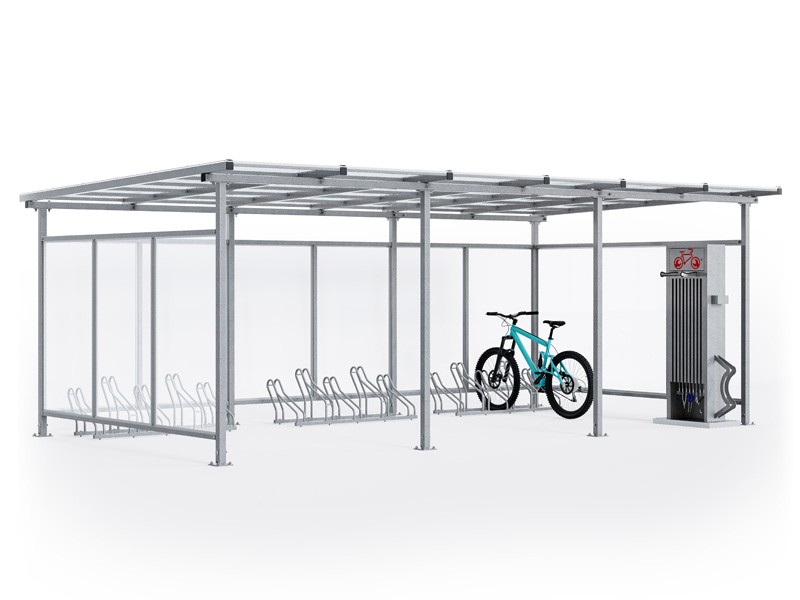
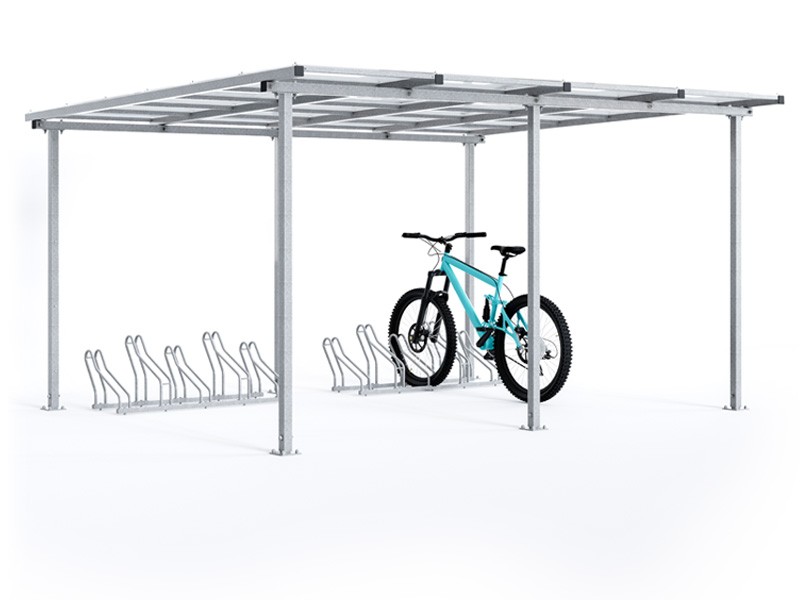
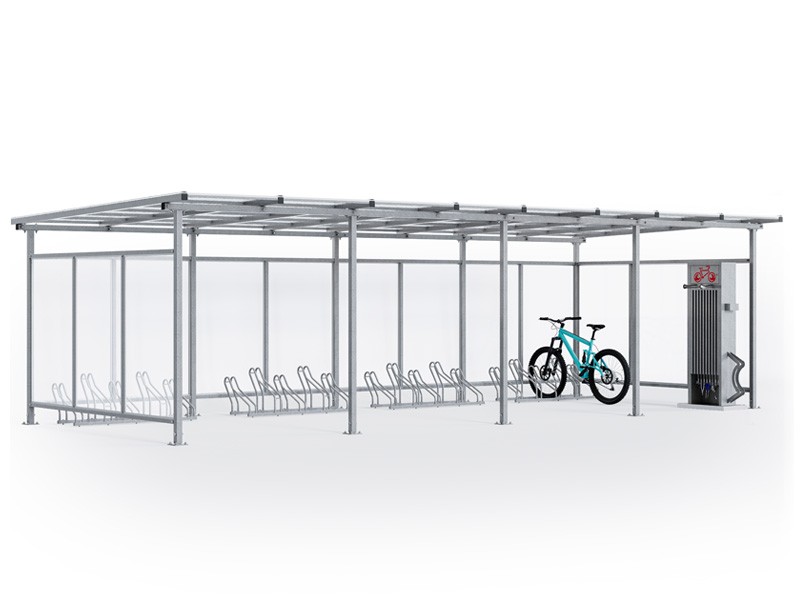
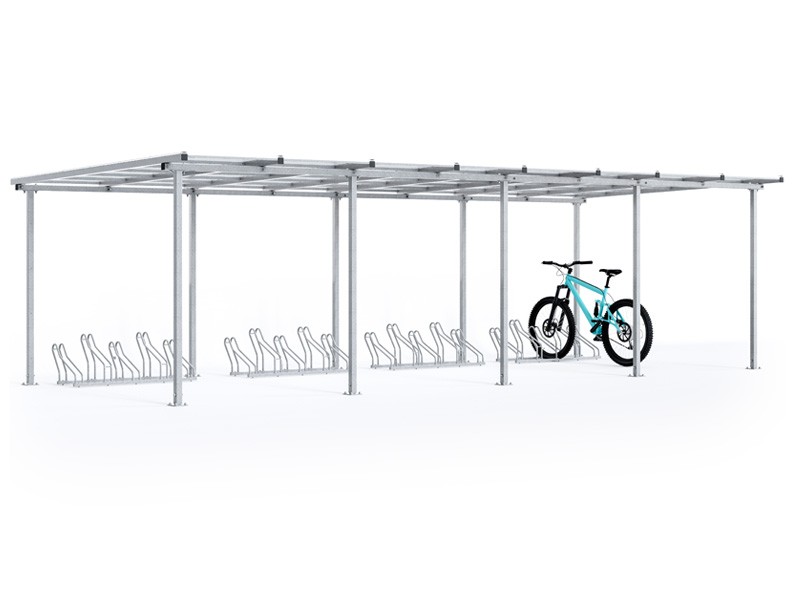
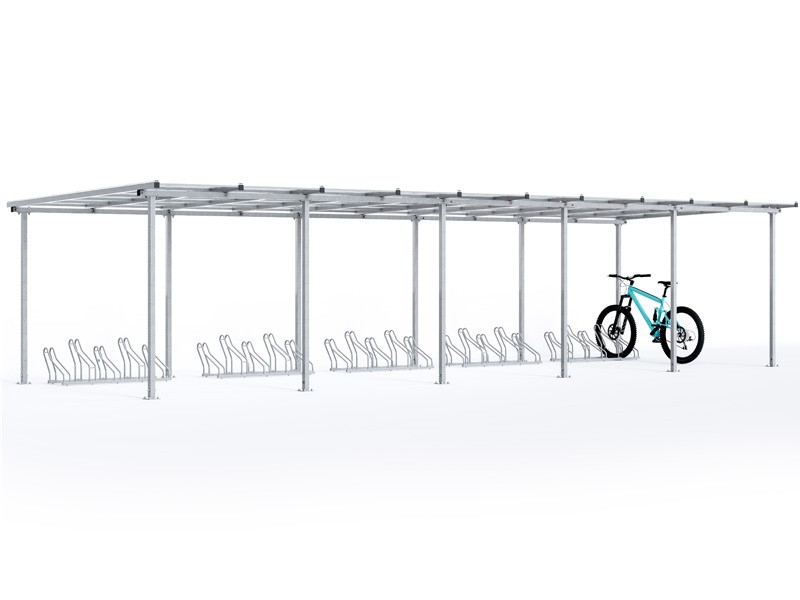
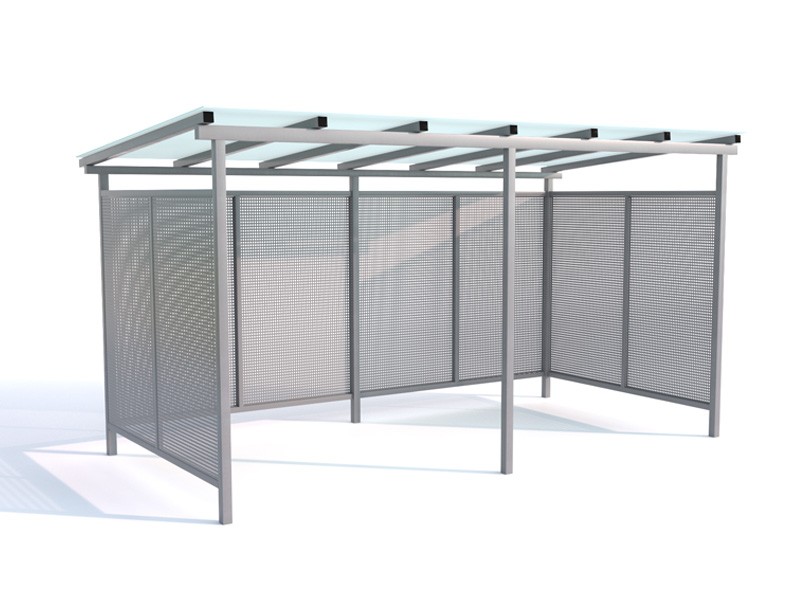
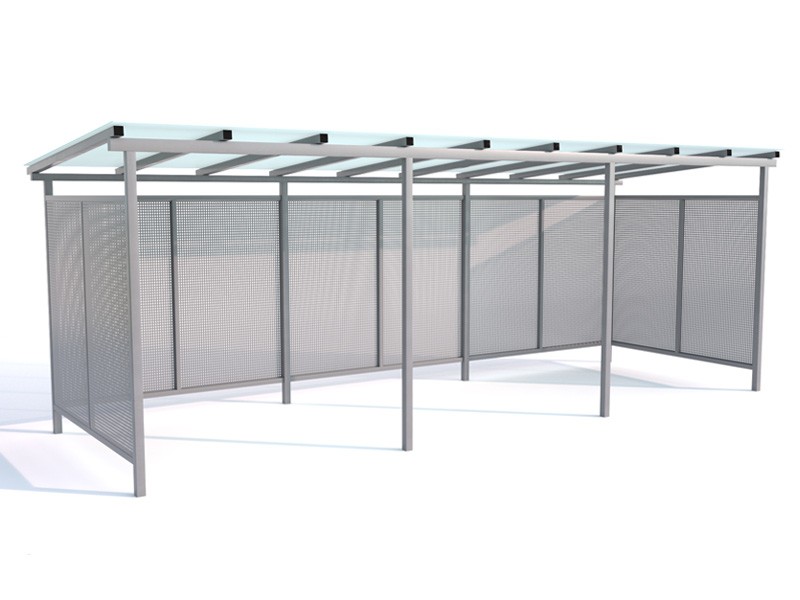
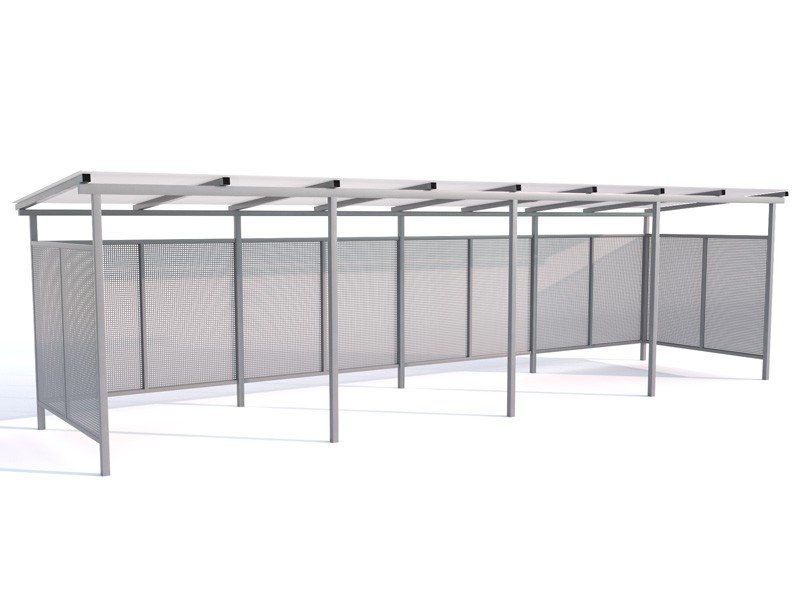
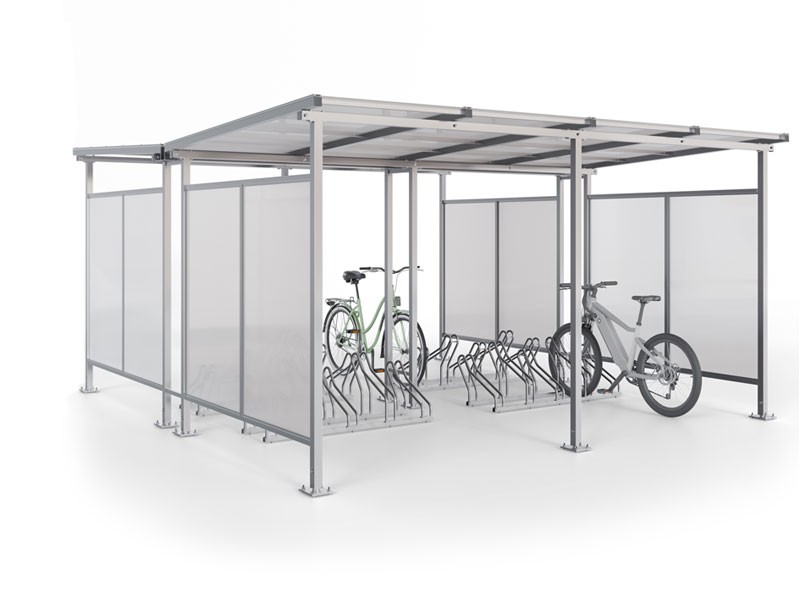
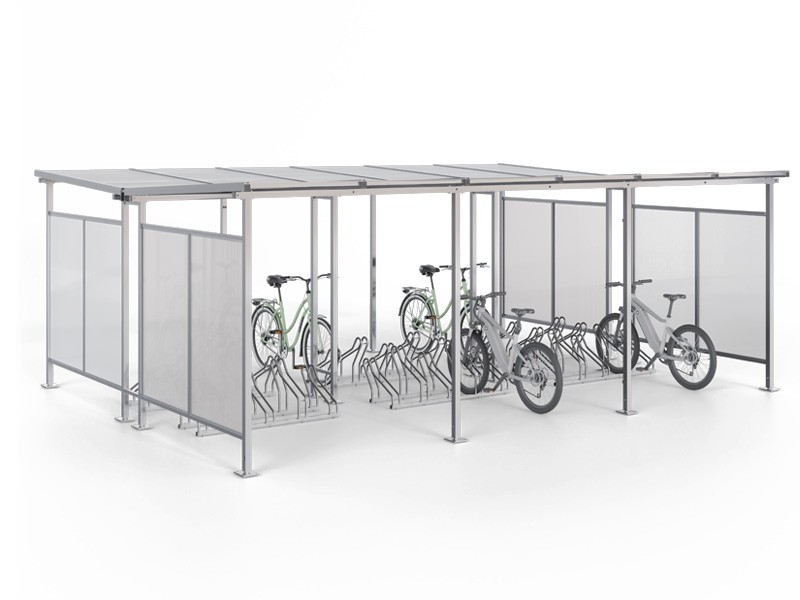
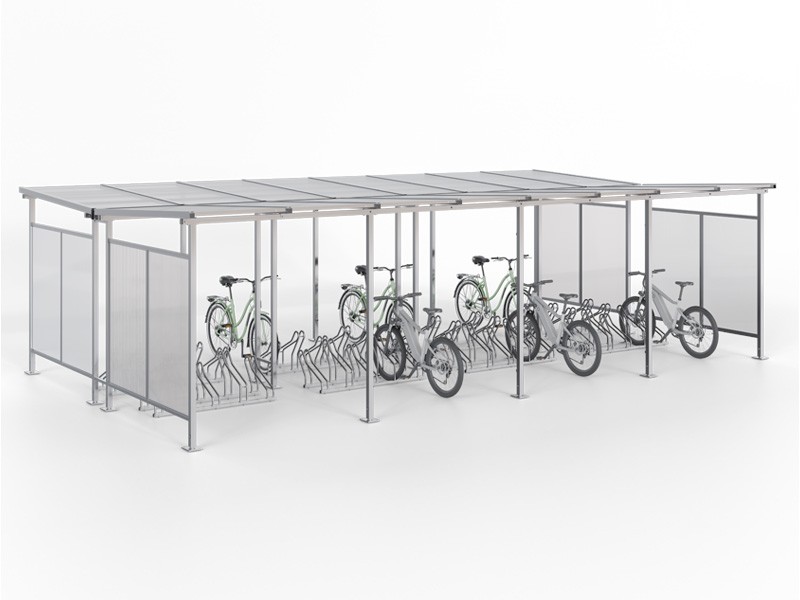
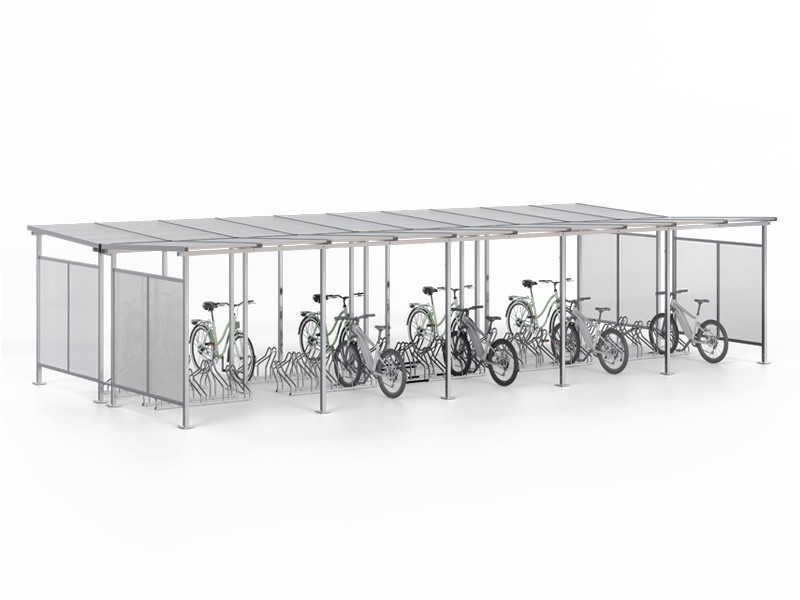
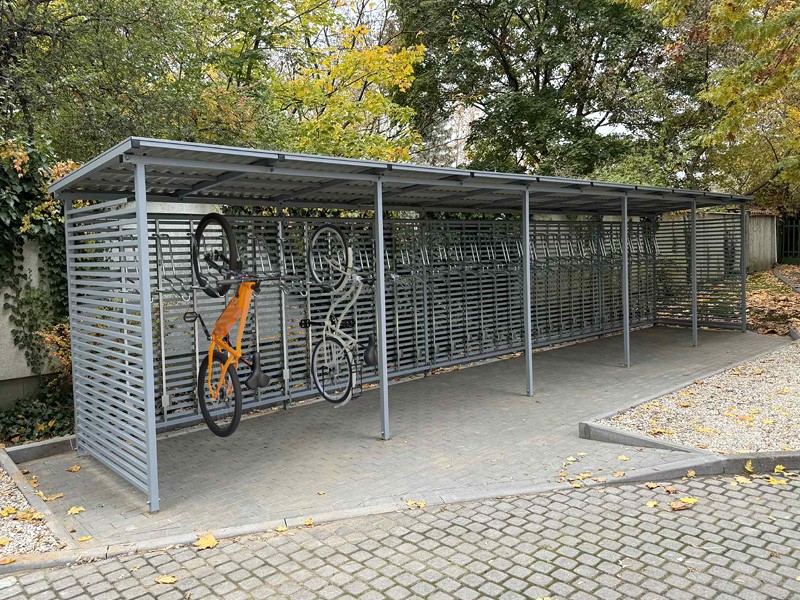
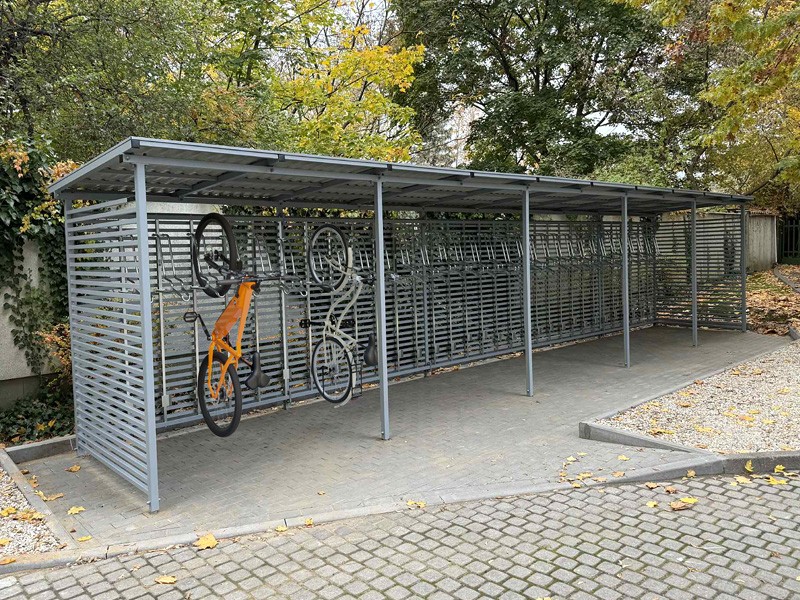
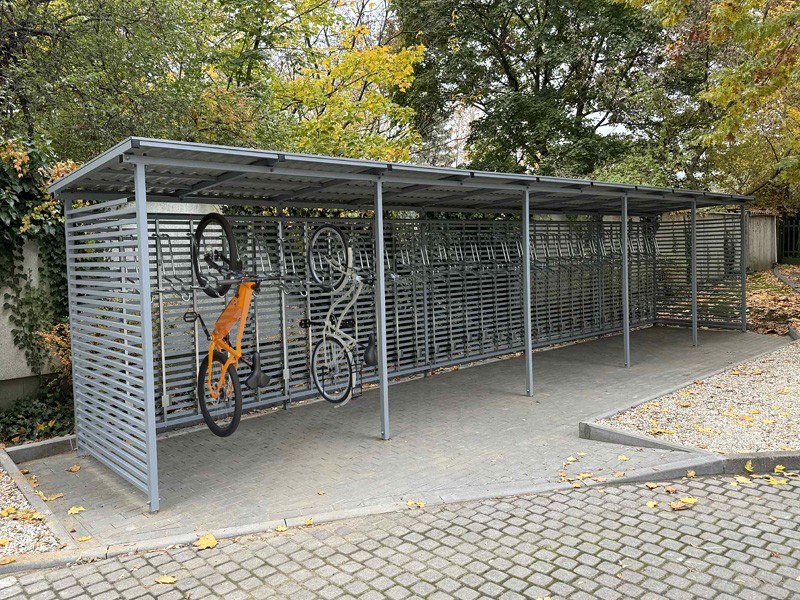
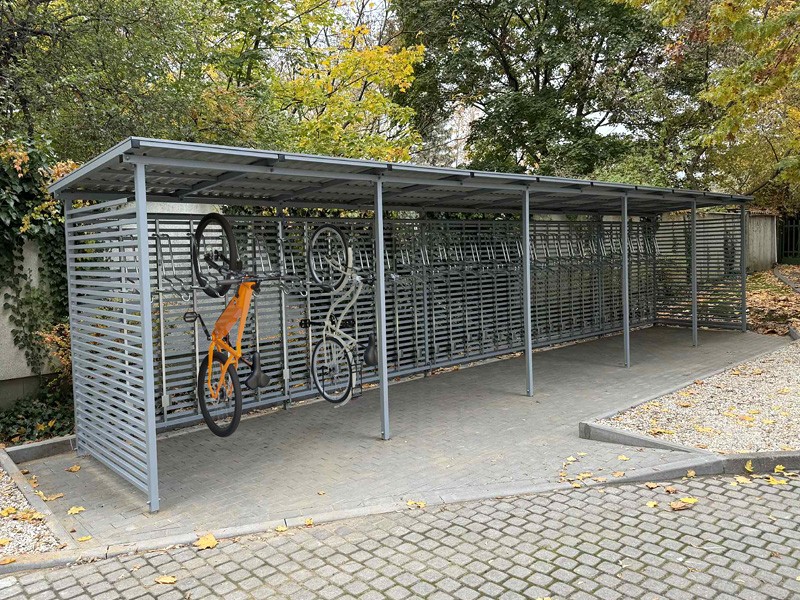
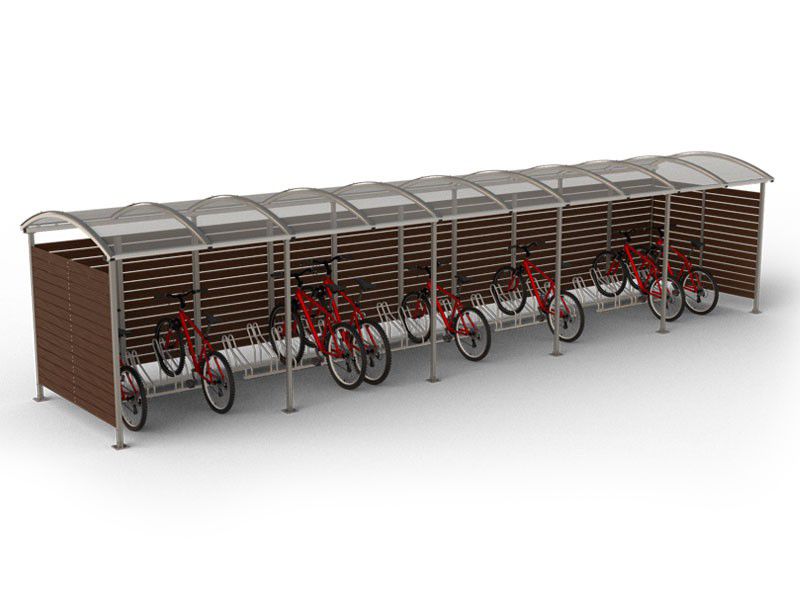
Bike shelters effectively protect bicycles from rain, snow and intense sunlight, encouraging residents and office workers to use a bicycle every day as a convenient means of transport. They are a practical addition to bike racks installed at residential and office buildings. Developers increasingly treat them as an essential part of the cycling infrastructure in new construction projects.
Available in open versions and in versions that lock with a key or code, matched to the number of bicycles and the level of security required at a given location. In the shelters, smoking shelters, pergolas section, bike shelters sit alongside bin stores, bus shelters and smoking shelters, all of which share the same function of providing covered protection from the weather.
The load-bearing structure of a bike shelter is most often made of galvanised steel, while the roofing varies depending on the desired appearance and budget. Trapezoidal sheet metal remains the cheapest and most durable solution, polycarbonate lets in more natural light and suits modern office architecture well, and green roofs, although more expensive to build, are appearing more and more often in projects that focus on the environmental side of the development.
It is worth planning the number of parking spaces with some margin above current demand. Cycling to work and school is steadily growing in popularity, and extending an existing shelter years later can be logistically more difficult than planning a slightly larger structure from the outset, especially for projects at new office buildings or schools.
Shelters secured with a code or access card increase users' sense of security and reduce the risk of theft, which can be an important consideration at locations with heavier public footfall, such as railway stations or shopping centres. On housing estates with less through traffic, a simpler open version is often sufficient, supplemented only by sturdy racks that allow the bicycle to be locked by its frame.
A well-designed bike shelter should also provide space for non-standard bicycles, such as cargo bikes, bikes with child trailers or heavier e-bikes, whose numbers are steadily rising as cycling becomes more popular as an alternative to the car for the daily commute to work or school.
The foundation on which the shelter structure rests should be suited to local ground conditions and the expected snow load in the region. In extreme cases, a foundation that is too light combined with a large roof area may fail to withstand the weight of accumulated snow after a heavier winter.


Contact
Need help choosing?
If you are not sure which solution is right for your space, please contact us. We will help you choose products tailored to your needs.