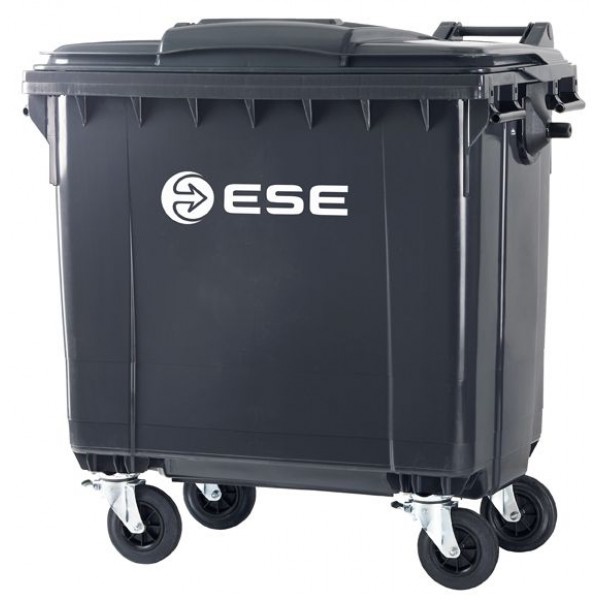
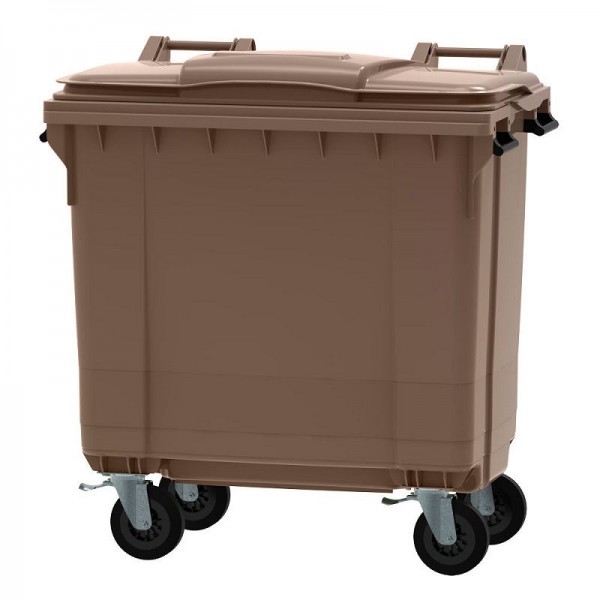
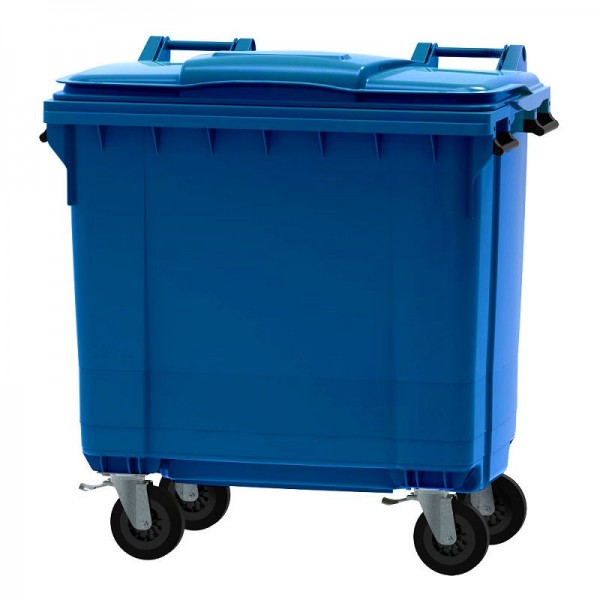
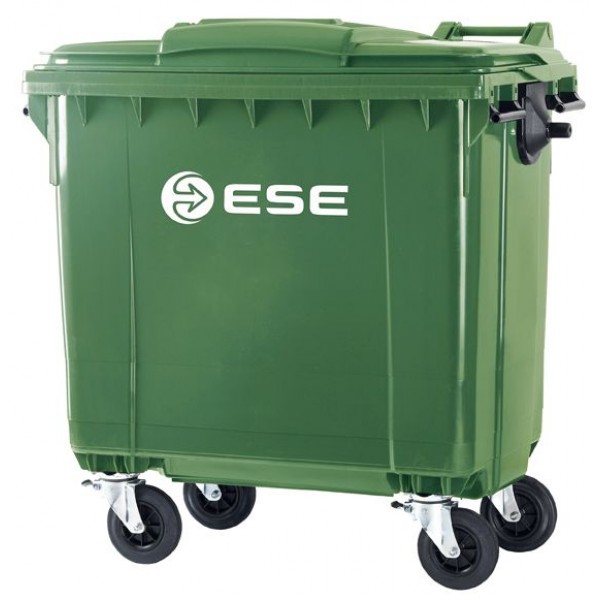
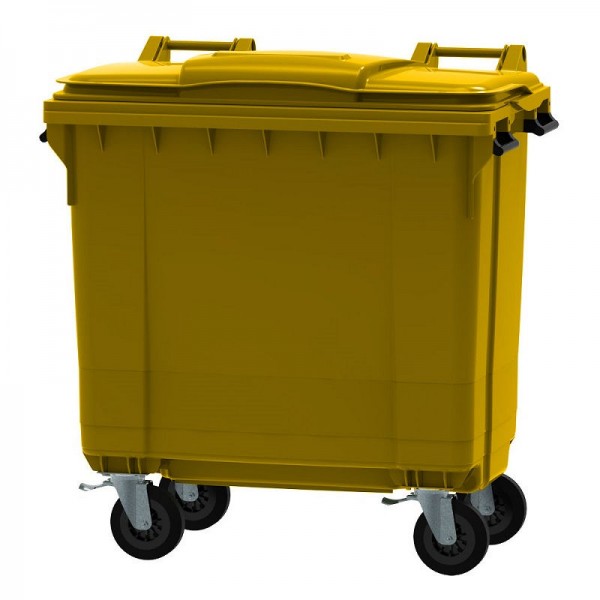
770-litre containers are an intermediate solution between a standard estate bin and a large 1100 l container. They work well for medium-sized residents' associations and smaller housing estates, where a large container would be too big and a smaller one insufficient. Their sturdy construction and transport castors make day-to-day handling by waste collection companies easier.
Choosing a 770-litre capacity reduces the number of containers on an estate without over-investing in the largest containers. It is often a more cost-effective solution than maintaining several smaller 240-litre units. The full range of available capacities, from the smallest up to this 770-litre model, can be conveniently browsed in the Waste containers category.
A practical rule of thumb for choosing capacity is that one 770-litre container emptied once a week is enough for between a dozen and twenty-odd households, depending on whether the waste is sorted beforehand. Where sorting is incomplete or bulky waste is more common, several smaller 240- or 360-litre containers work better than adding more 770-litre units, as it is then easier to see which fraction fills up faster.
A 770-litre container usually stands on four castors, two of which have brakes. This is a significant advantage when positioning the container on uneven ground or on a sloping entrance to a bin shelter, where an unsecured container could roll away on its own. The lid is usually hinged so that it opens fully to an angle at which it does not obstruct access to the interior when waste is being deposited.
Regular washing of containers of this size is often neglected, which is a mistake. Organic residue that builds up in the gaps around the lid attracts insects and causes unpleasant odours, especially in warmer months. Property management companies increasingly outsource periodic container washing to external service providers, which for capacities of around 770 litres is often more convenient than manual washing by caretaking staff.
The plastic used for 770-litre containers must remain flexible at low temperatures. Brittle, cheap polyethylene cracks in winter when struck by the edge of the refuse vehicle's lifting arm, whereas good-quality HDPE withstands frost without losing strength for many seasons.
Although the 770-litre capacity is chosen less often than 1100 or 240 litres, it fills a real gap between these options. It is therefore worth considering, especially where the number of residents varies seasonally, for example in buildings where some units are let on a short-term basis.


Contact
Need help choosing?
If you are not sure which solution is right for your space, please contact us. We will help you choose products tailored to your needs.