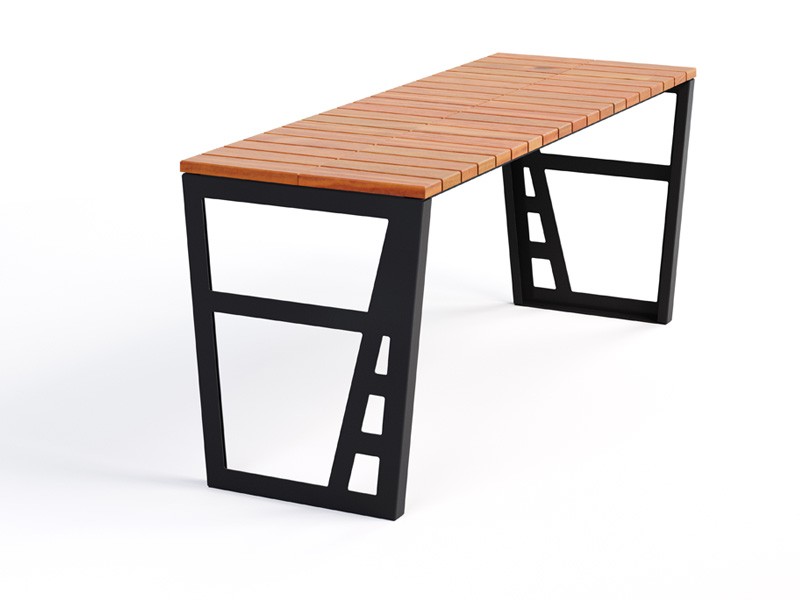
Picnic Tables
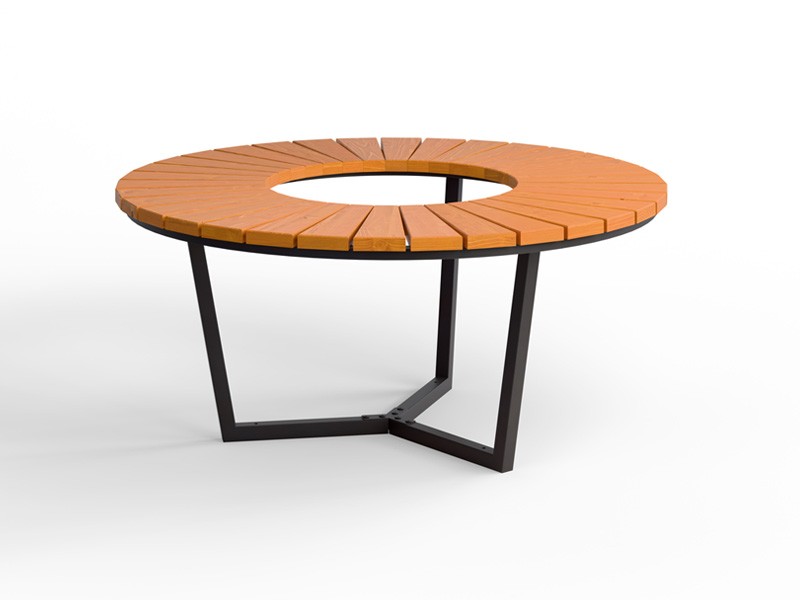
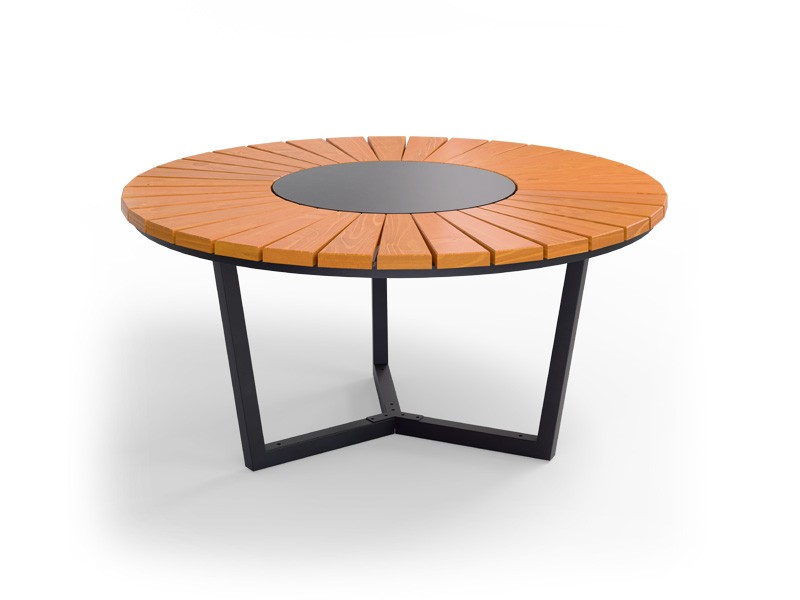
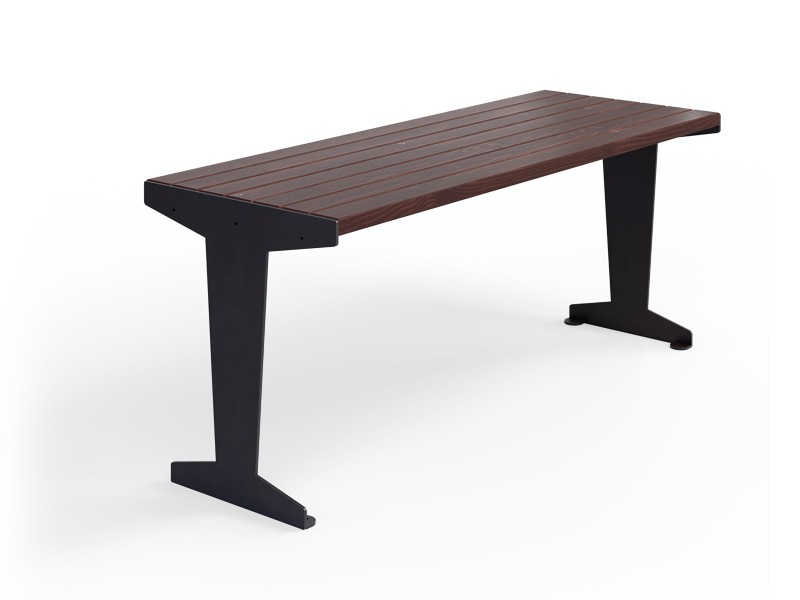
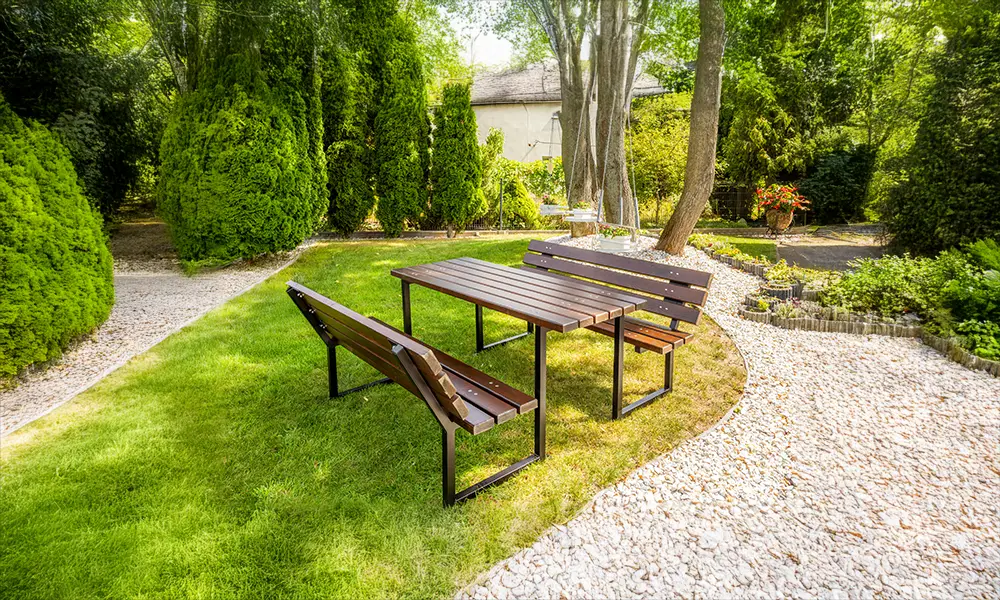
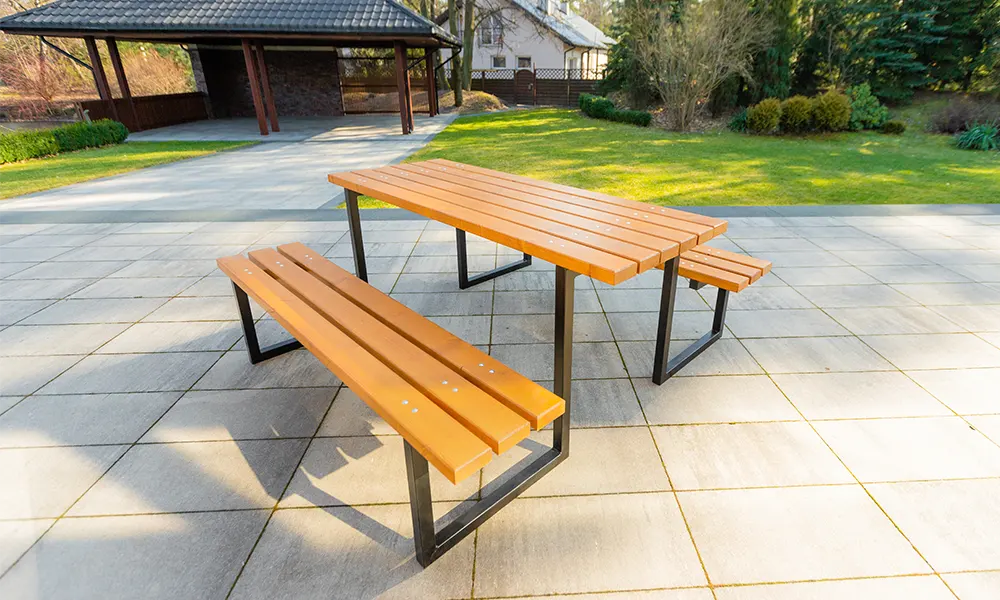
Picnic tables, usually available as a set with integrated benches, are very popular furnishings for recreational areas, campsites and barbecue areas in residential parks — a practical solution that effectively encourages residents to spend time together outdoors.
Construction from pressure-treated timber provides a natural, warm appearance while maintaining resistance to changing weather conditions. They are available in variants with different numbers of seats, matched to the expected number of users of a given recreational area, and anchoring to the ground secures the set against accidental displacement during intensive use. We usually group picnic tables with concrete tables in a single urban and park tables category, although each type suits somewhat different locations.
The structure of a picnic table with integrated benches is usually based on a single central frame to which both the tabletop and the seats are fixed — this ensures the stability of the entire set and eliminates the risk of the elements accidentally moving apart when used by a larger group at the same time.
The number of seats in a typical picnic set ranges from four to eight, and at larger outdoor events organisers often arrange several tables in a row or semicircle, creating a larger shared dining area instead of individual, scattered spots.
Pressure treatment of timber, unlike surface painting or varnishing, drives the preservative deep into the fibre structure, which significantly extends resistance to moisture, fungi and pests, even in direct contact with the ground where the legs are set.
At campsites and camping grounds, picnic tables serve as the central meeting point for the whole group — it is worth placing them near campfire or barbecue spots, while keeping a safe distance to minimise the risk of the timber structure accidentally catching fire.
Before winter, timber picnic tables should be inspected for the condition of their preservative treatment, especially in areas of greatest wear — the edges of the tabletop and where the legs meet the ground — with the protective coating renewed wherever normal use has damaged it.
Manufacturers also offer picnic table variants with an extended wheelchair space, with no bench on one side of the tabletop — a solution increasingly required in publicly funded projects that prioritise the accessibility of recreational spaces.


Contact
Need help choosing?
If you are not sure which solution is right for your space, please contact us. We will help you choose products tailored to your needs.