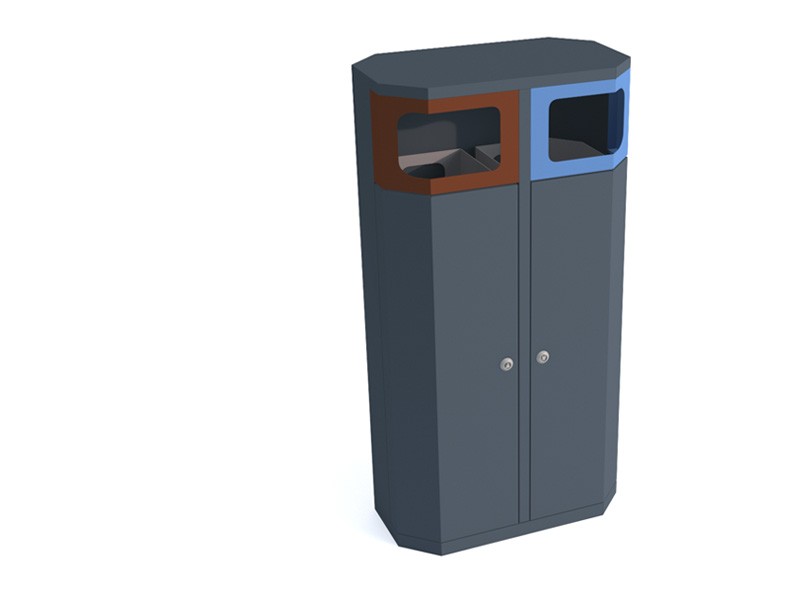
2-compartment recycling bins
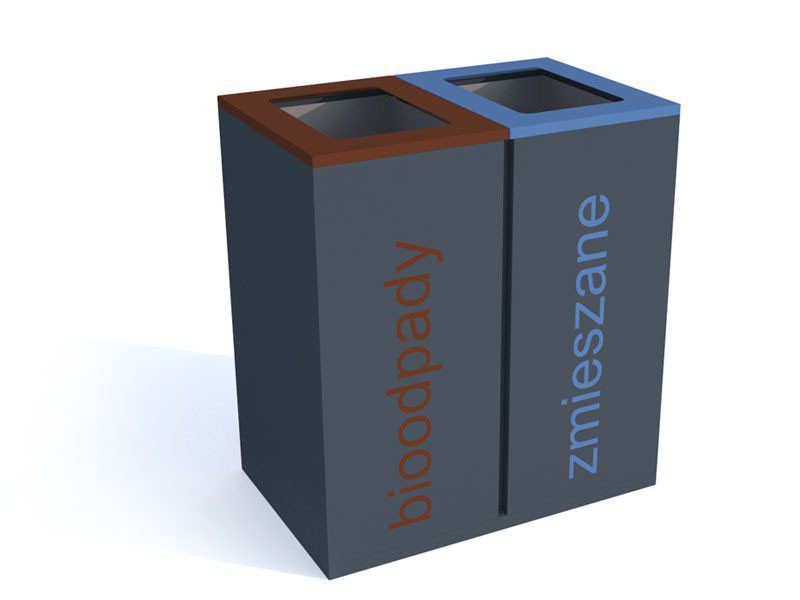
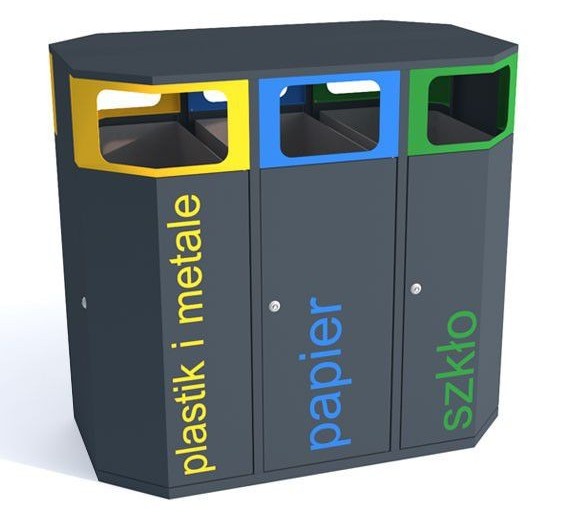
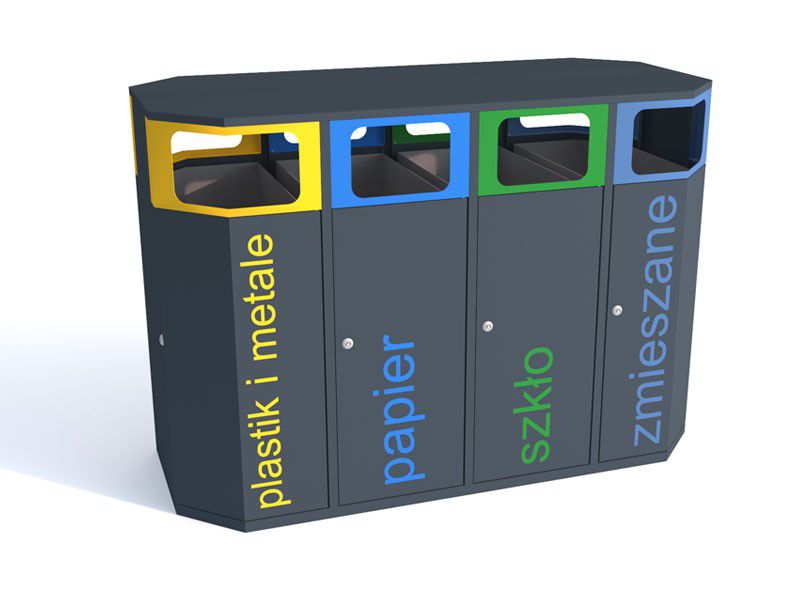
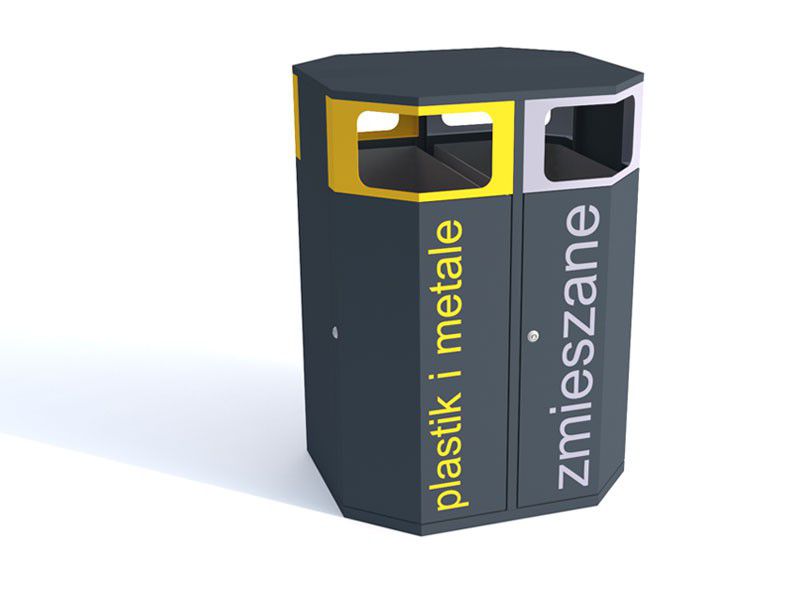
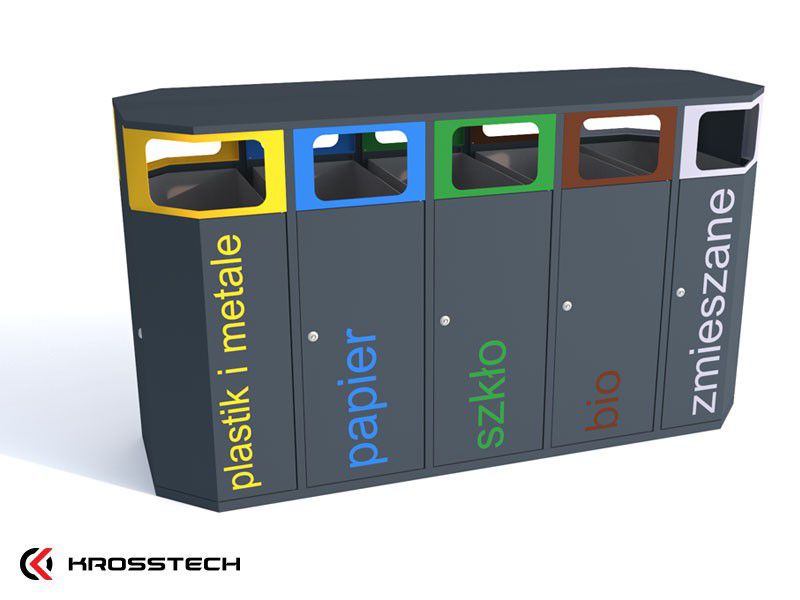
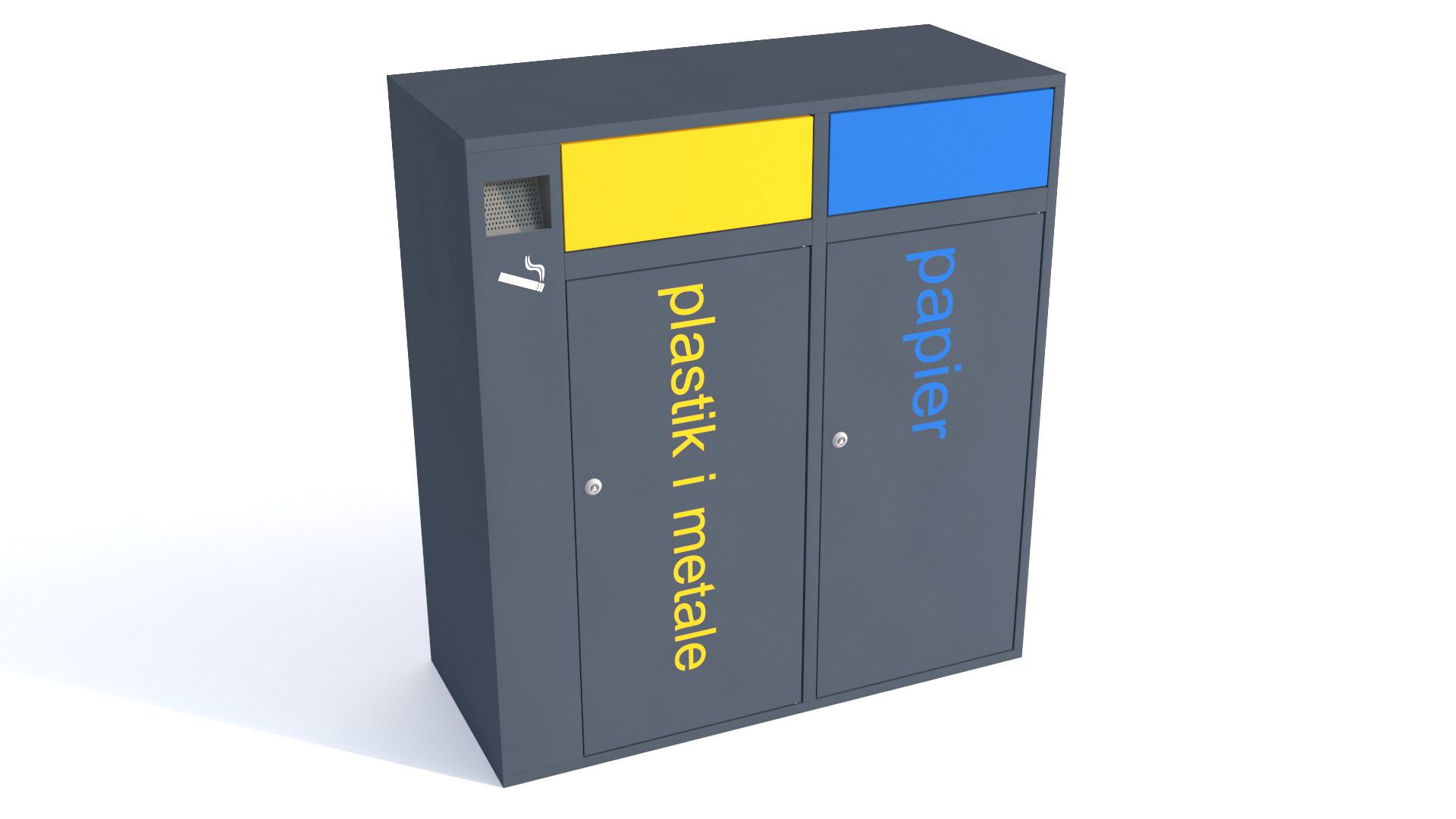
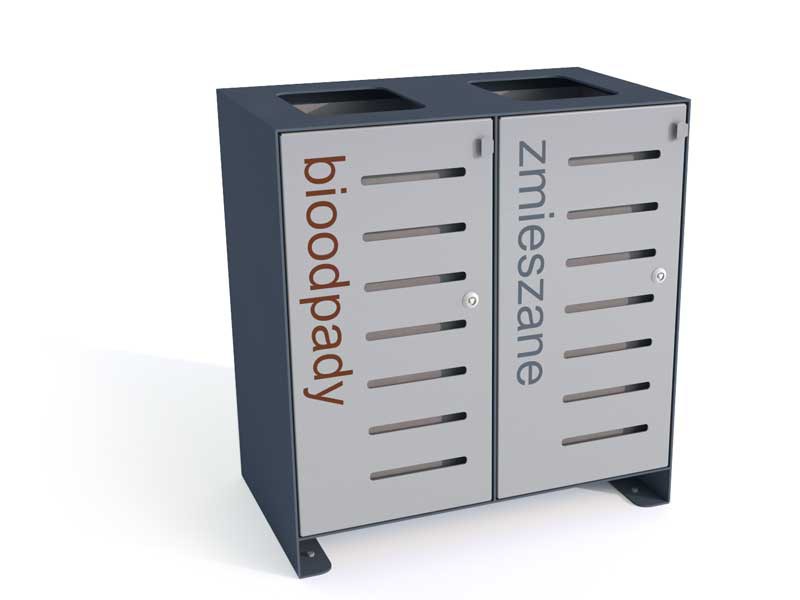
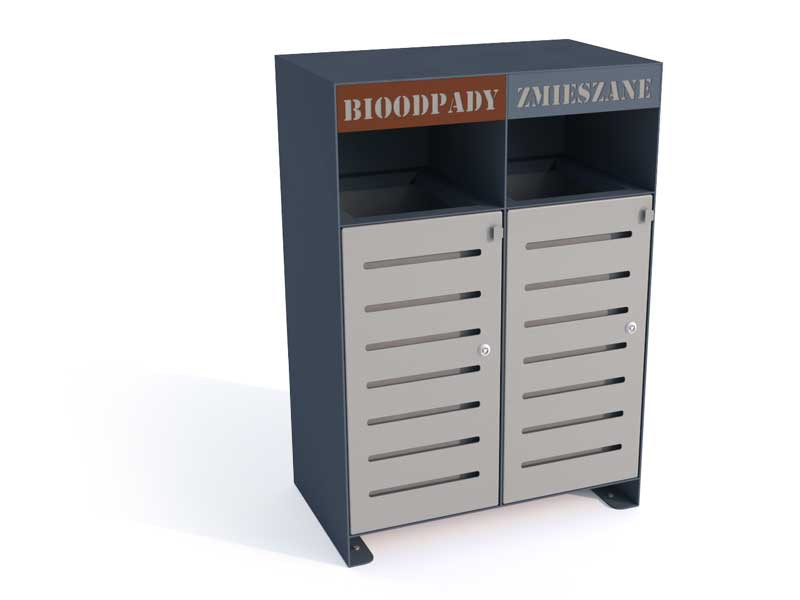
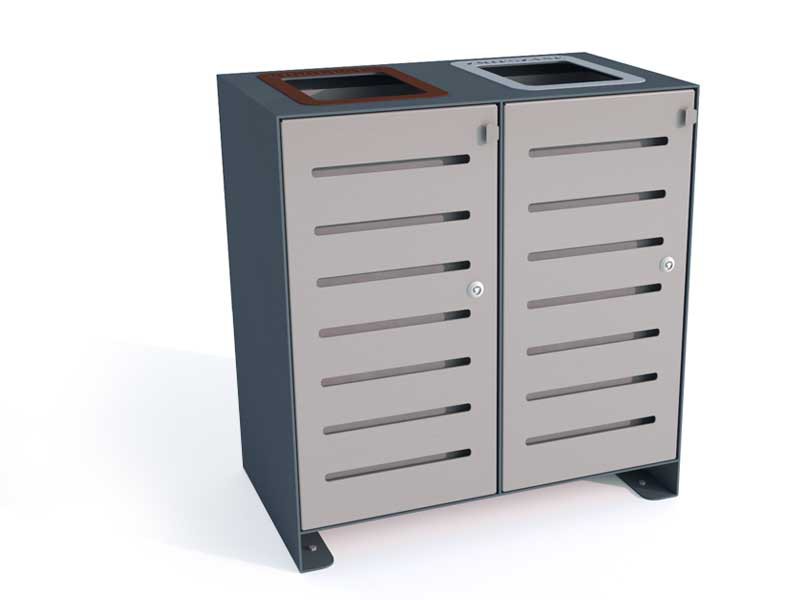
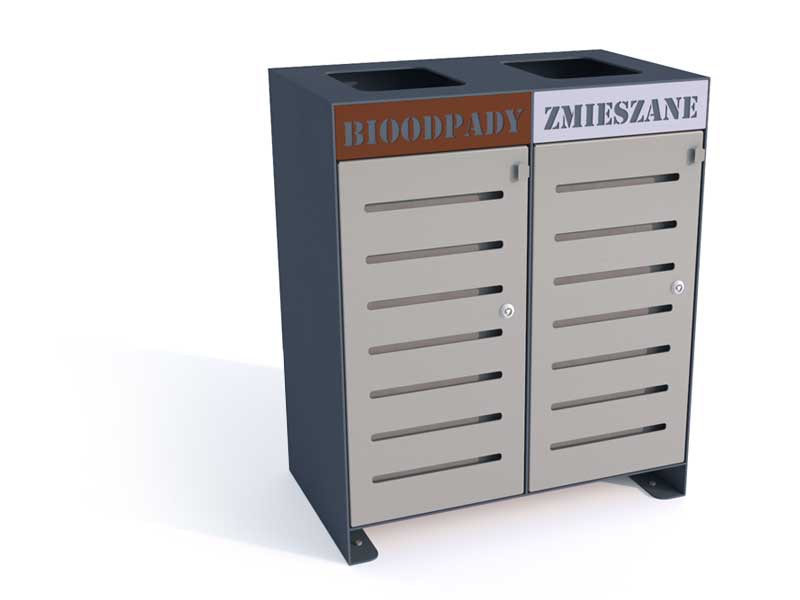
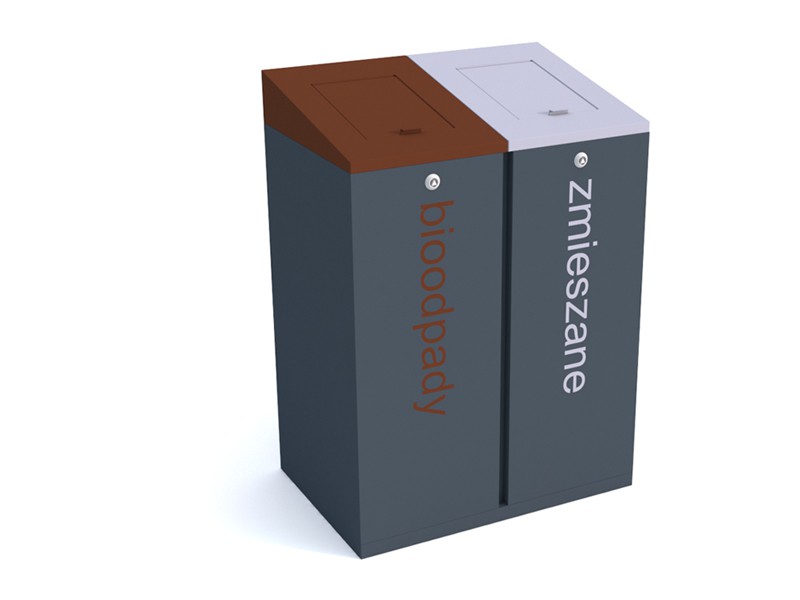
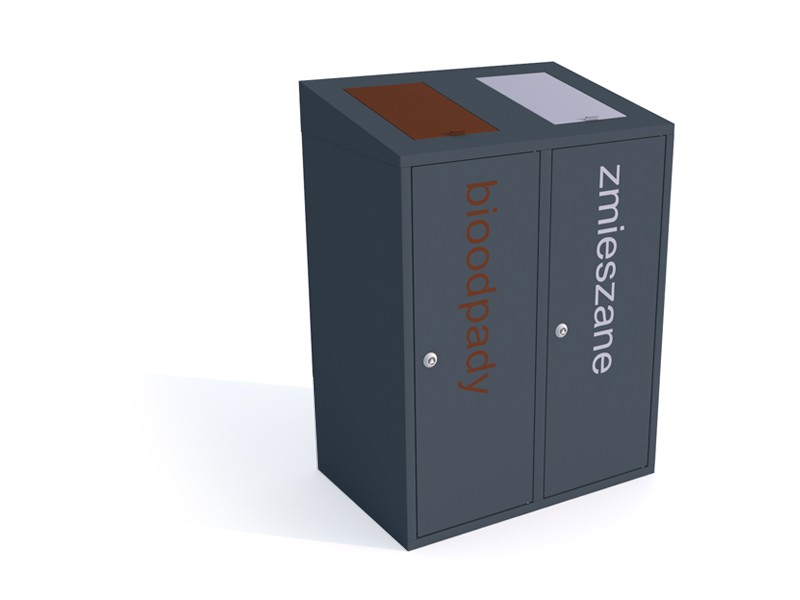
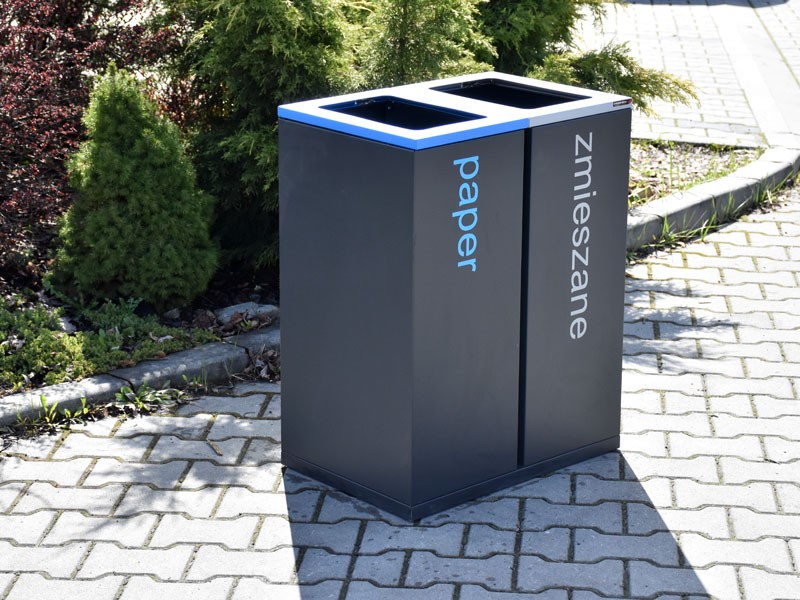
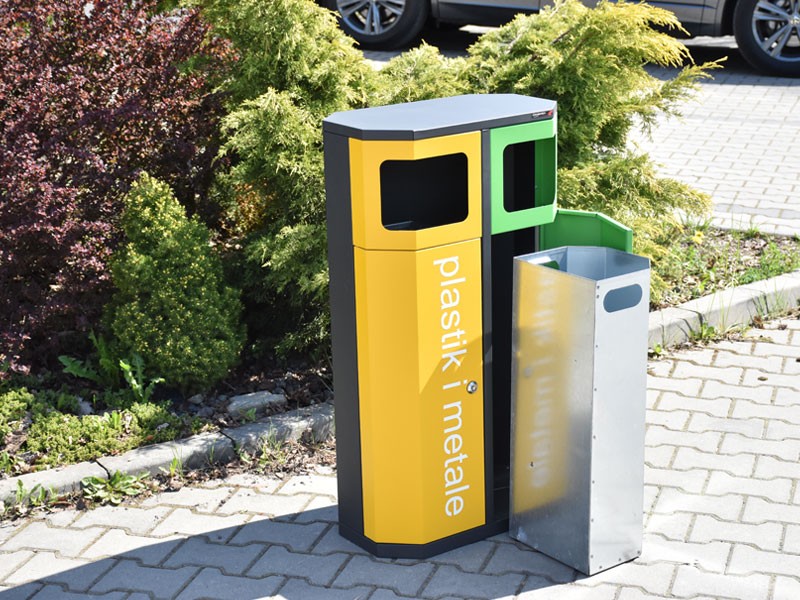
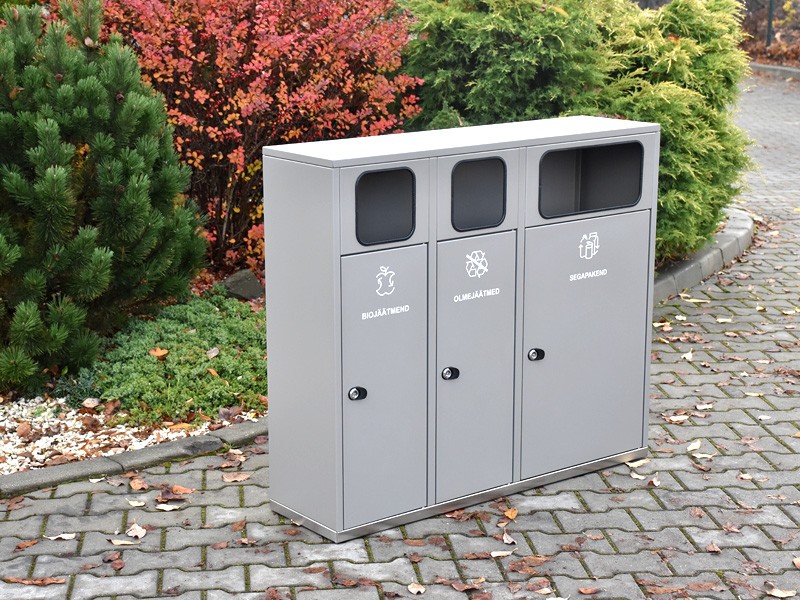
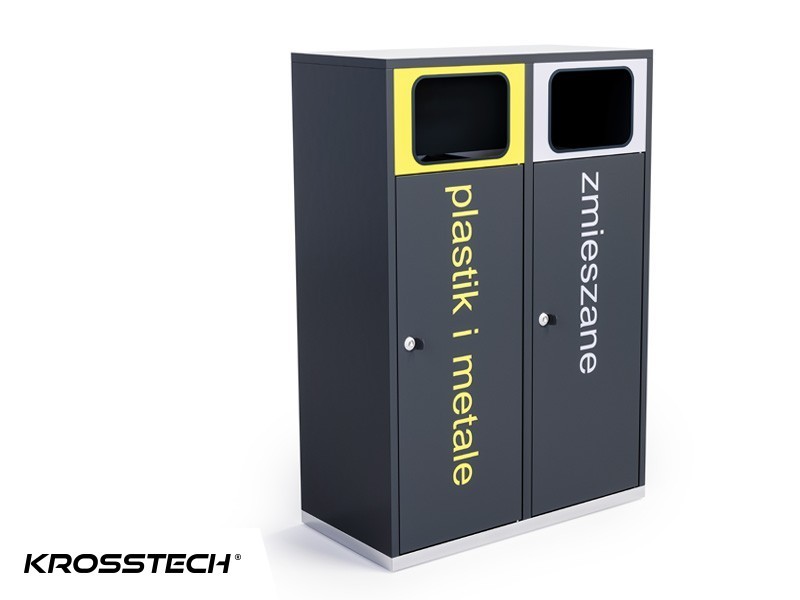
2-compartment recycling bins allow two waste streams to be collected simultaneously in a single, compact unit, a practical solution where space is limited and a full set of five containers would be too large. This model forms part of a wider range of recycling bins, from 2- to 5-compartment versions. They are particularly well suited to smaller offices and service premises that are just beginning to introduce waste sorting.
In small catering outlets, 2-compartment bins are most often used to separate mixed waste from plastic packaging or glass, the two streams generated most heavily in day-to-day customer service.
In terms of construction material, two-compartment bins are most commonly made from powder-coated galvanised steel or high-density plastic. Steel versions withstand much more intensive use and cope better with vandalism, which is why they are preferred by office building managers and public institutions, where equipment may be exposed to mechanical damage. Plastic variants, on the other hand, are lighter, cheaper to purchase and easier to move to another part of the room, which will be appreciated by smaller companies just setting up a waste collection point. Both material groups share one feature: durable colour coding of the compartments, without which sorting quickly becomes pointless, as staff or customers start throwing waste in at random.
When choosing a specific model, it is not only the number of compartments that matters but also their relative capacity. In offices where mixed waste and paper predominate, a bin with an asymmetrical division can be a sensible choice: a larger compartment for the stream generated in the greatest quantity and a smaller one for the less frequent stream. Manufacturers increasingly use clear pictograms and colour coding consistent with the uniform sorting system in force in Poland, making correct use of the bin easier for occasional visitors to the building as well, such as customers or members of the public visiting a council office.
Servicing a two-compartment bin does not differ significantly from a standard single-compartment bin: bags are replaced independently in each compartment, allowing the emptying frequency to be matched to the fill rate of each stream. In practice, this means fewer unnecessary bag changes, as the slower-filling stream does not need to be emptied as often as the dominant one. Models with a top lid restrict access to the contents and improve the appearance of the room, while open versions make it easy to check quickly which compartment needs attention without lifting a flap.
Two-compartment bins are also often the first step in gradually introducing full sorting in an organisation that previously collected only mixed waste. Rather than investing straight away in five-compartment sets covering all streams, many companies first separate the two most problematic streams, usually paper and plastics, and only once staff habits are established do they extend the system with further containers. This approach lowers the initial cost of implementation and makes it possible to assess the actual quantities of each stream before deciding on the final bin configuration for a given location.


Contact
Need help choosing?
If you are not sure which solution is right for your space, please contact us. We will help you choose products tailored to your needs.