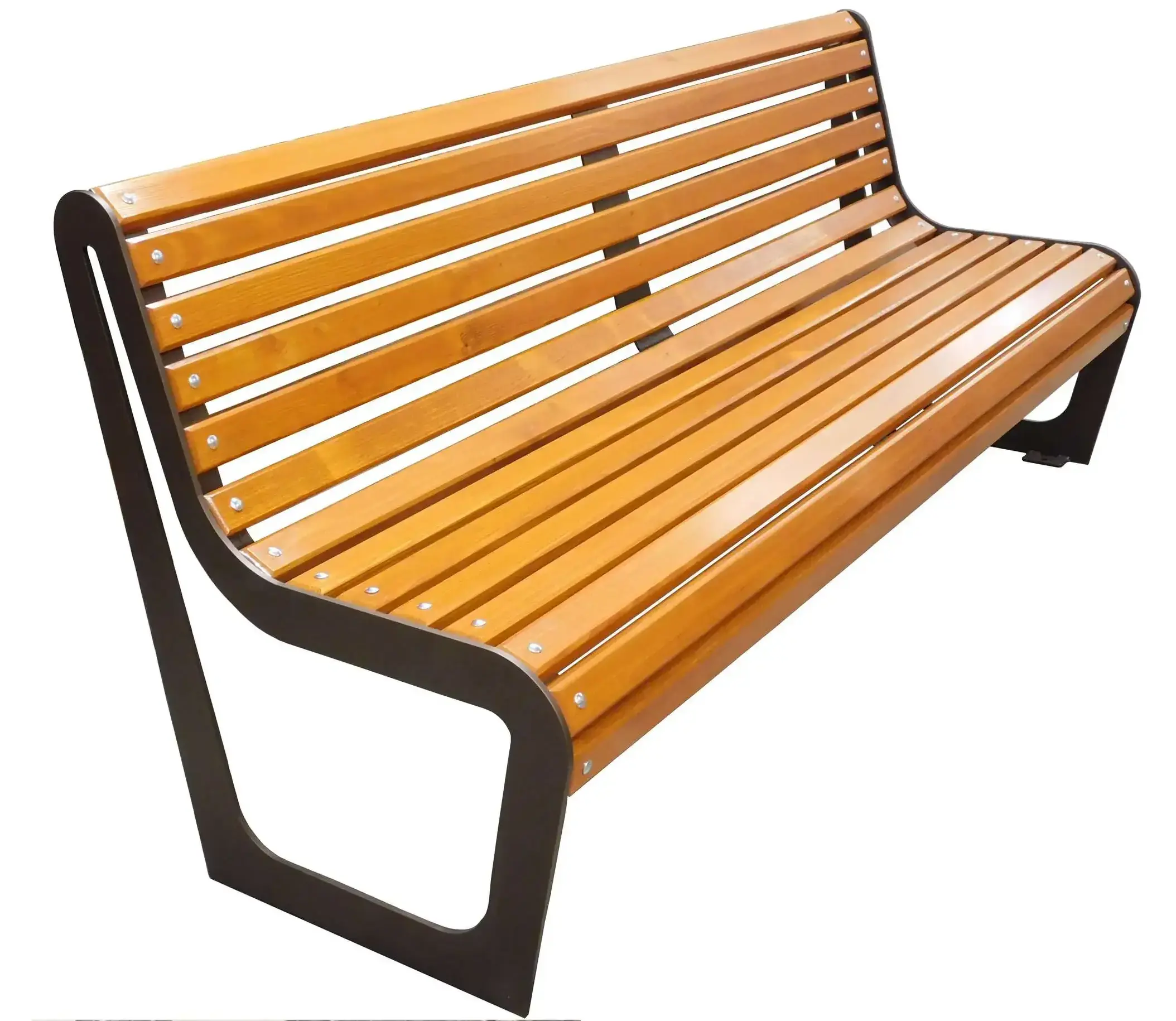
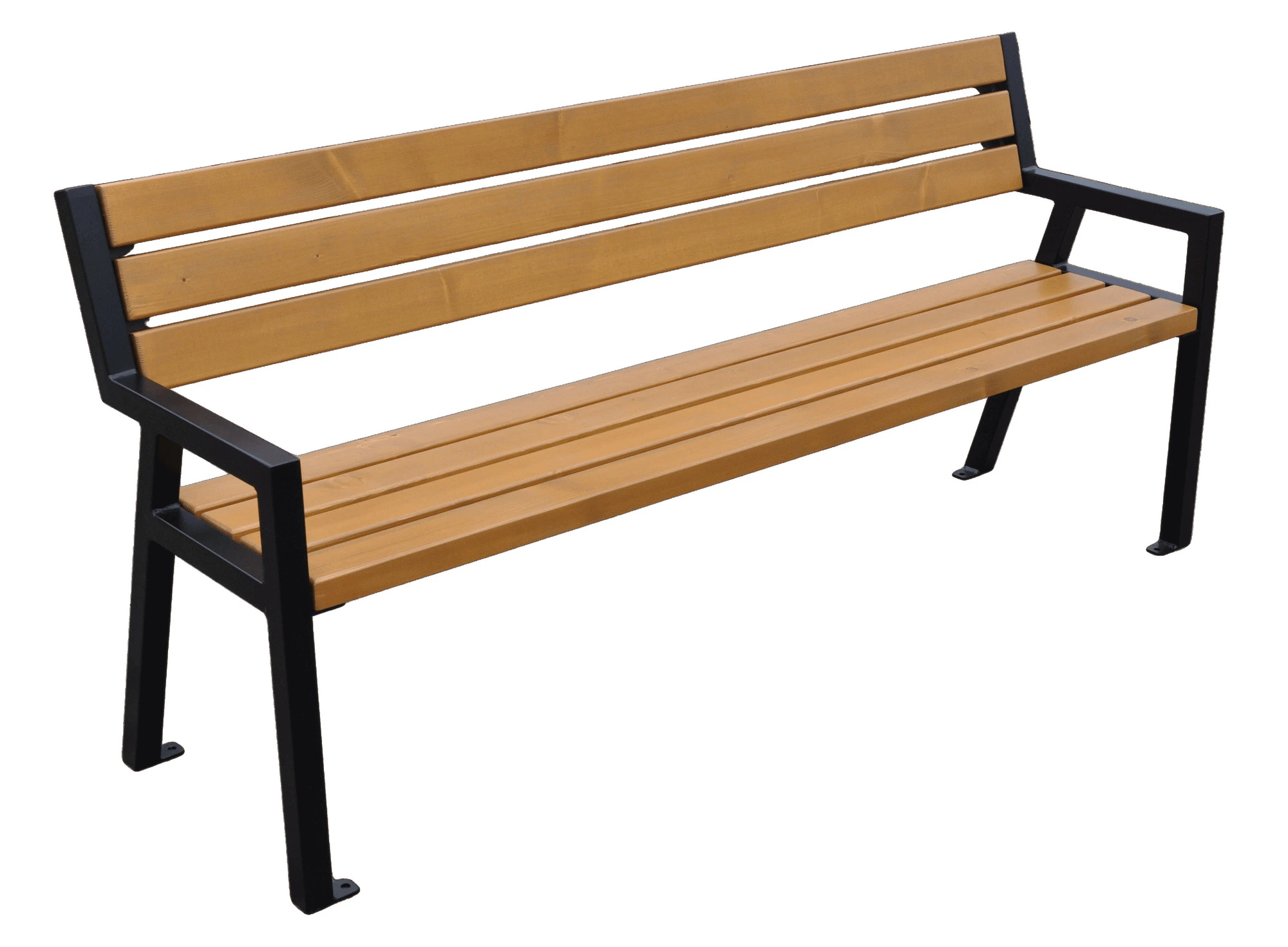
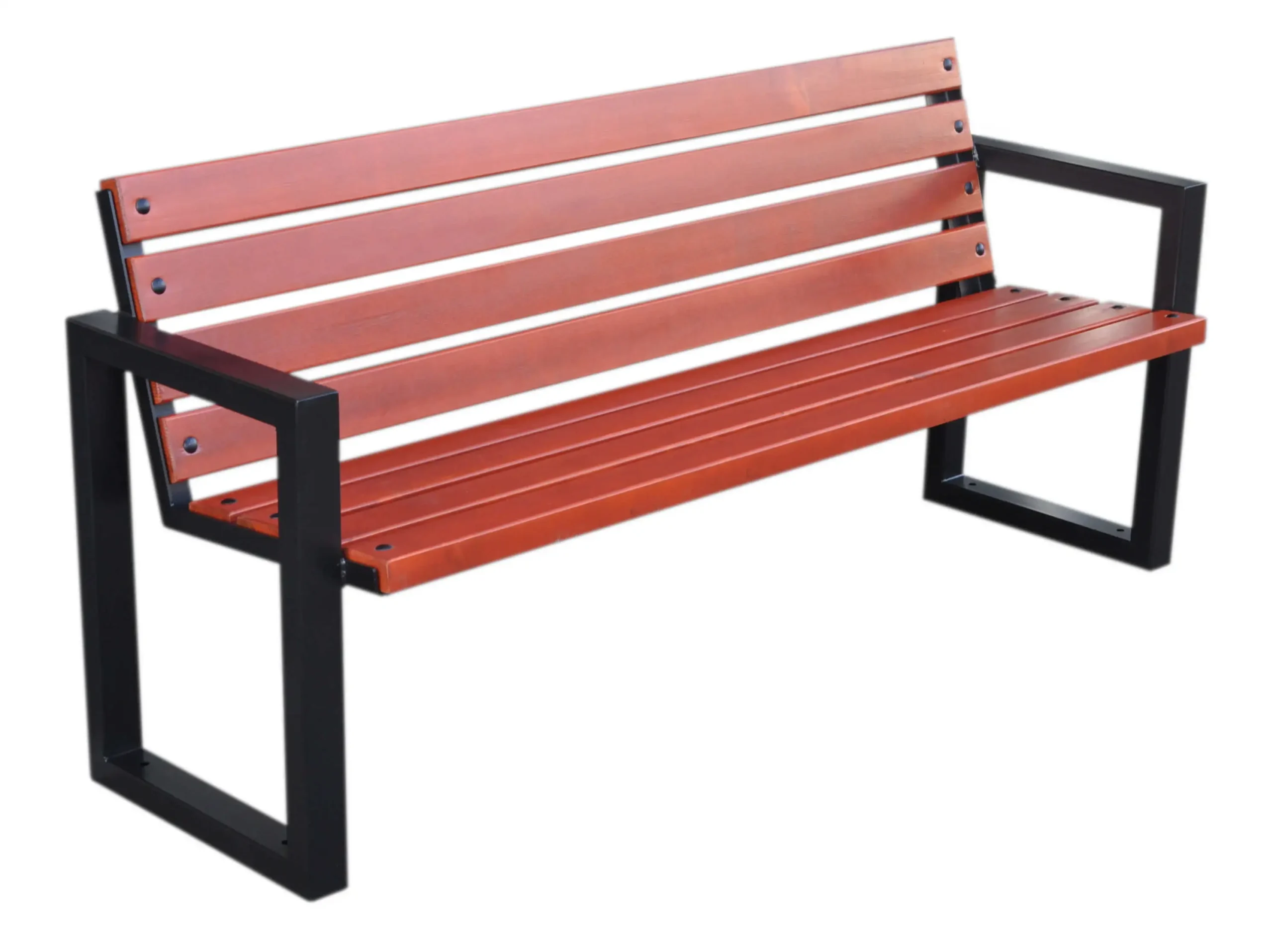
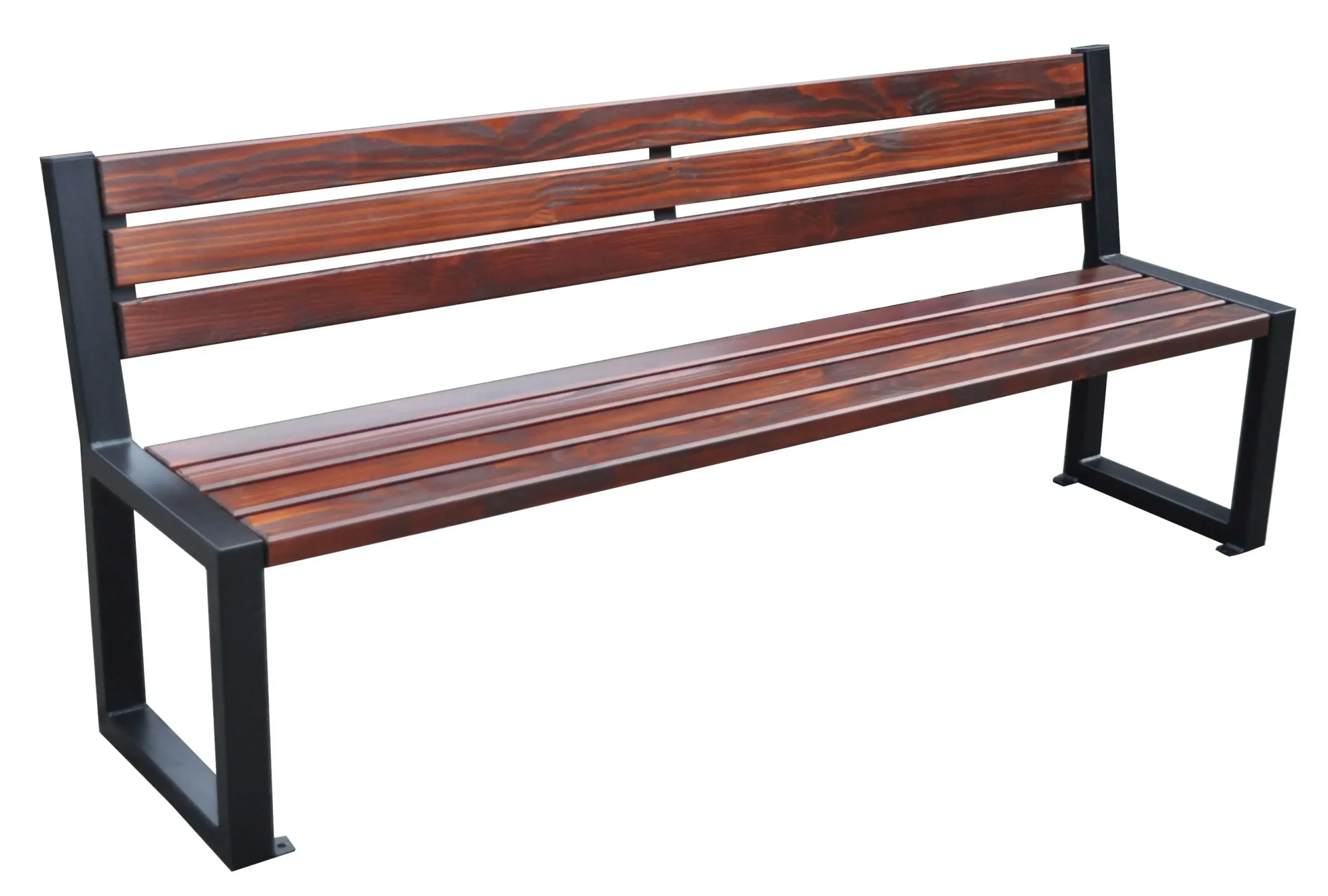
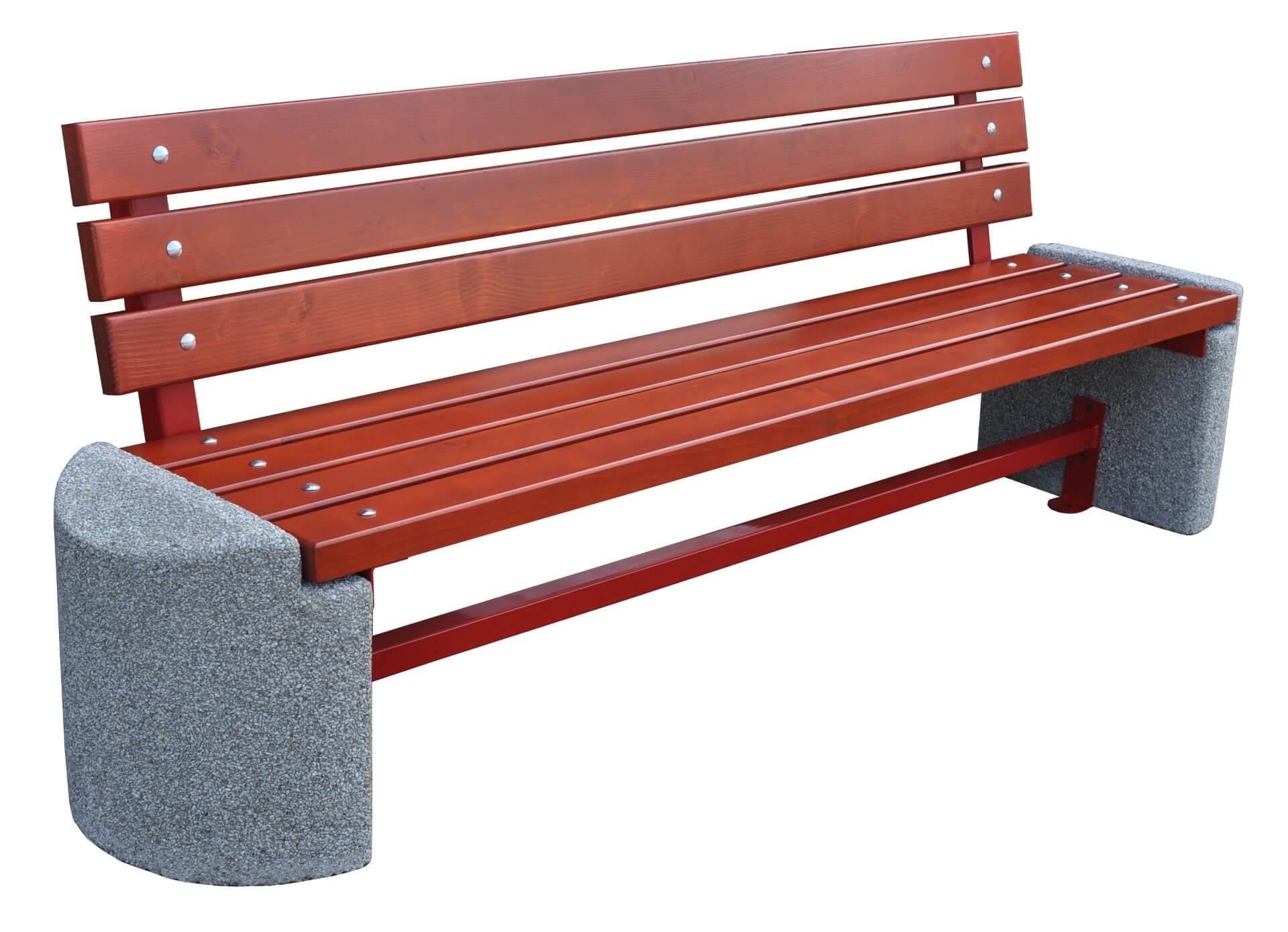
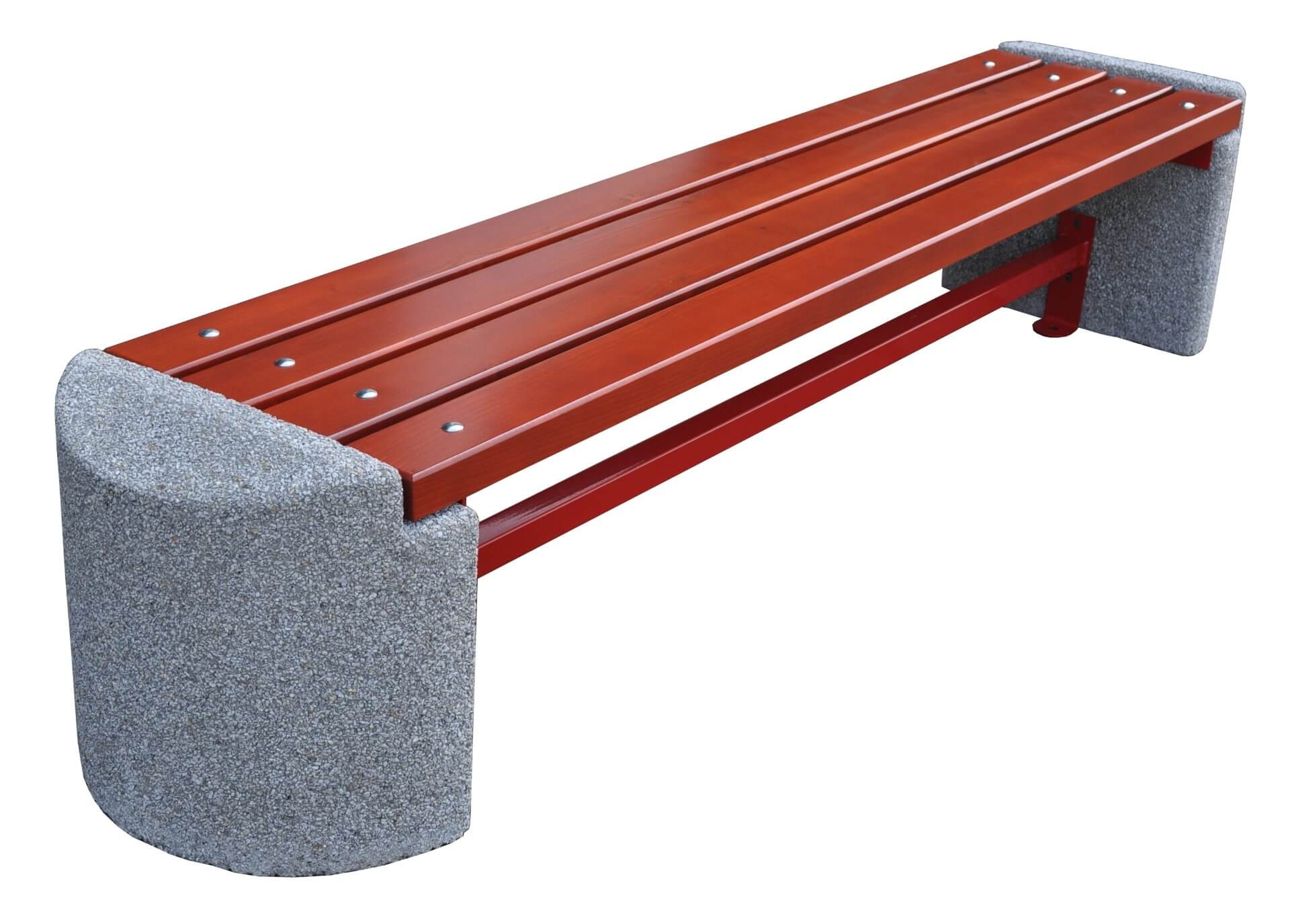
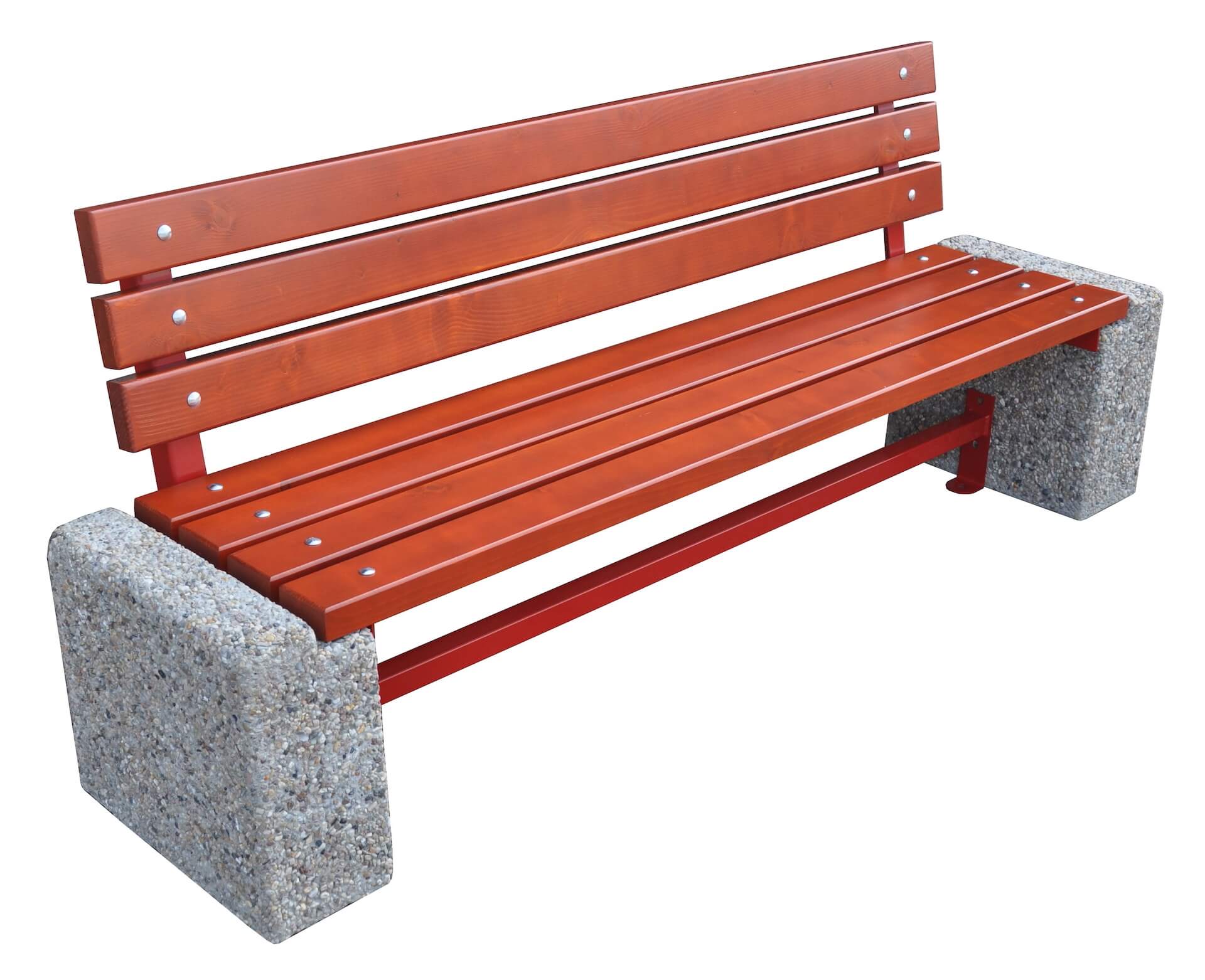
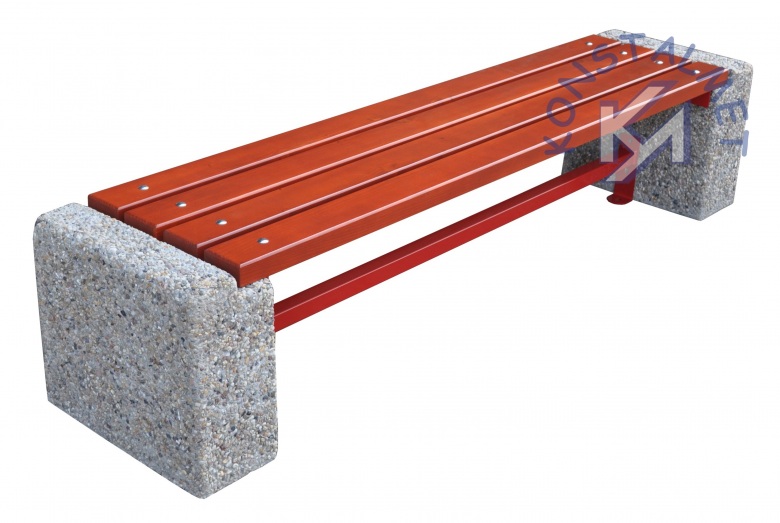
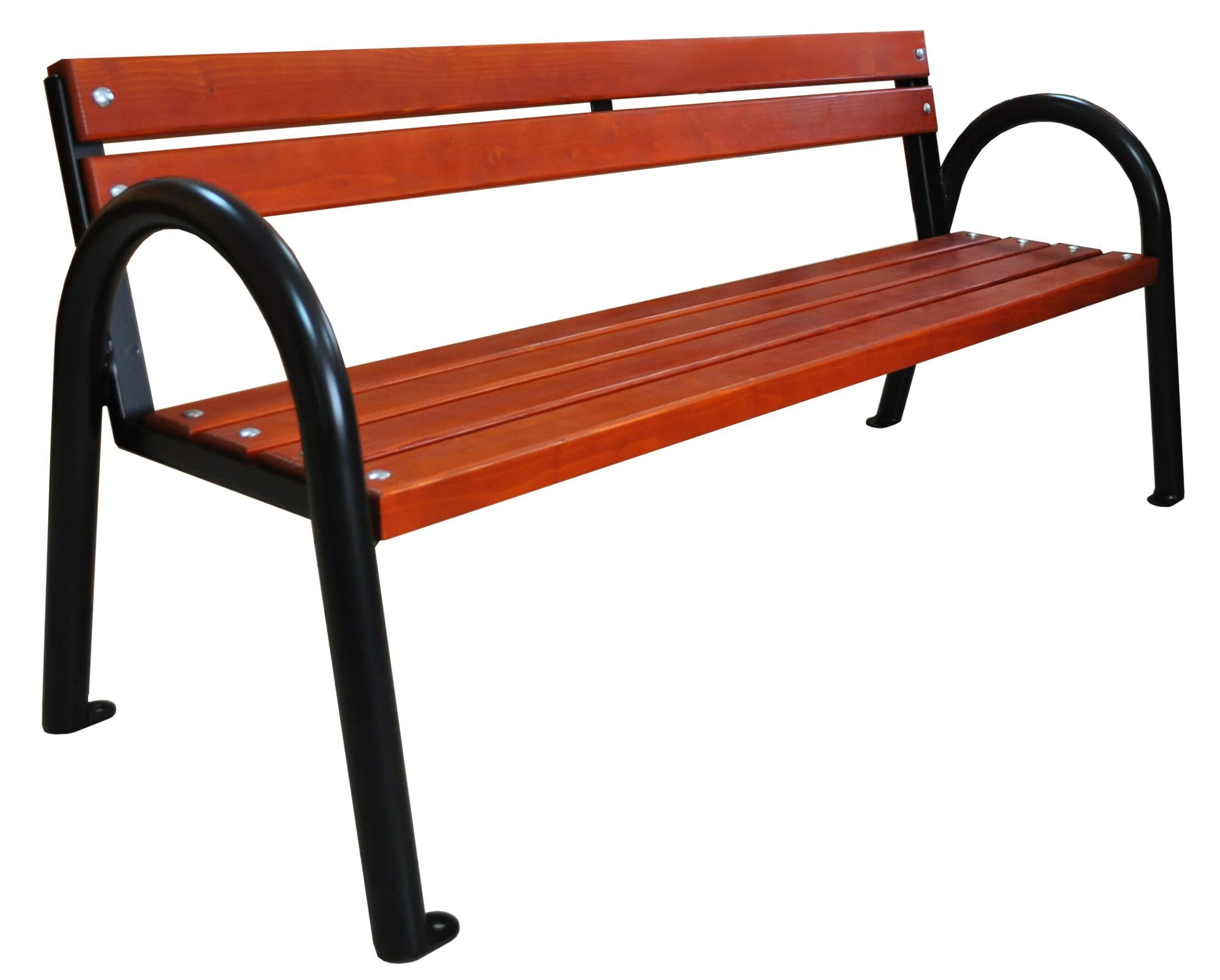
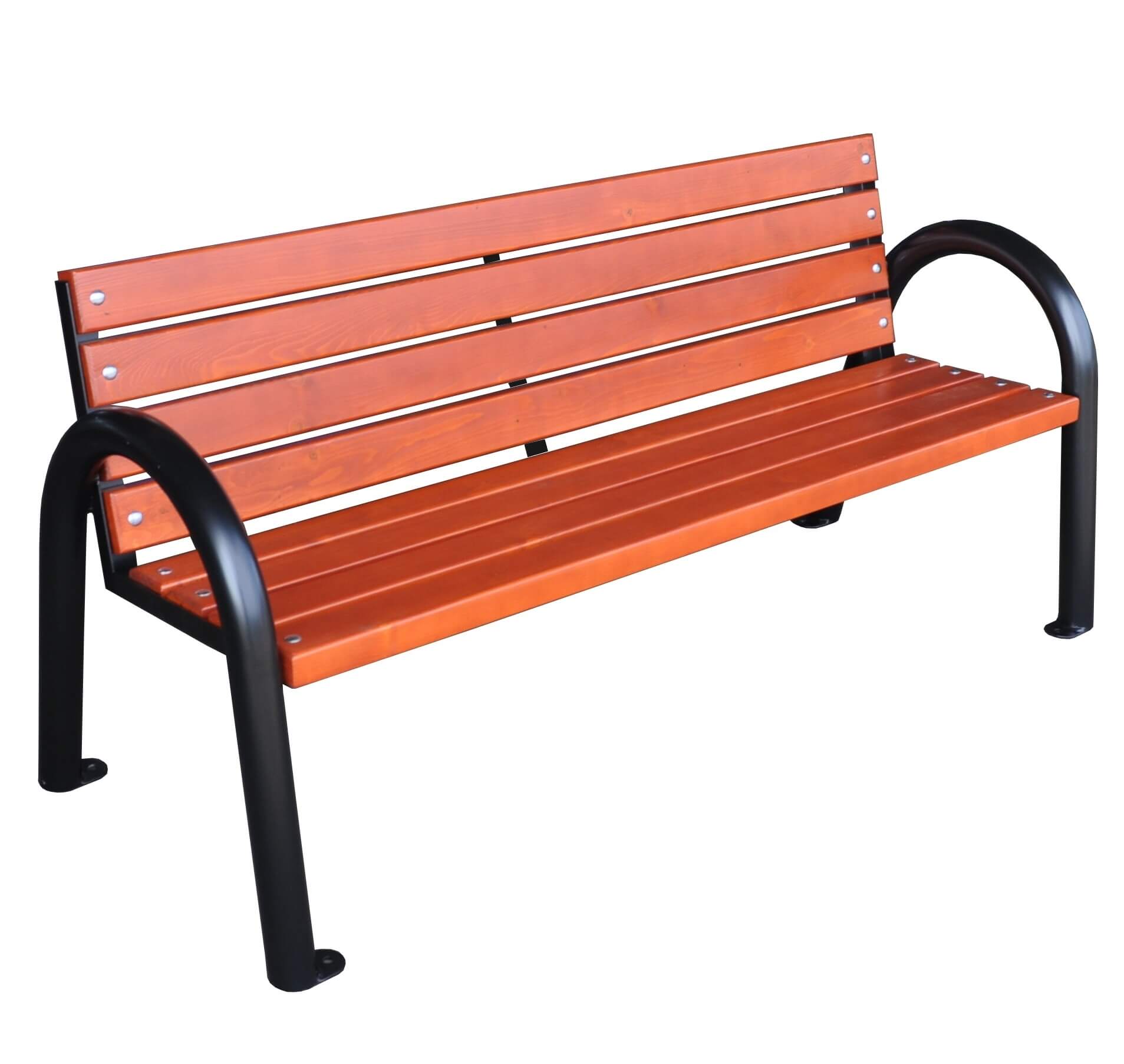
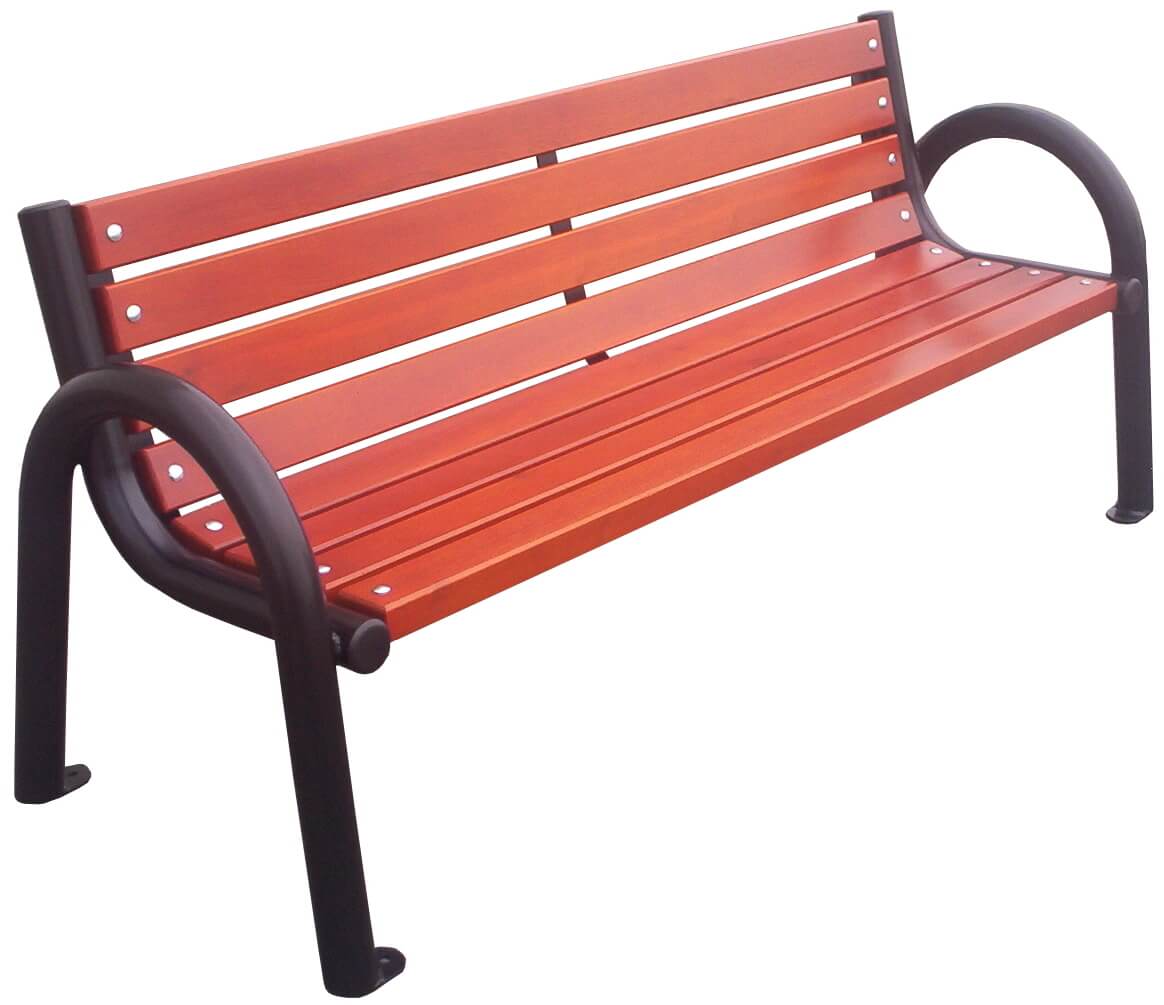
Park benches are one of the cornerstones of our street furniture range, alongside litter bins, bike racks and other fittings for urban spaces.
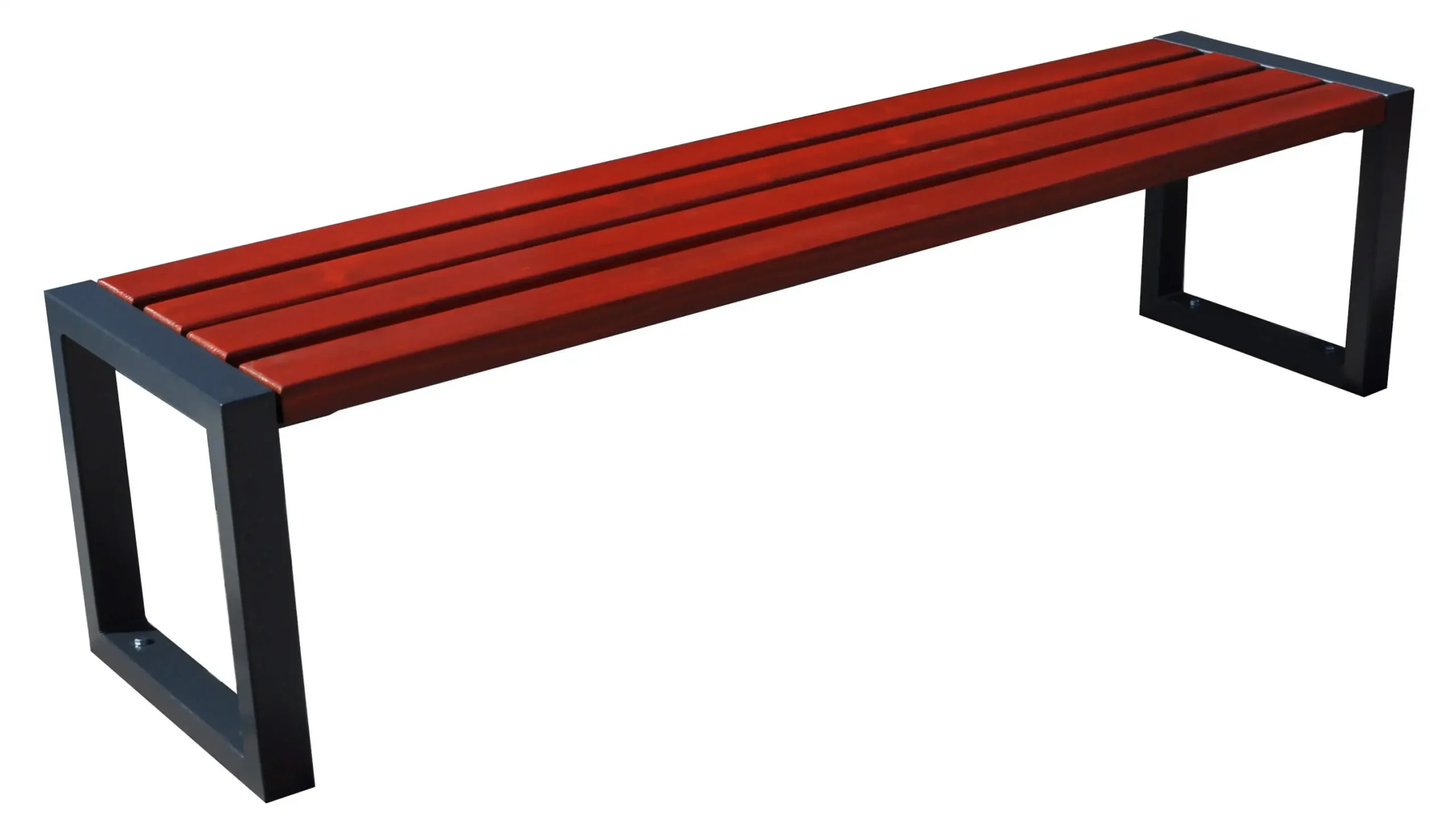
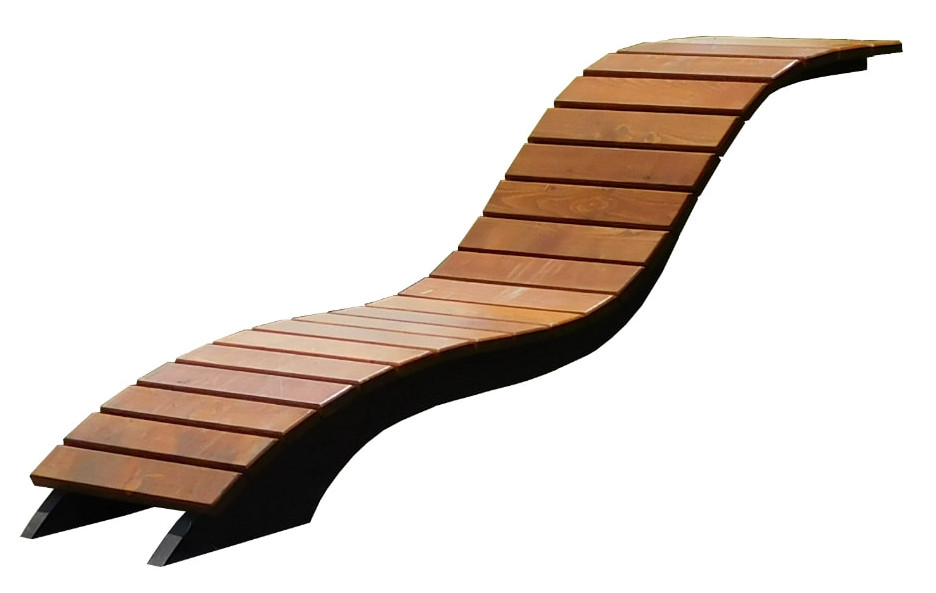
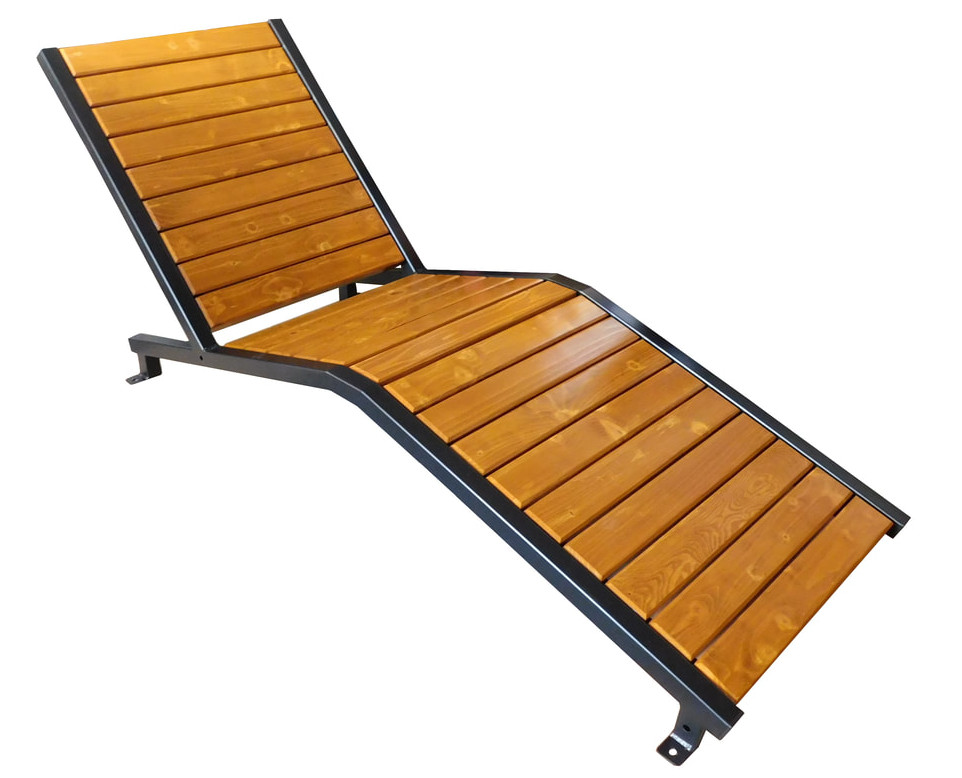
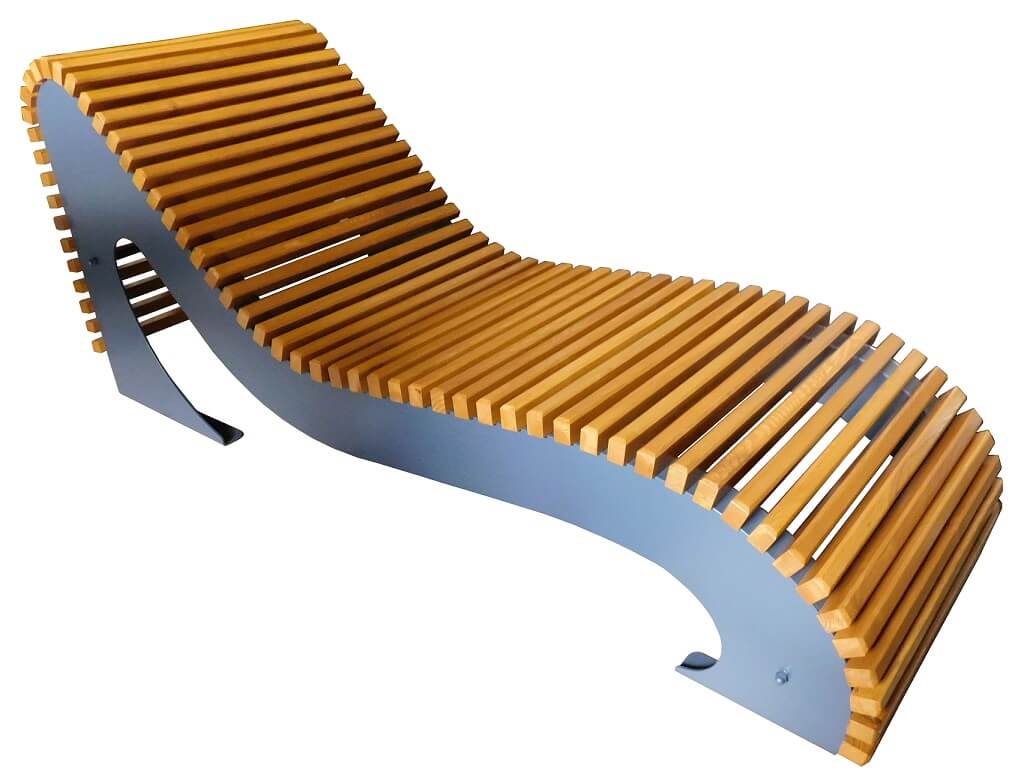
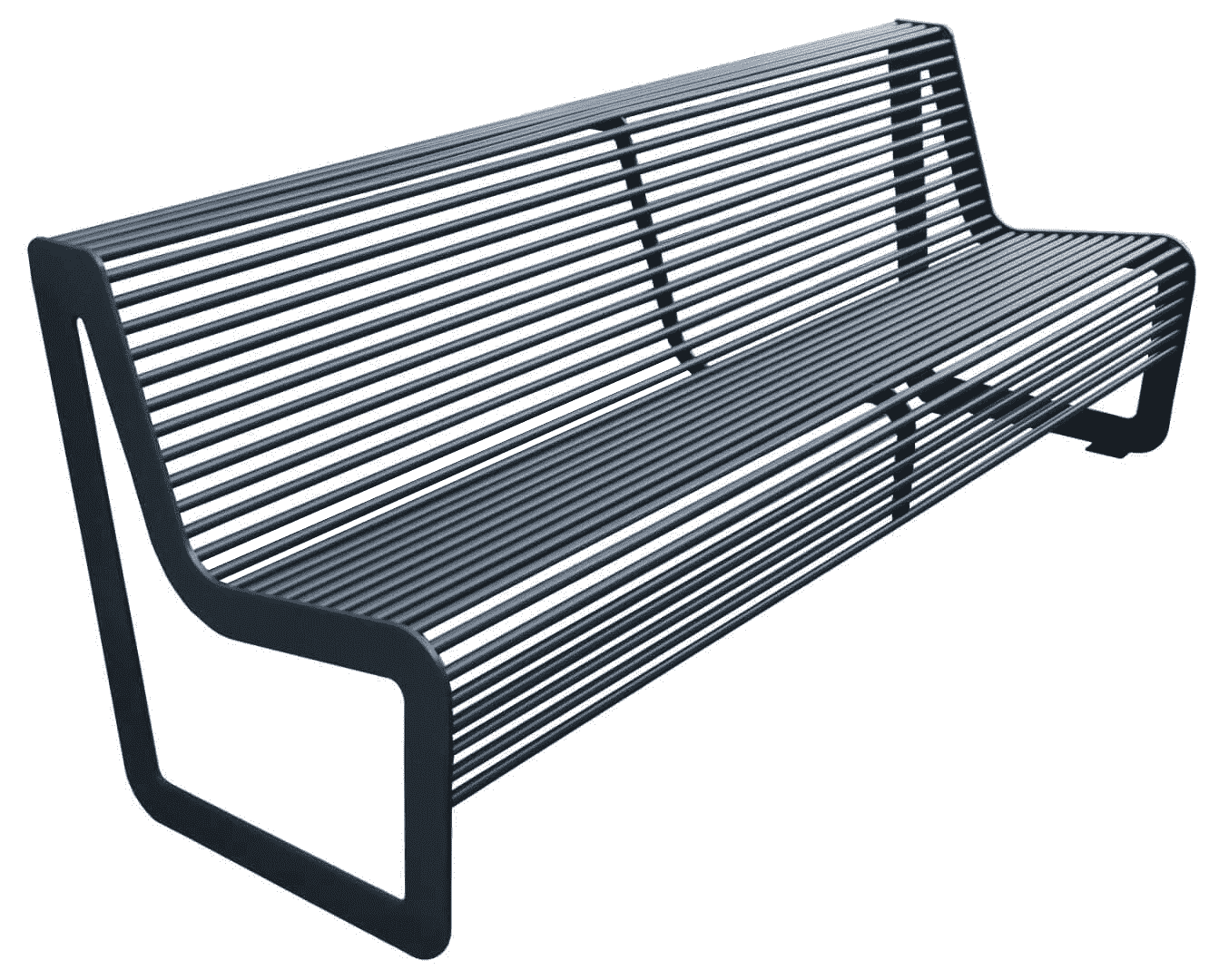
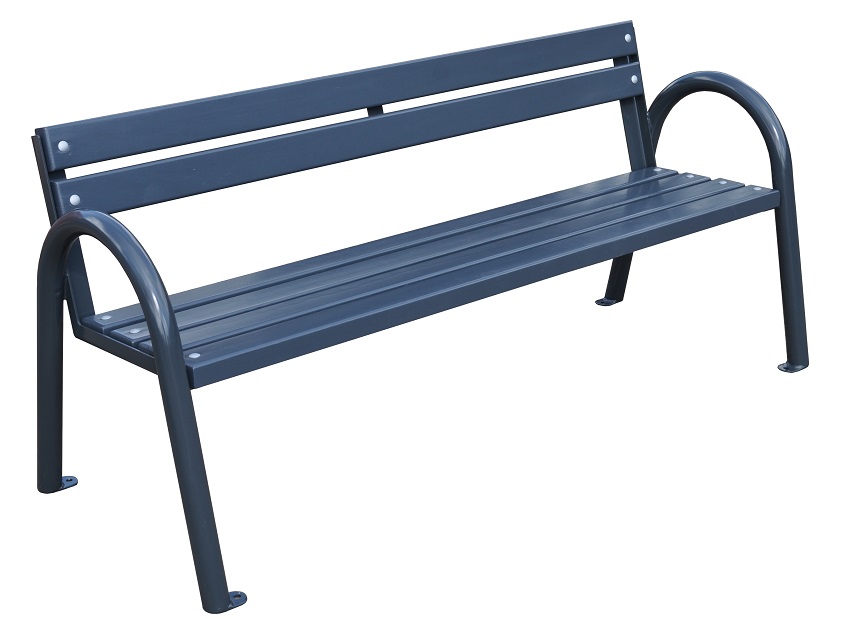
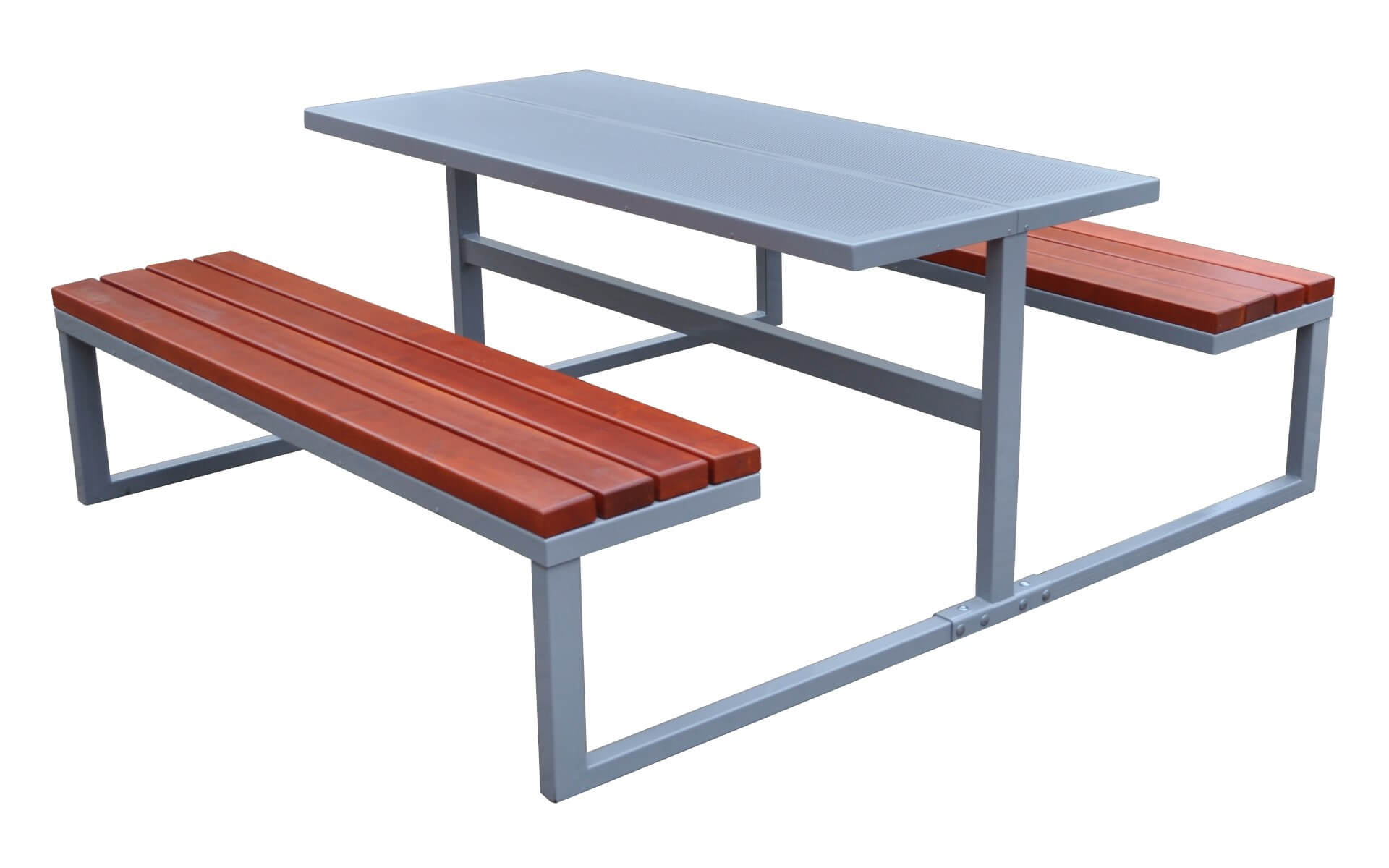
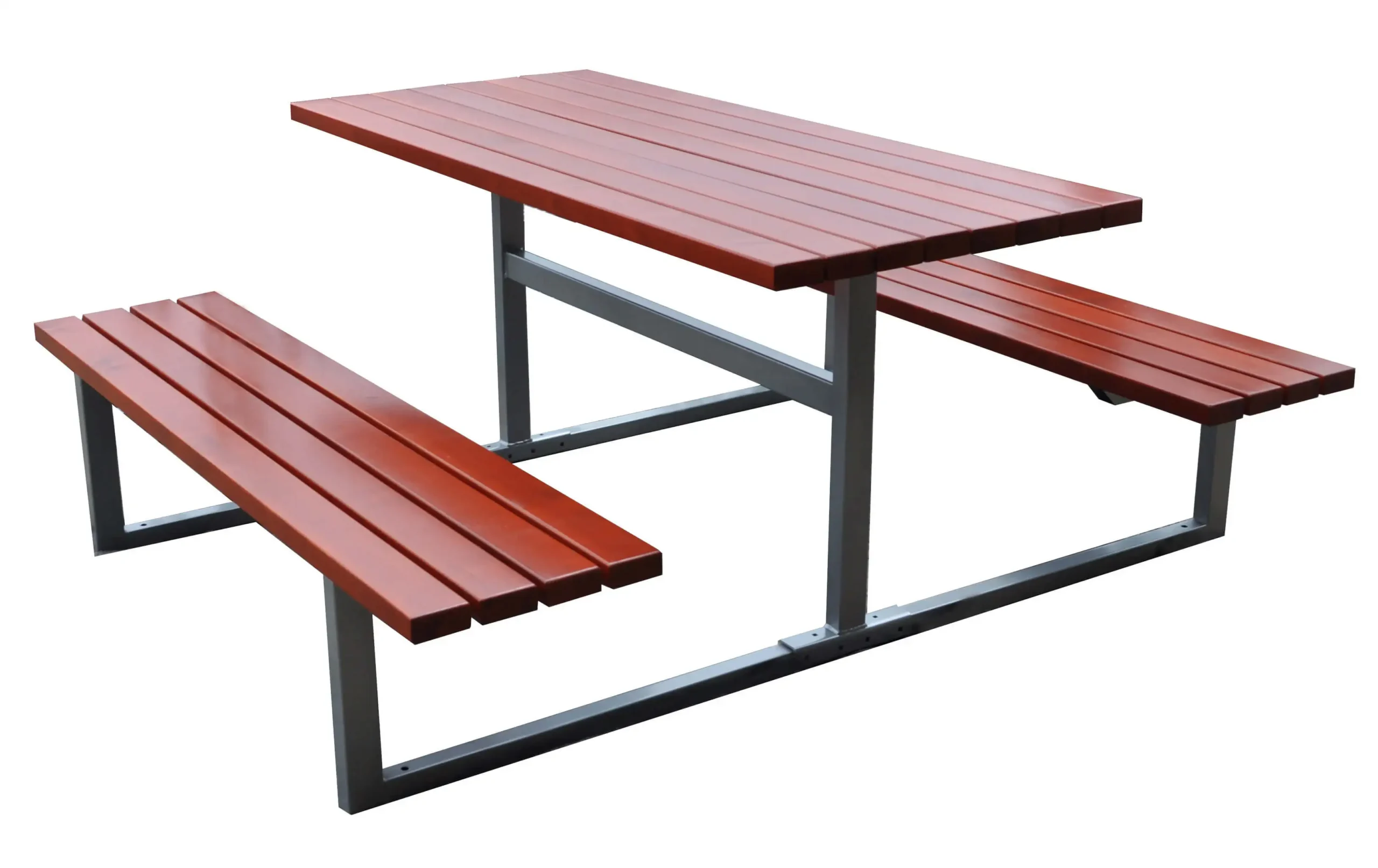
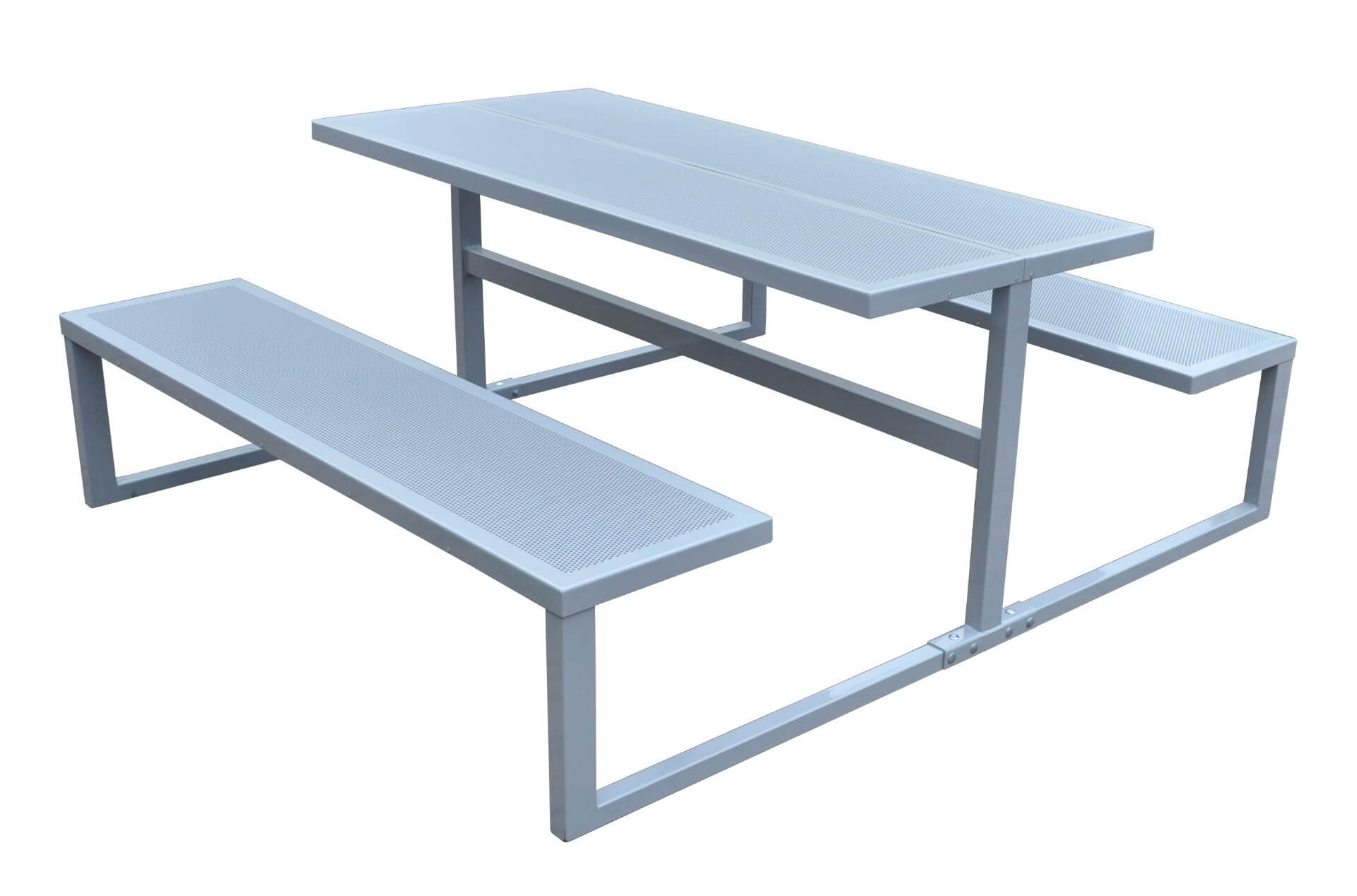
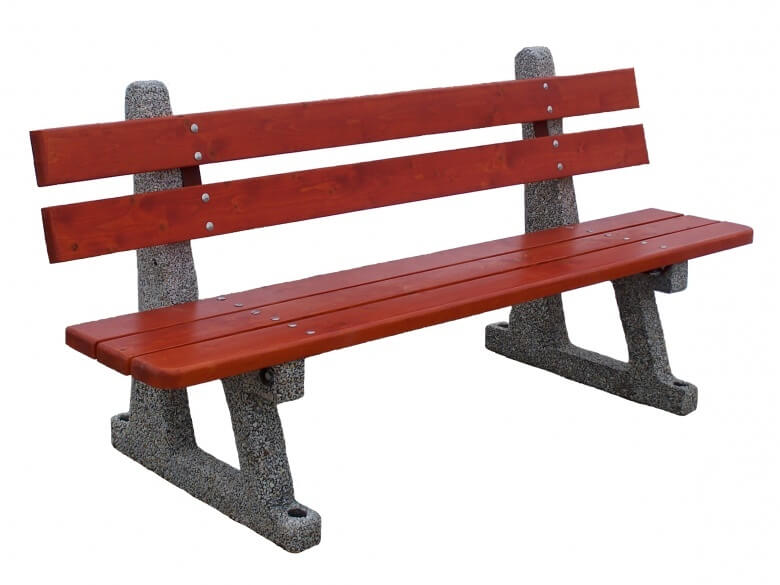
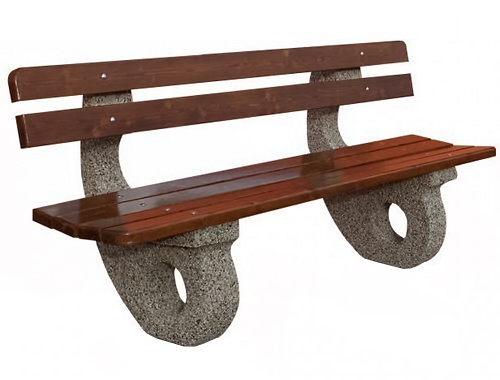
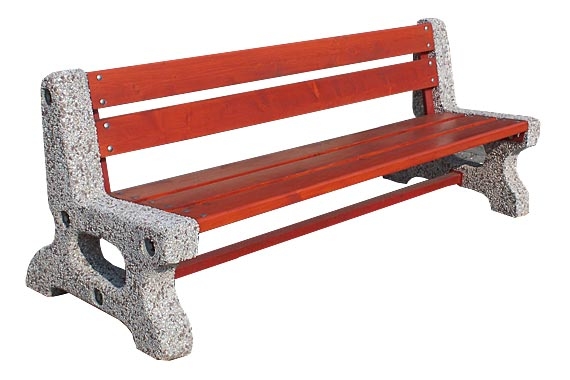
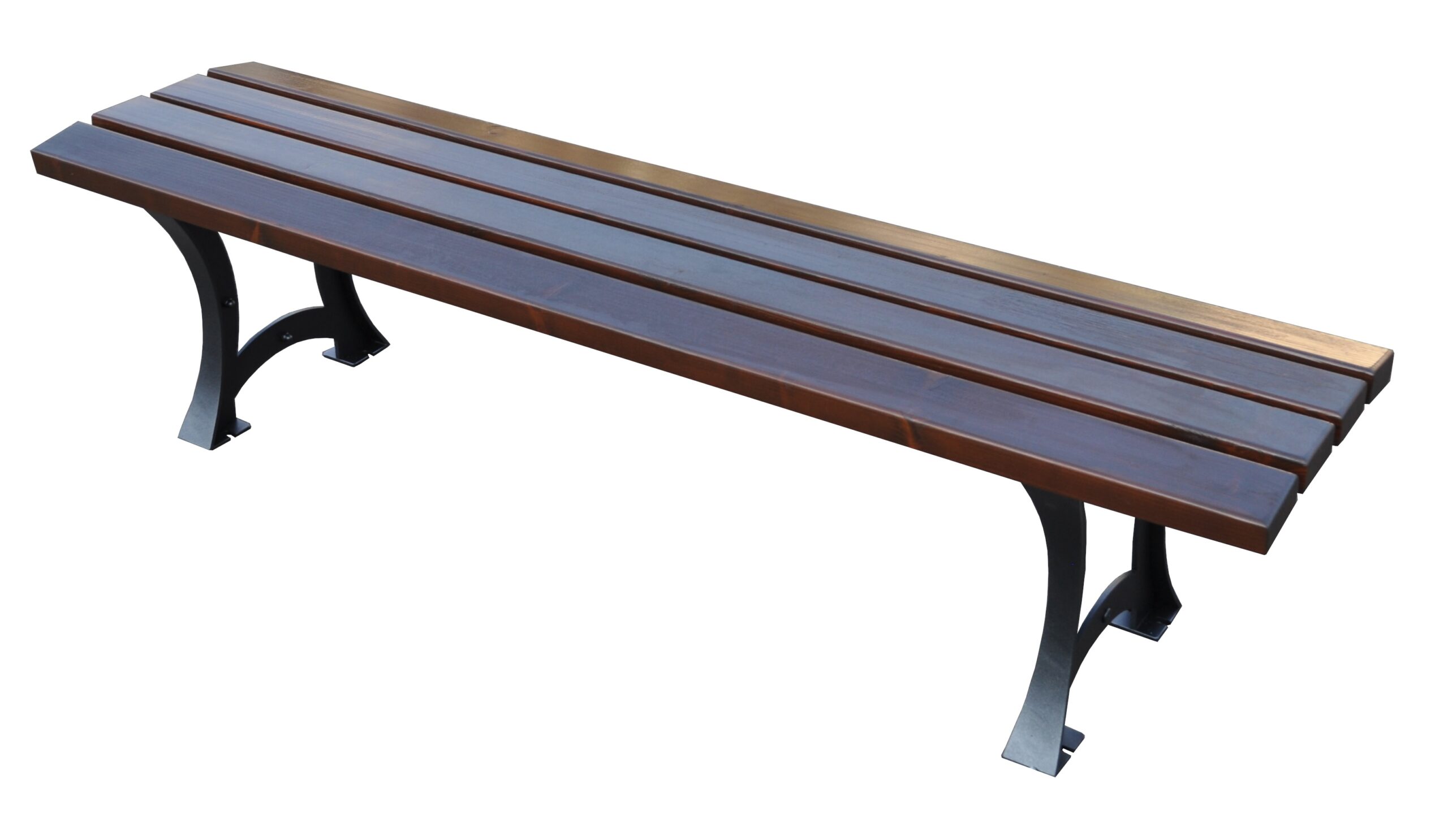
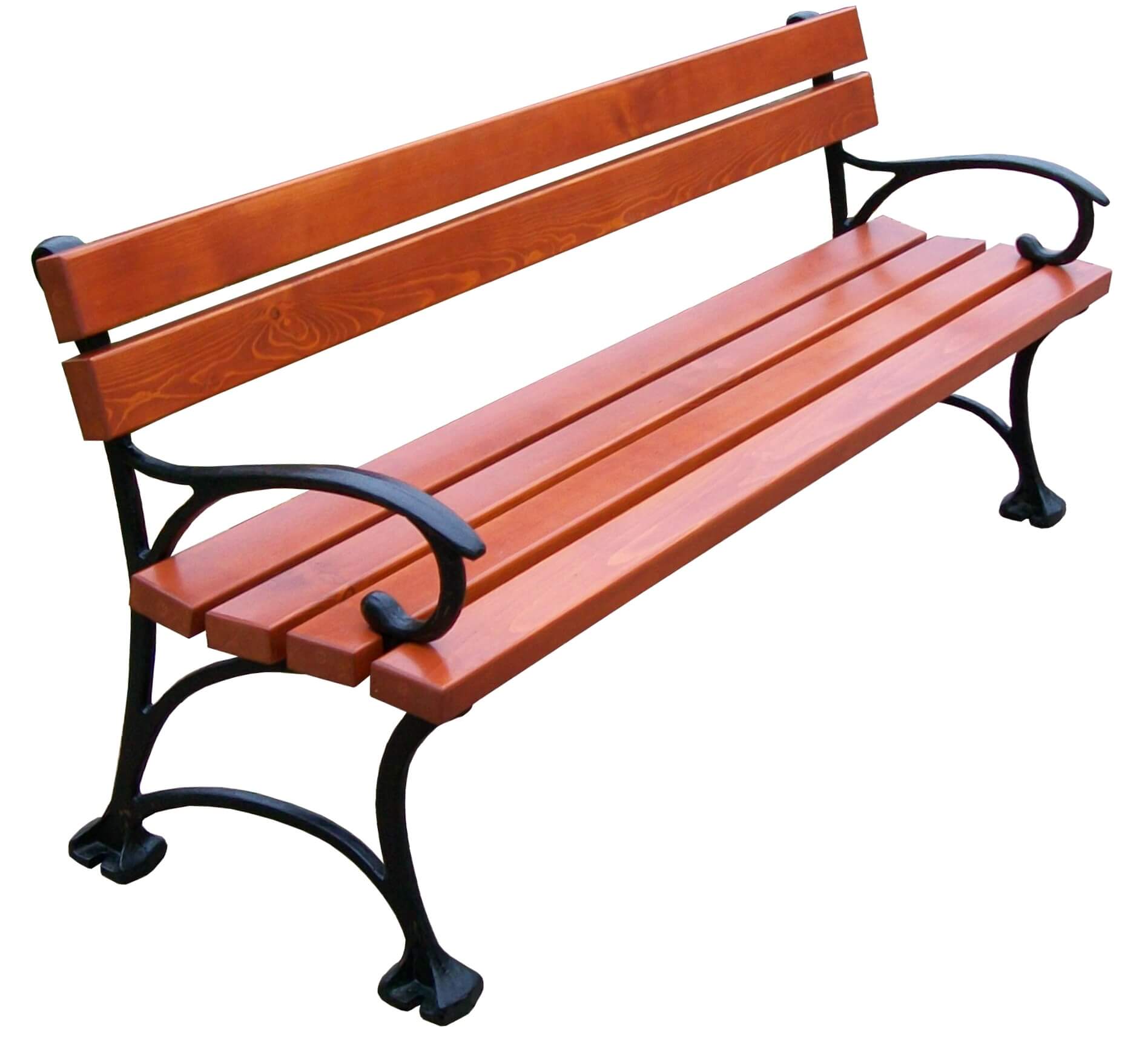
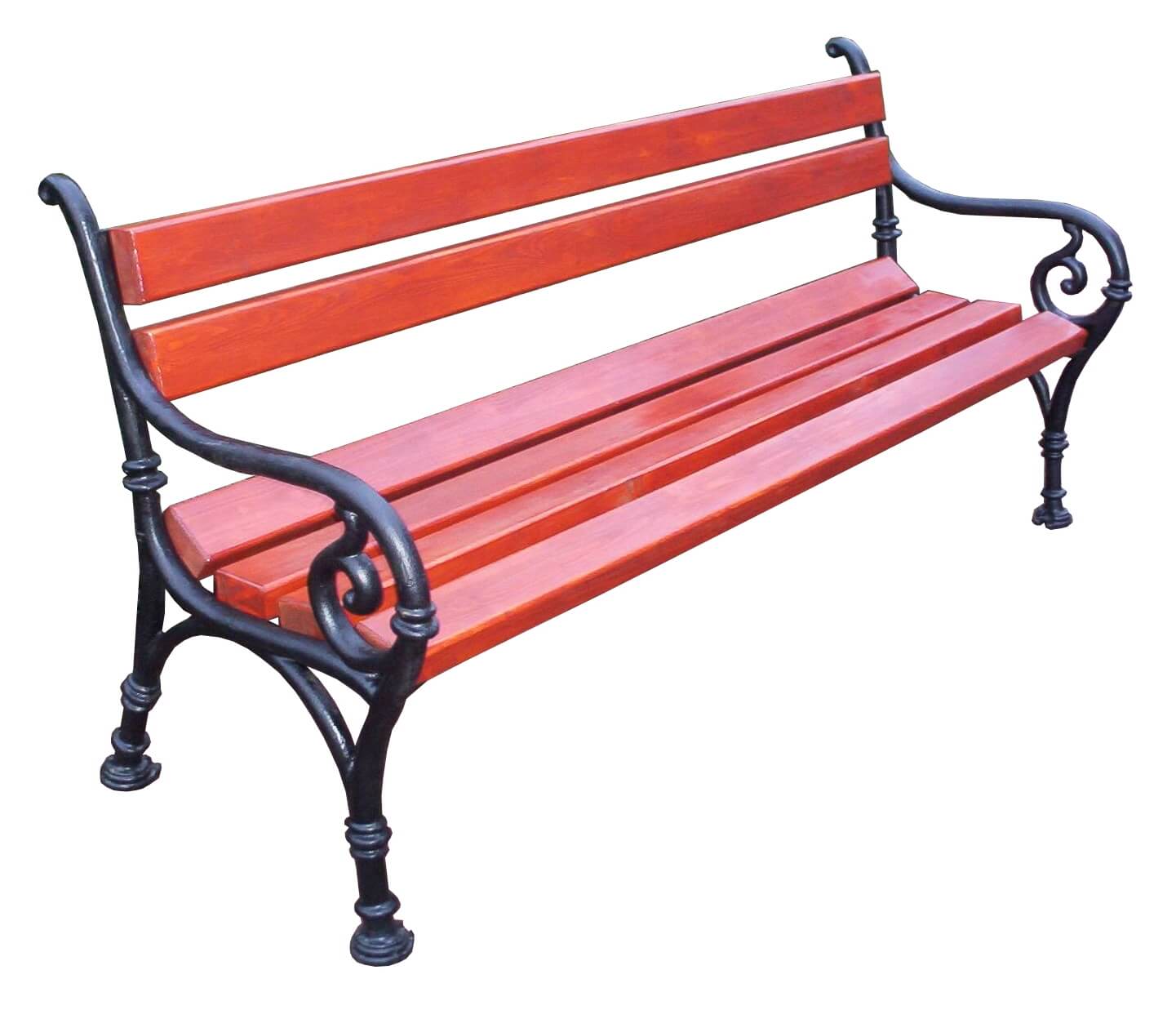
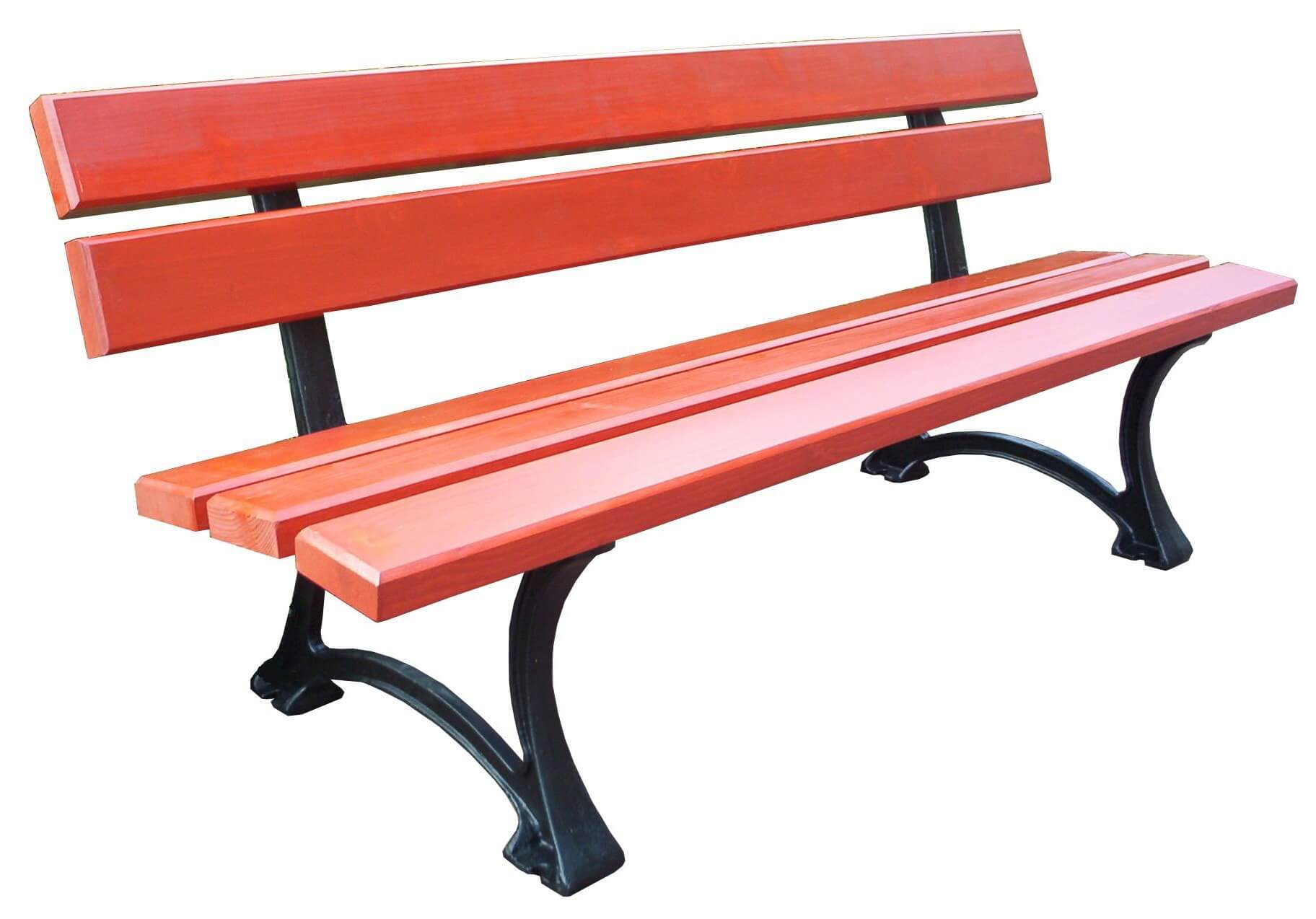
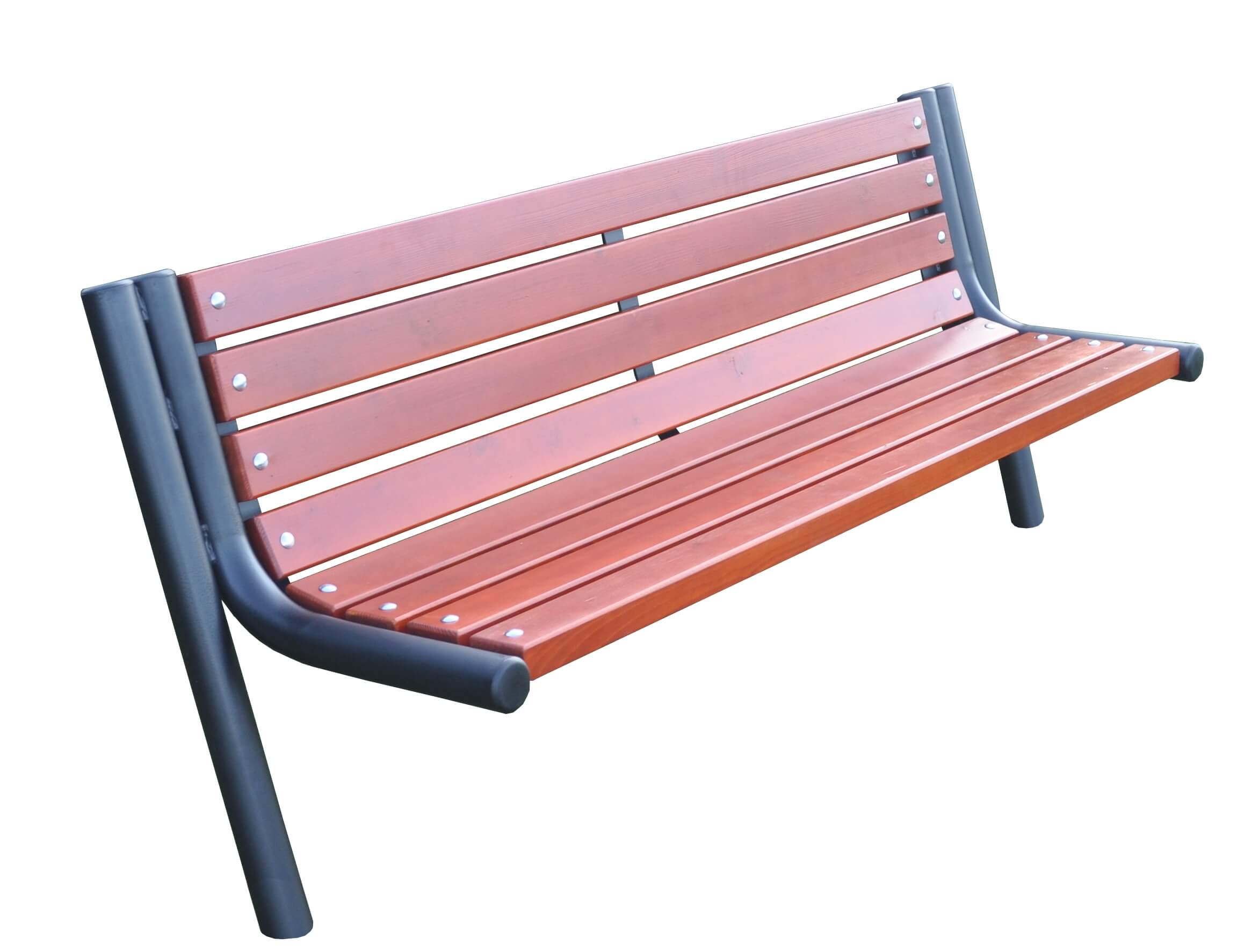
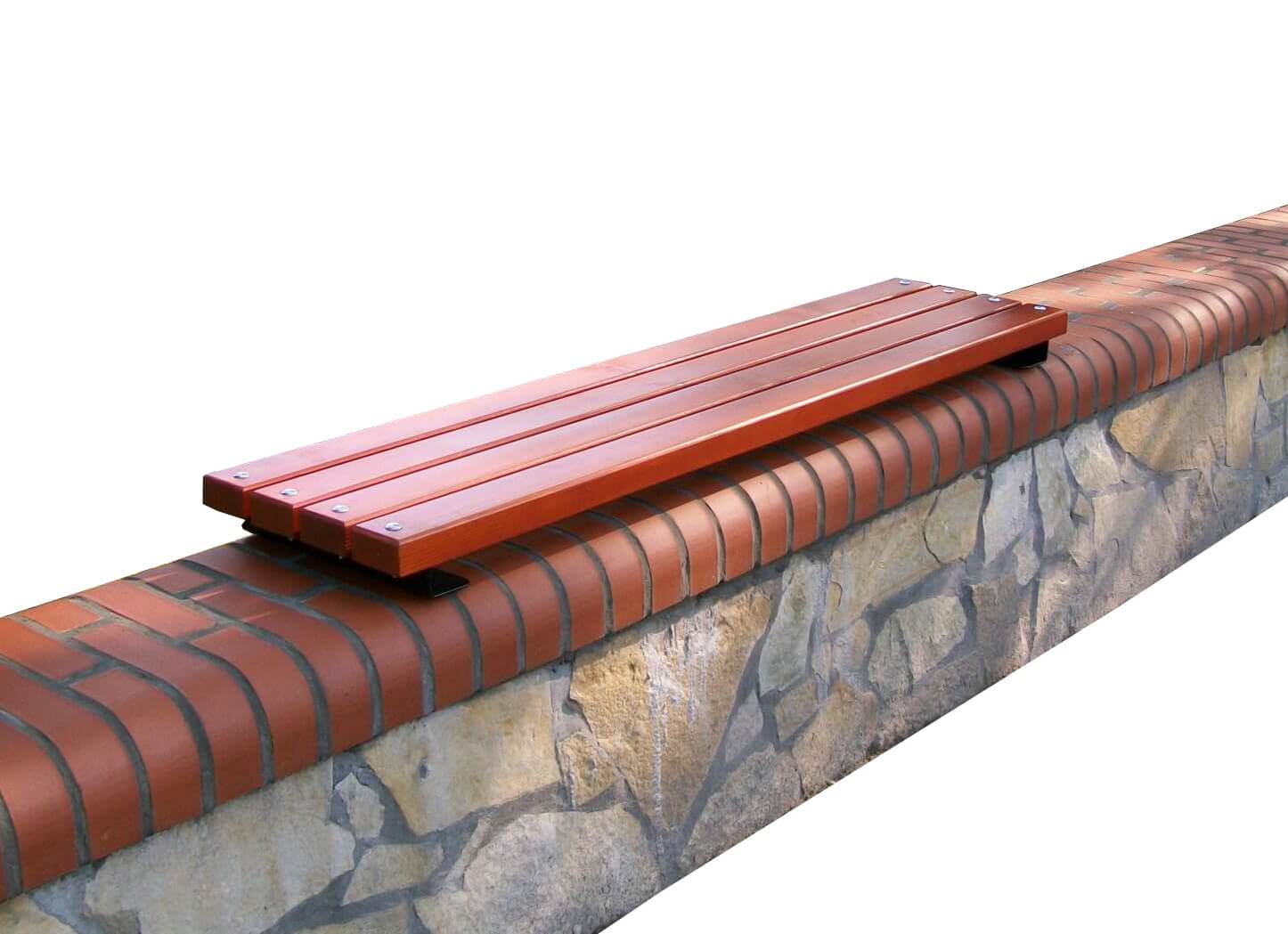
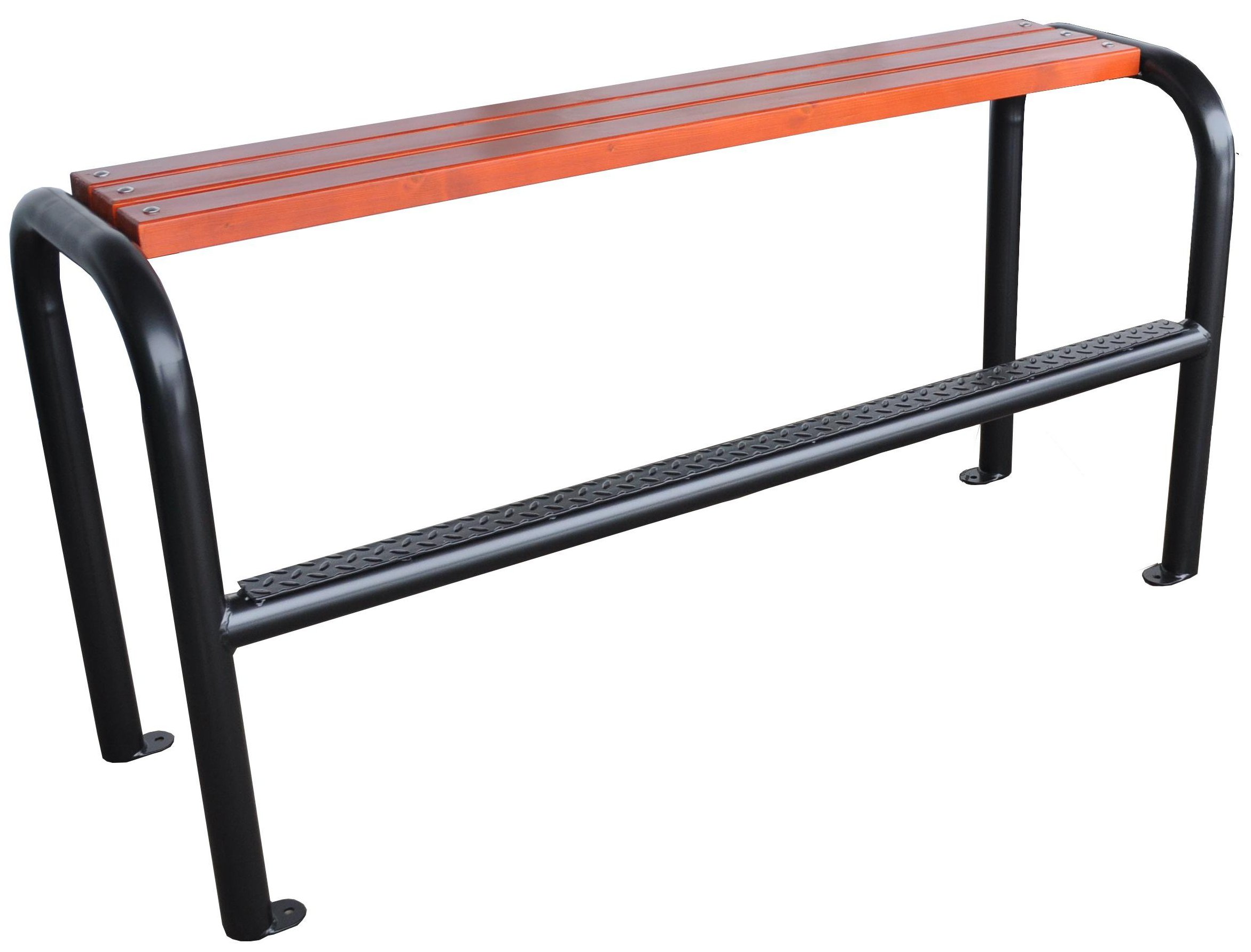
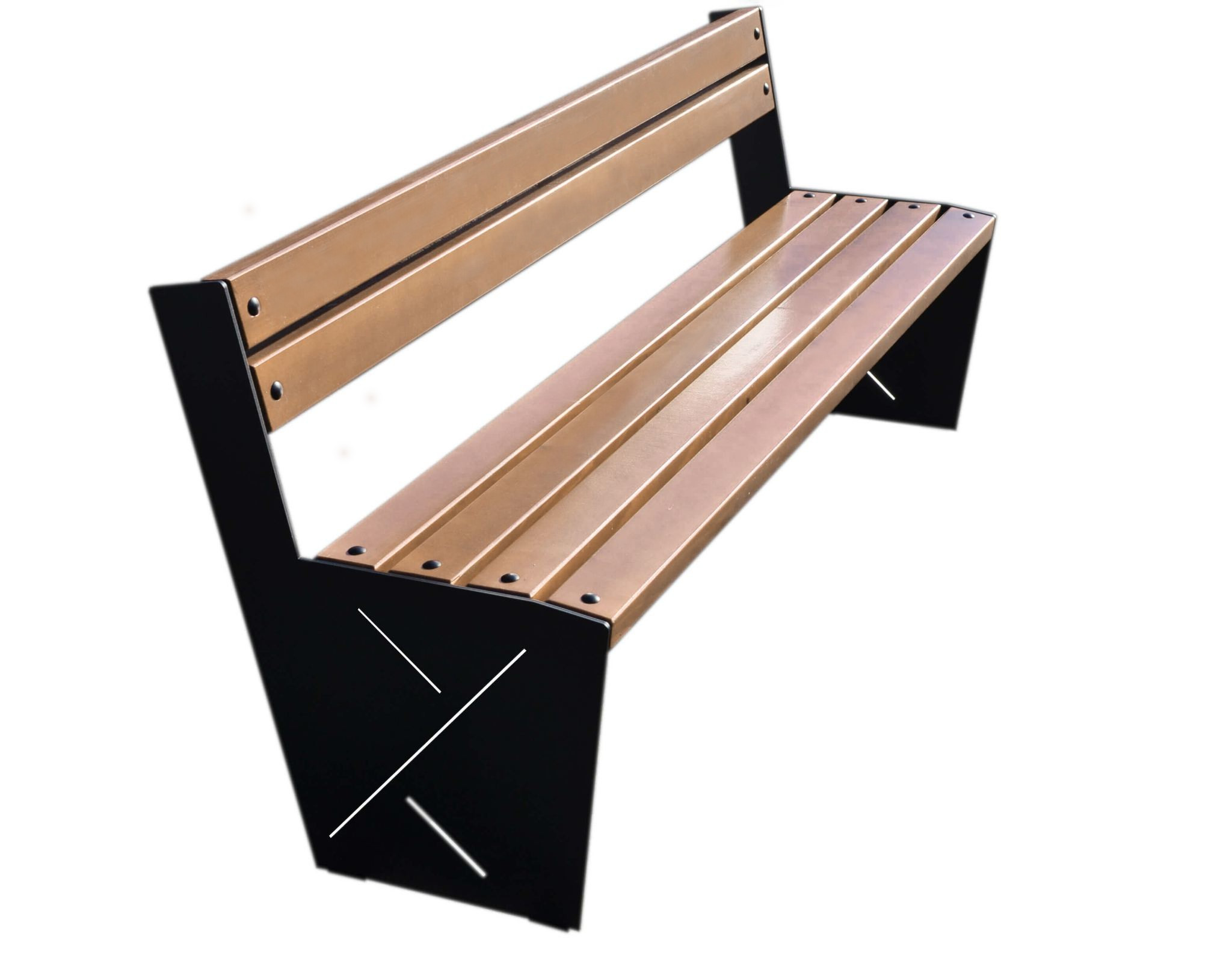
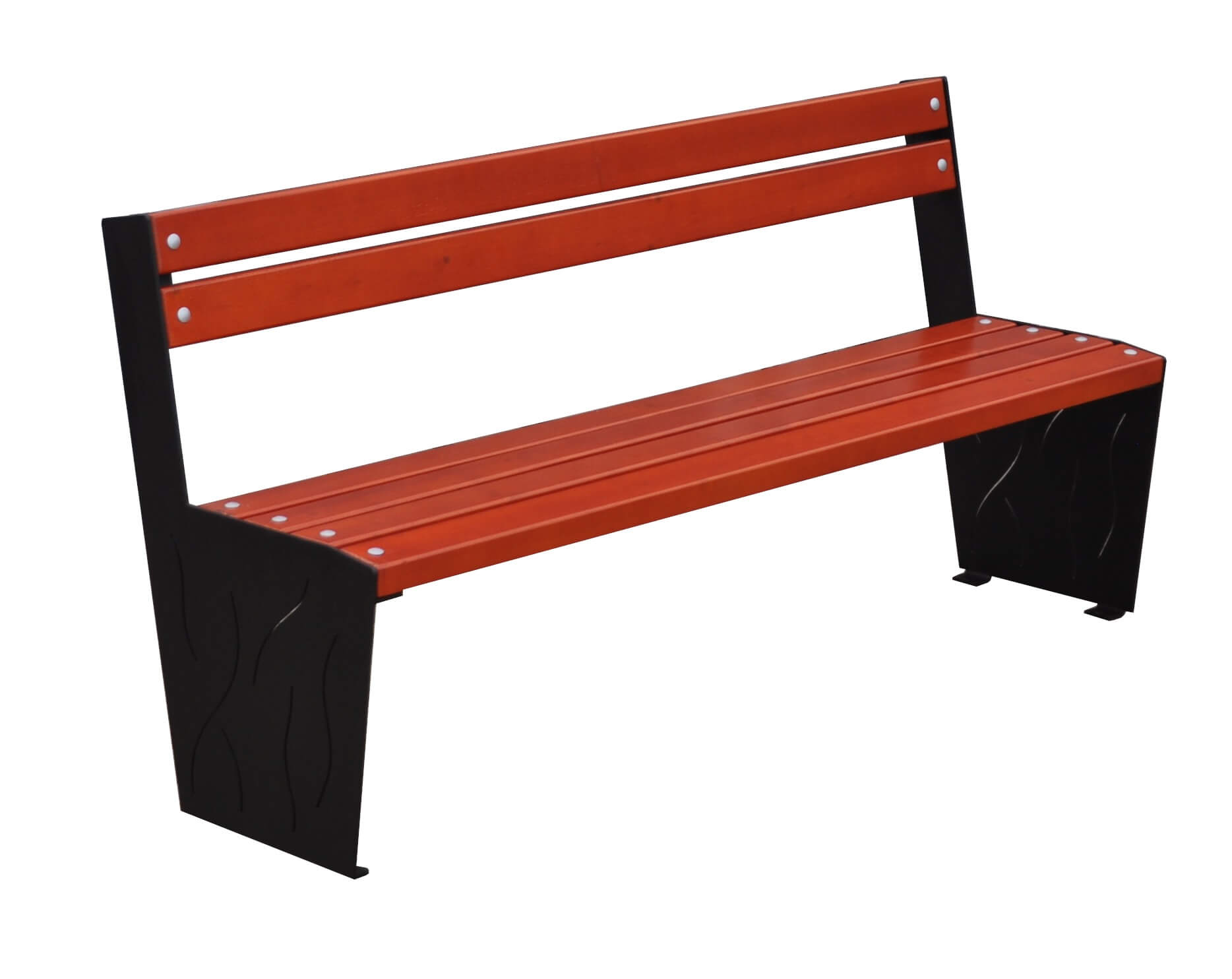
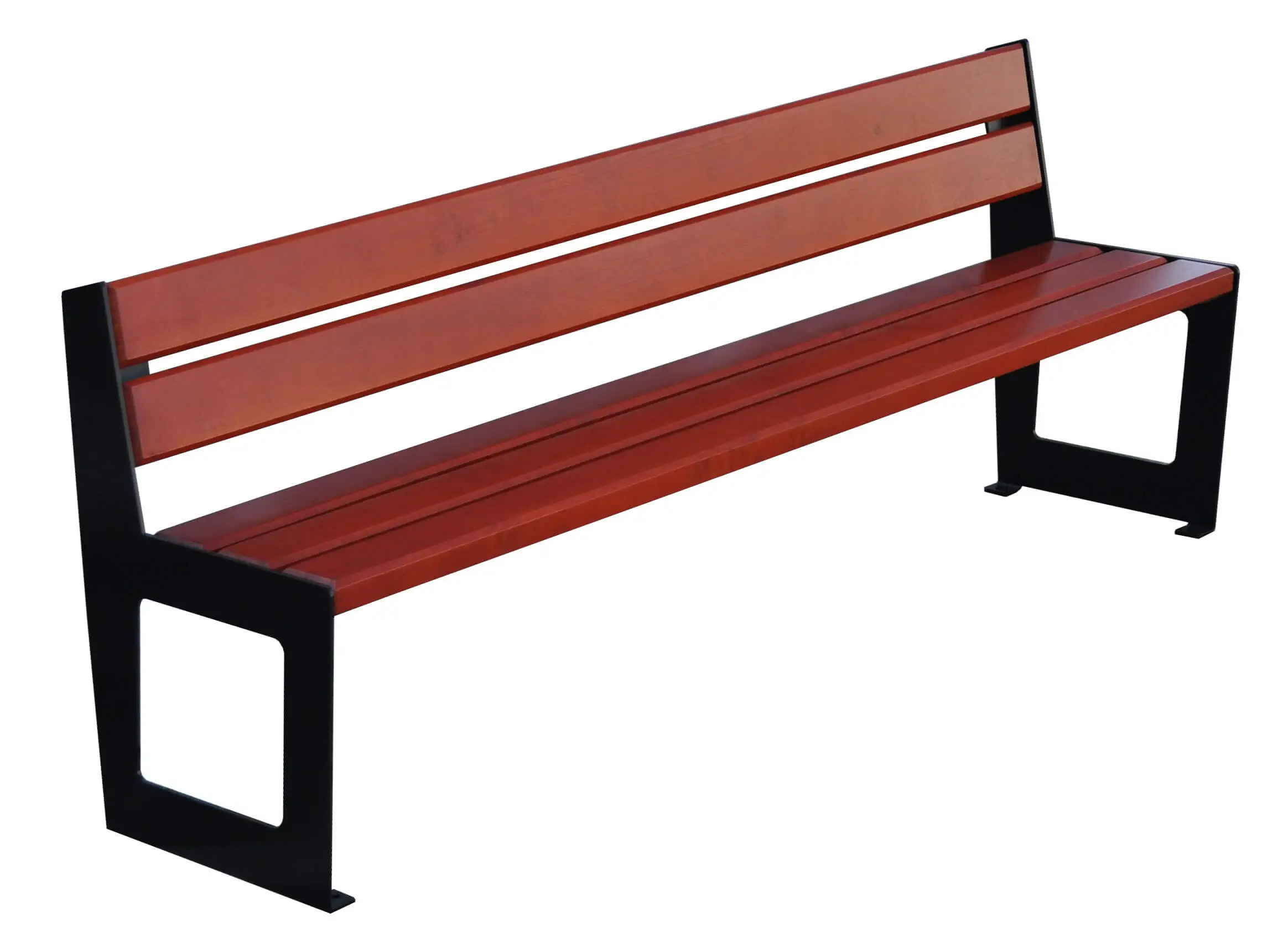
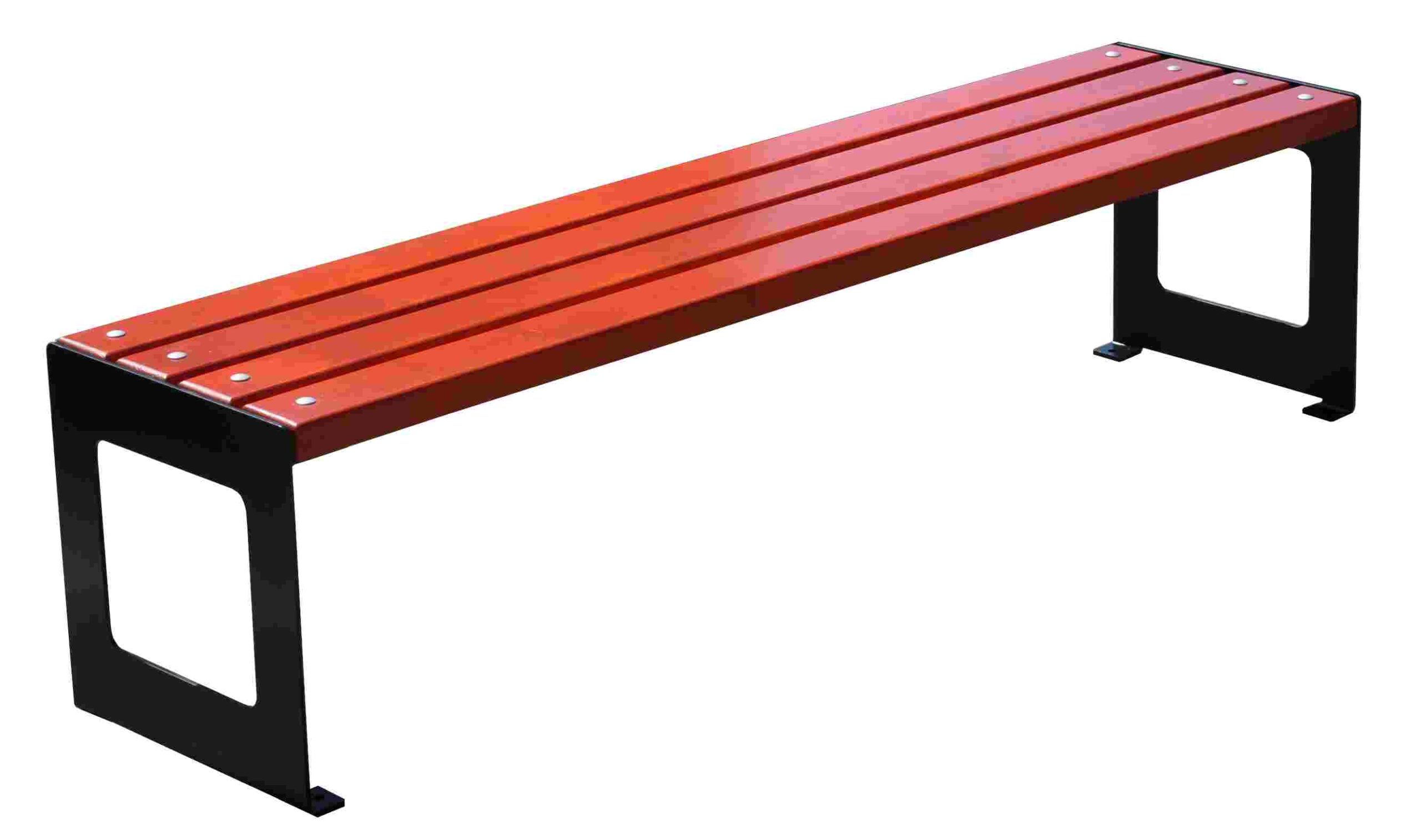
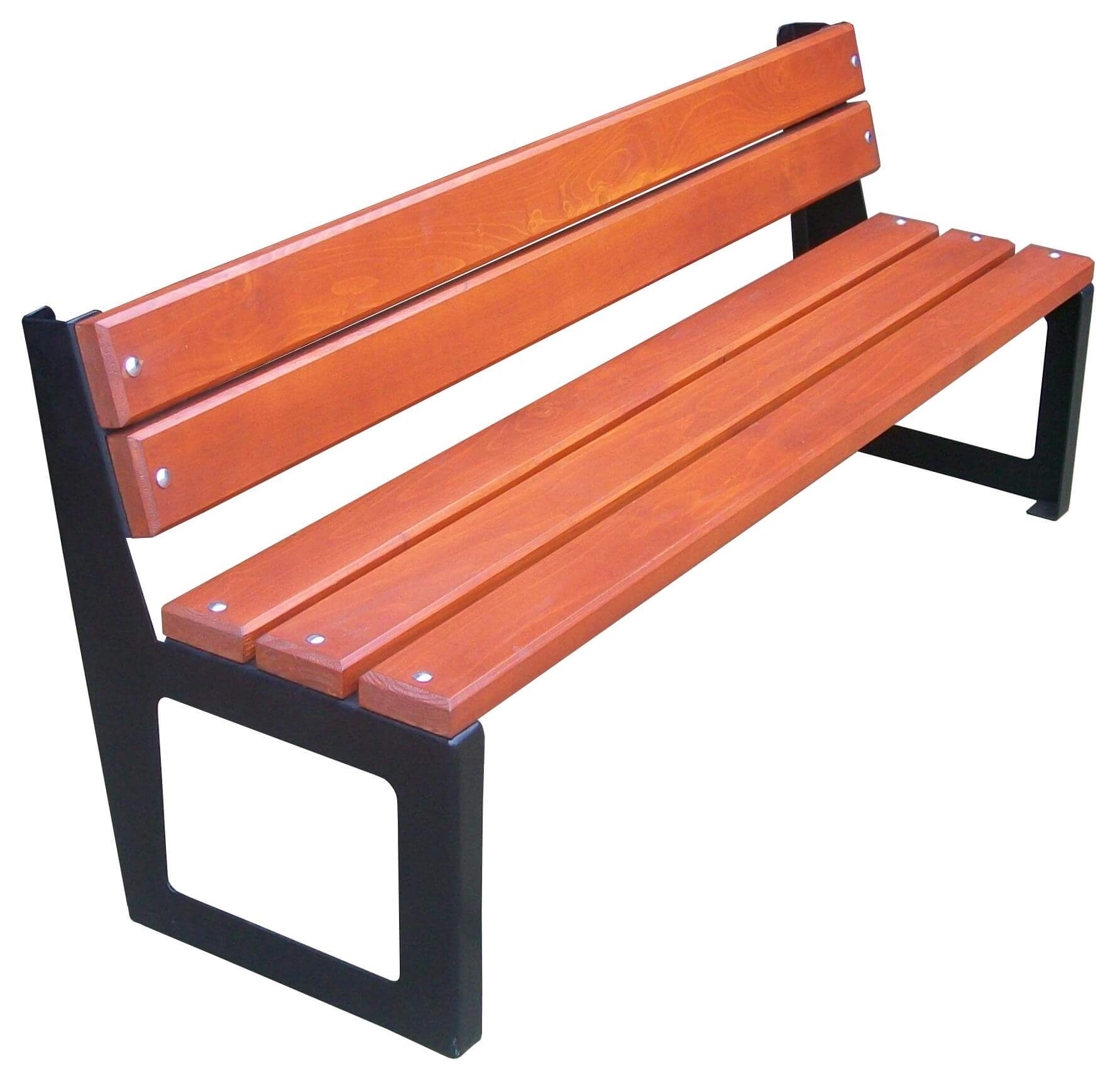
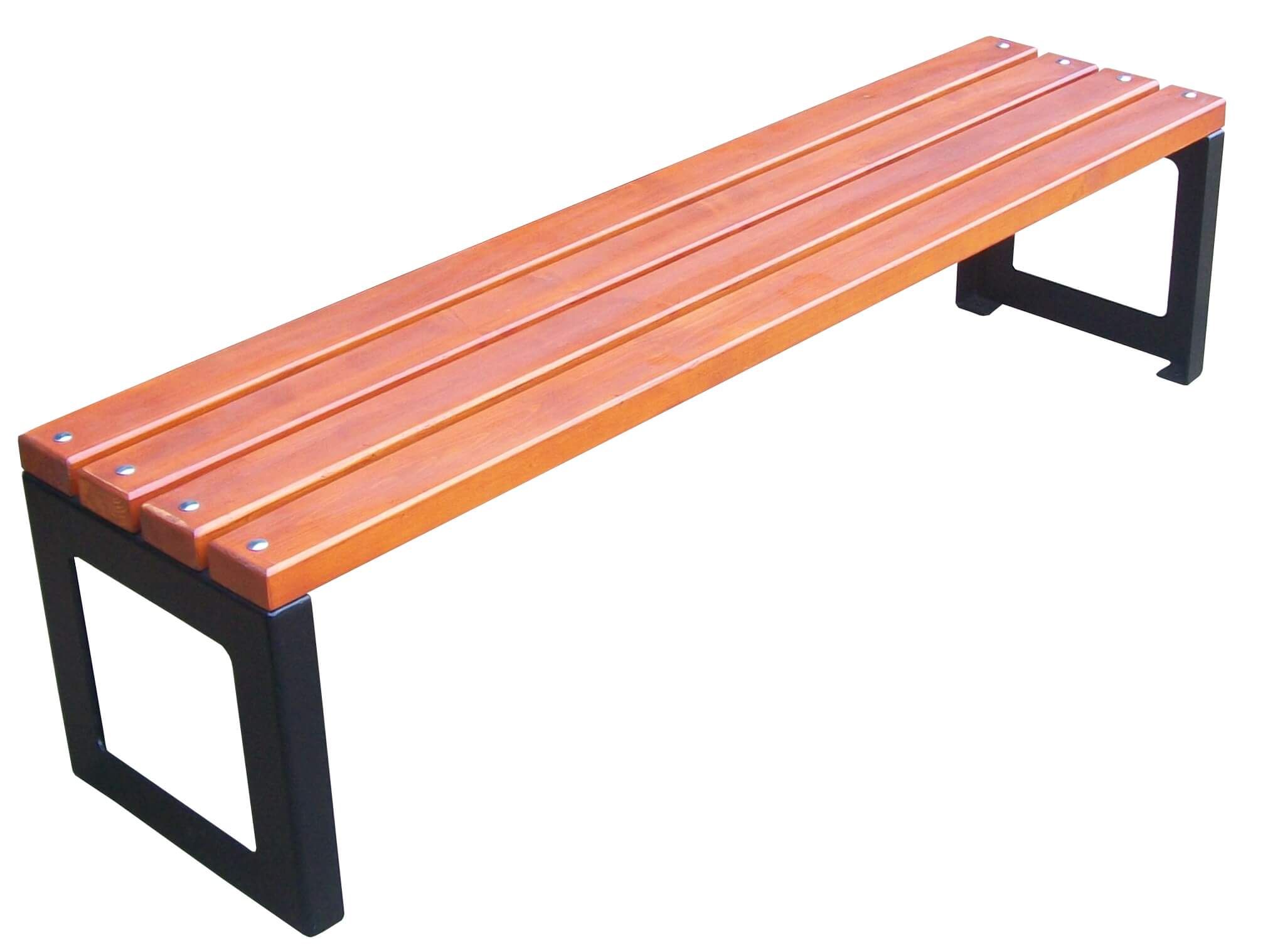
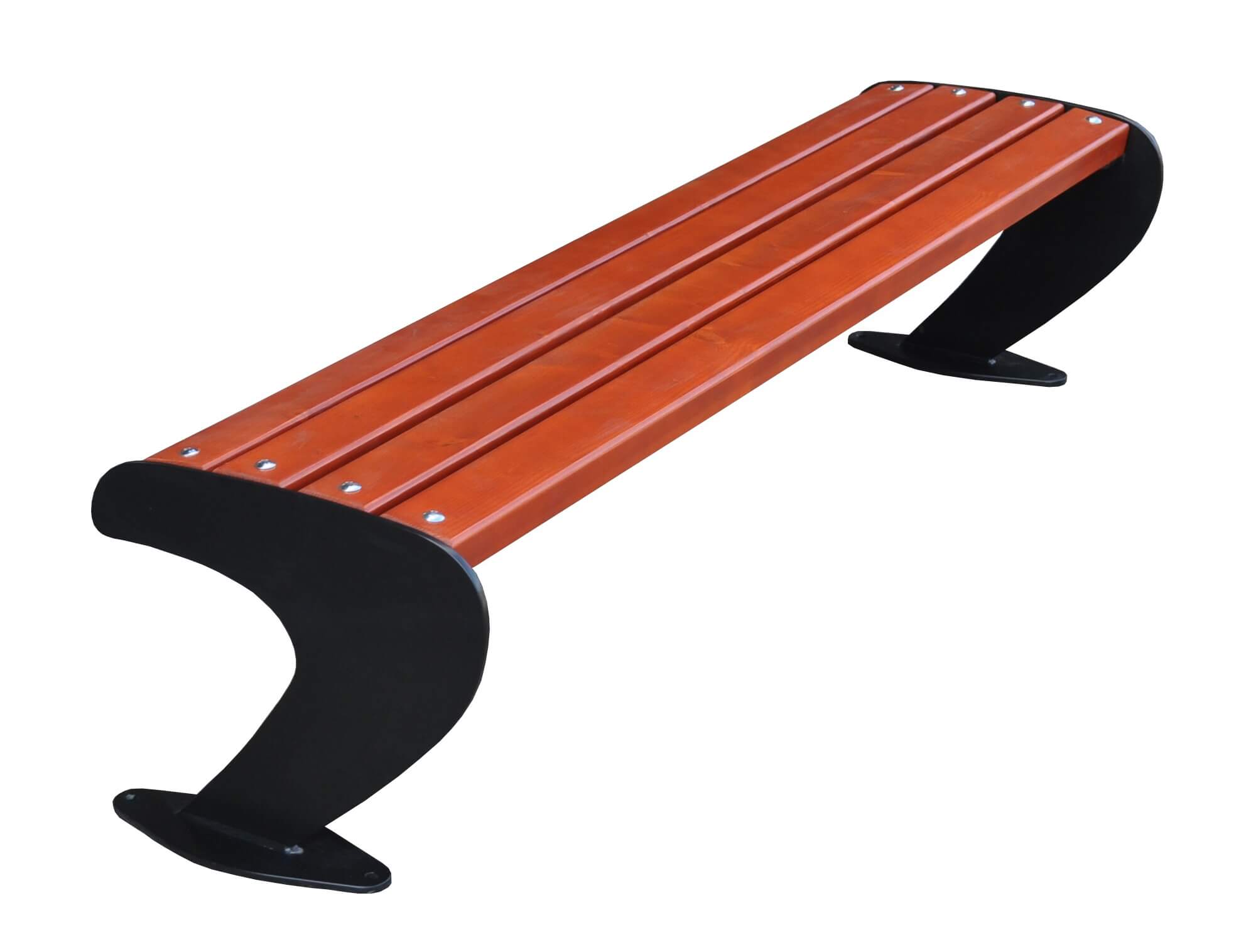
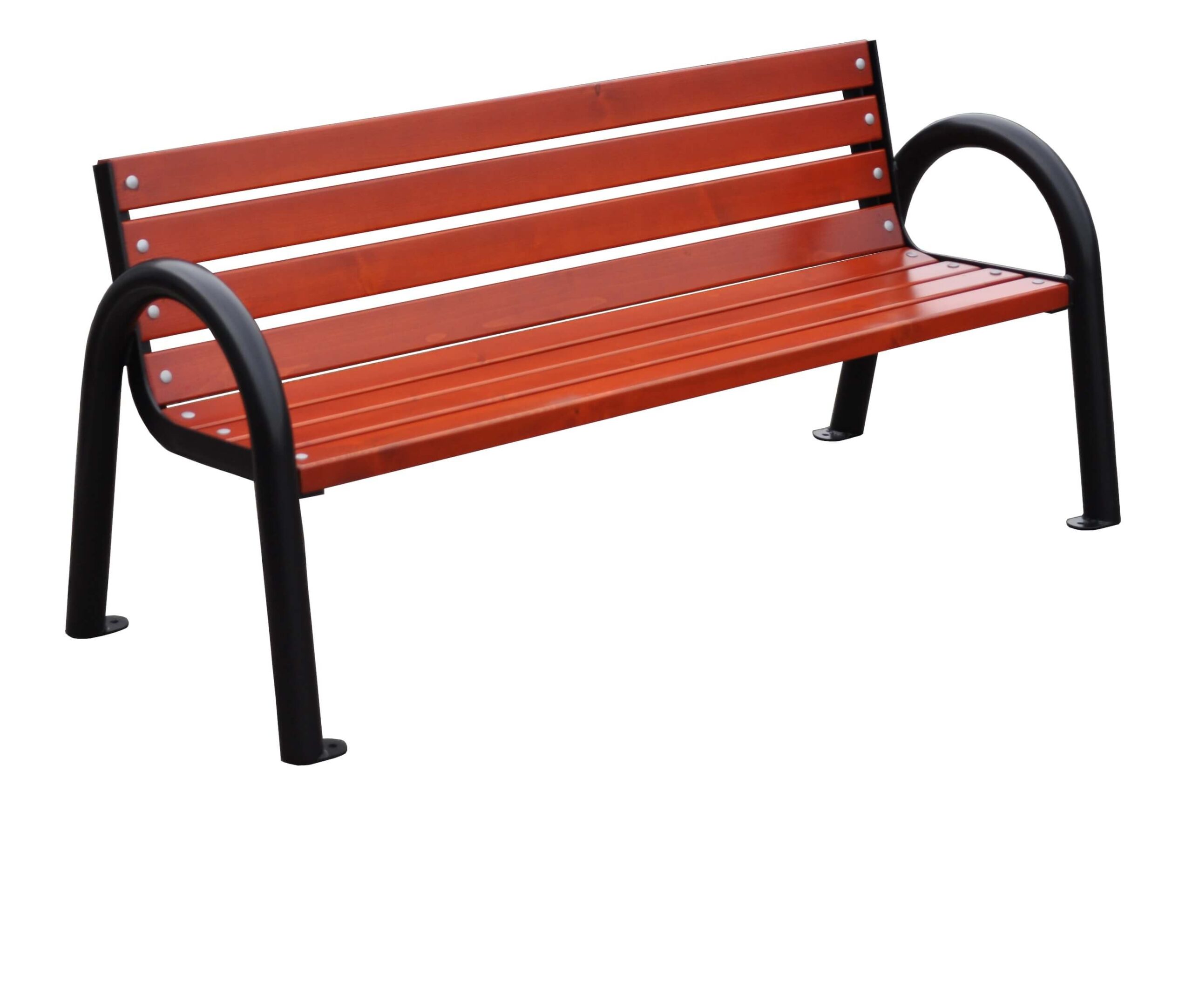
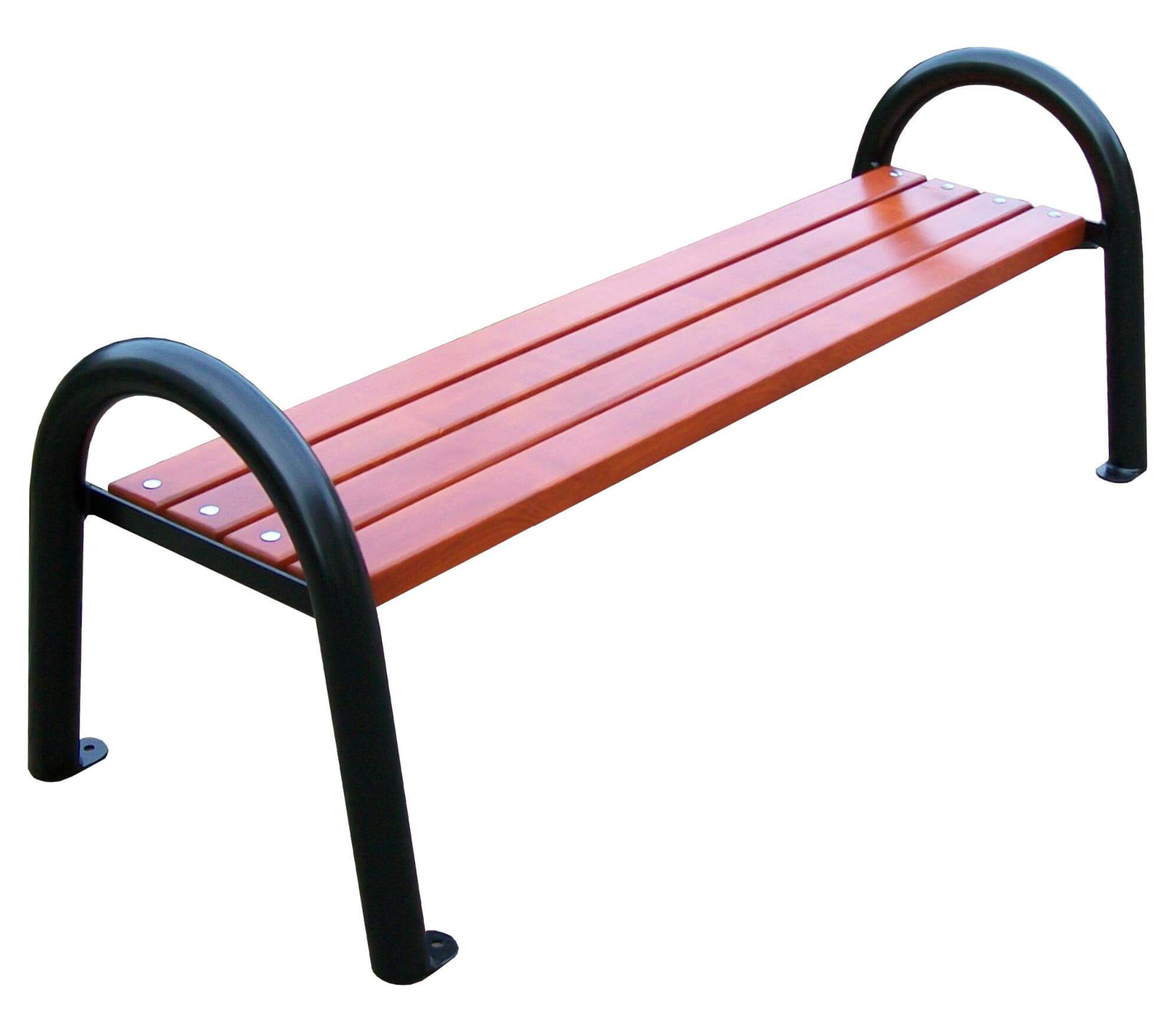
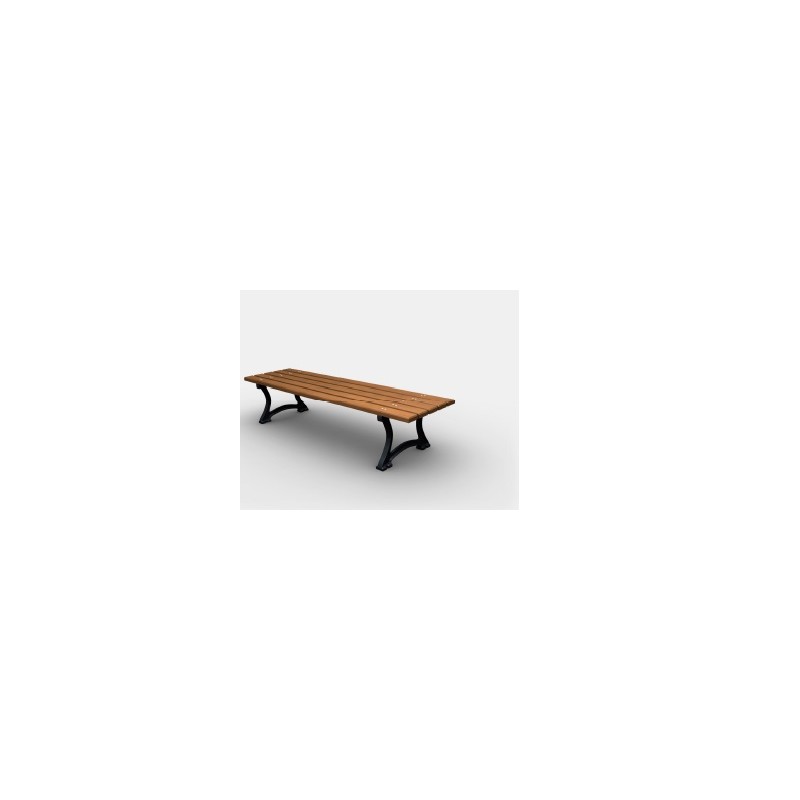
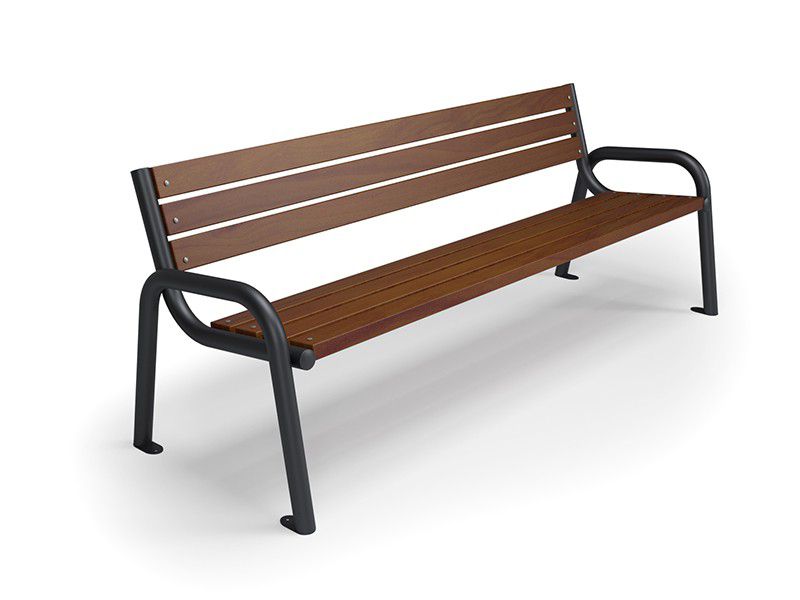
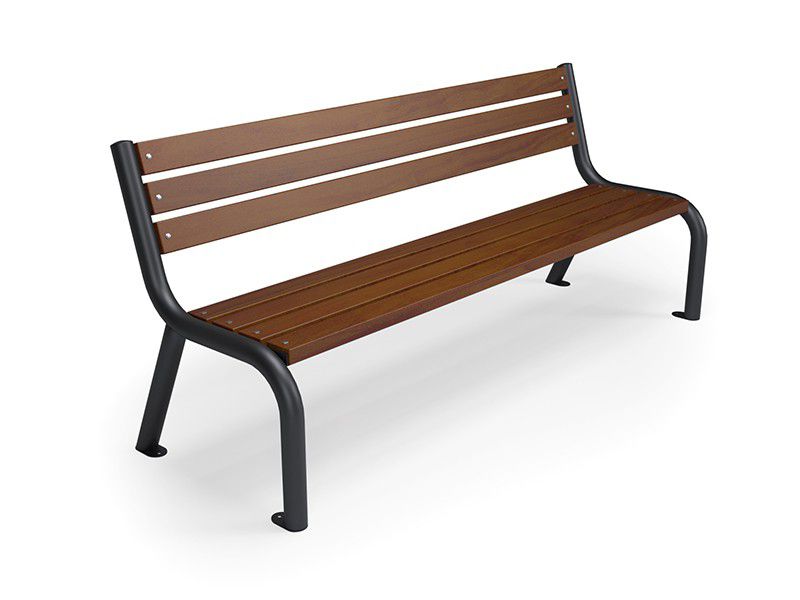
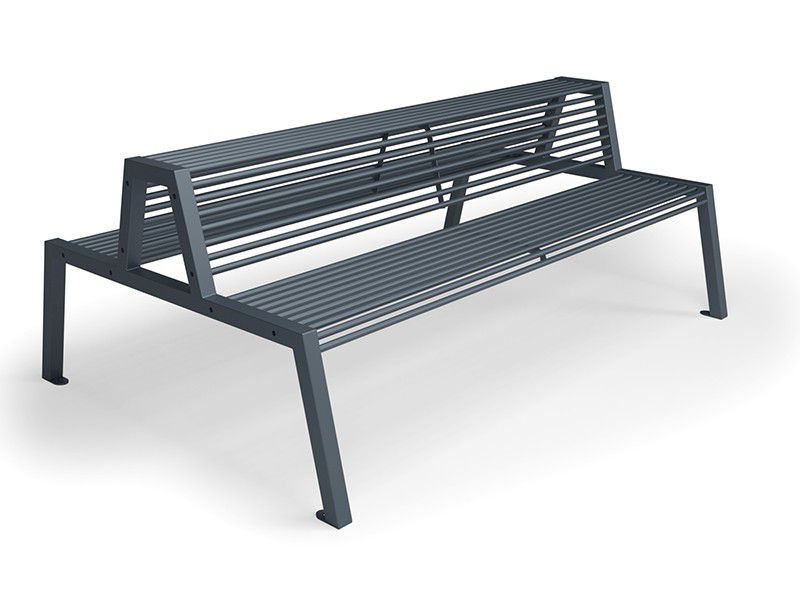
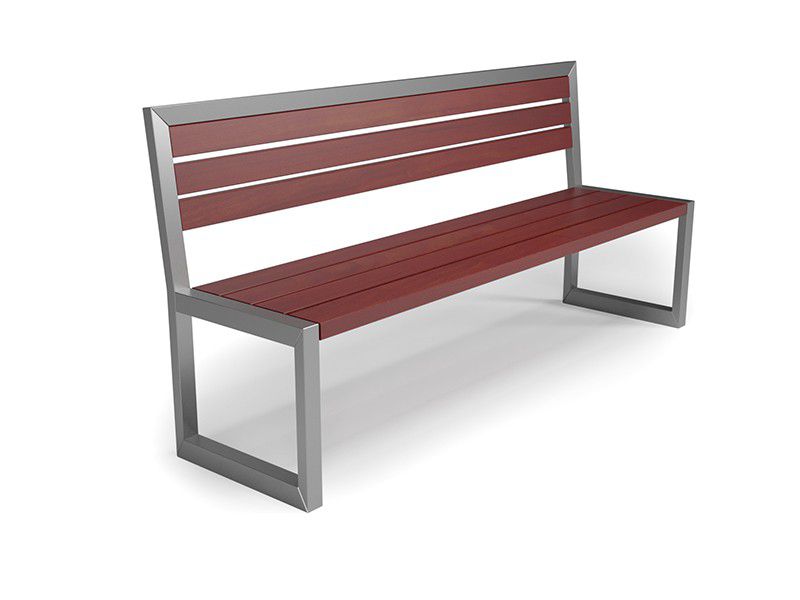
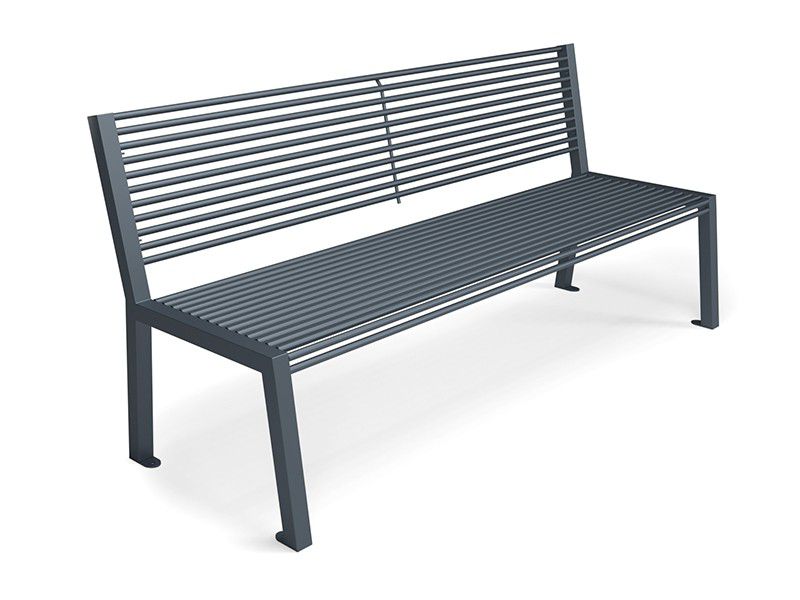
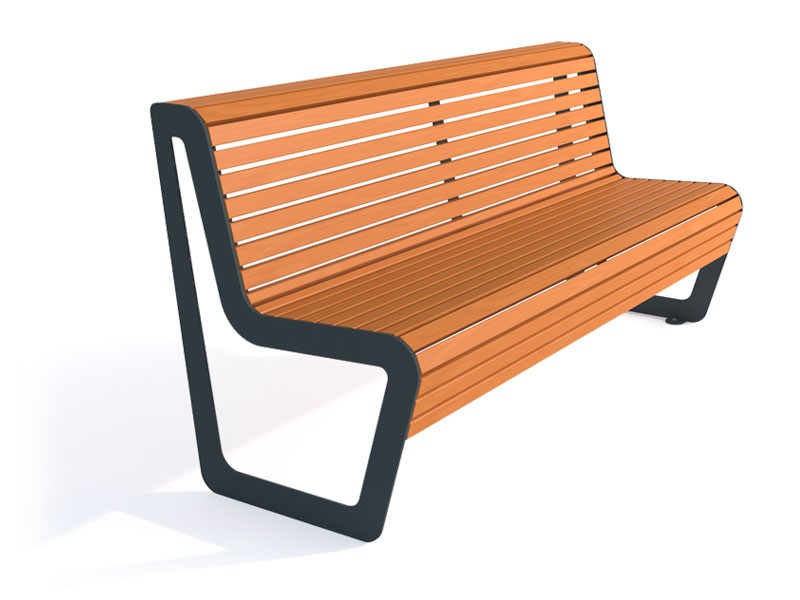
Park benches are among the most frequently ordered items of street furniture. They are available with or without a backrest, made of timber, metal or architectural concrete, and suited to the character of a park, square or housing estate.
The choice of model depends on how the space will be used. Benches with backrests work well for longer periods of rest, while backless models are more often used in transit areas. We can advise on the right material for local weather conditions.
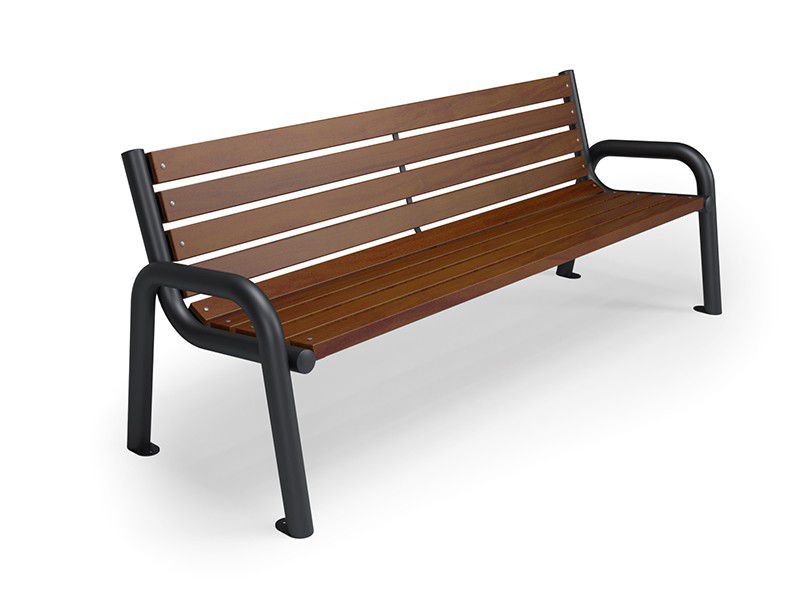
Our benches are permanently installed, with the frame anchored to the ground or to a pad foundation. This reduces the risk of theft and vandalism in public spaces. The range includes vandal-resistant models with composite slat or cast-iron seats, recommended for high-footfall locations, as well as versions with backrests and armrests that offer greater comfort for older people.
In practice, a bench's structural frame, usually cast iron or steel, affects its durability even more than the seat material. The frame carries the entire load and keeps the bench in shape over years of use. Although cast iron is heavier, it resists deformation better than bent steel, which is why it is often chosen for locations with a high standard of finish.
A timber slatted seat remains the most versatile choice for comfort. Timber does not heat up in the sun as much as metal does, which matters in summer when a bench stands in an open, unshaded area. Composite slats are an alternative: they combine the look of timber with the resistance of plastic to moisture and pests, and they do not need regular treatment with preservative.
Architectural concrete benches are a very different solution. They are massive, virtually maintenance-free and almost impossible to move or steal. This makes them a popular choice for busy public spaces with a higher risk of vandalism, such as railway stations or large city squares.
The installation method has a direct effect on how securely a bench stays in place. Anchoring to a pad foundation or directly into a concrete surface reduces the risk of the bench being moved, knocked over or stolen. This is especially important in publicly accessible areas without permanent supervision.
When planning where to place benches in a park or square, consider natural walking routes and spots with good views. Good locations include areas near playgrounds, viewpoints and shaded paths, where residents are most likely to stop for longer. Spacing benches evenly along the whole route, rather than grouping them in one place, makes the entire space more comfortable to use.
The cost of keeping a bench in good condition depends mainly on the seat material. Timber needs its preservative renewed from time to time. Metal mainly needs its paint coating checked for scratches and signs of corrosion. Concrete needs practically no maintenance apart from occasionally cleaning dirt and graffiti off the surface.


Contact
Need help choosing?
If you are not sure which solution is right for your space, please contact us. We will help you choose products tailored to your needs.