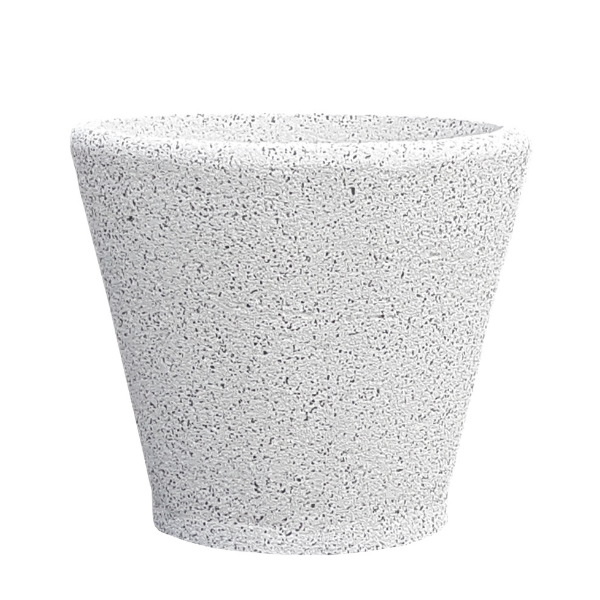
Round
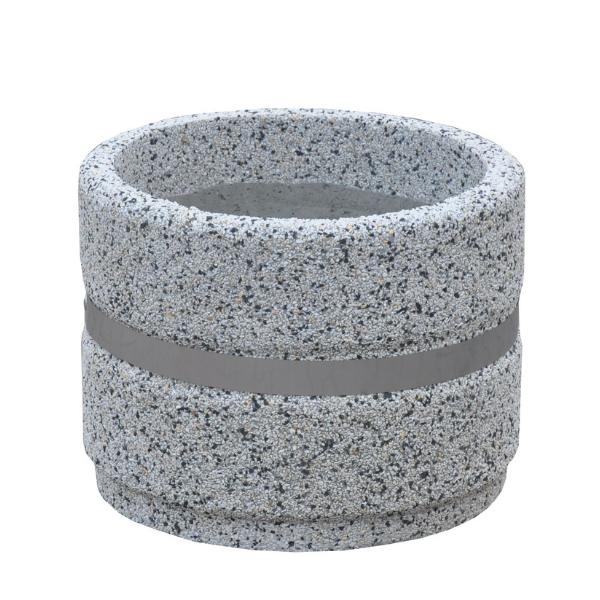
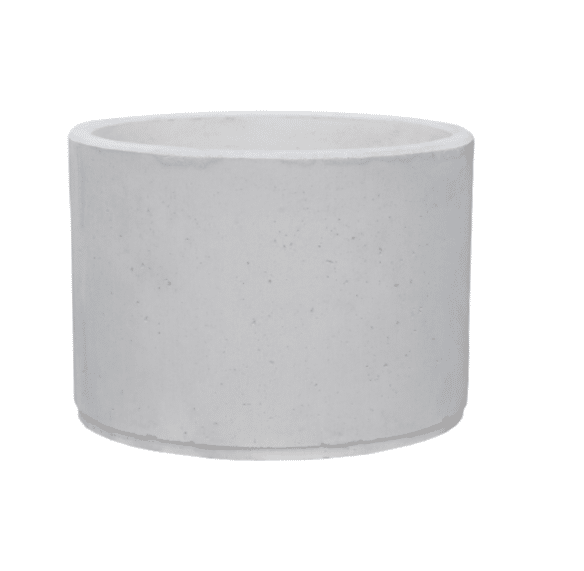
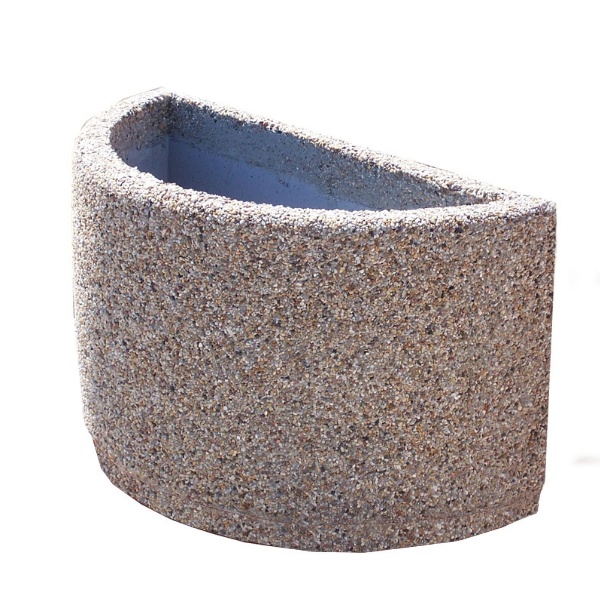
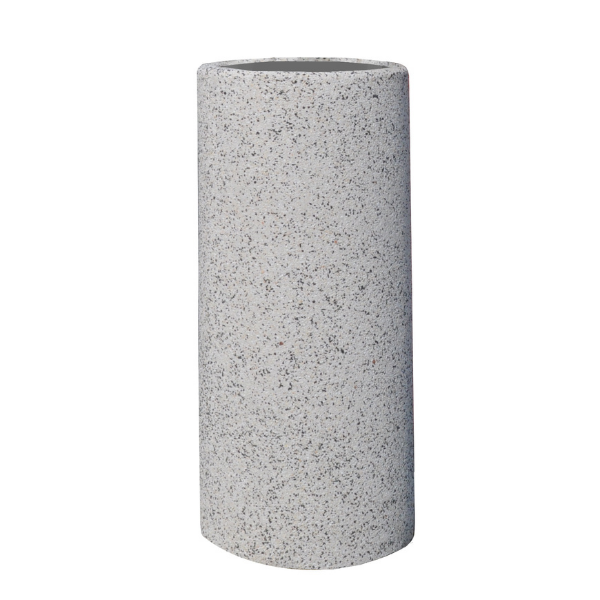
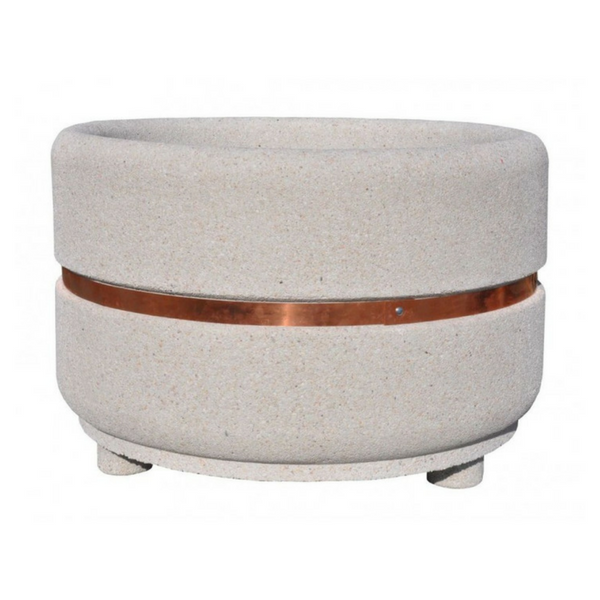
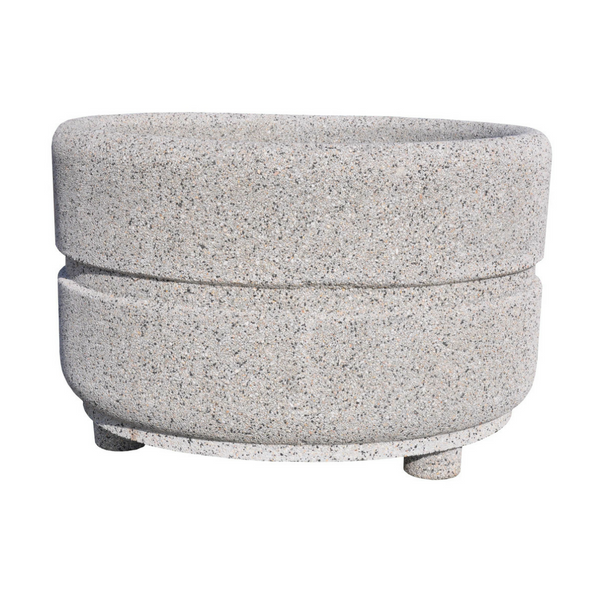
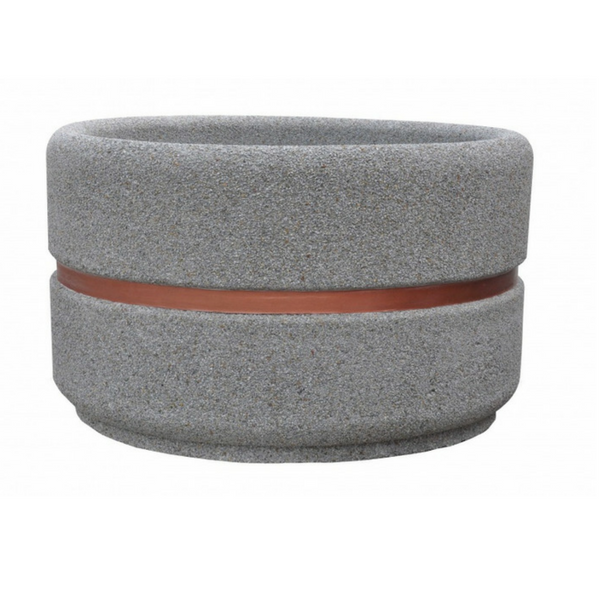
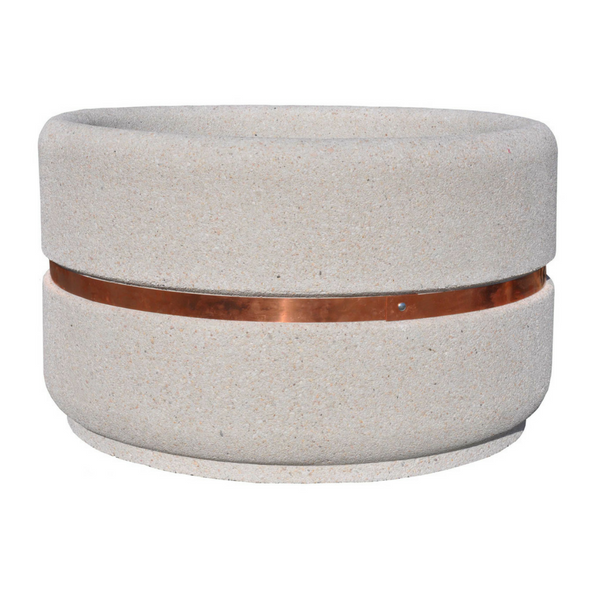
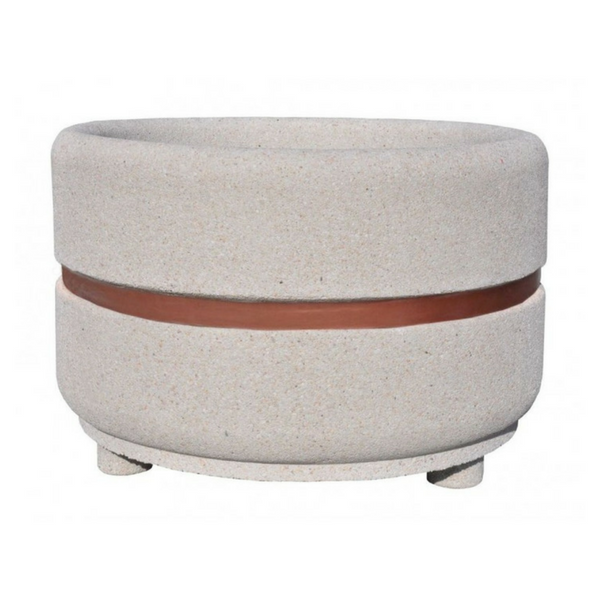
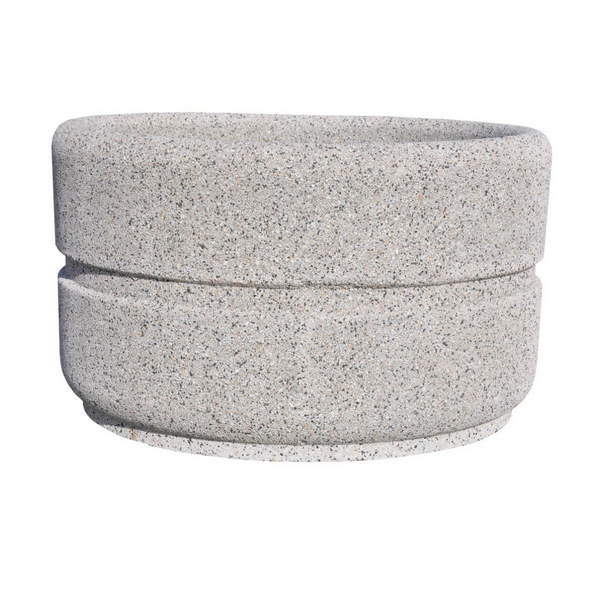
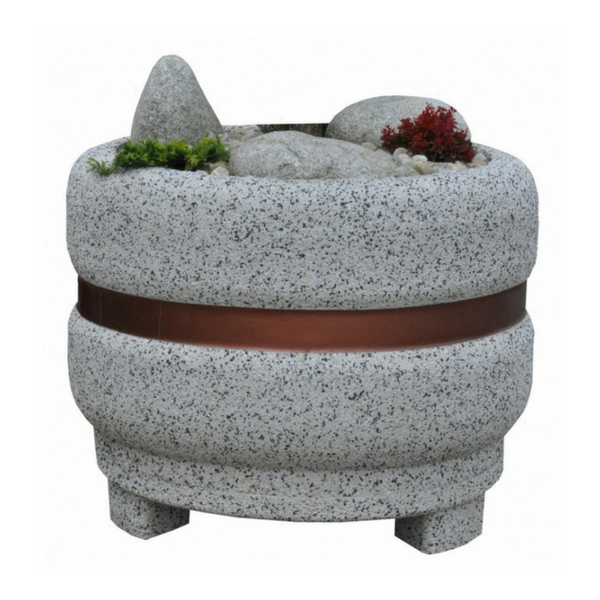
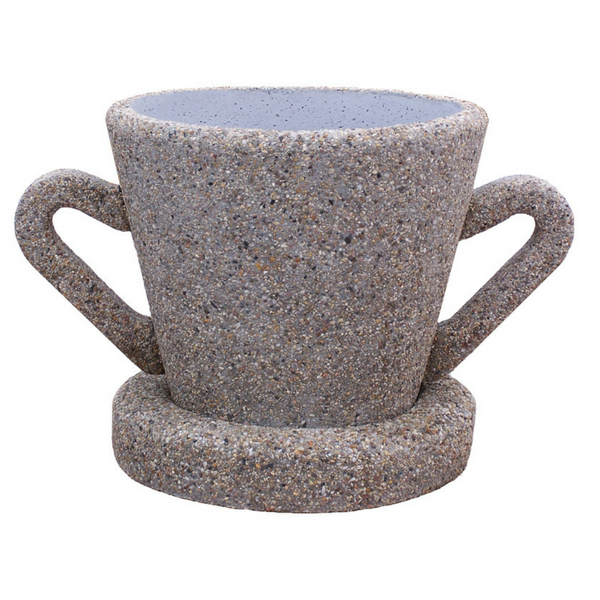
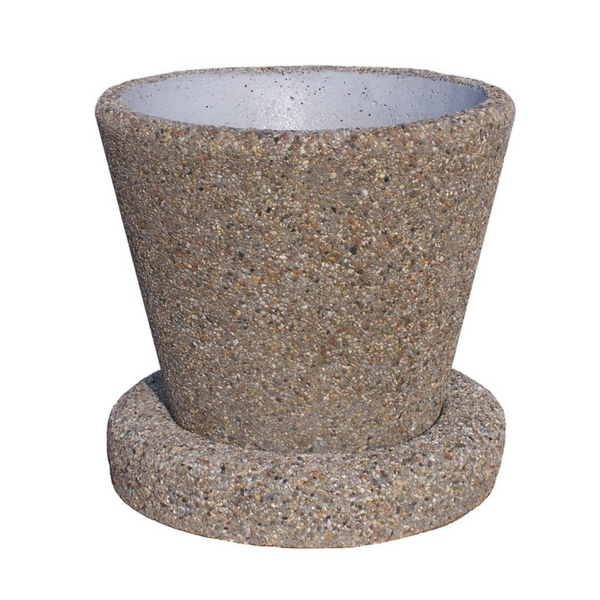
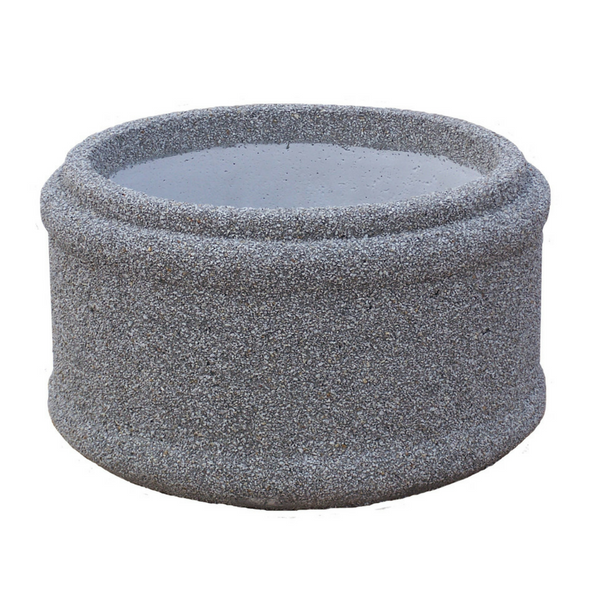
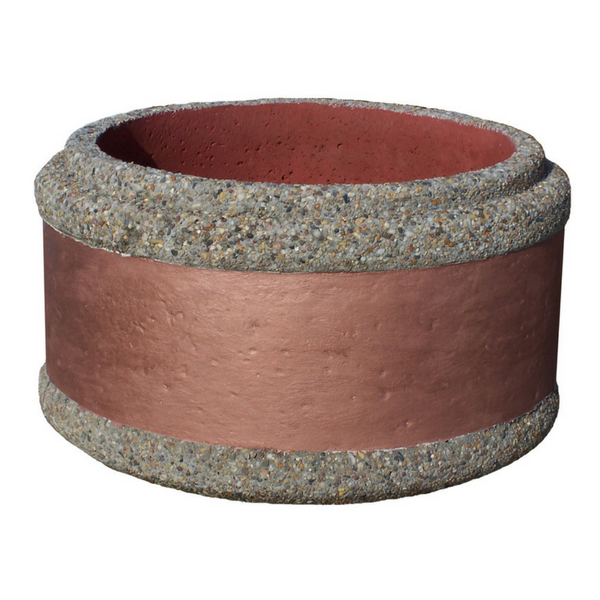
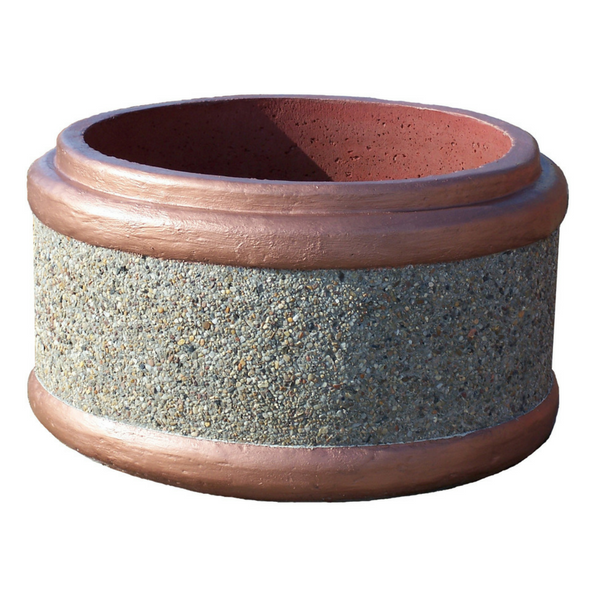
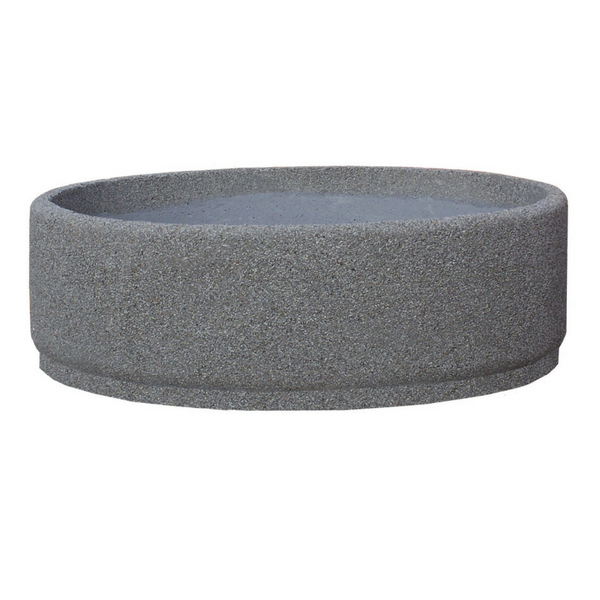
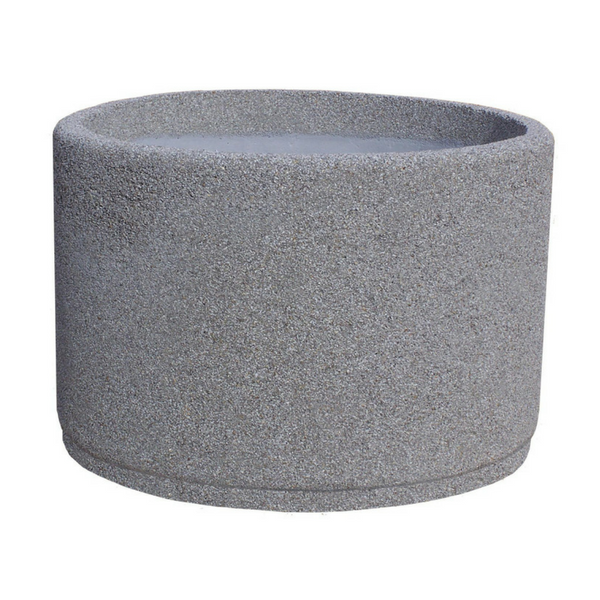
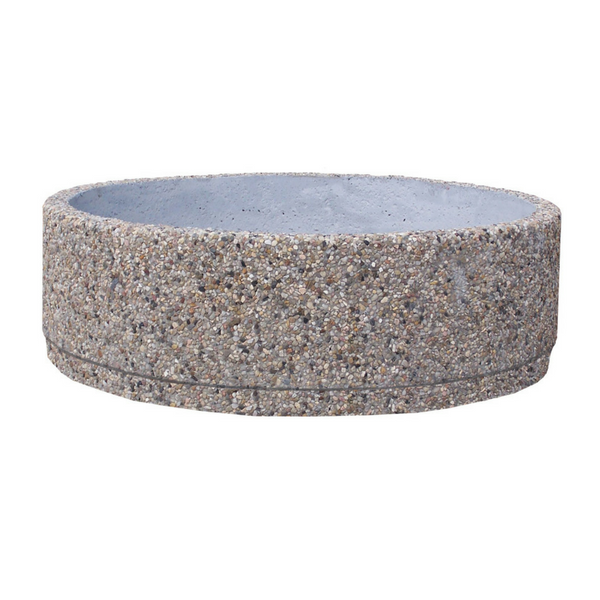
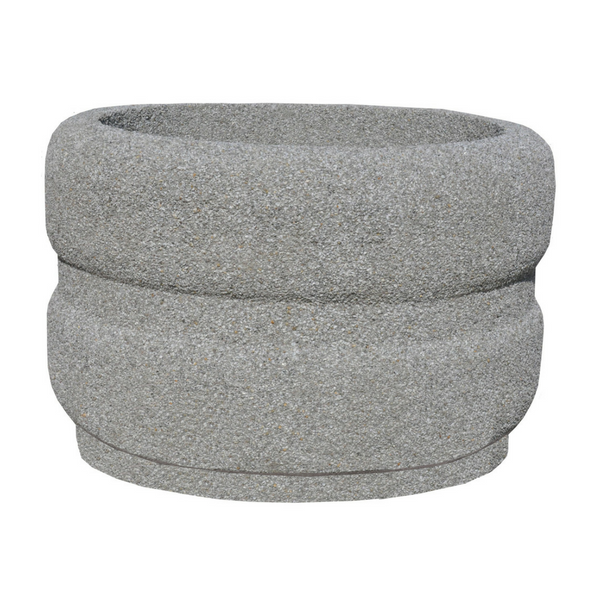
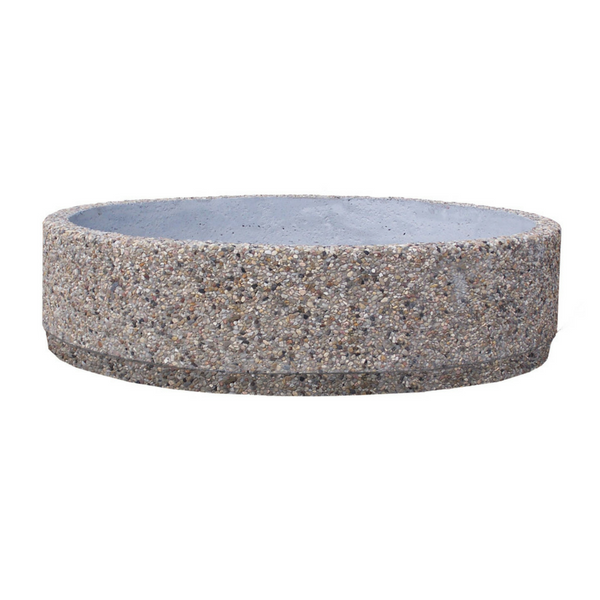
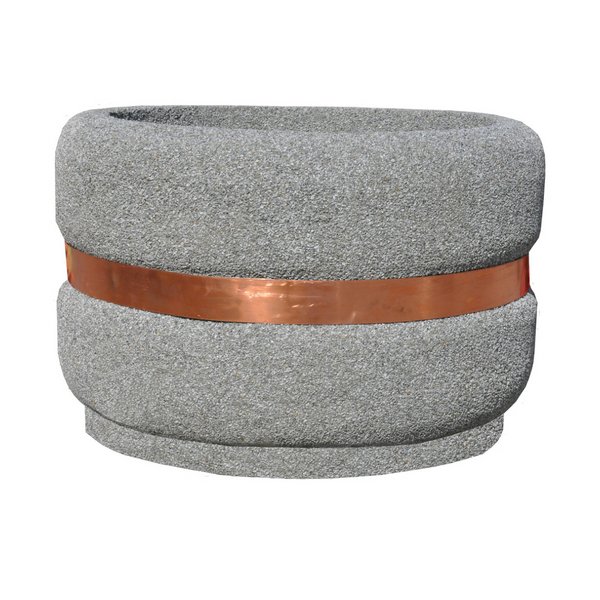
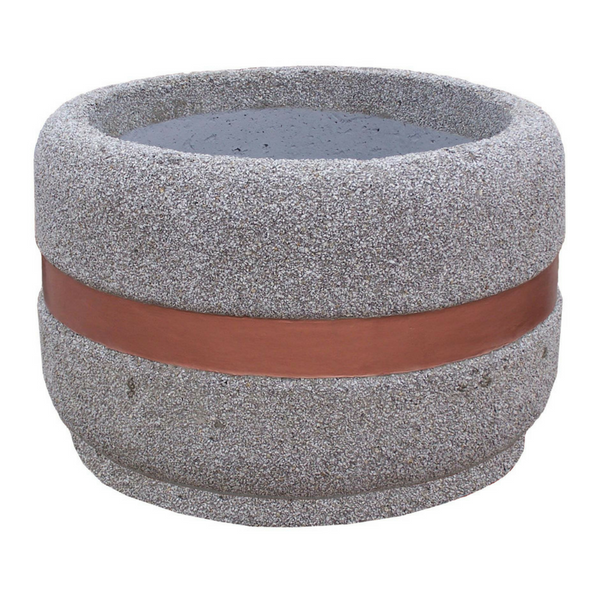
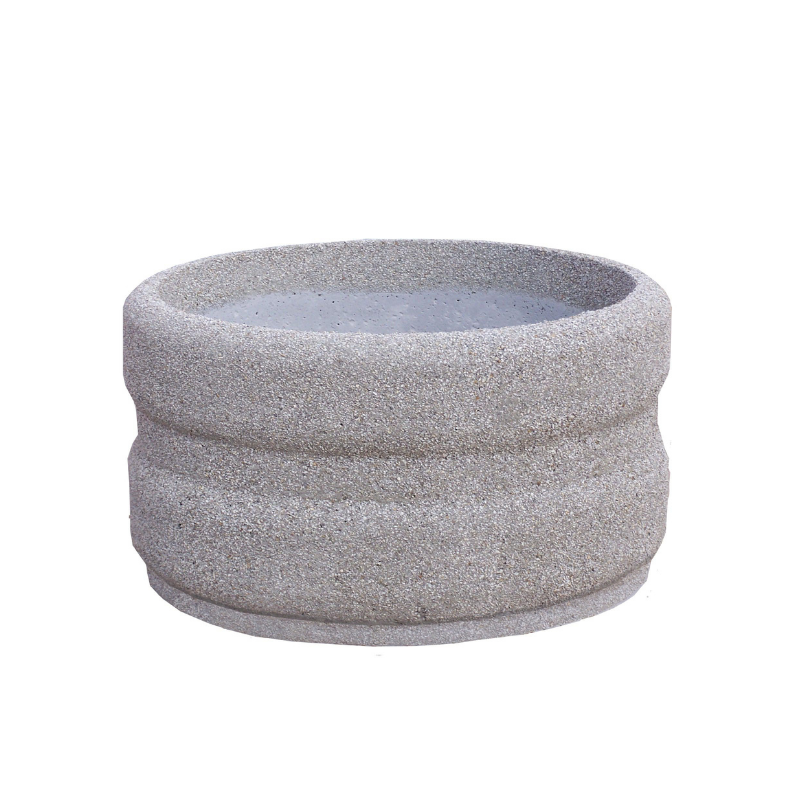
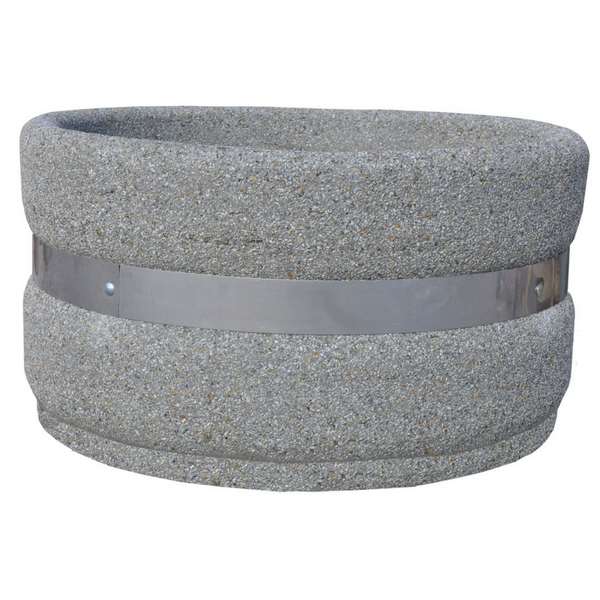
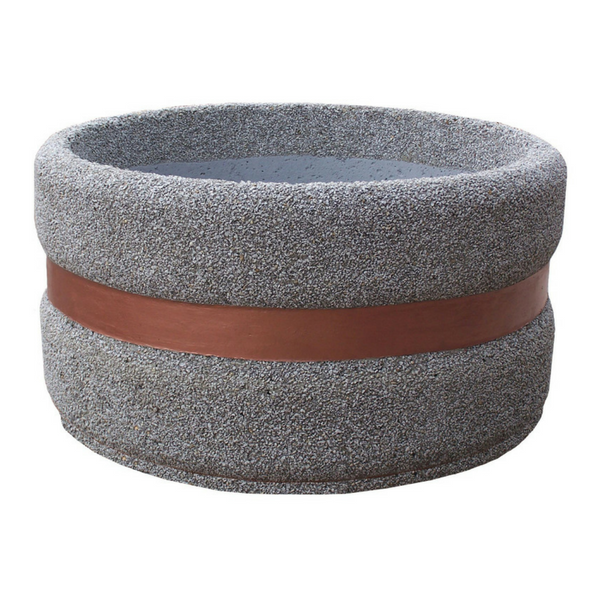
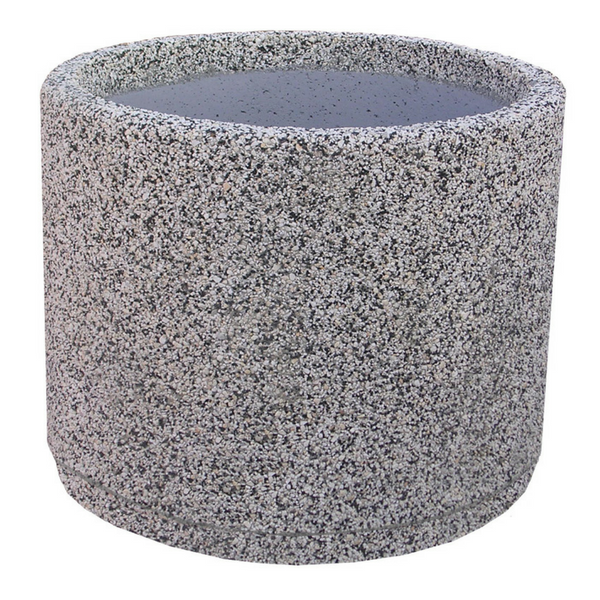
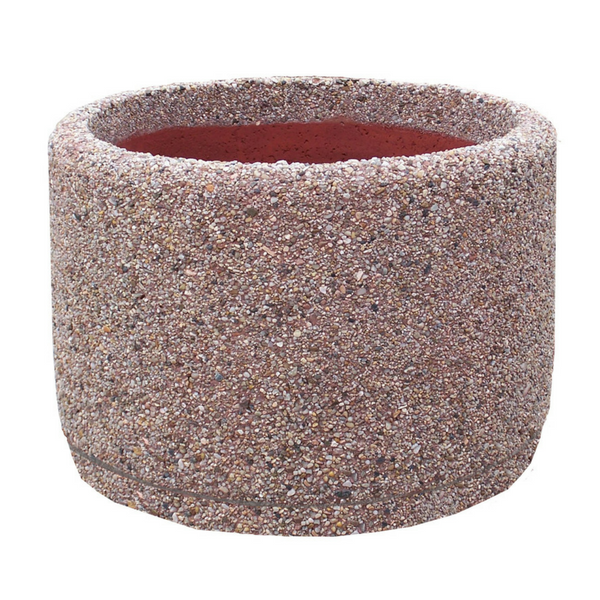
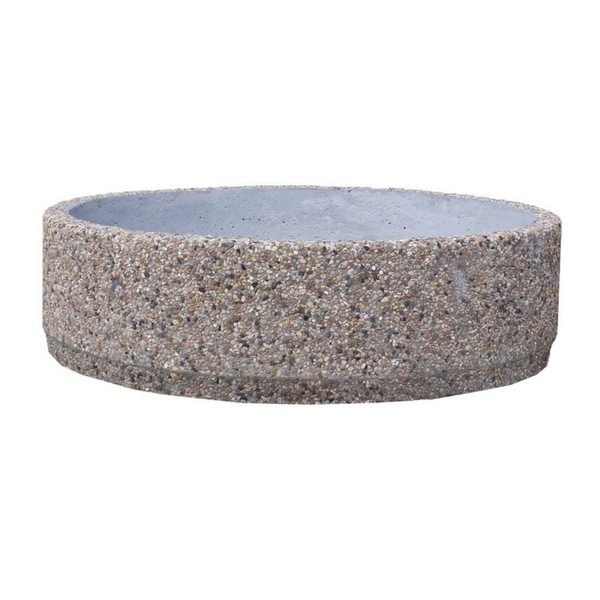
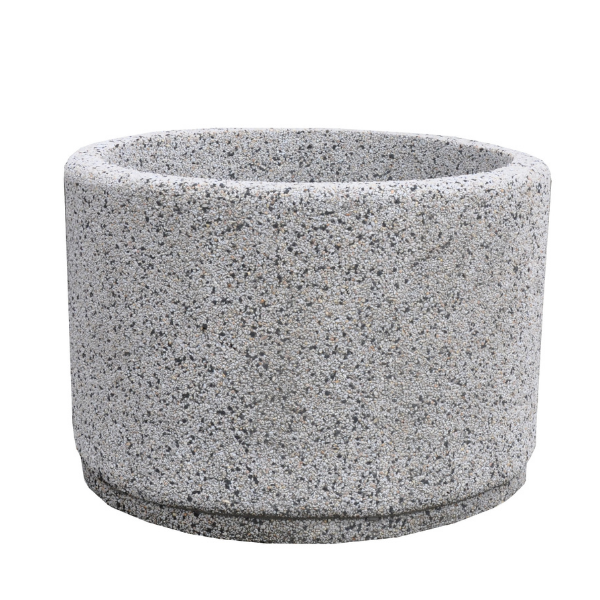
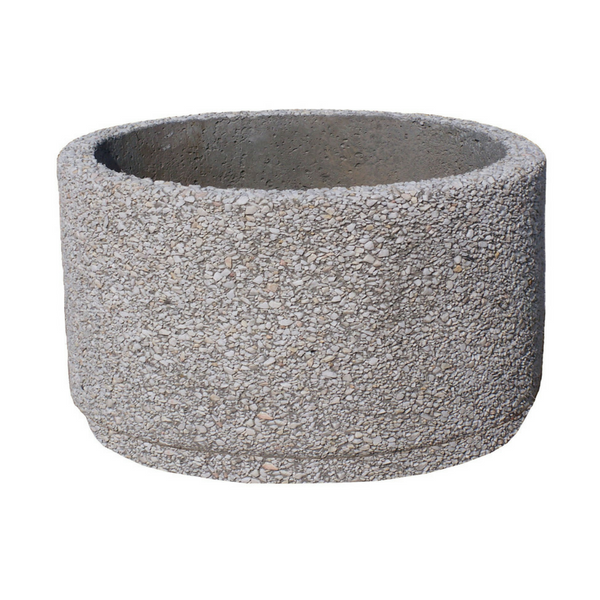
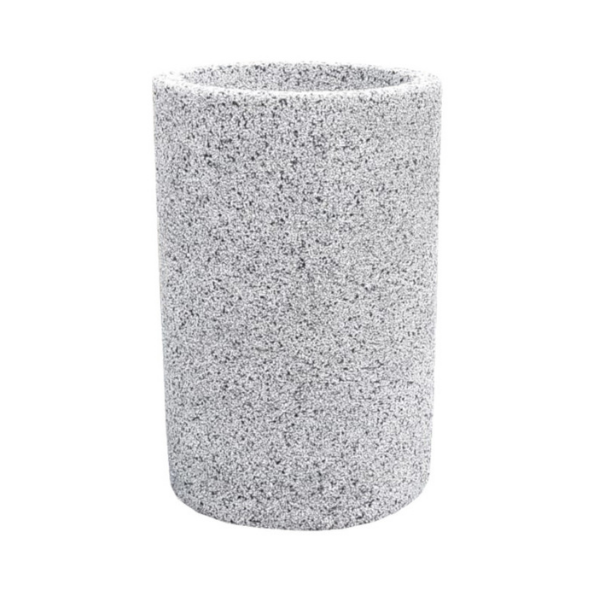
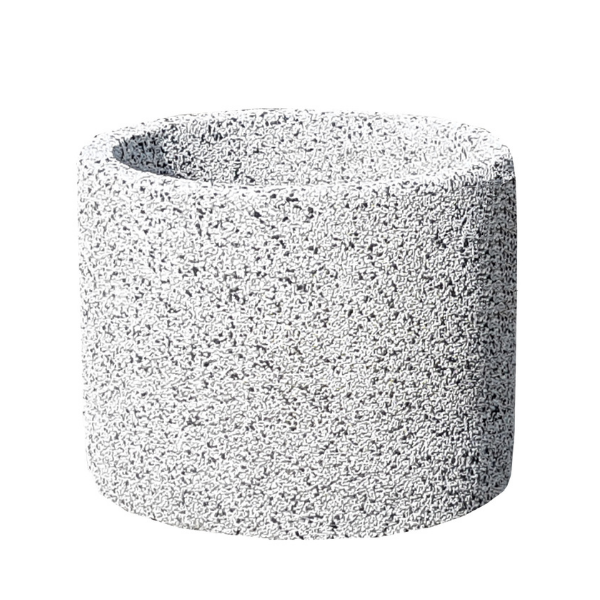
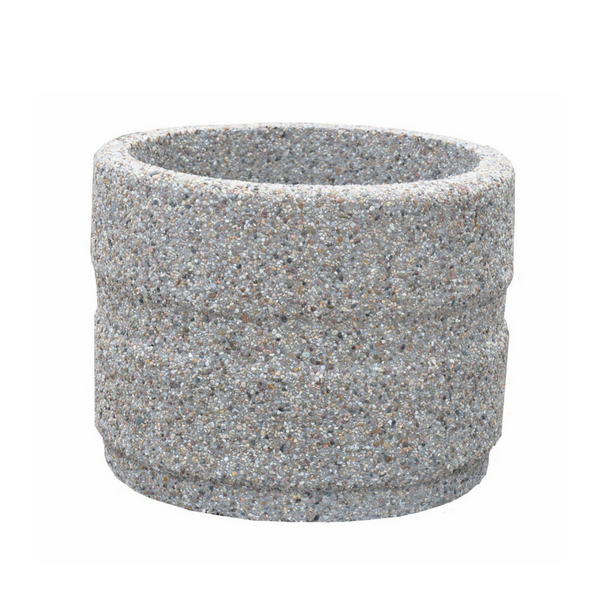
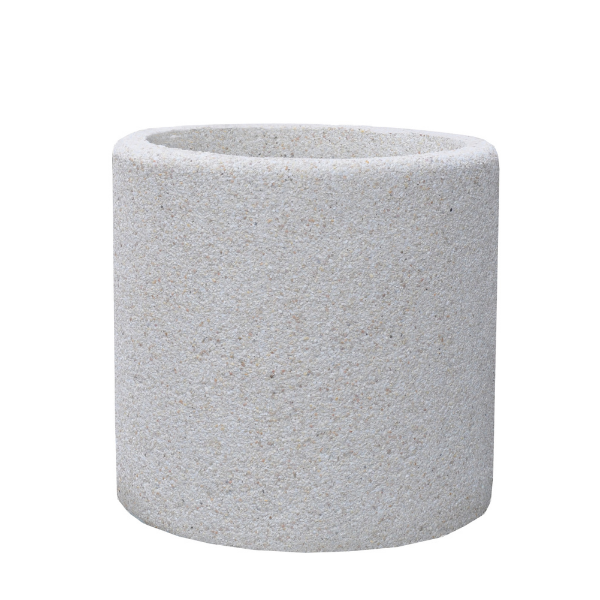
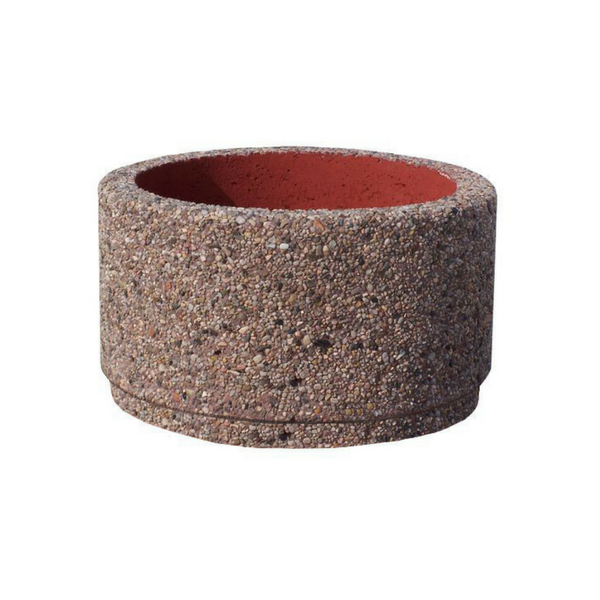
Round planters are one of the most popular shapes in urban landscaping — their soft, rounded form suits both classic and thoroughly modern architectural settings, working equally well in squares, shopping streets and office building entrance areas.
Available in various diameters to suit the scale of the planned ornamental planting. Finishes in architectural concrete, powder-coated steel or wood-effect composite allow the planter to match the other furnishings of the space, while drainage holes in the base protect plants from waterlogging. The round shape is one of three geometric options available in the urban planters category, alongside rectangular and square versions.
A round planter encourages symmetrical growth on all sides, which is particularly important for plantings visible from every direction, for example in the middle of a square or roundabout — unlike rectangular planters, a round form has no side wall restricting growth in one direction.
The choice of material affects not only appearance but also the thermal conditions inside the planter — architectural concrete insulates the root ball well against sudden temperature changes, which matters for perennials overwintering in the planter, whereas steel planters heat up and cool down much faster, which can be unfavourable for more demanding species.
The drainage system in the base is easy to overlook yet crucial to plant health — without adequate holes to drain excess water after heavy rainfall, the root ball may rot, especially in autumn and winter when evaporation is slower than in summer. Good urban planters are designed with this problem in mind right from the mould production stage.
In group arrangements, round planters of different diameters are often combined to create a composition of varied heights and planting volumes — smaller planters in the foreground, larger ones behind — giving the effect of a natural, layered garden even in a densely urbanised space with no native soil.
Seasonal replanting — from spring to summer plants and then autumn ones — is easier in planters with a sufficiently wide top opening, giving access to the entire soil surface without tilting or dismantling the structure. Managers of green spaces in city centres often plan such replanting cycles in advance, choosing species resistant to urban conditions — air pollution, soil salinity in winter and limited space for root development.


Contact
Need help choosing?
If you are not sure which solution is right for your space, please contact us. We will help you choose products tailored to your needs.