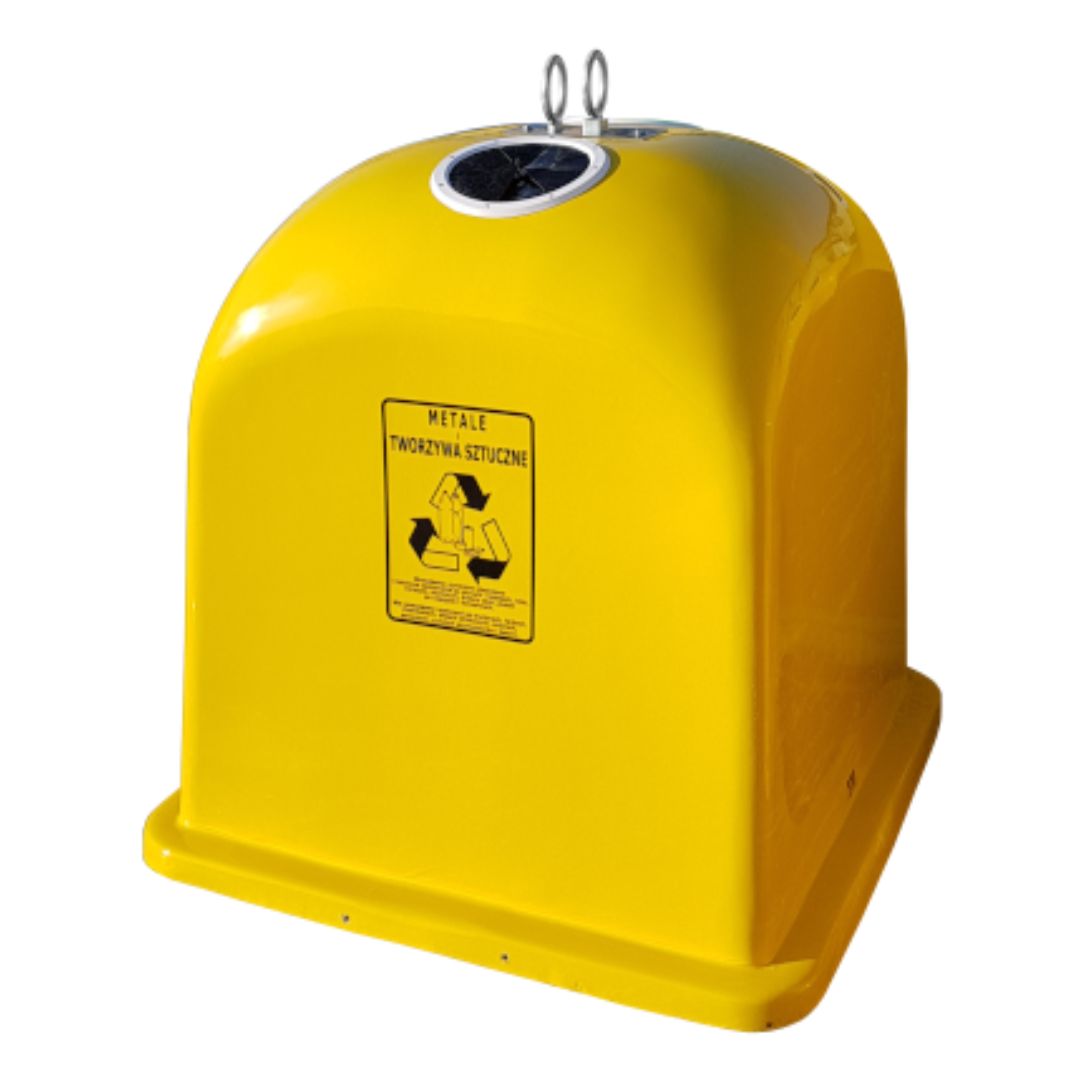
Bell-type containers
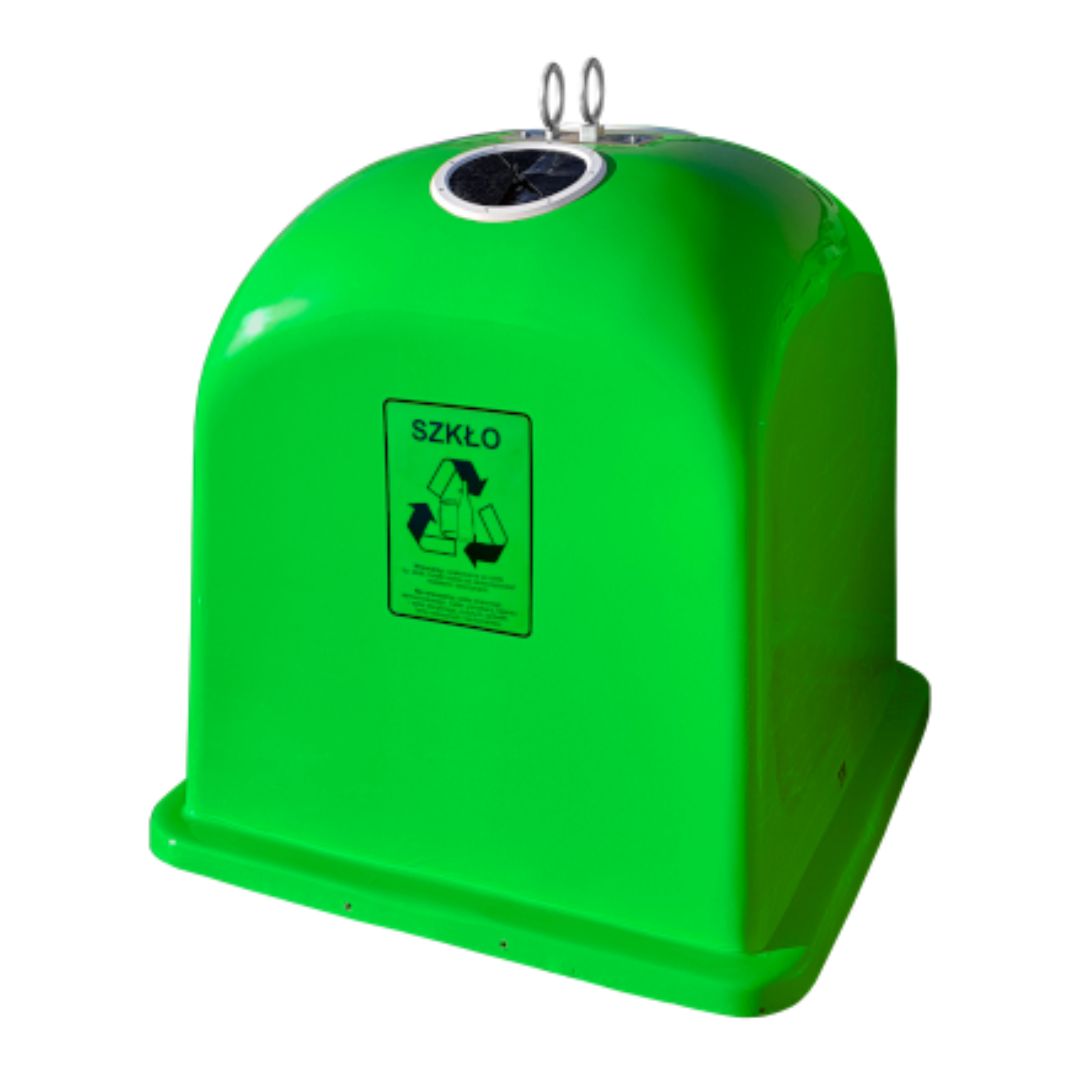
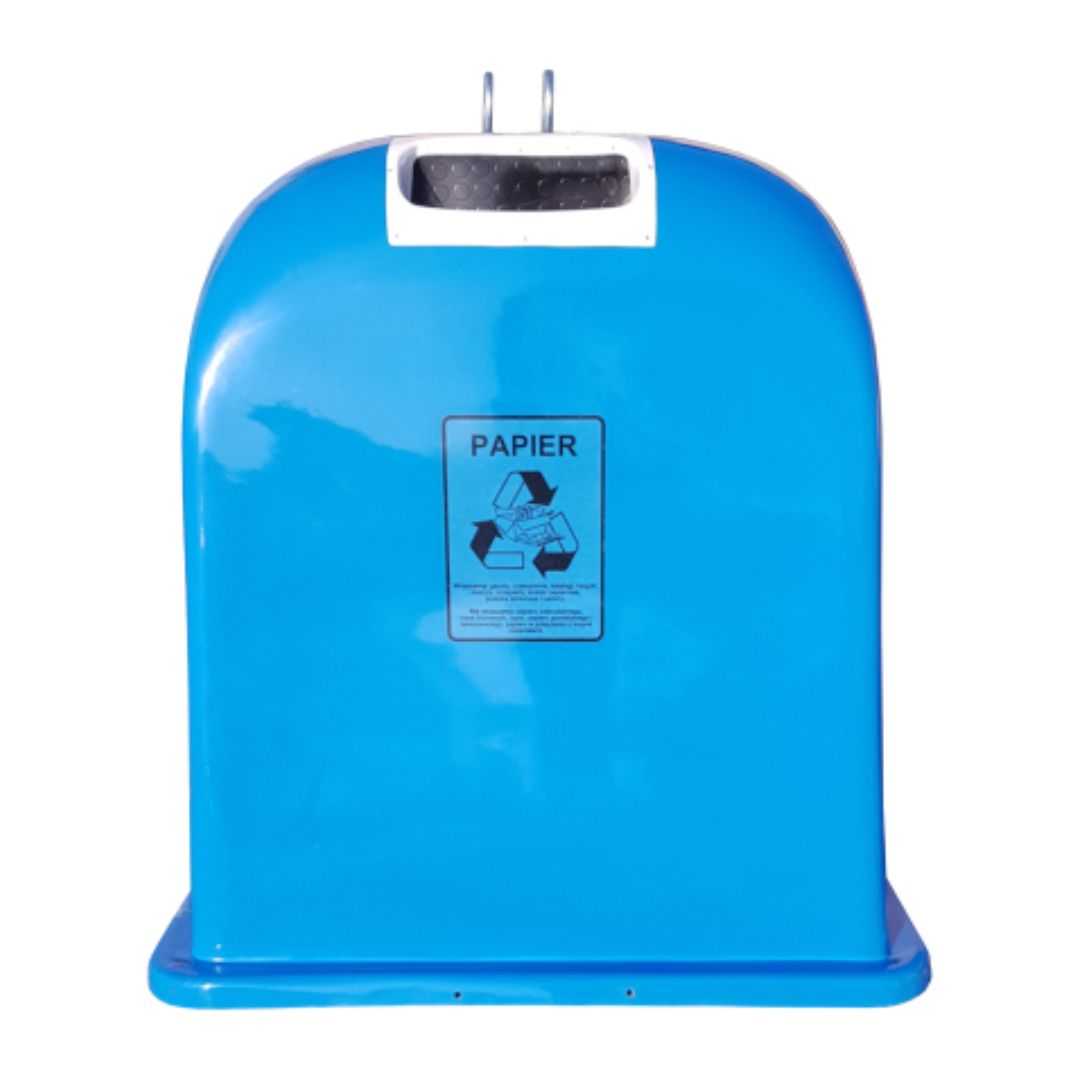
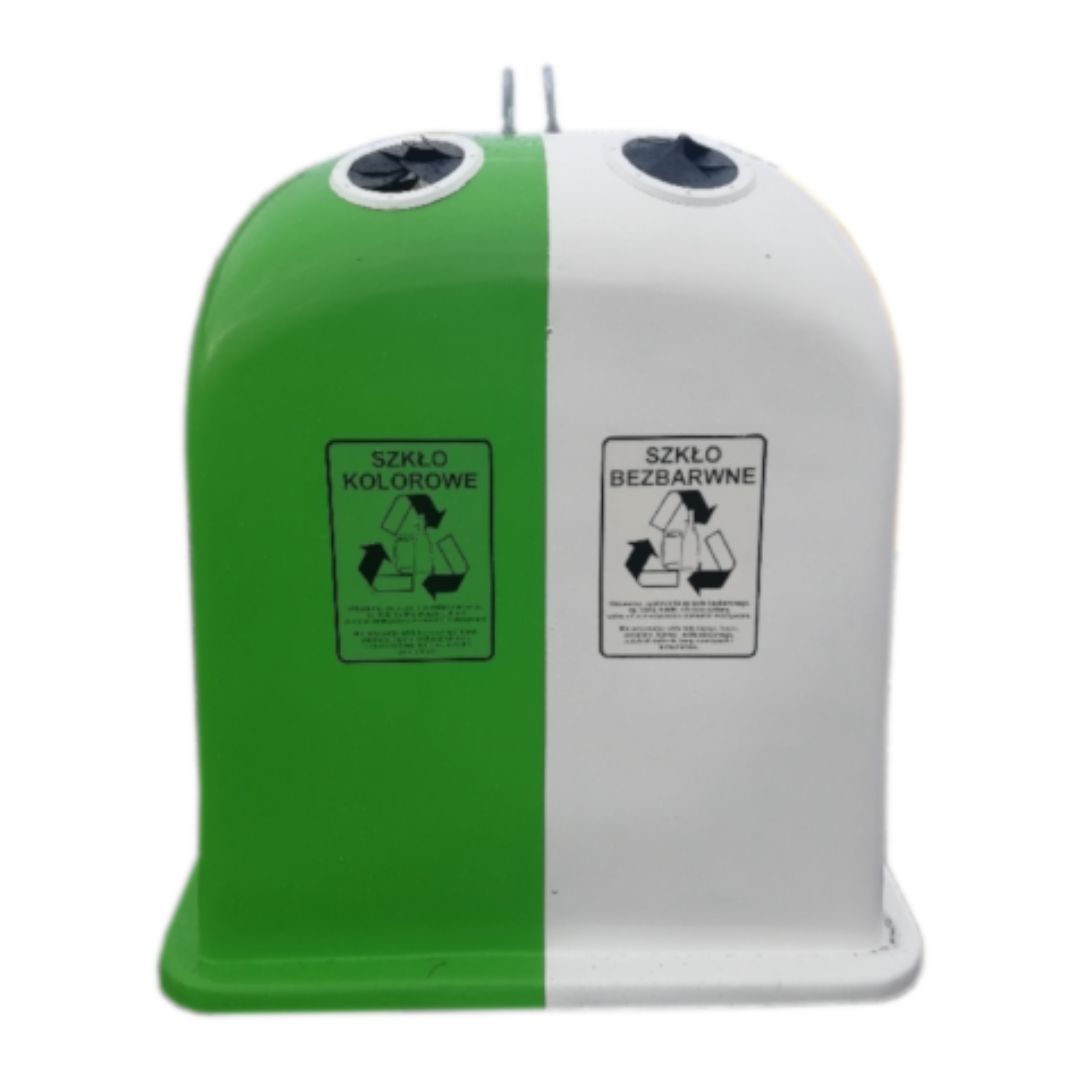
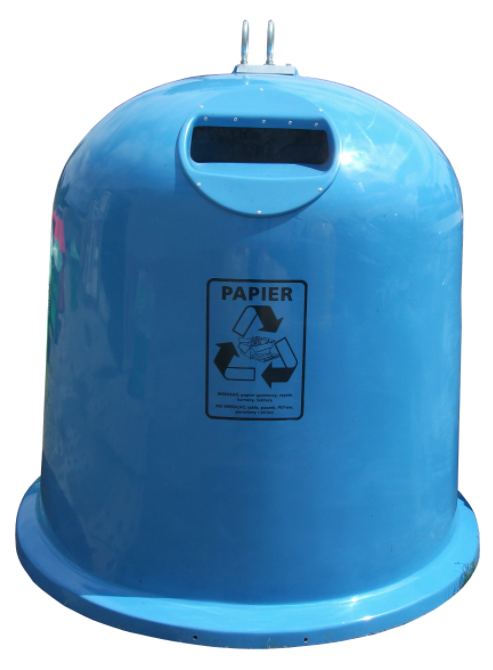
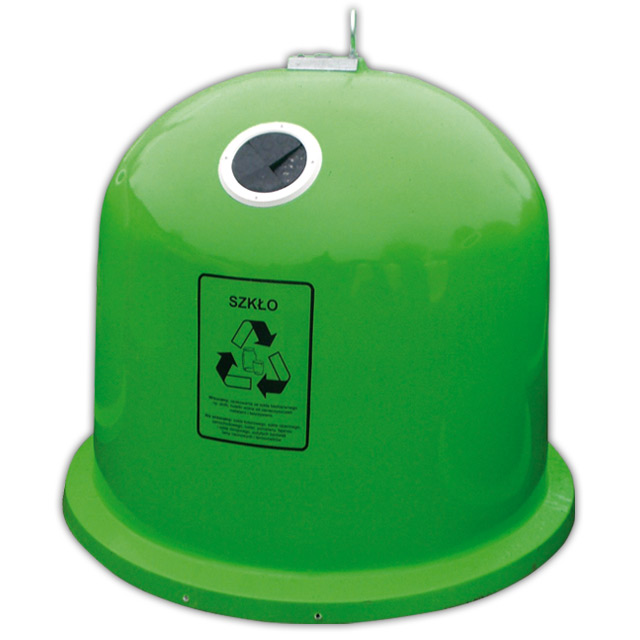
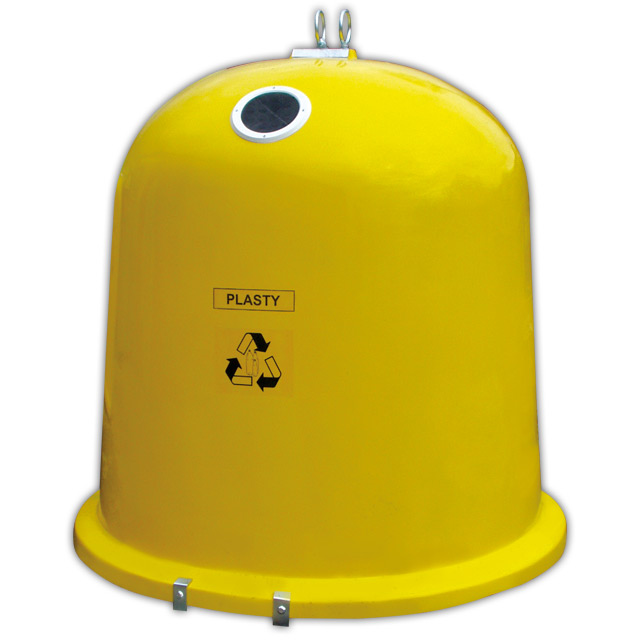
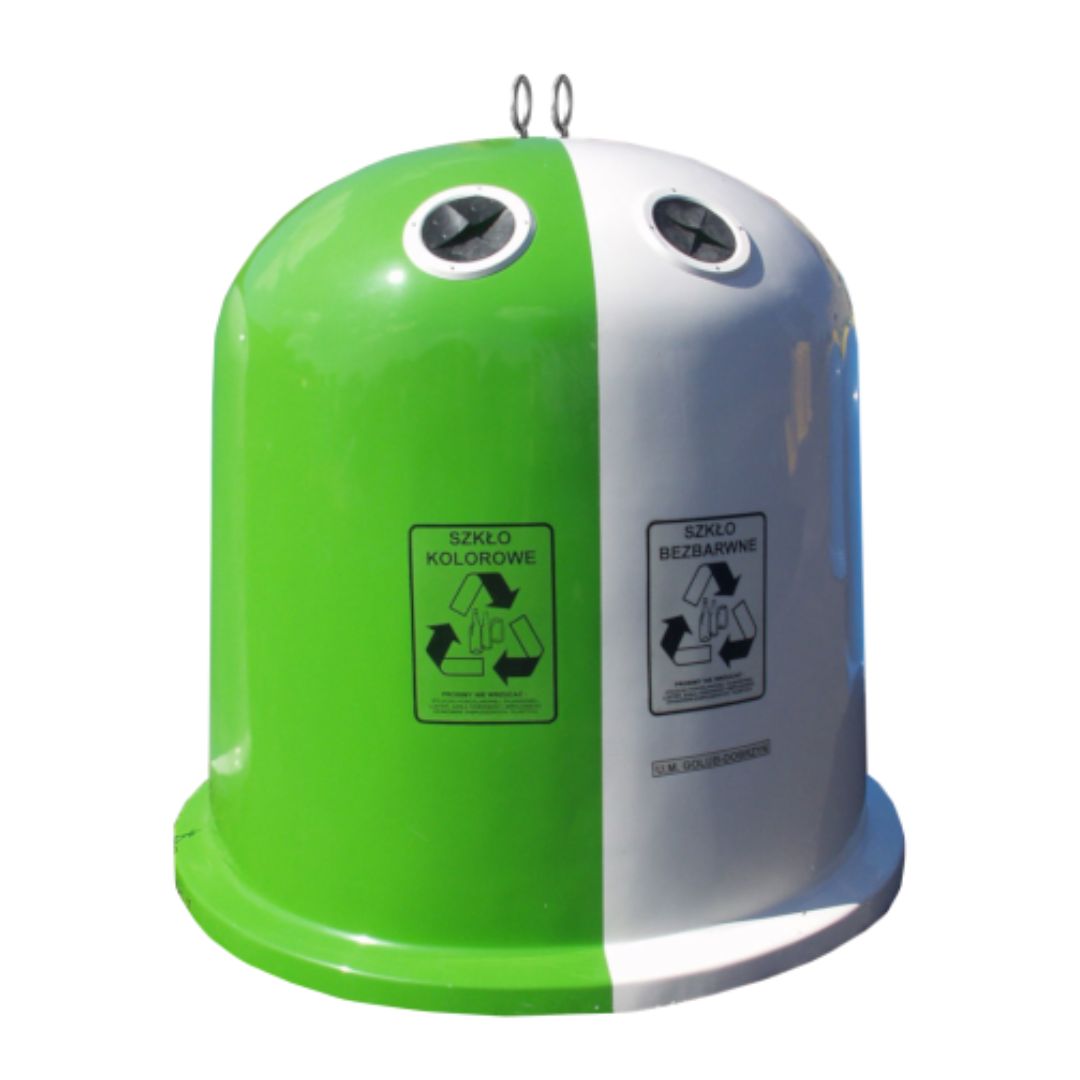
Alongside the conventional solutions in the Waste containers section, our range also includes containers with an unusual shape. Bell-type containers are distinctive, dome-shaped containers for collecting glass, plastic or paper. They are used mainly at municipal recycling points because they offer a large capacity on a relatively small footprint and restrict outside access to their contents. Local authorities often choose them when setting up municipal recycling points.
Noise-reduced bell containers are also available. They reduce the noise made when glass is deposited, which matters when collection points are located close to housing, where a standard design could lead to residents complaining about noise.
Bell containers are most often made from glass-fibre-reinforced polyester (GRP), a material that is light for its volume and resistant to UV radiation and changing weather over many years of outdoor use. Concrete versions are also available. They are heavier and more resistant to vandalism, so they are often chosen for locations with a higher risk of damage.
A typical bell container holds between one and a half and three cubic metres, equal to several dozen standard refuse sacks. As a result, one collection point serves many more residents than a conventional set of containers and needs fewer collections by the waste contractor.
The aperture is designed to make it harder to pull the contents back out. This stops waste blowing out in strong winds and deters people from taking recyclable materials from the containers without the site operator's permission.
Local authorities planning a network of recycling points often choose bell containers in several colours, one for each waste stream, placed side by side at a single point. This makes correct sorting easier for residents, because all the containers they need are in one easily accessible place rather than spread across the area.
Bell containers are emptied by a specialist vehicle with a crane, which lifts the whole container and empties it through the base. This is much quicker than emptying many smaller containers by hand, which keeps operating costs down when a town has a large number of collection points.


Contact
Need help choosing?
If you are not sure which solution is right for your space, please contact us. We will help you choose products tailored to your needs.