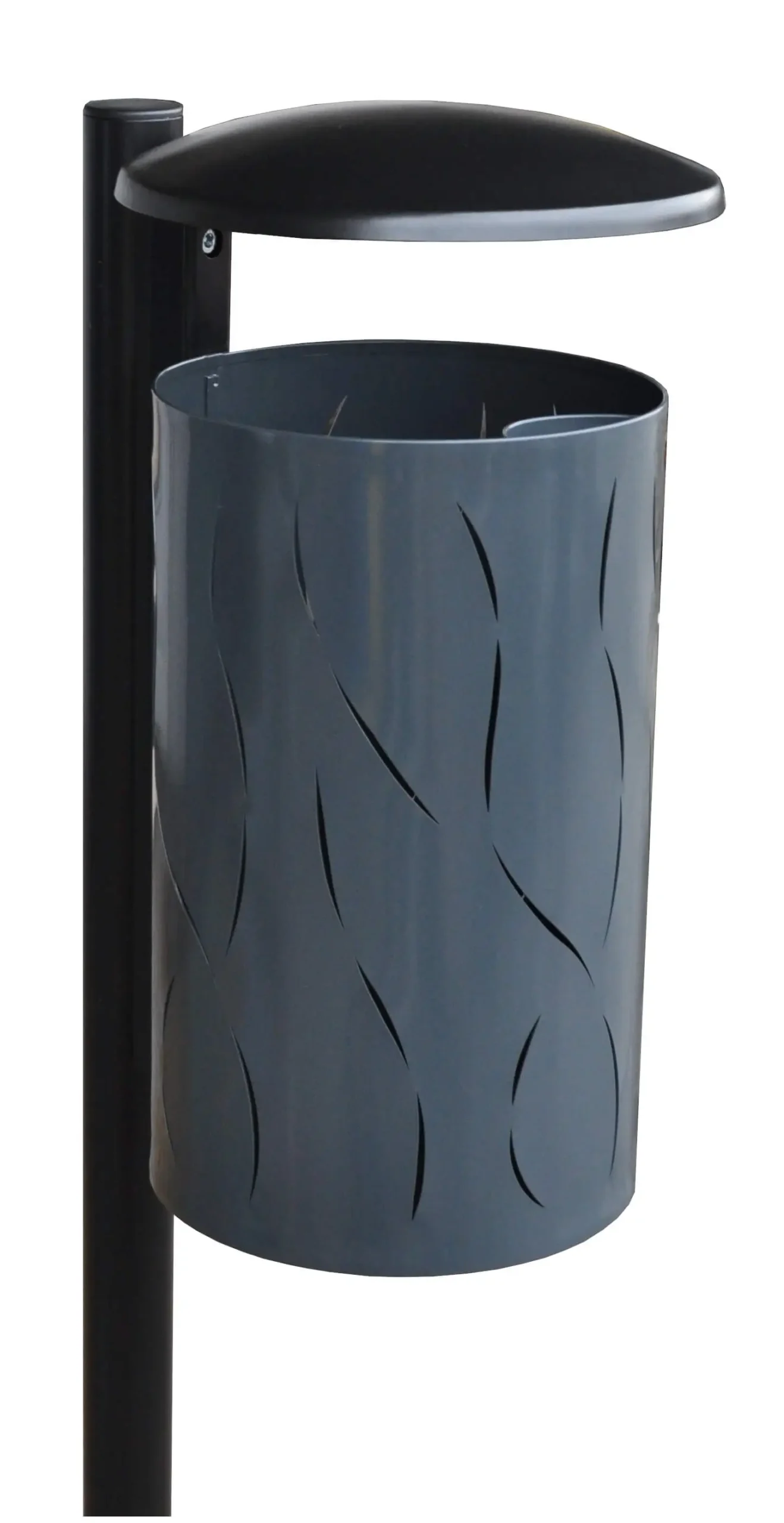
Litter bins with a canopy
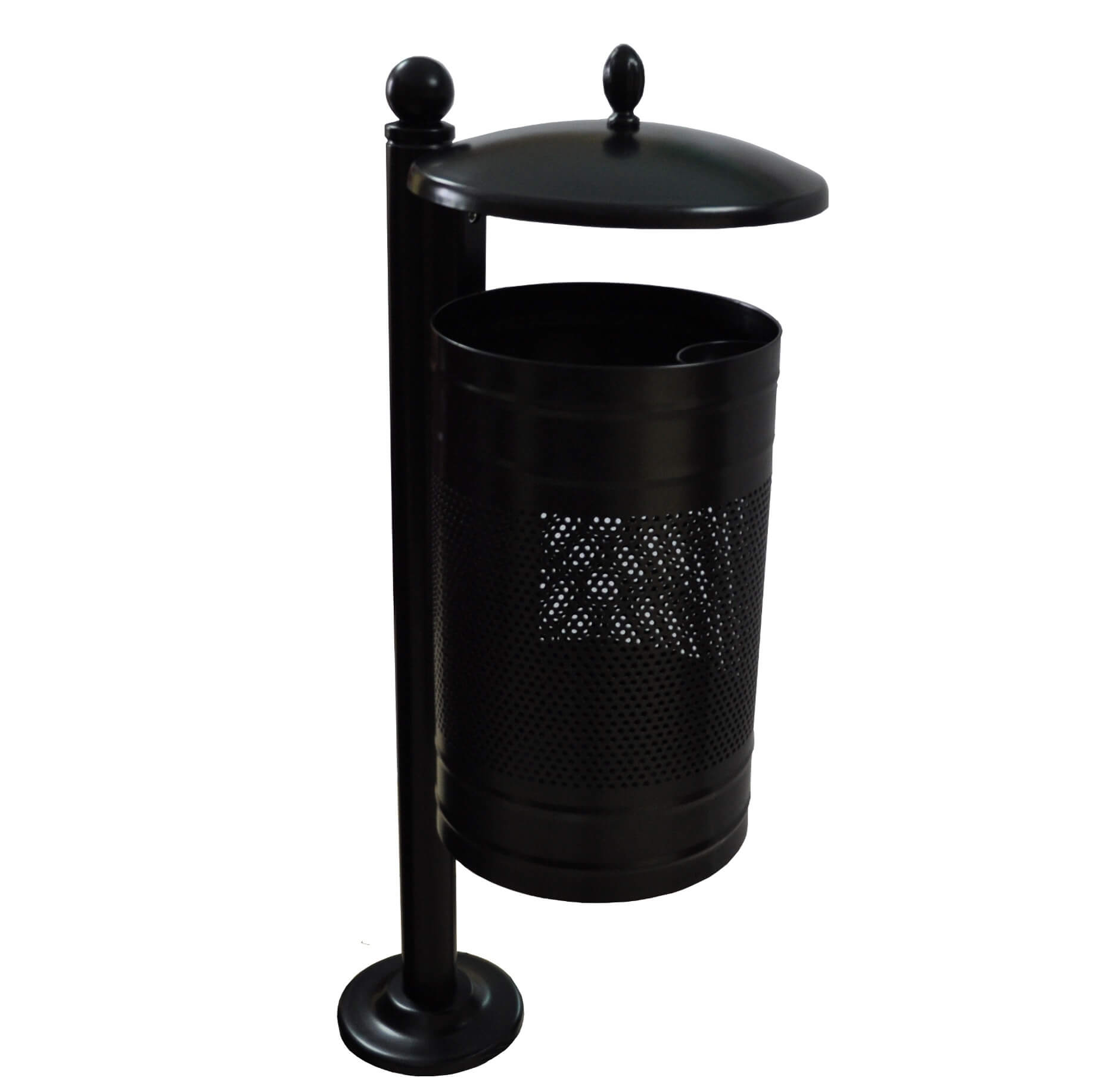
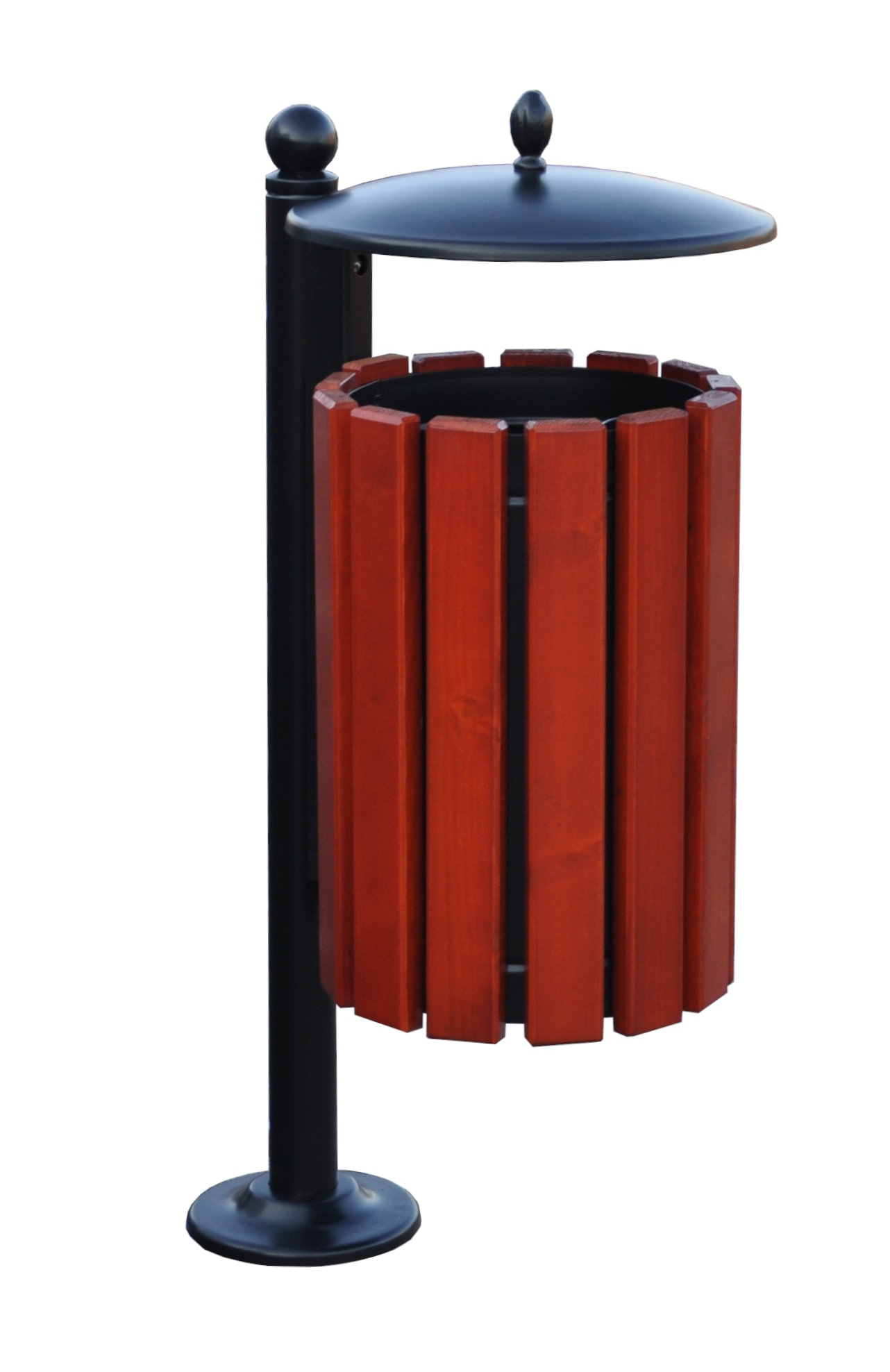
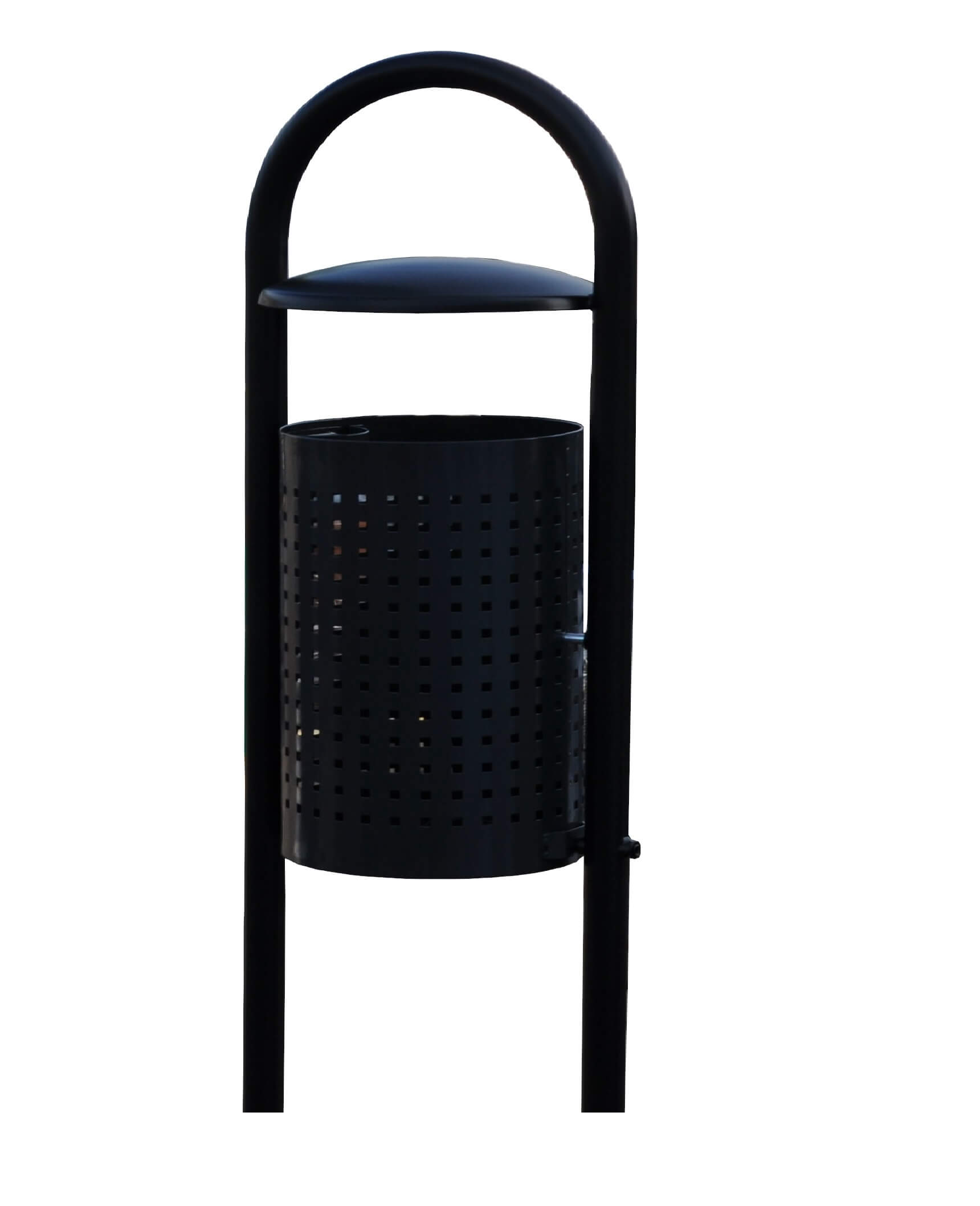
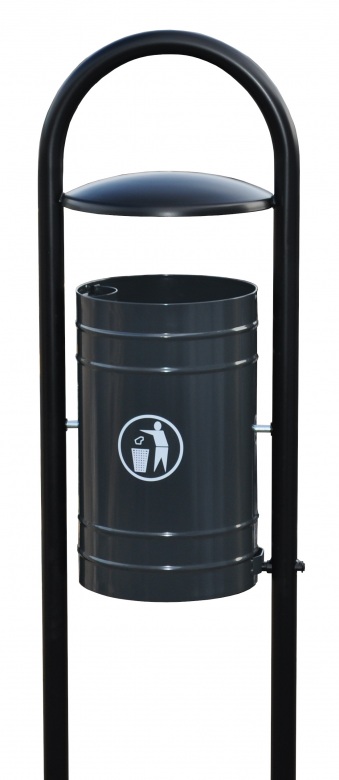
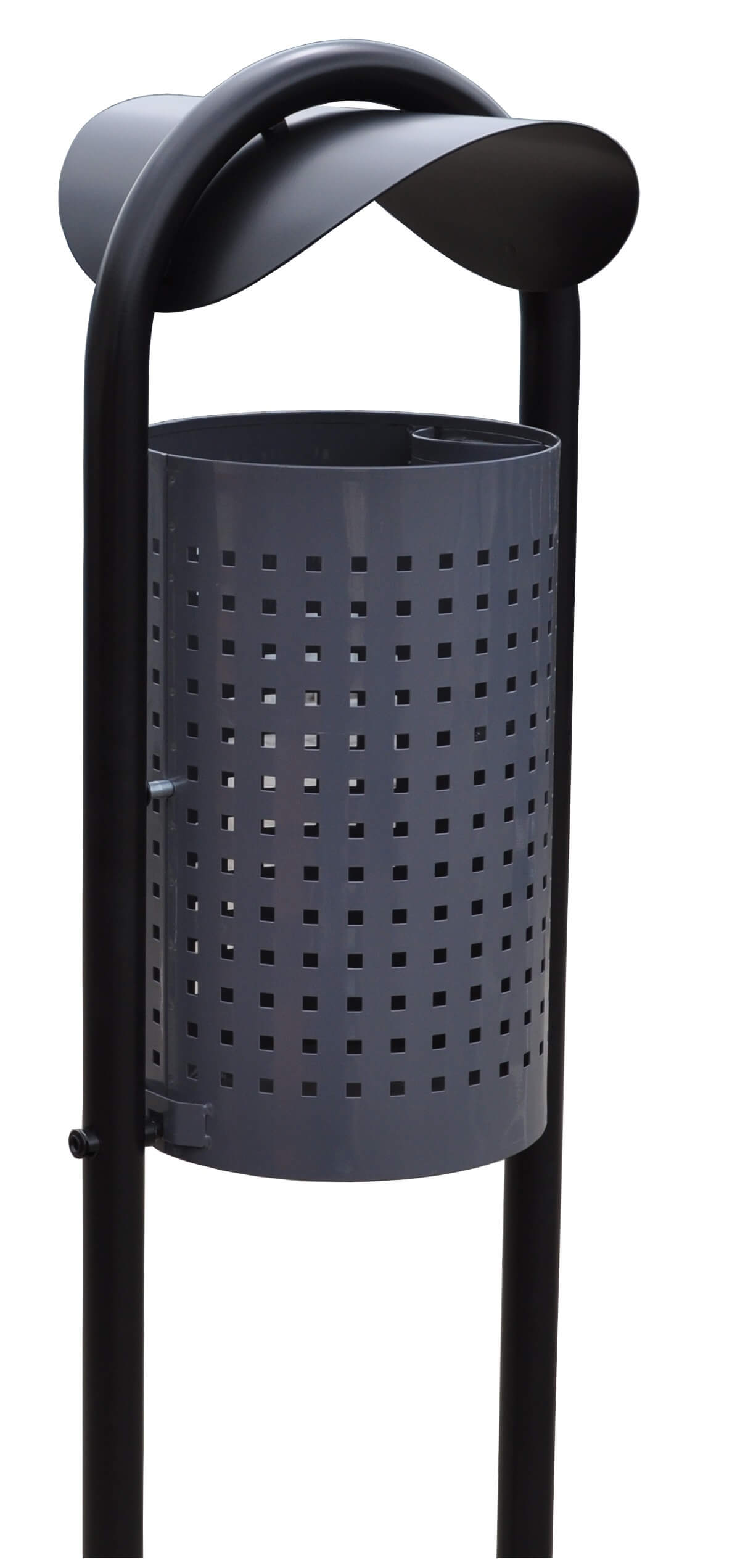
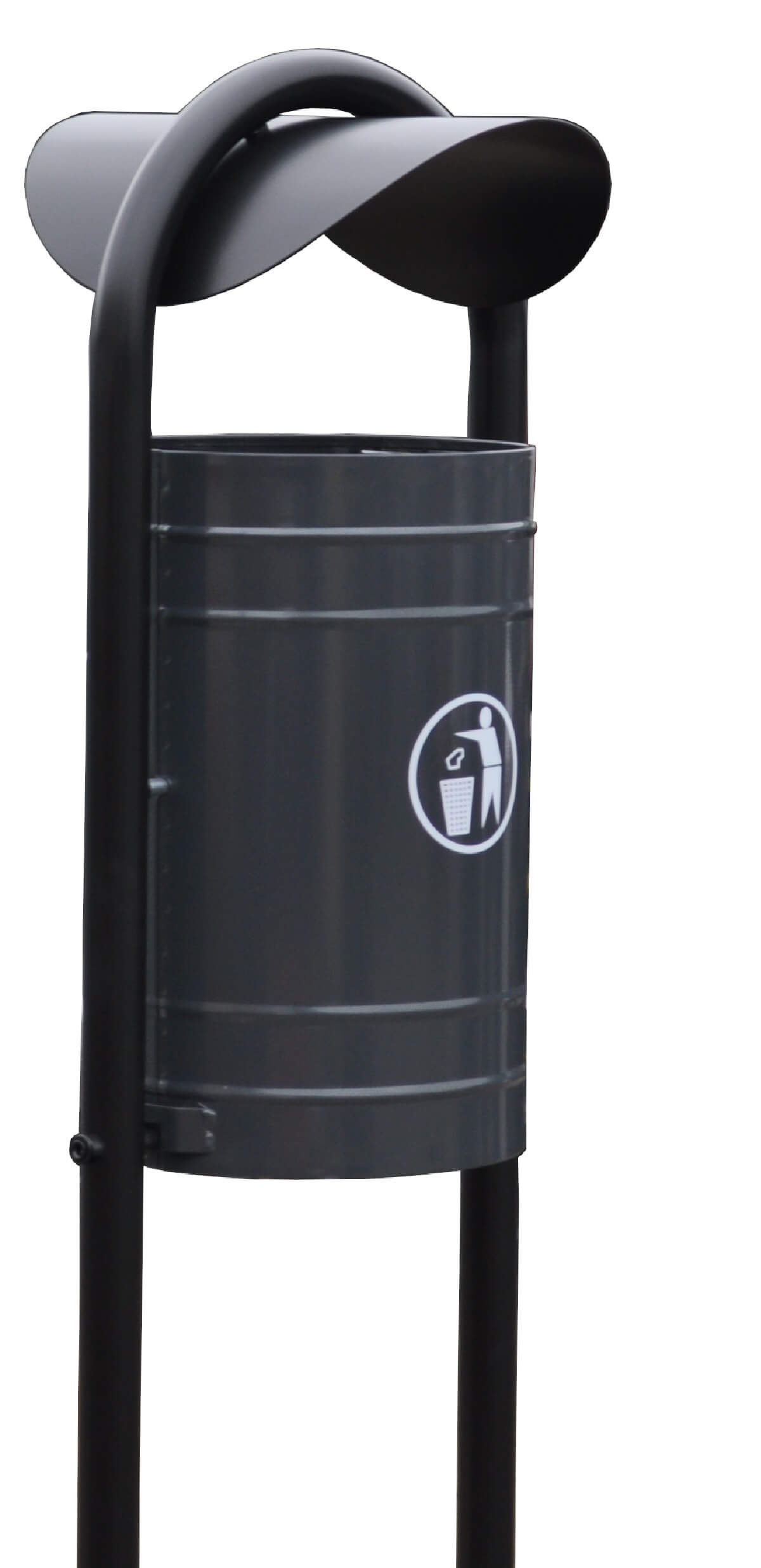
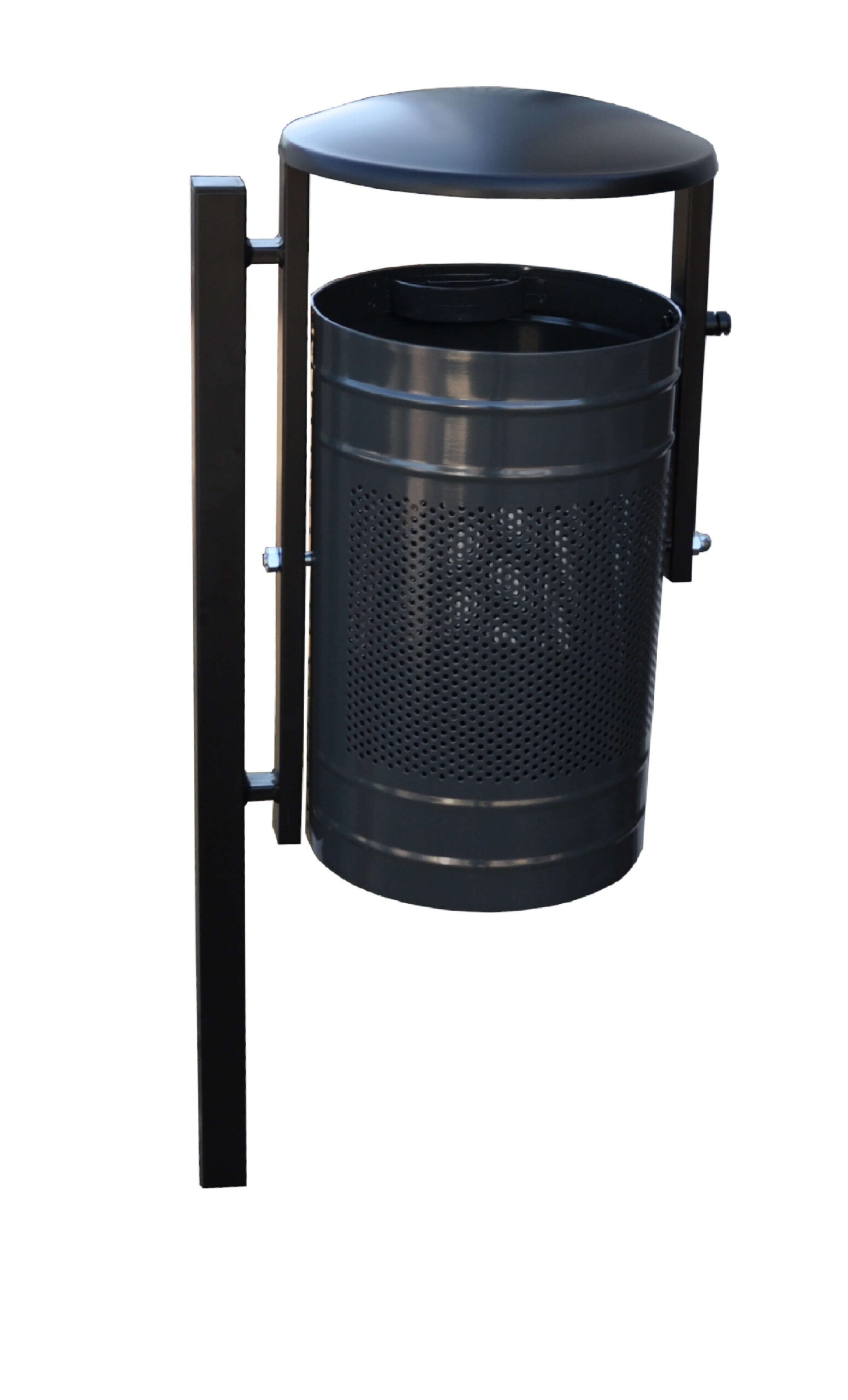
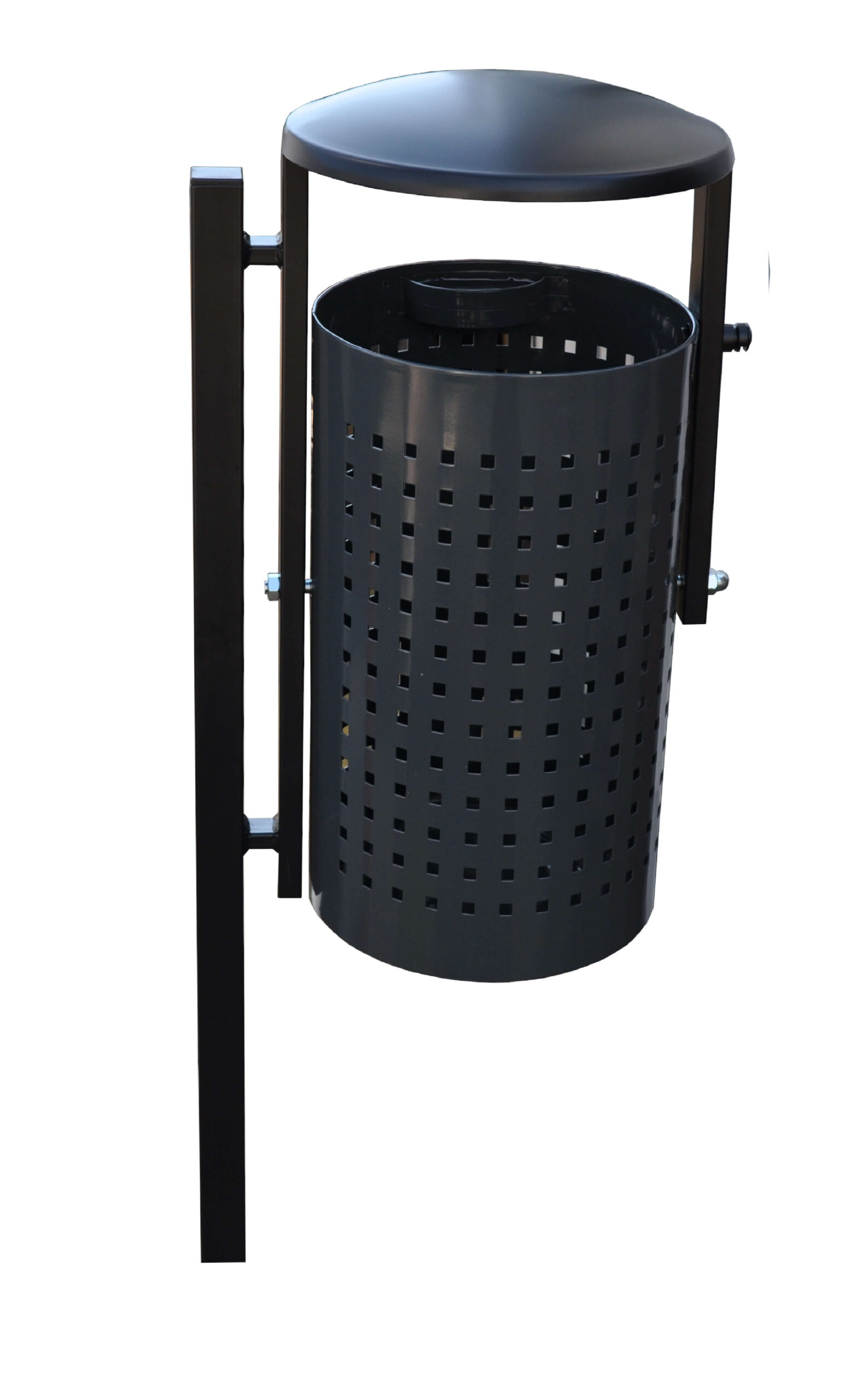
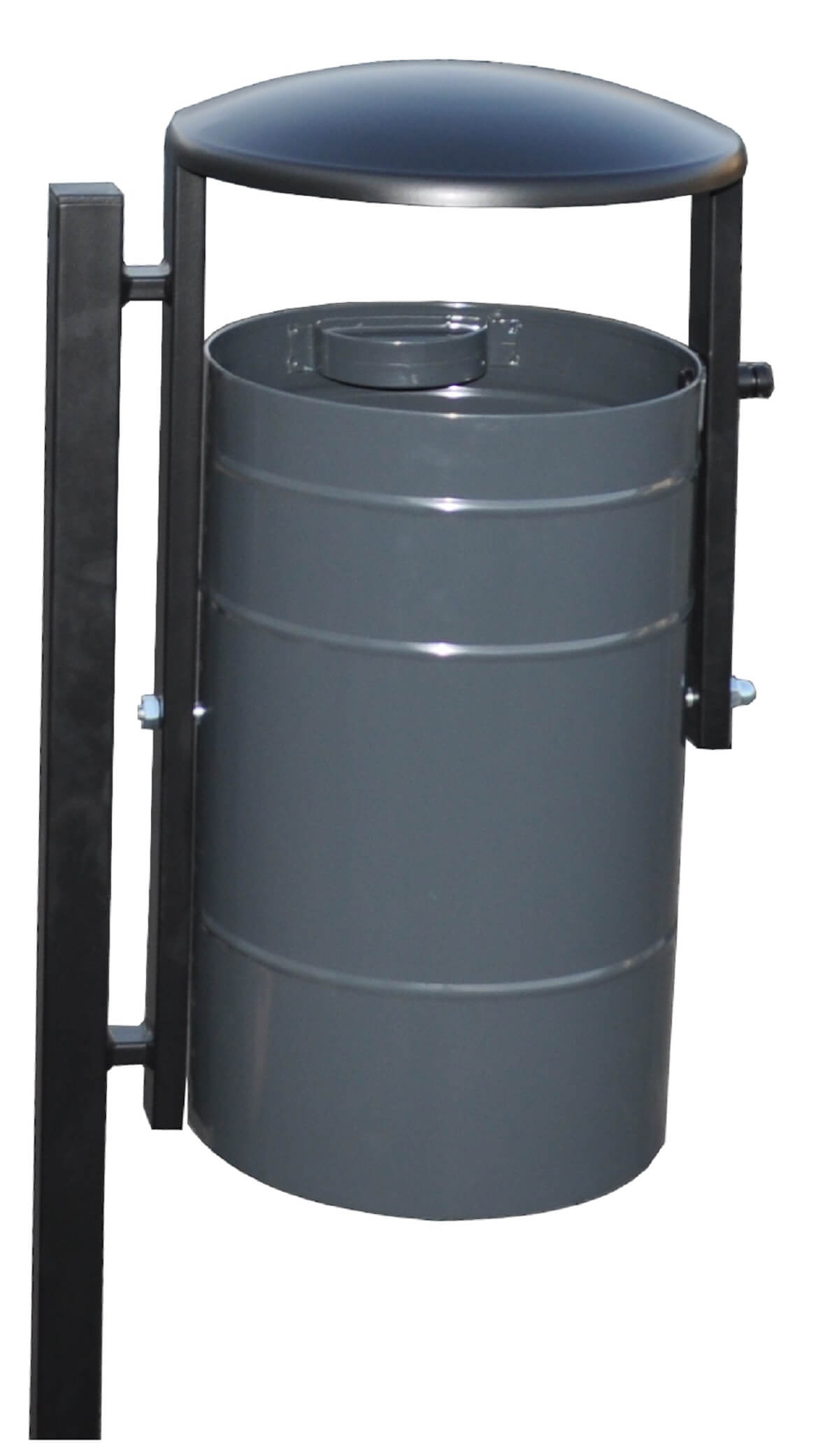
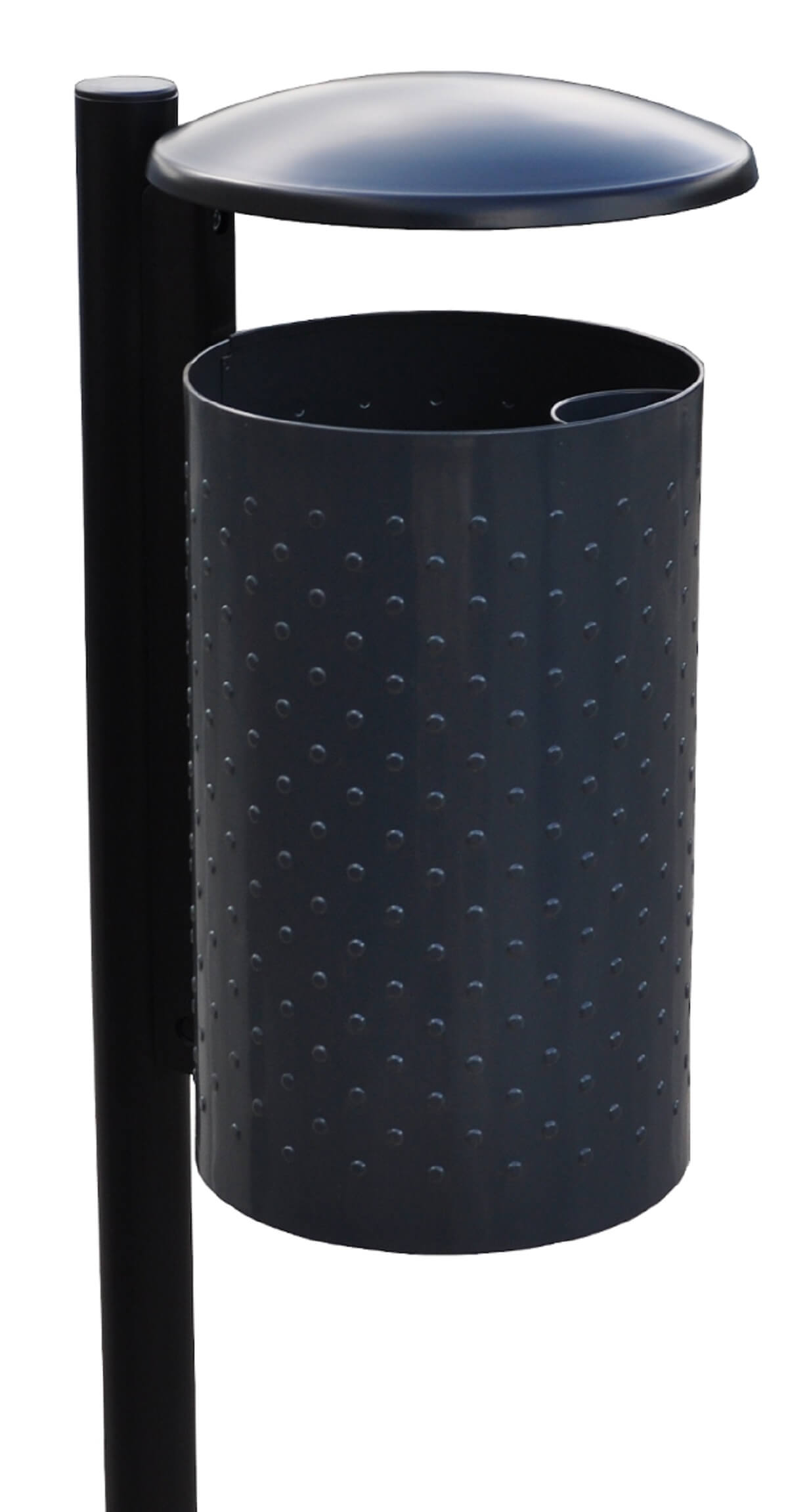
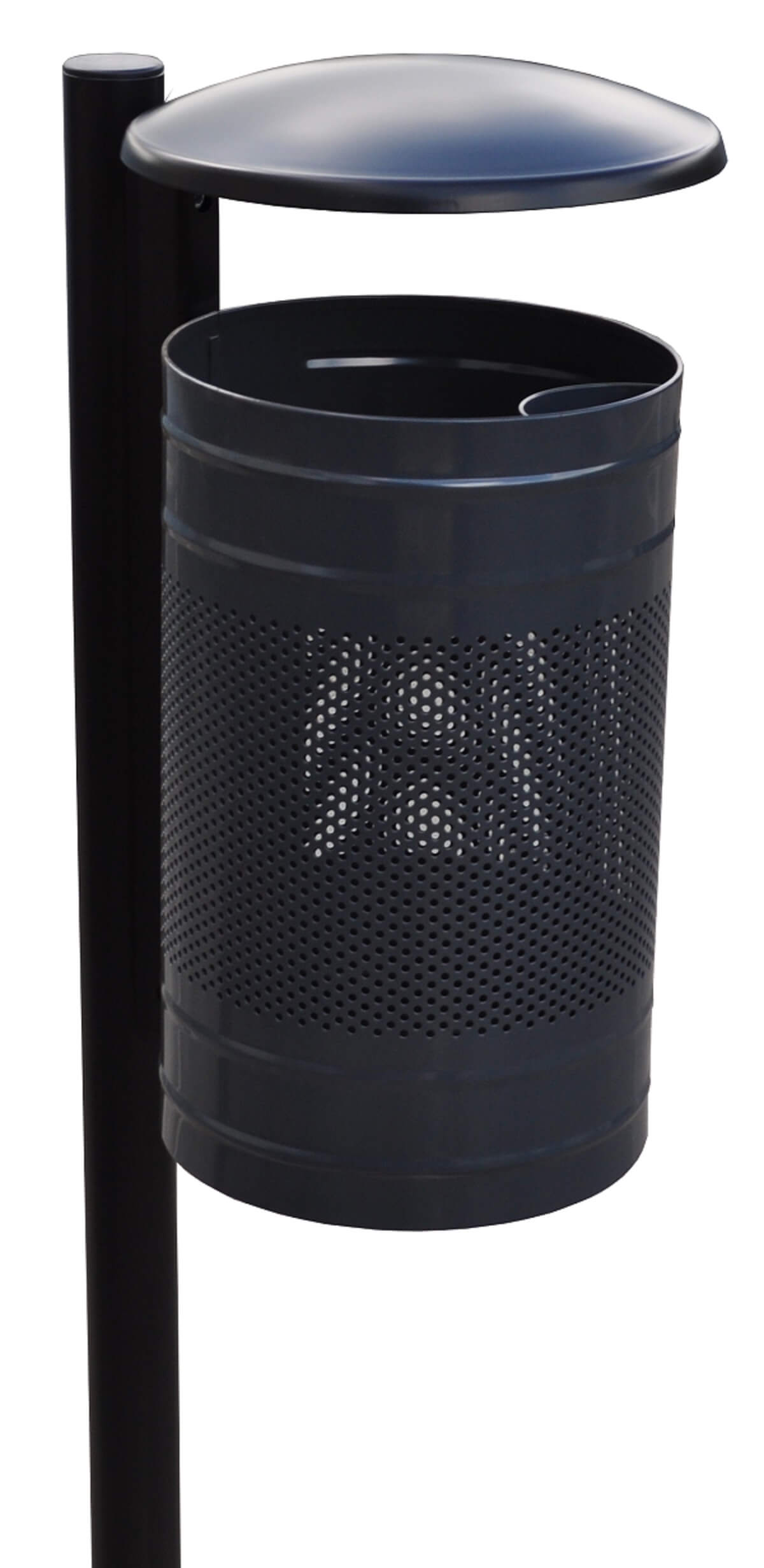
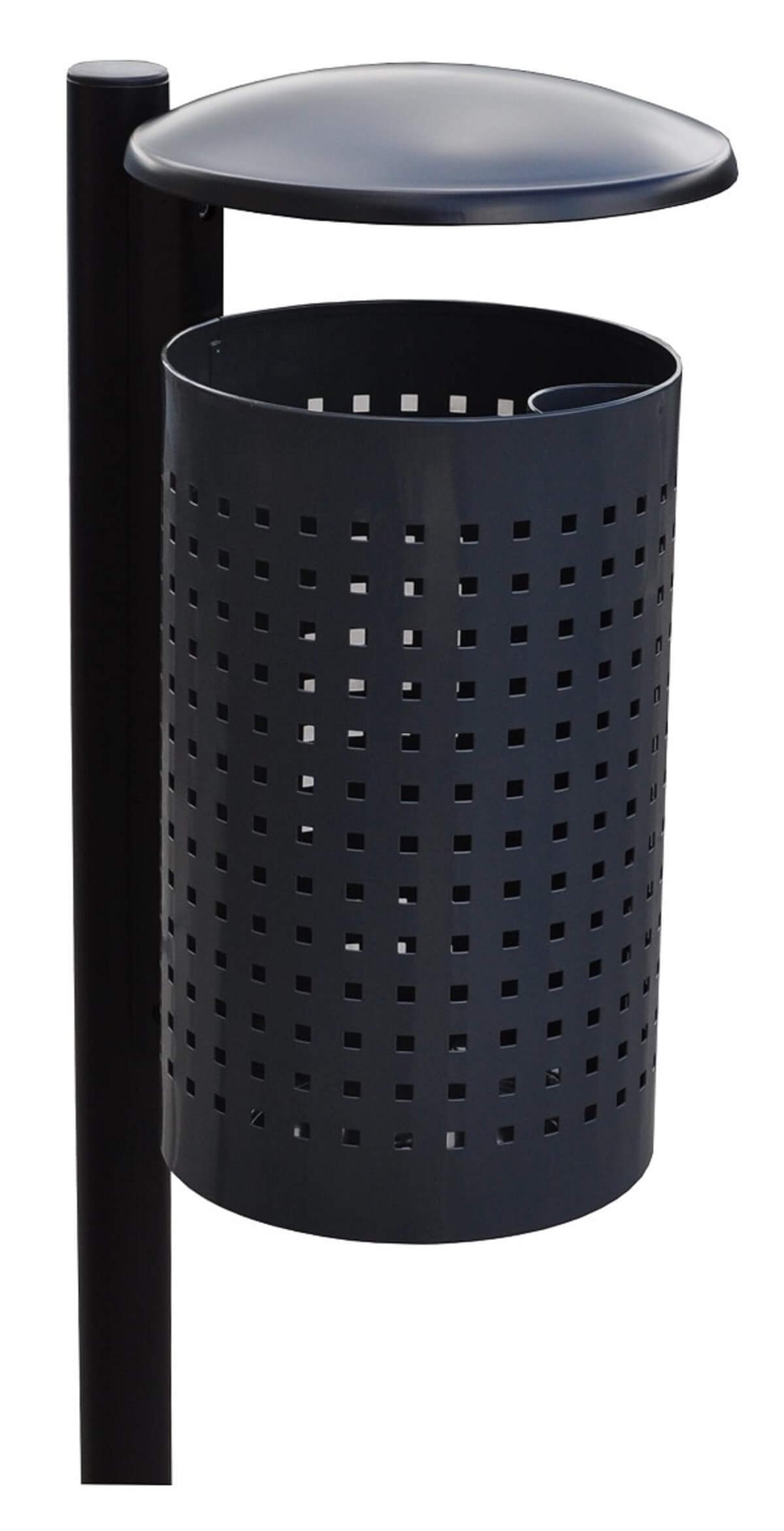
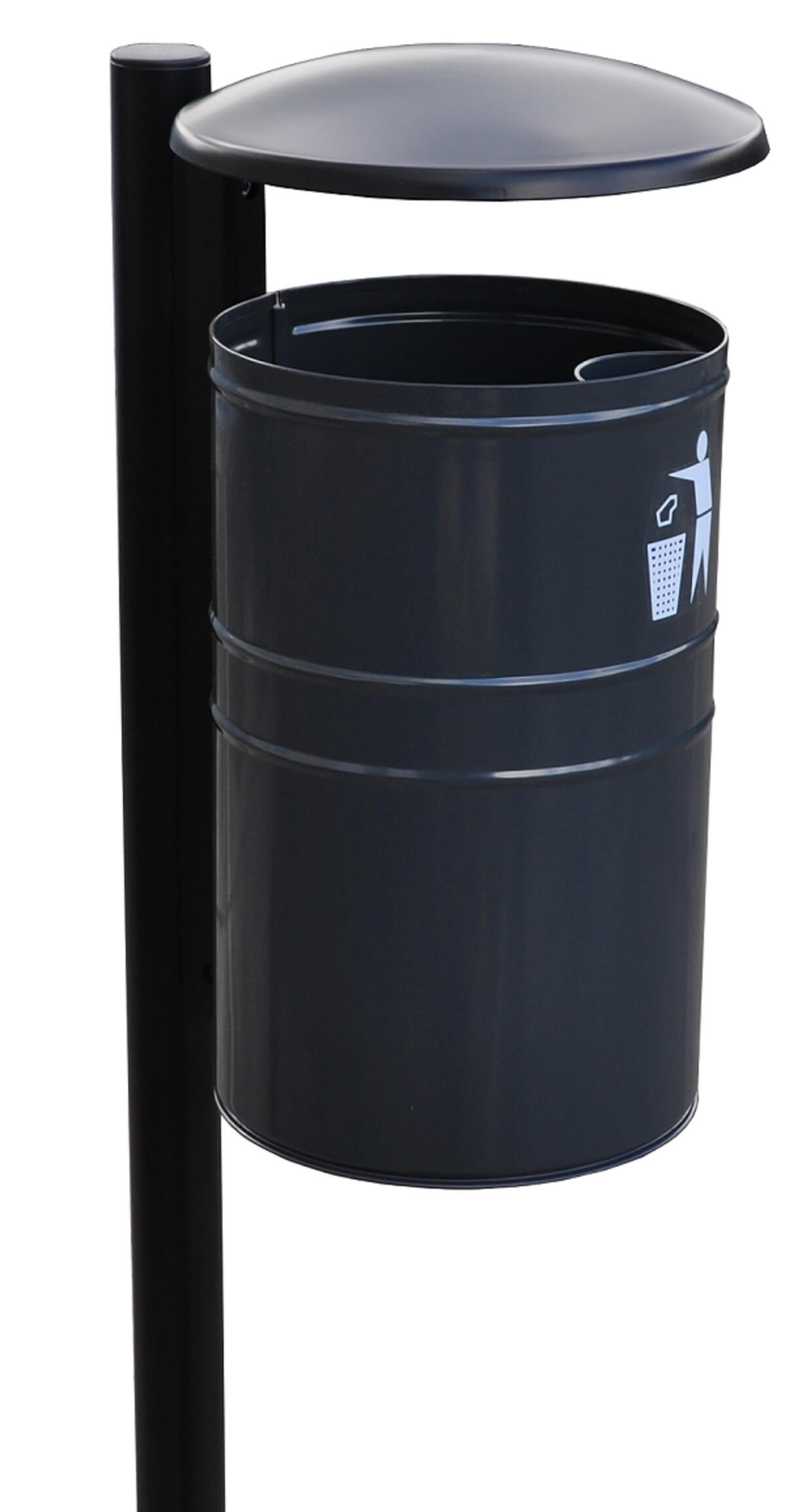
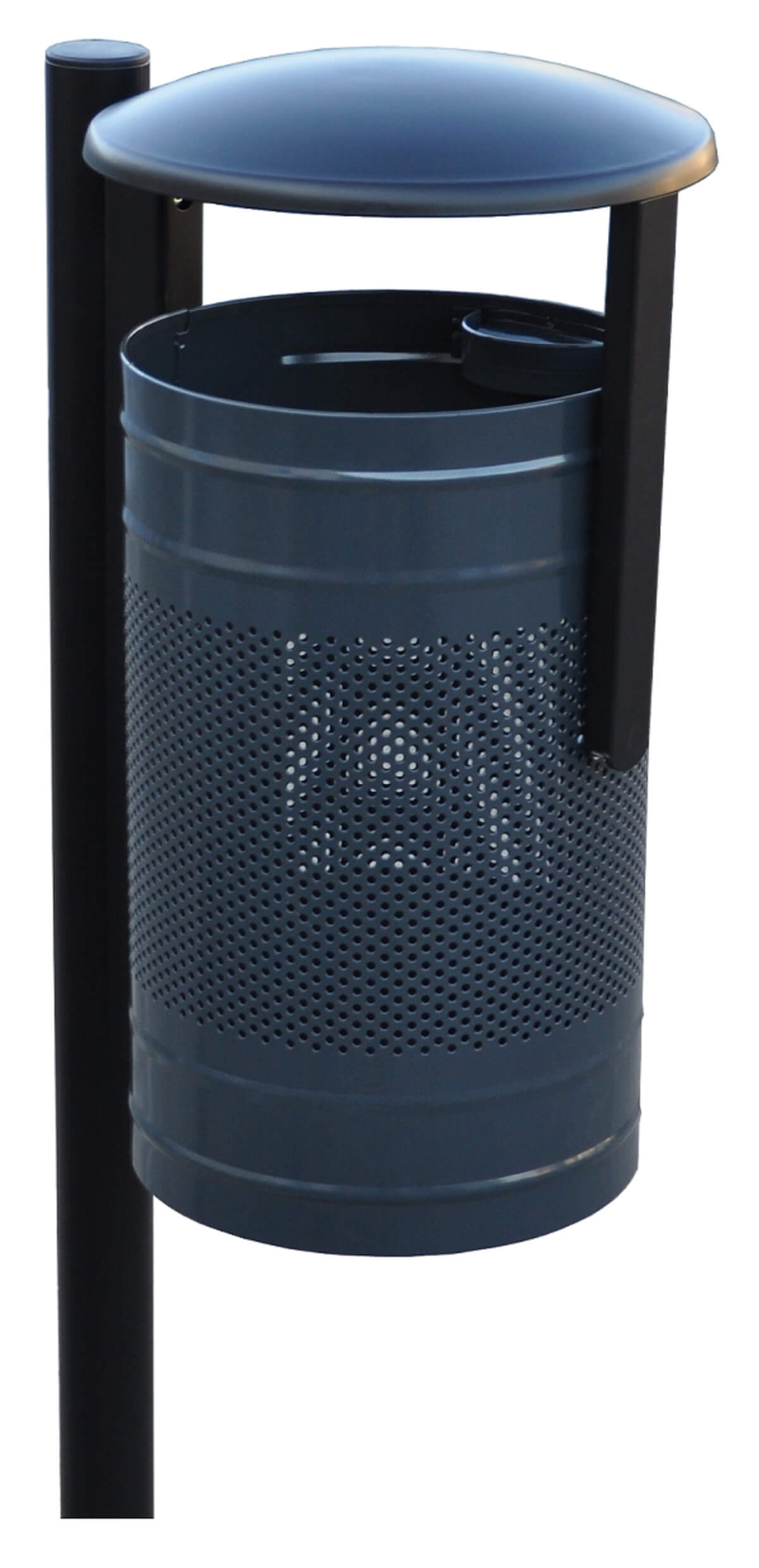
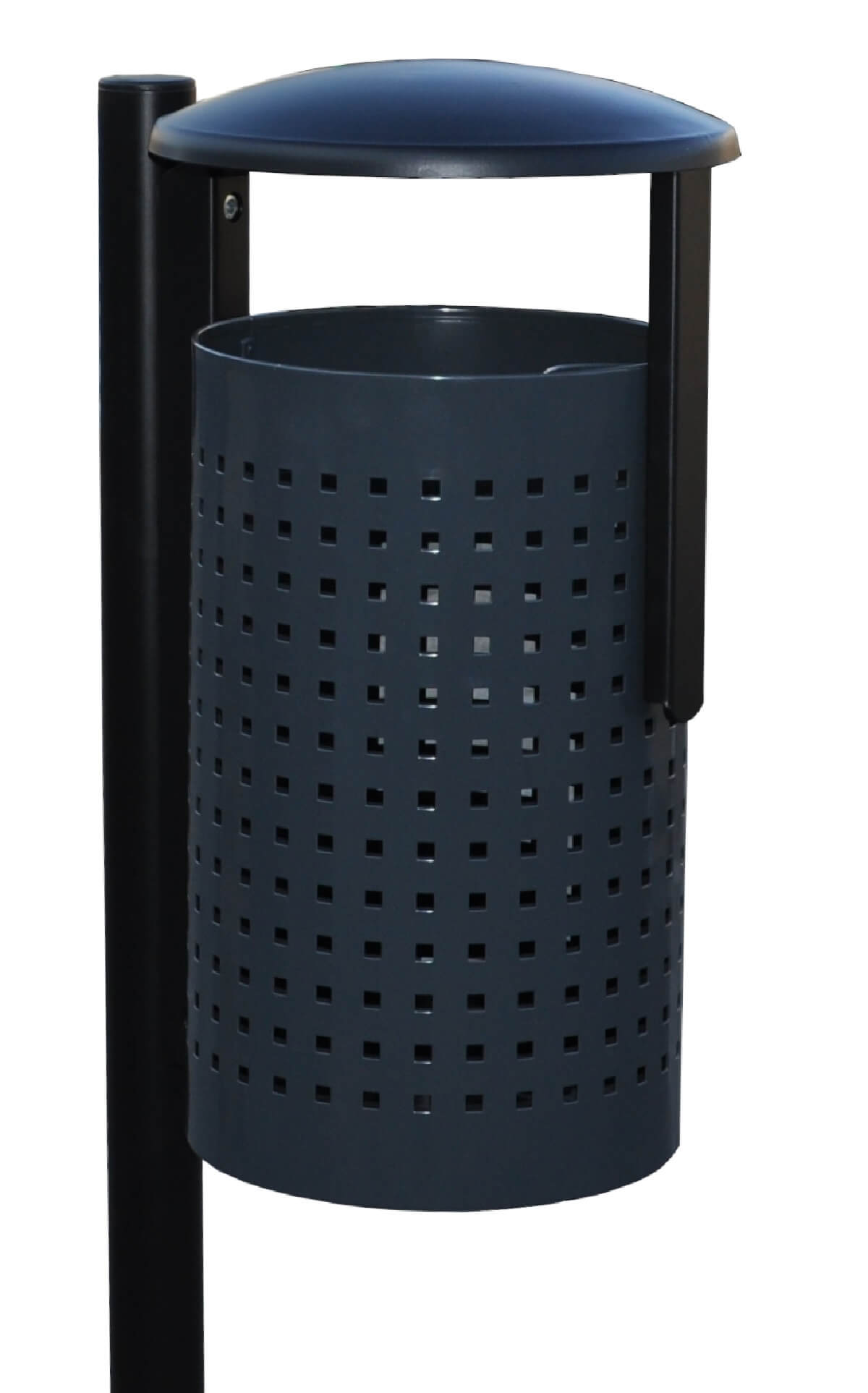
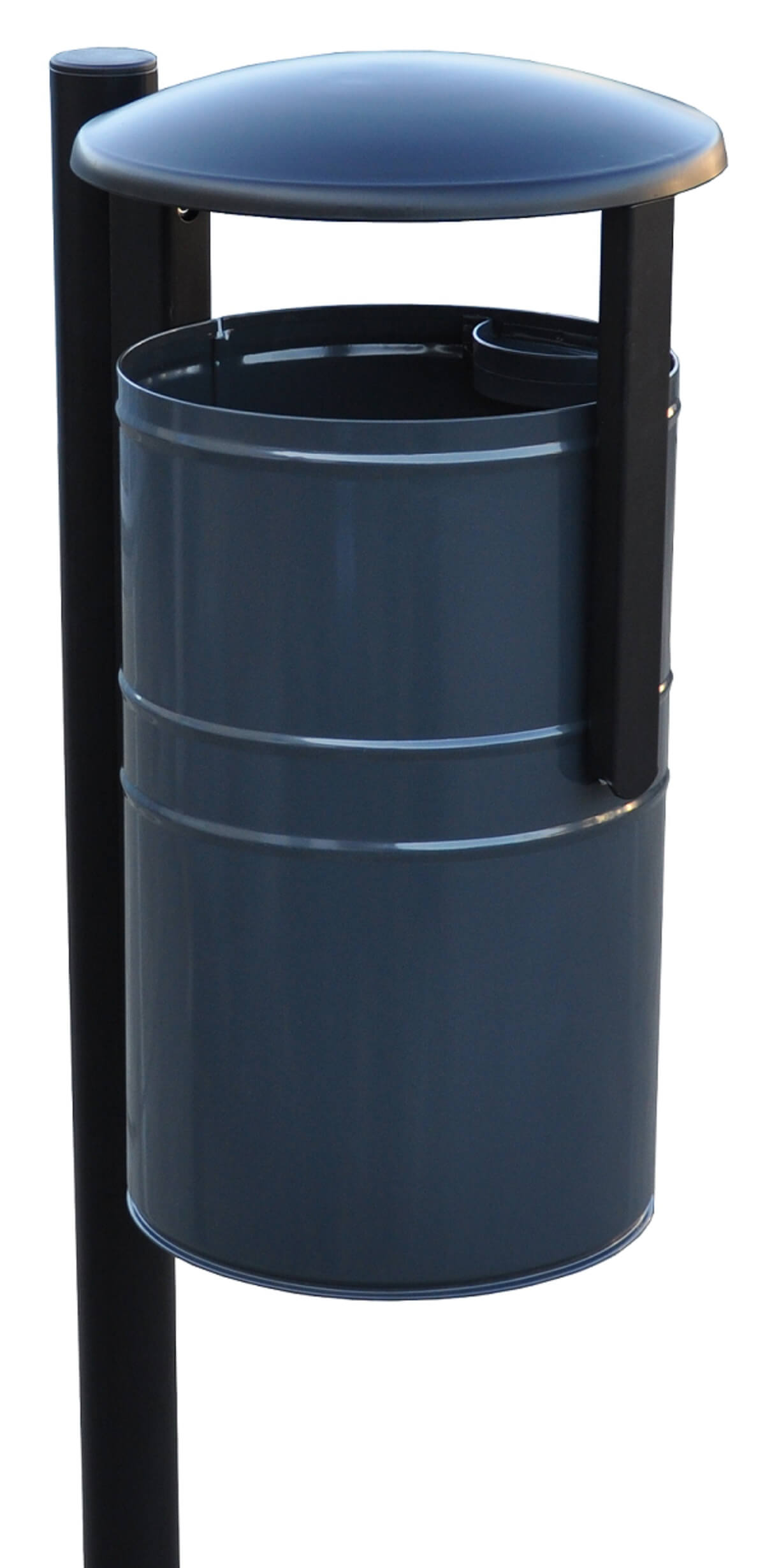
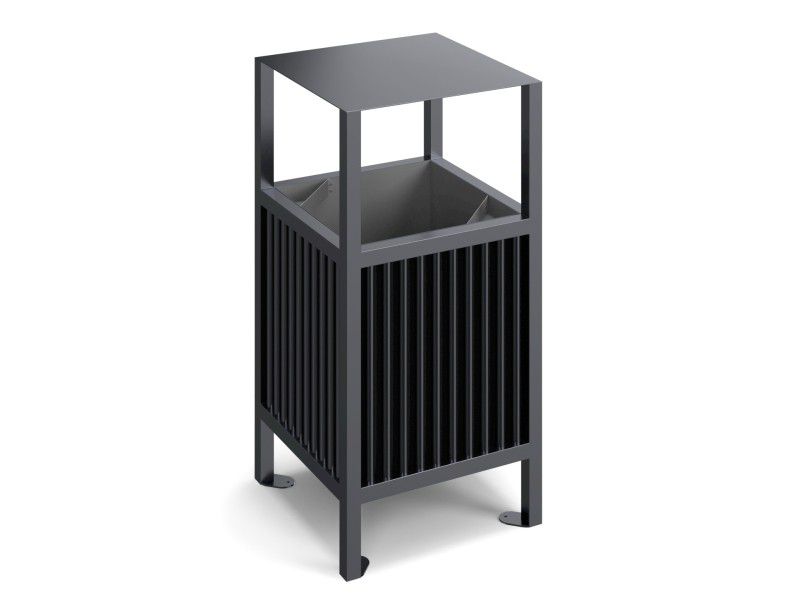
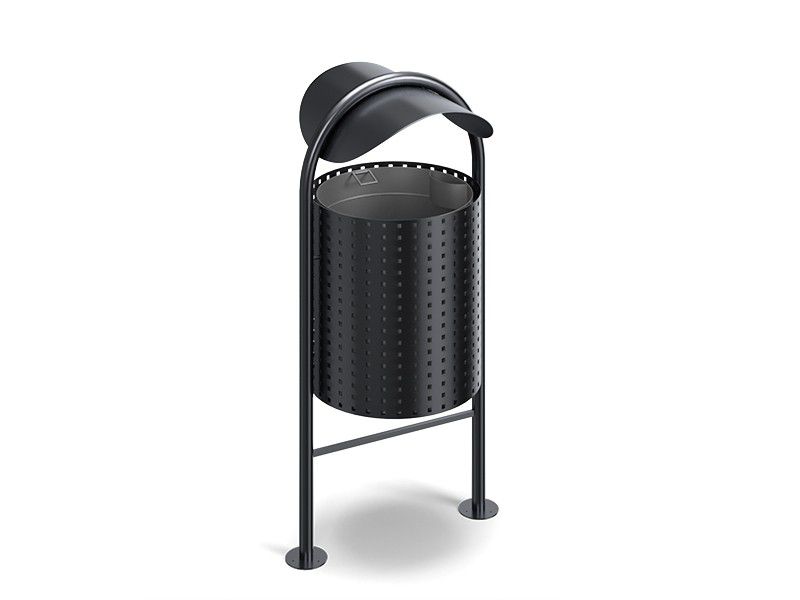
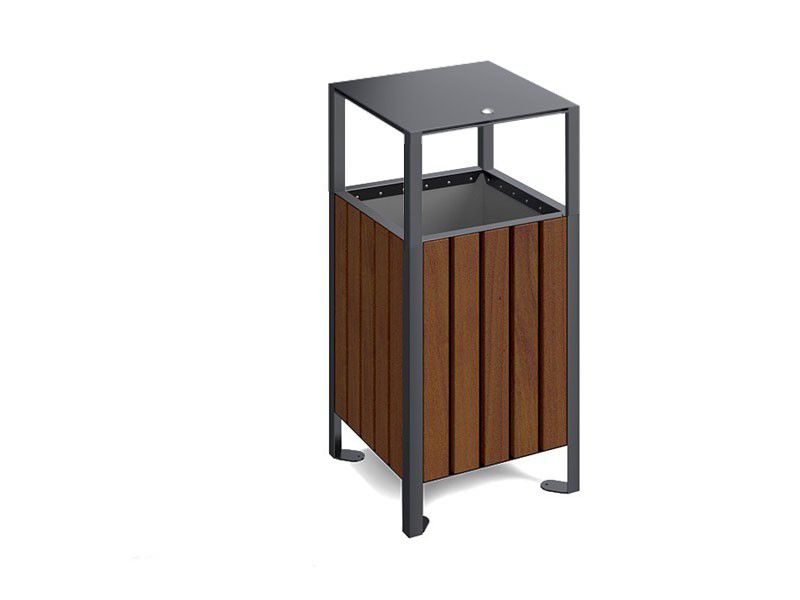
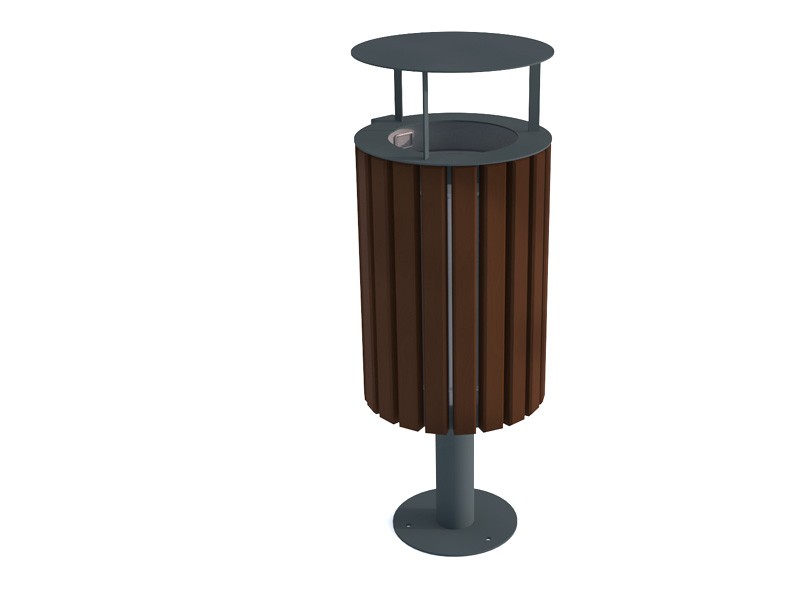
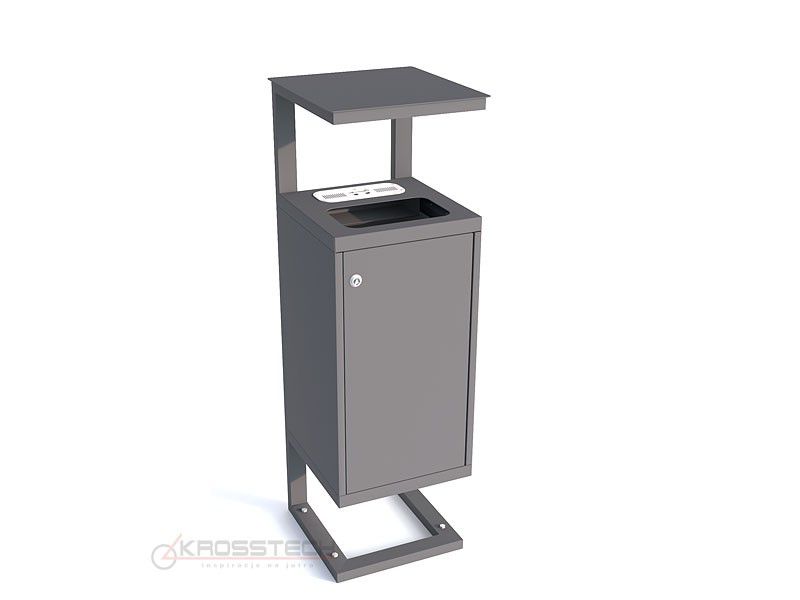
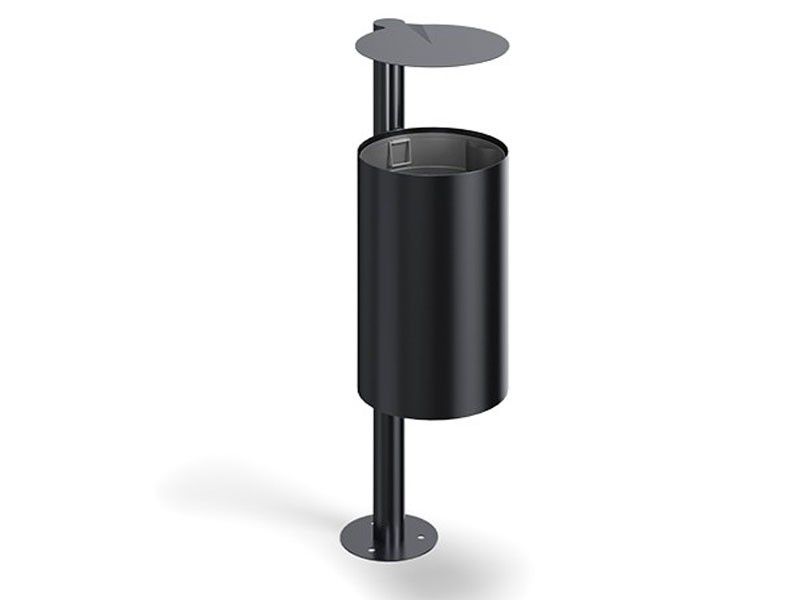
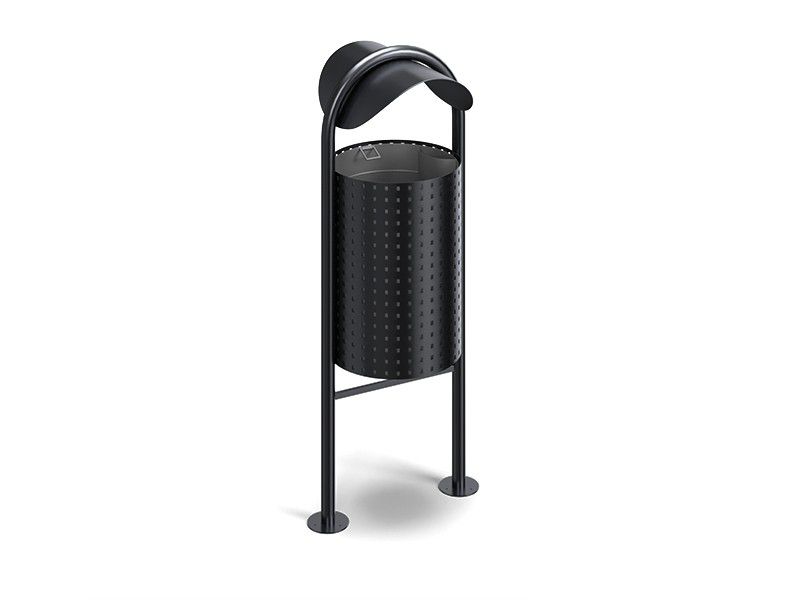
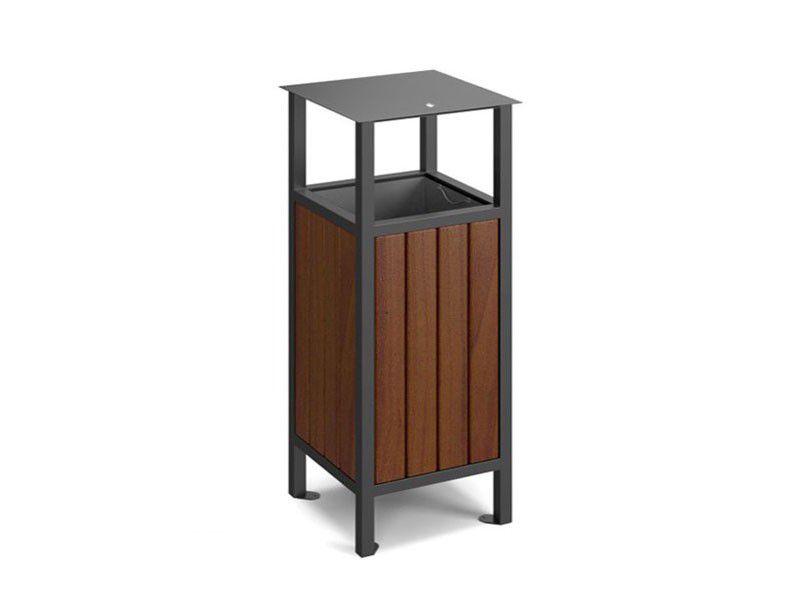
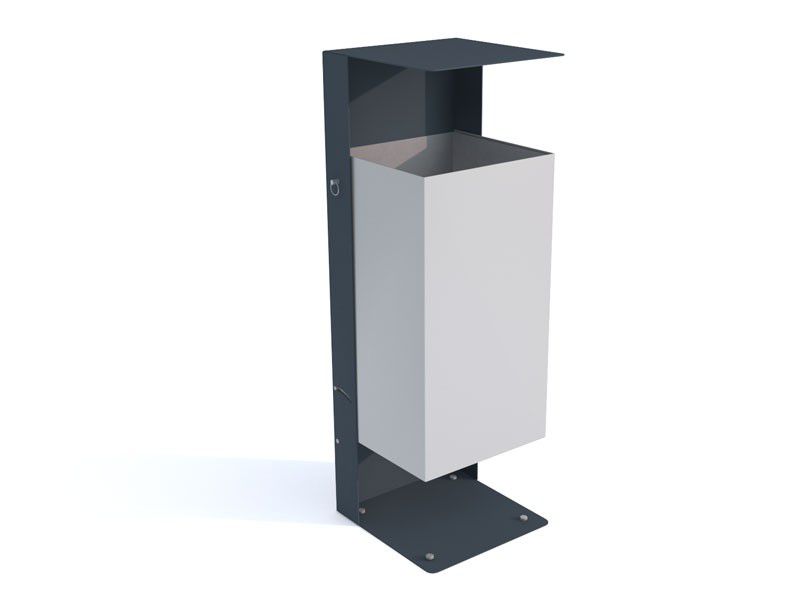
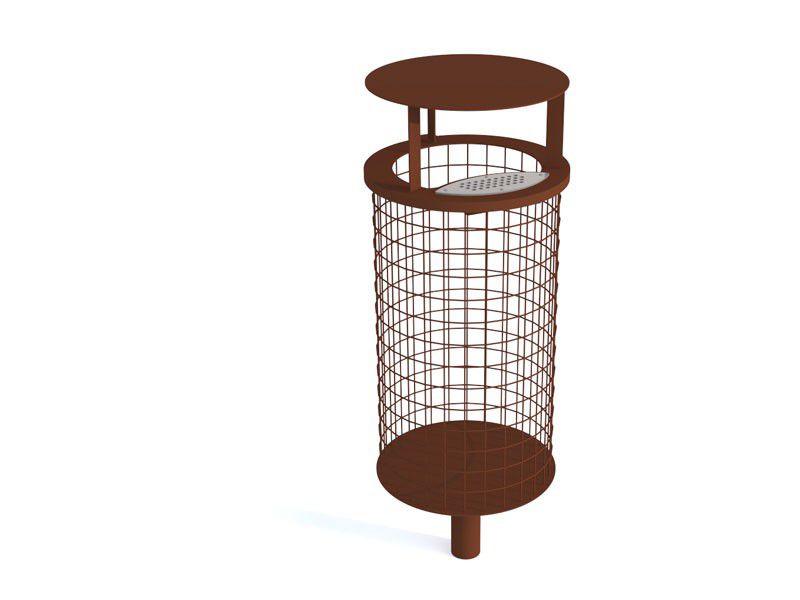
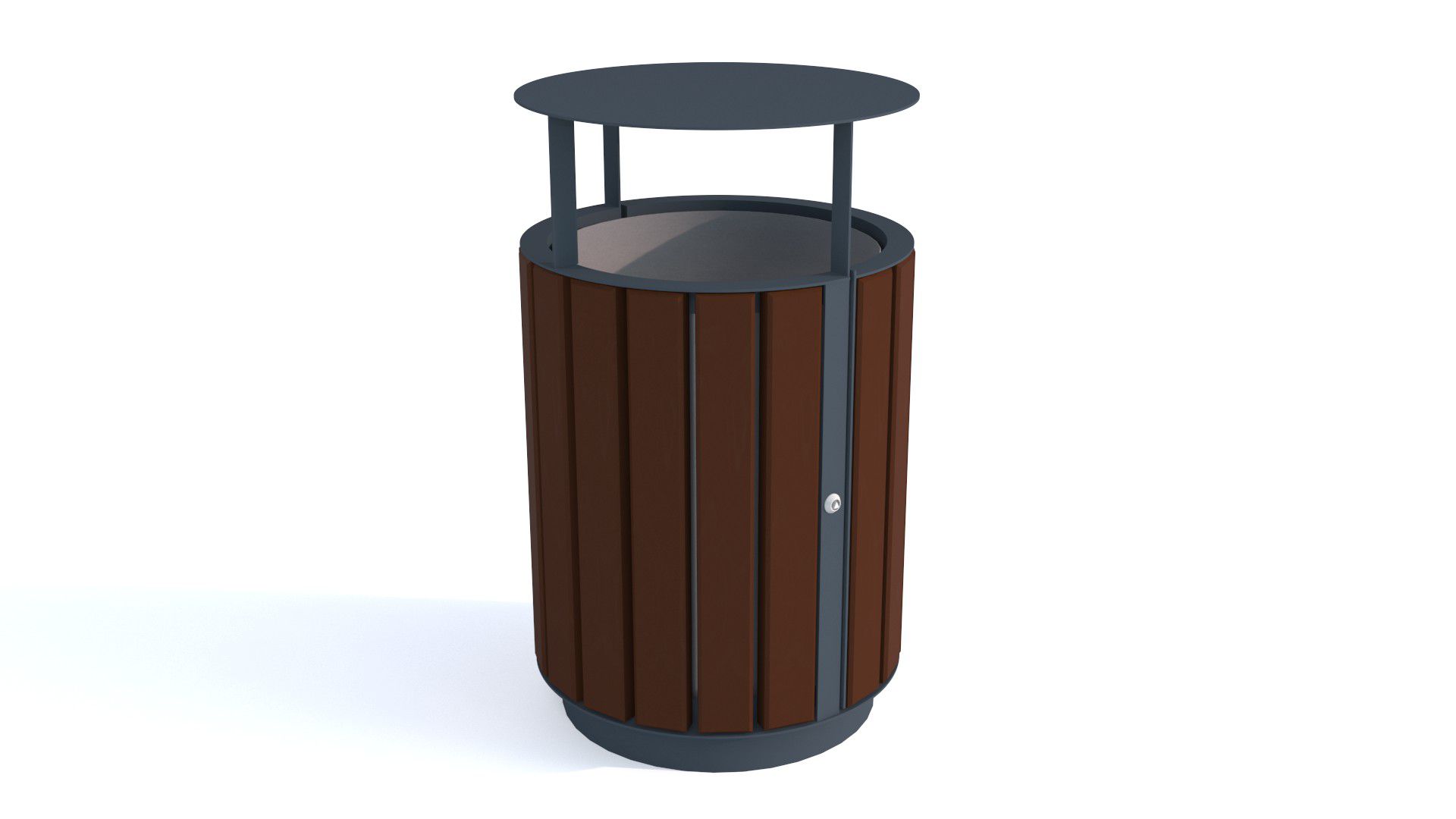
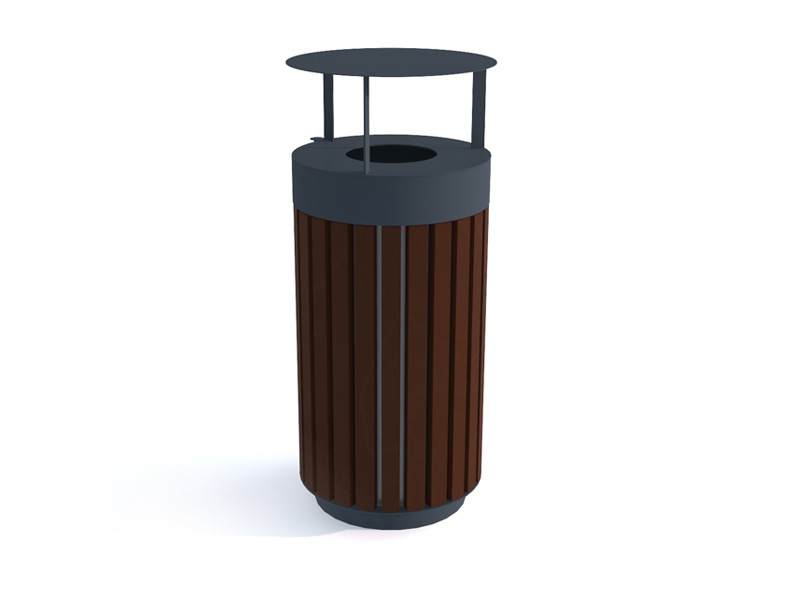
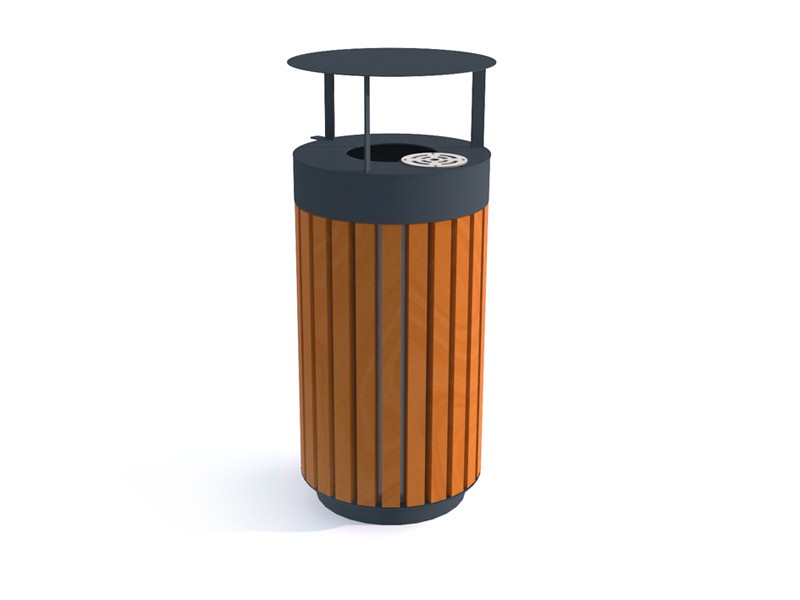
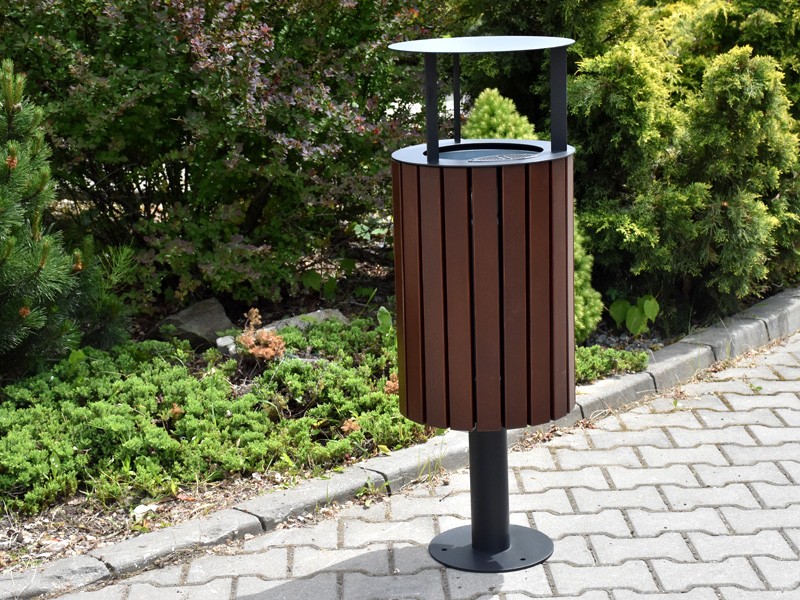
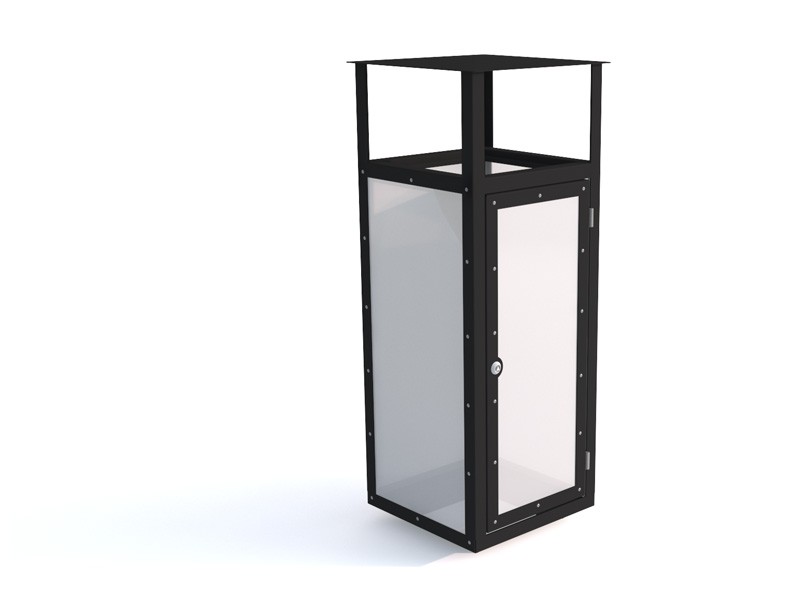
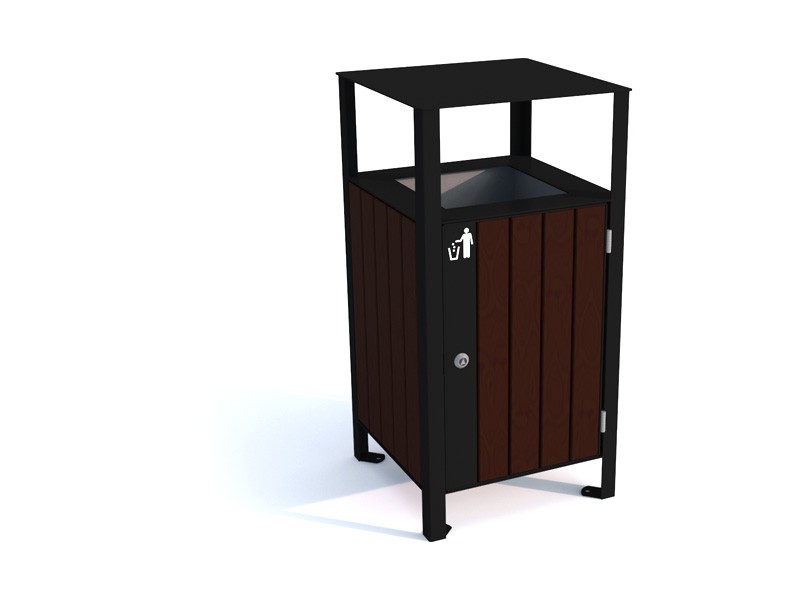
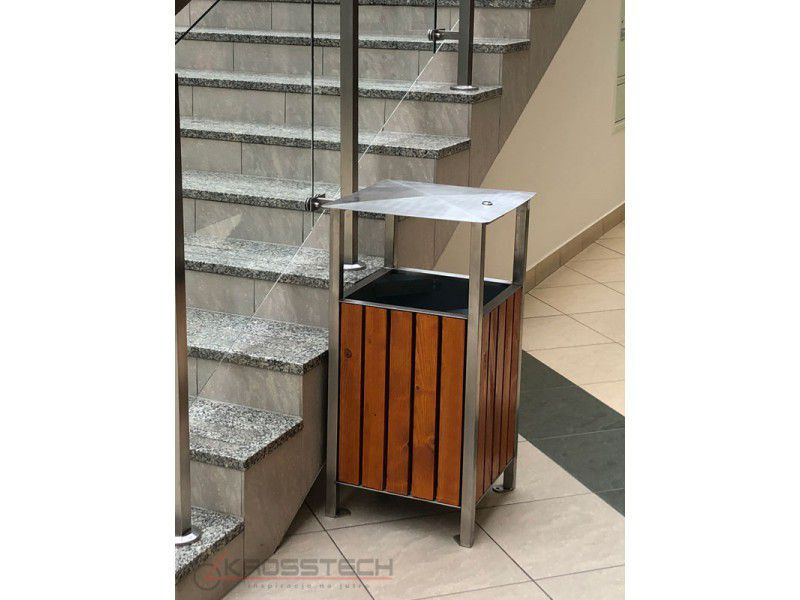
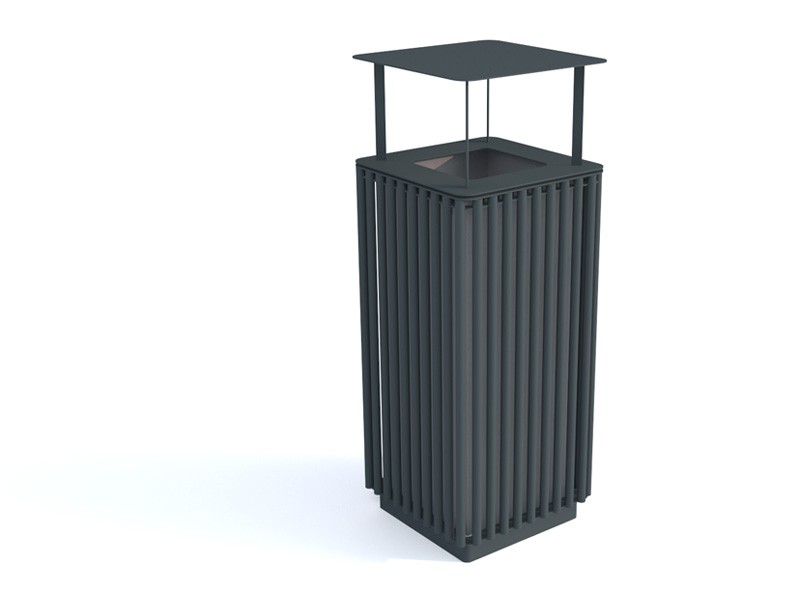
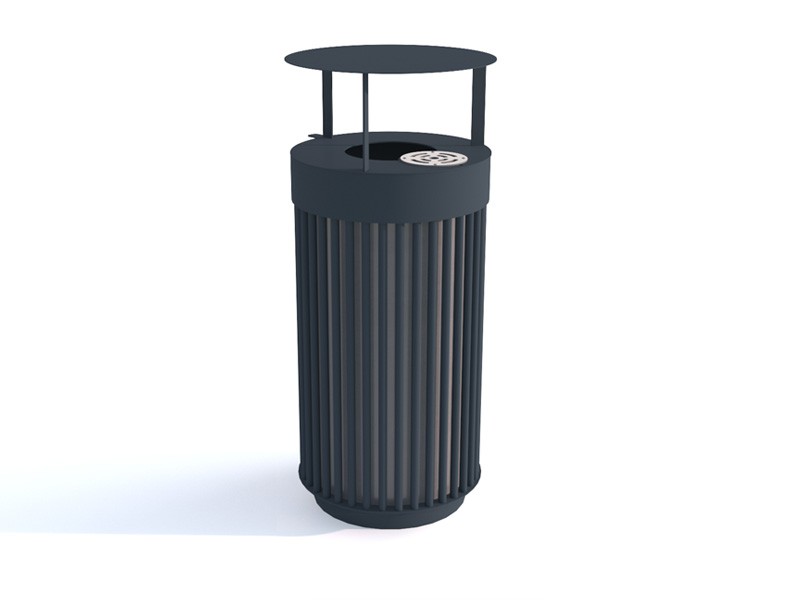
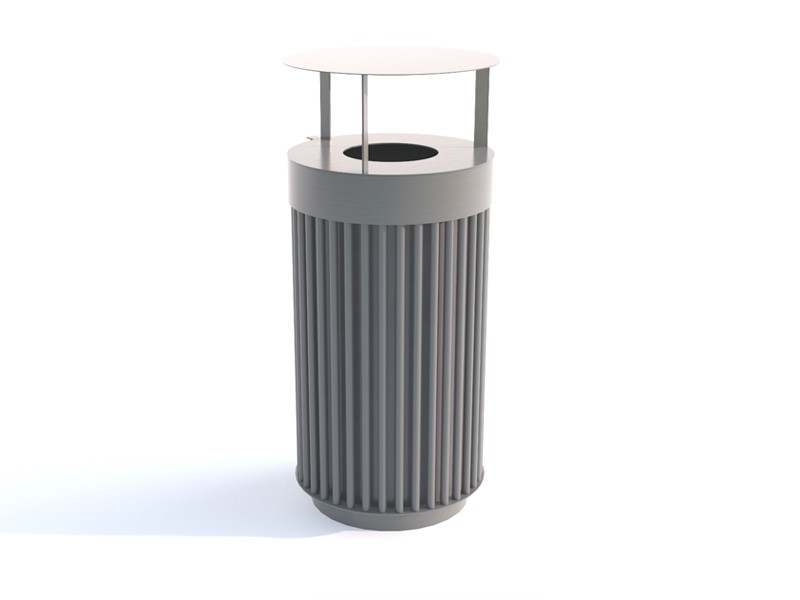
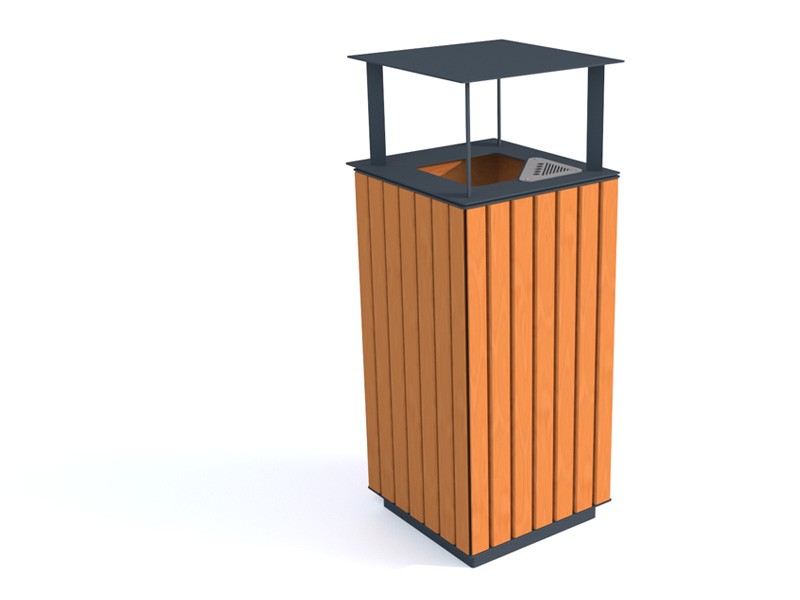
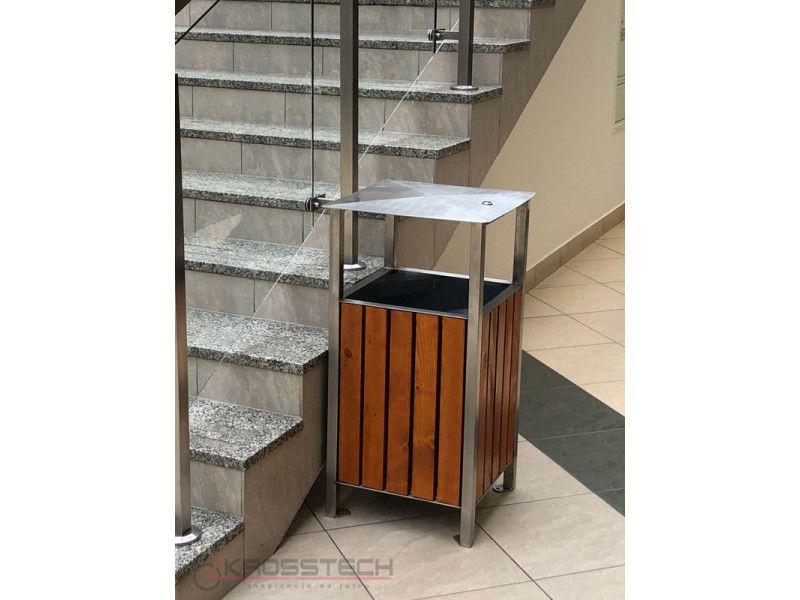
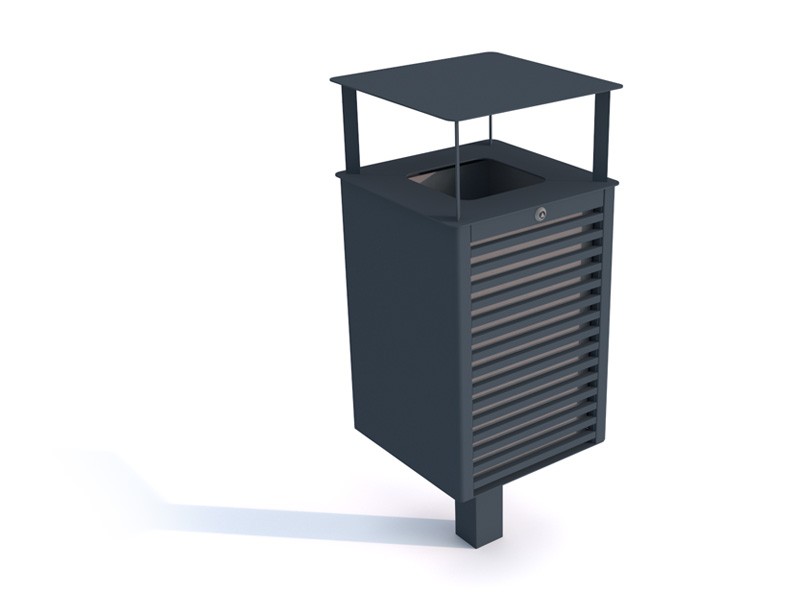
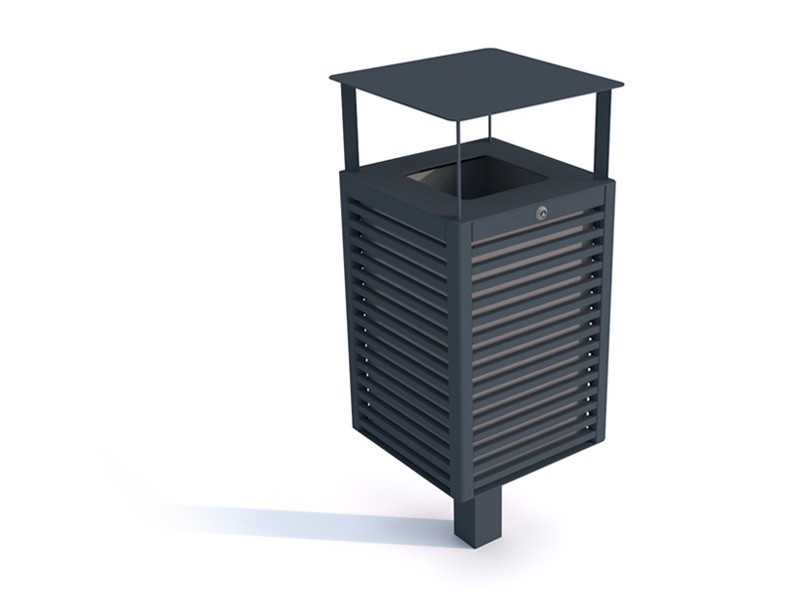
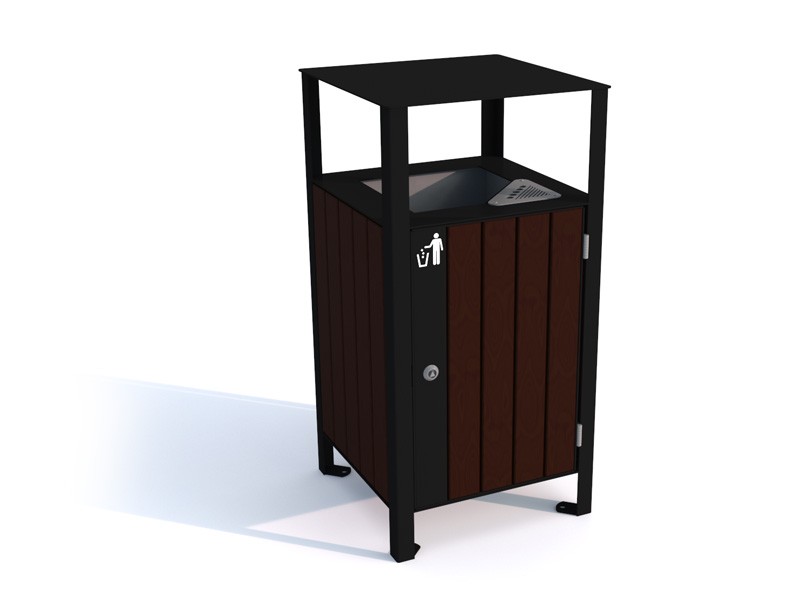
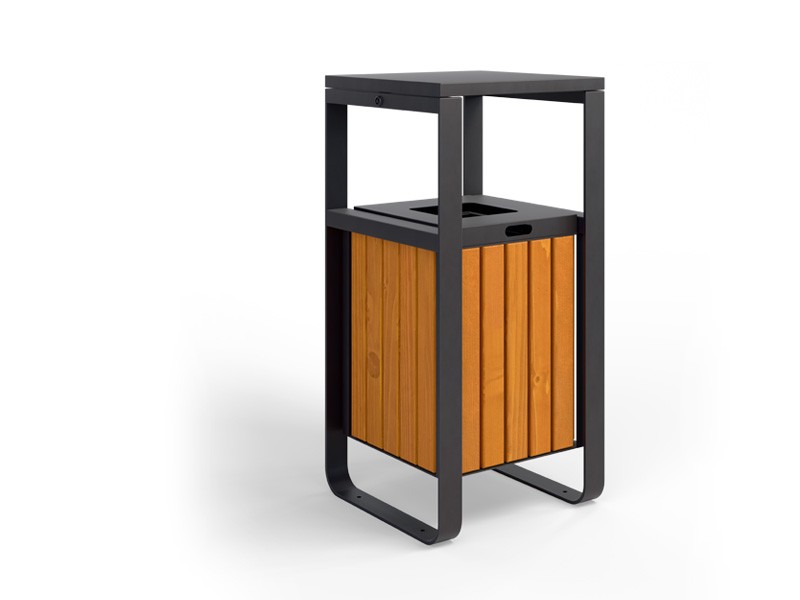
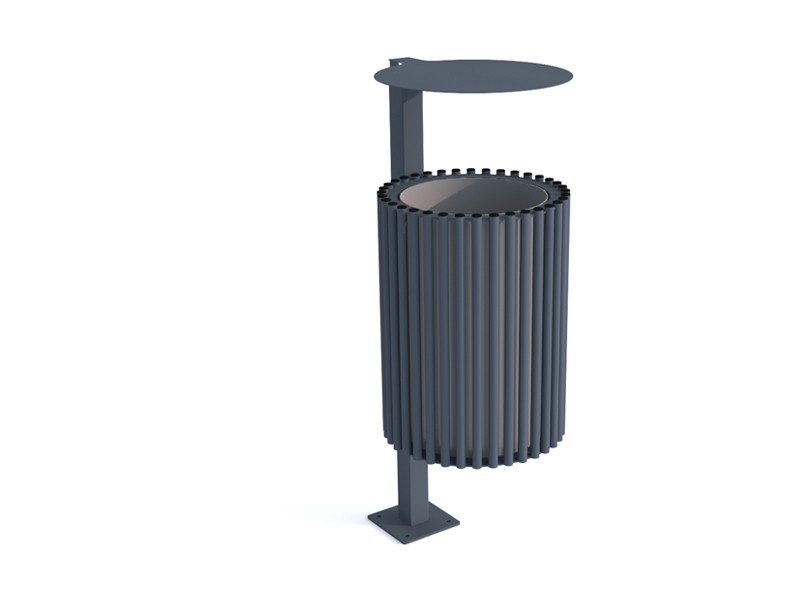
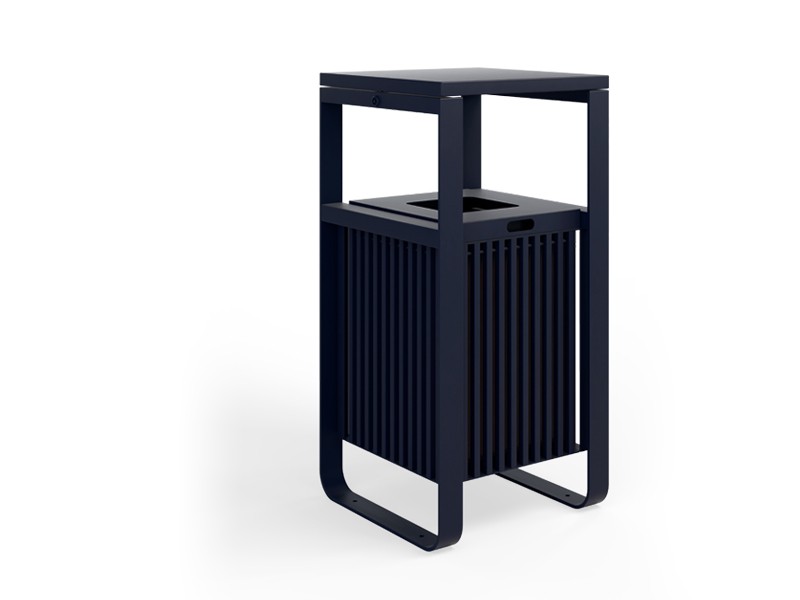
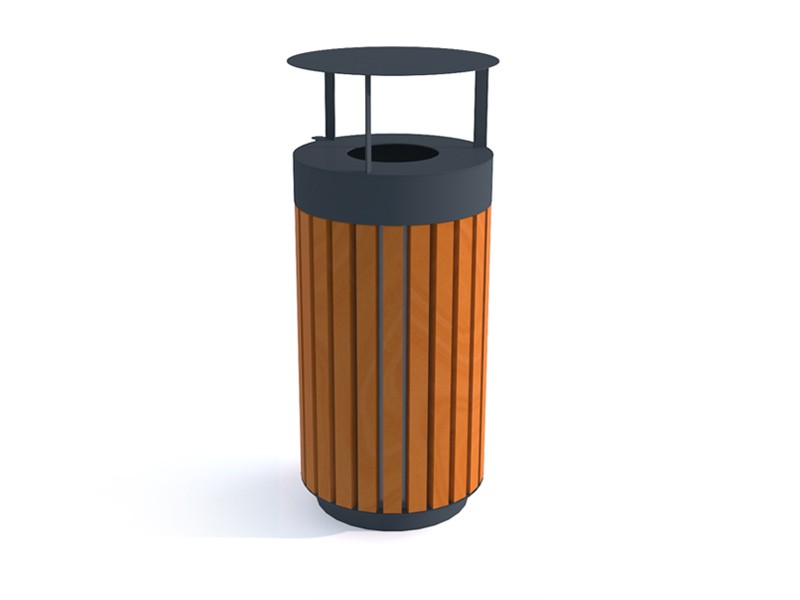
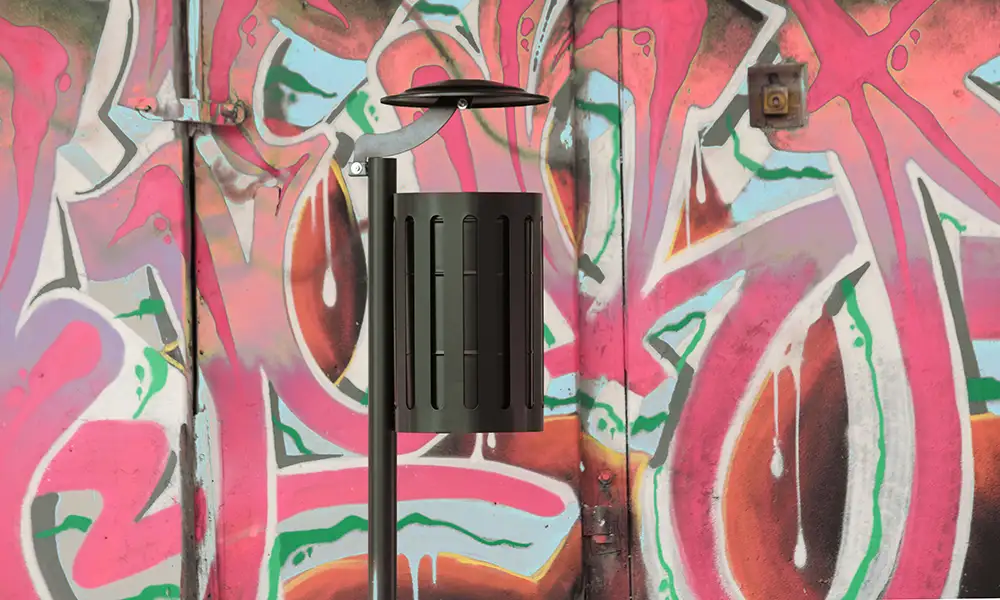
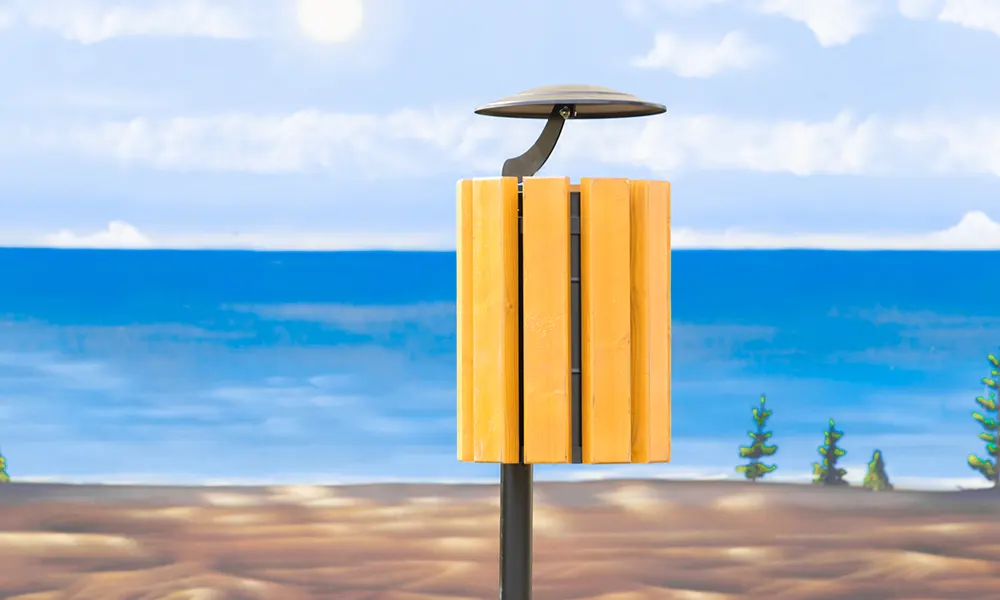
Litter bins with a canopy protect the contents from rain and reduce the amount of light waste blown away by the wind. They are a practical choice for locations exposed to changeable weather.
They are a popular choice at bus stops, car parks and transport hubs.
The canopy also cuts down on odours and insects in the warmer months, because the sun heats the contents of the bin less. Public transport stop managers and car park operators often choose this solution, as their bins stand in the open all year round.
In our shop they form part of the street and park litter bins range, alongside other design variants.
A canopied litter bin is usually built on a sturdy steel frame that holds a removable liner, most often galvanised or made of UV-resistant plastic. This makes servicing much simpler: the operative emptying the bin does not have to handle the whole bin body, but simply lifts out the liner, empties it and puts it back.
How the bin is fixed to the ground depends on the location. In areas with heavy pedestrian traffic, such as bus stops and interchanges, bins are permanently fixed to a pad foundation or anchored directly into the surface. This reduces the risk of them being knocked over or moved by wind or accidental impact. In quieter locations a freestanding version on a stable base is sometimes enough, and it can be moved more easily when needed.
The capacity of a canopied litter bin is chosen mainly according to footfall at the location and how often it is serviced. At busy stops with high passenger numbers, larger liners that are emptied less often work well, while smaller models are enough in quieter residential locations. If capacity is too small and servicing is not frequent enough, the bin soon overflows and waste builds up beside it, which harms the image of the whole space.
Compared with a version without a canopy, a canopied model usually costs a little more to buy. This is offset by a lower risk of litter spreading around the area in strong wind or heavy rain. Wet contents are heavier and harder to handle, and they spill onto the pavement more easily when the bin is full. For this reason, in locations highly exposed to the weather, such as open squares or along busy pedestrian routes, a canopy is often a practical feature rather than a decorative extra.
Public transport operators and highway authorities often choose canopied litter bins as standard equipment for stops. Servicing them is predictable, and because the contents stay drier, maintenance costs remain lower over the long term than with open models, which are exposed directly to rain and snow all year.


Contact
Need help choosing?
If you are not sure which solution is right for your space, please contact us. We will help you choose products tailored to your needs.