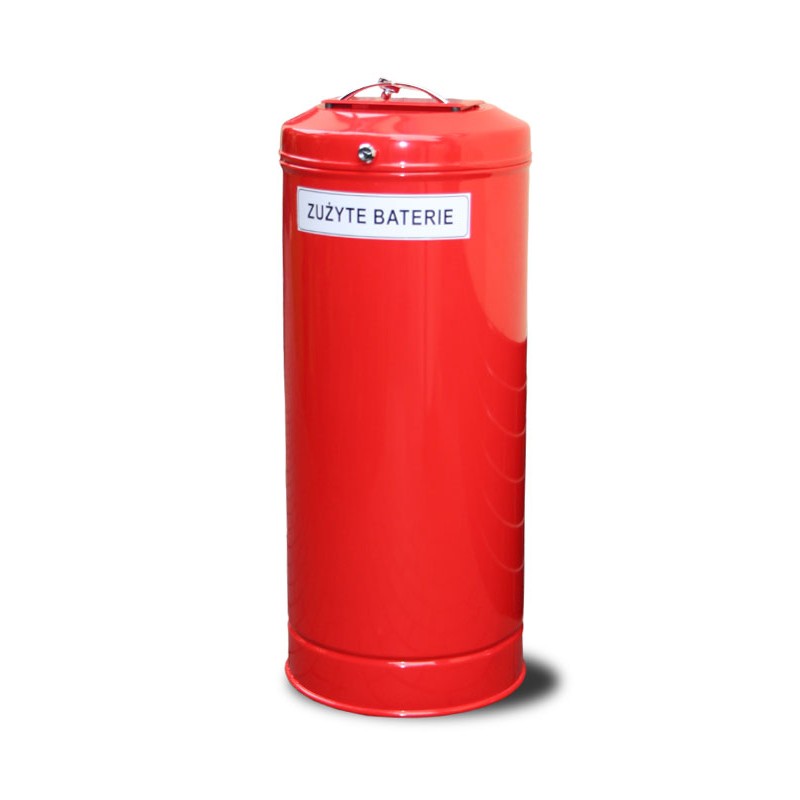
Used battery collection containers
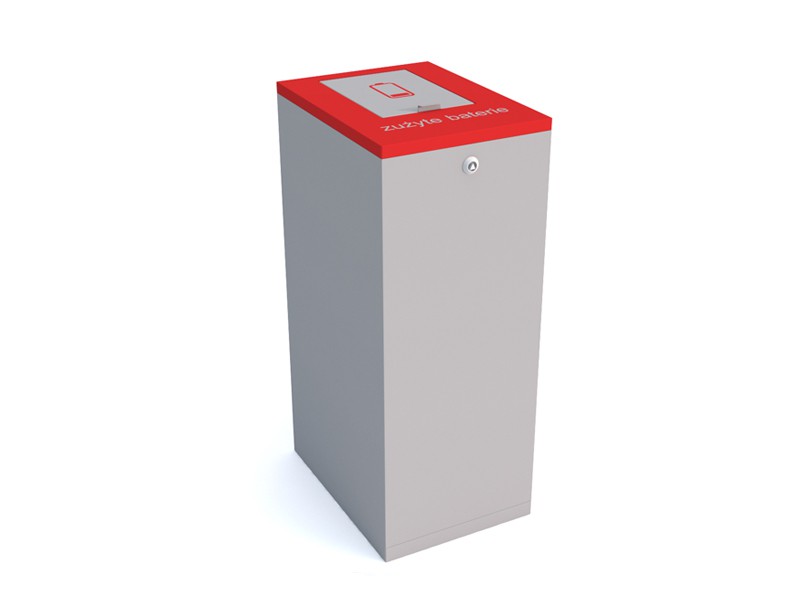
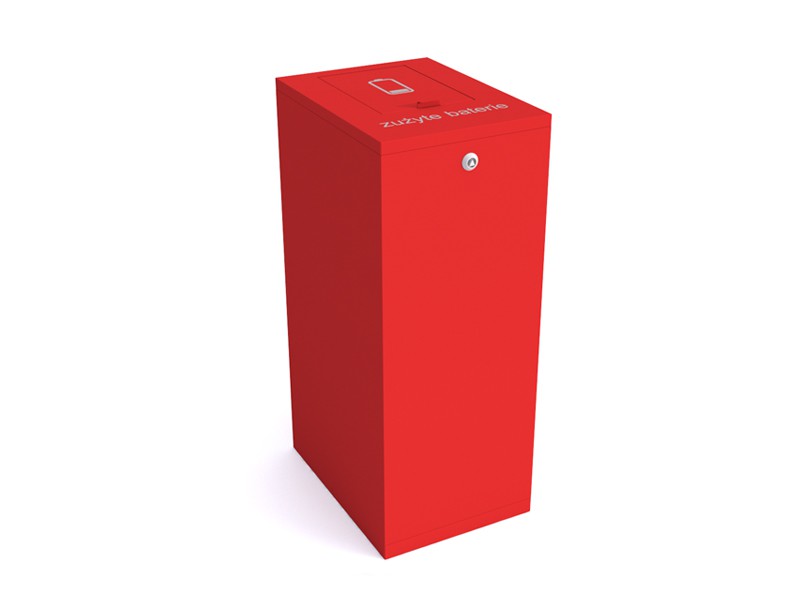
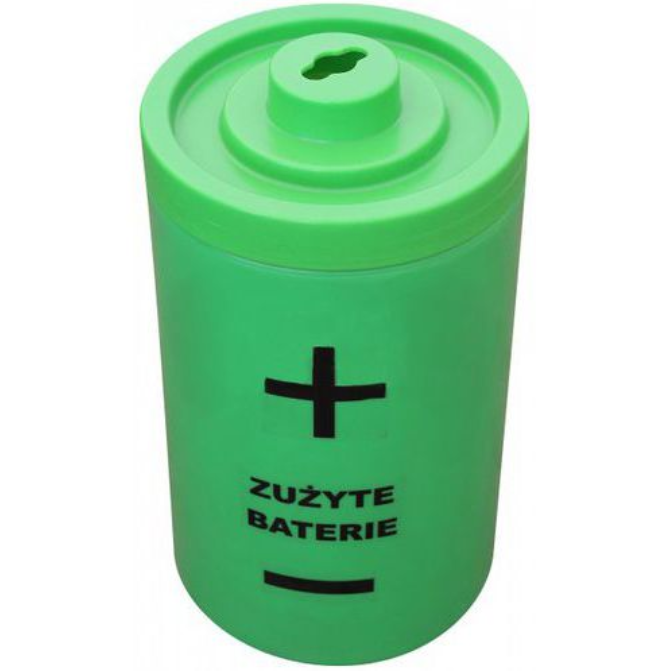
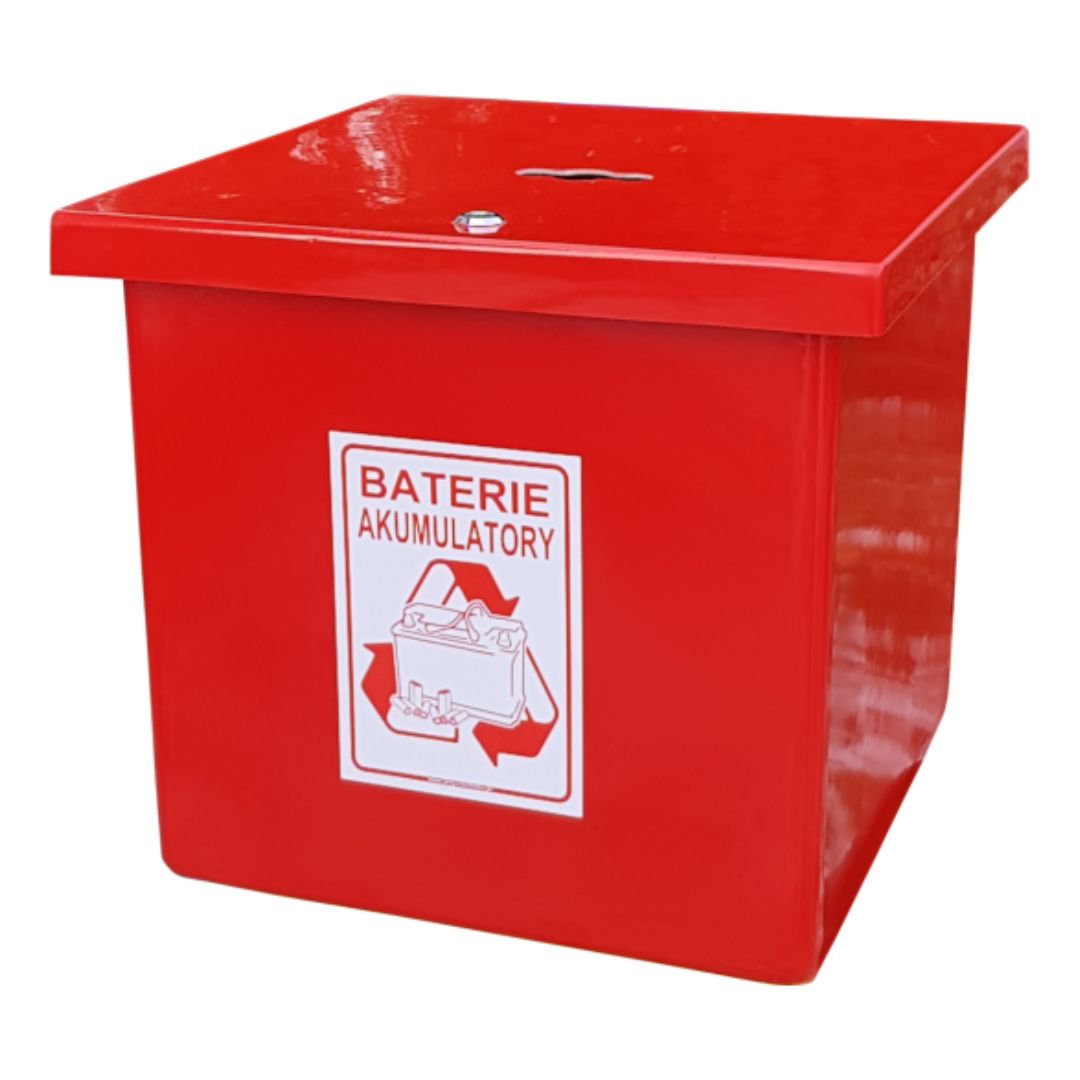
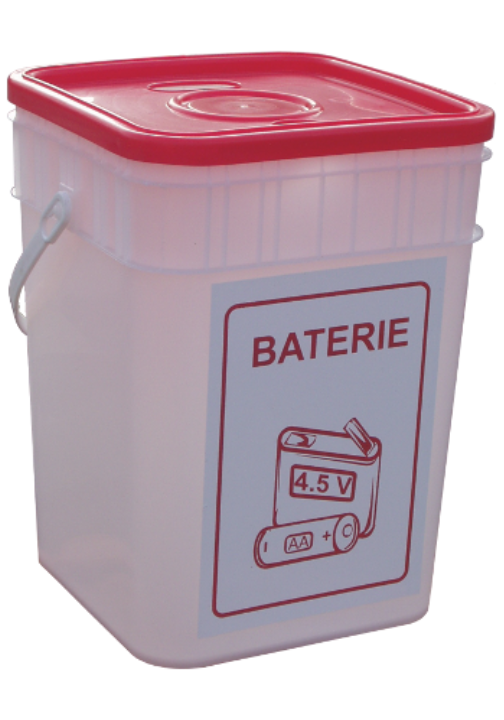
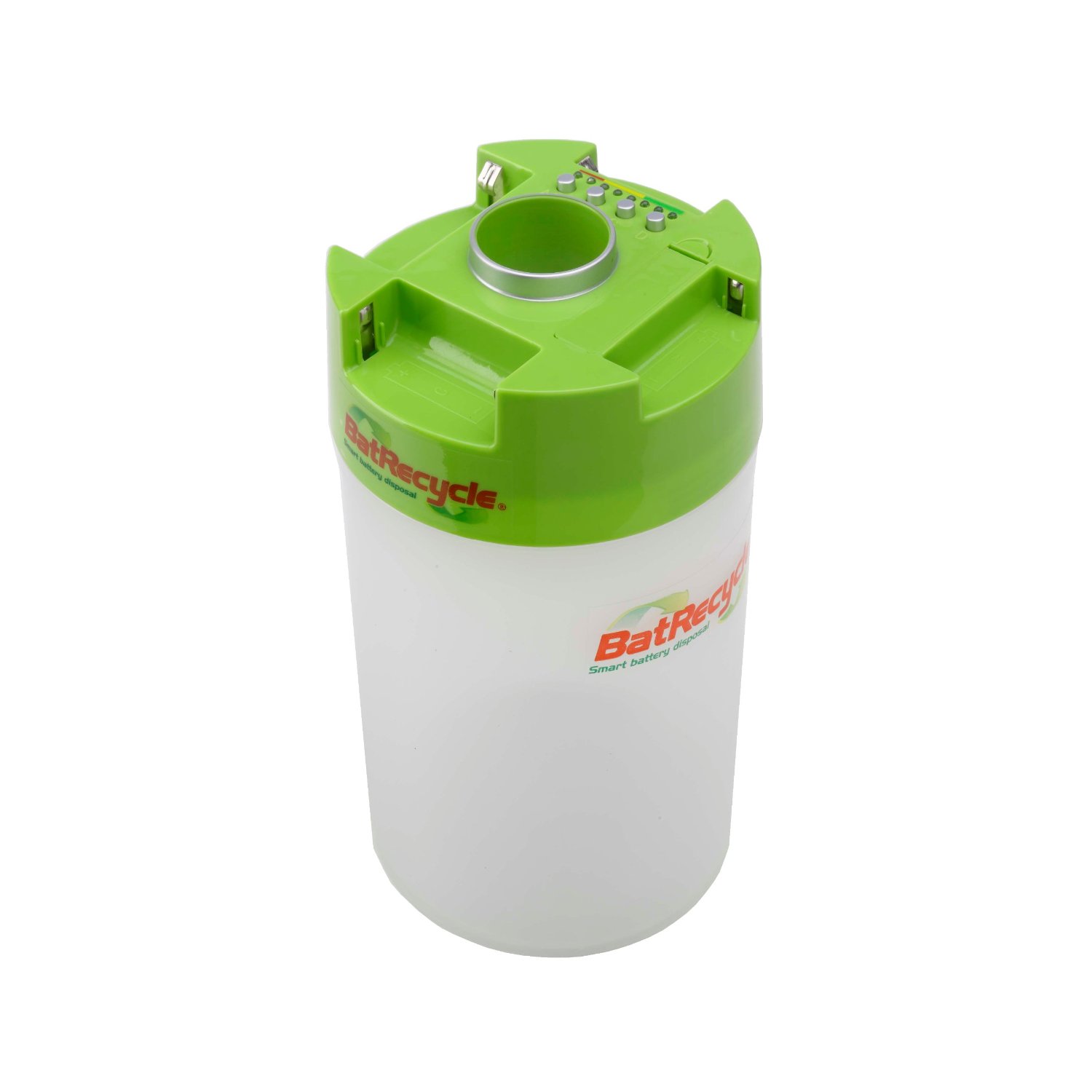
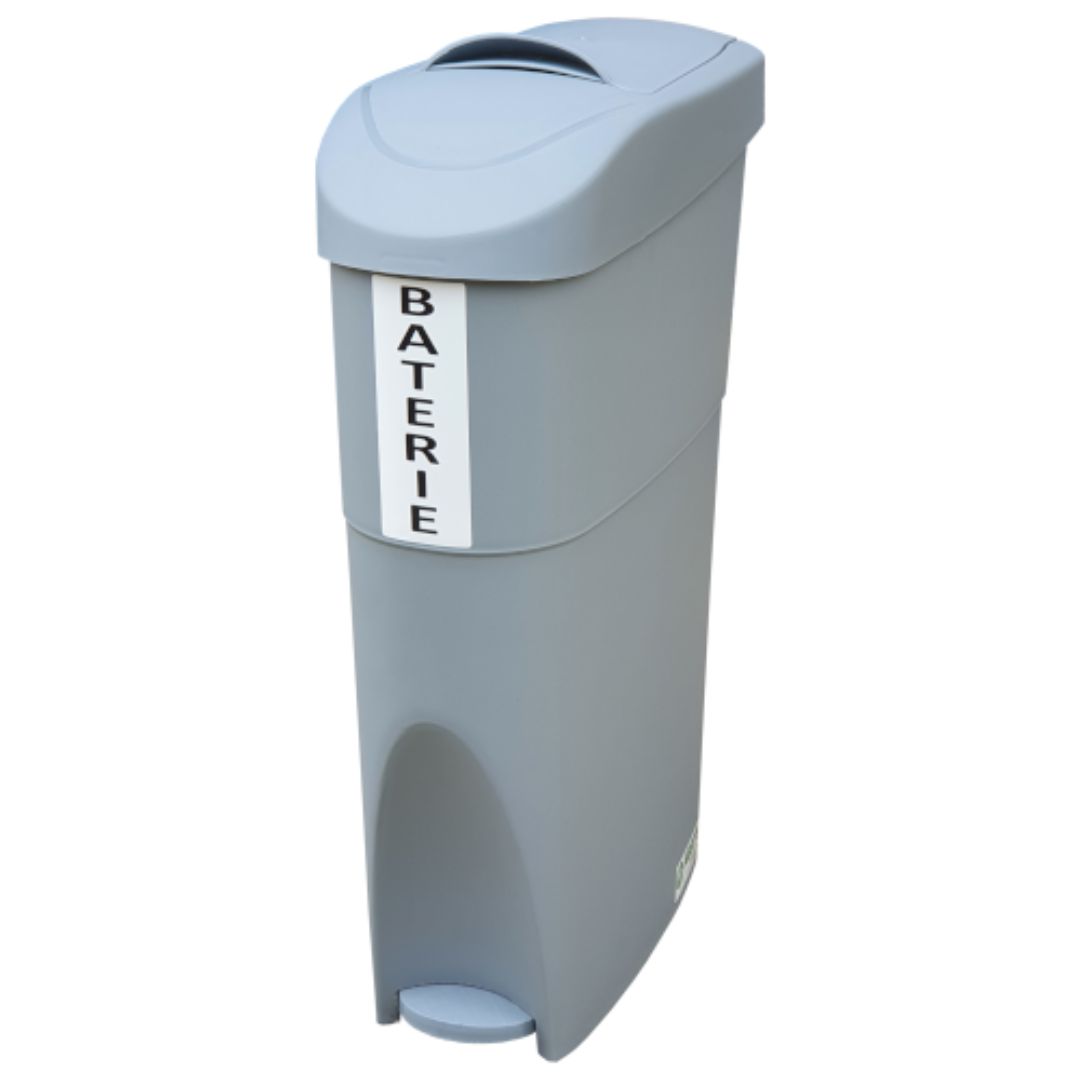
Used battery collection containers are mandatory equipment for shops, schools and public offices. Batteries contain heavy metals and therefore require separate, safe collection, kept apart from other waste.
Batteries are one of the fractions covered by the wider category of hazardous waste containers.
Their compact dimensions allow them to be placed at a building entrance or at a customer service point.
A design with a closable flap or a narrow insertion slot reduces the risk of the contents spilling out and is easy to use for customers and pupils. A removable inner container speeds up emptying, with no need to dismantle the whole housing at each collection.
Shops that sell batteries and accumulators are obliged to allow customers to return them free of charge, so a collection container of this type is often one of the first items of equipment at the checkout or in the customer service area. Similar obligations apply to educational establishments that run battery collections as part of environmental programmes for pupils.
The housing is usually made of powder-coated metal or durable impact-resistant plastic, and the interior is lined with a material that reduces the risk of short circuits between deposited cells. This is particularly important for lithium batteries, which can pose a fire hazard if their casing is damaged.
The size of the container is chosen according to the expected volume of returns. Small models of a few to a dozen or so litres work well in small local shops, while busier outlets such as supermarkets and electronics stores use capacities of several dozen litres, which need emptying less often despite intensive use.
It is advisable to agree the collection frequency with an authorised battery recycling operator before periods of increased returns, for example after the holiday season, when replacing batteries in toys and electronic devices given as gifts significantly increases the number of cells handed in.
Beyond the container itself, it is worth ensuring the collection point is clearly marked. A sticker or information sign at the entrance to a shop or educational establishment raises awareness among customers and pupils that the location accepts used batteries, which genuinely increases the number of cells returned compared with an unmarked container placed in a less visible spot.
The contents of the container should be collected only by an operator holding the appropriate authorisations to transport and process used batteries. The establishment responsible for the collection point keeps documentation confirming the transfer of the waste, which may be important during any inspection of the institution's hazardous waste management.


Contact
Need help choosing?
If you are not sure which solution is right for your space, please contact us. We will help you choose products tailored to your needs.