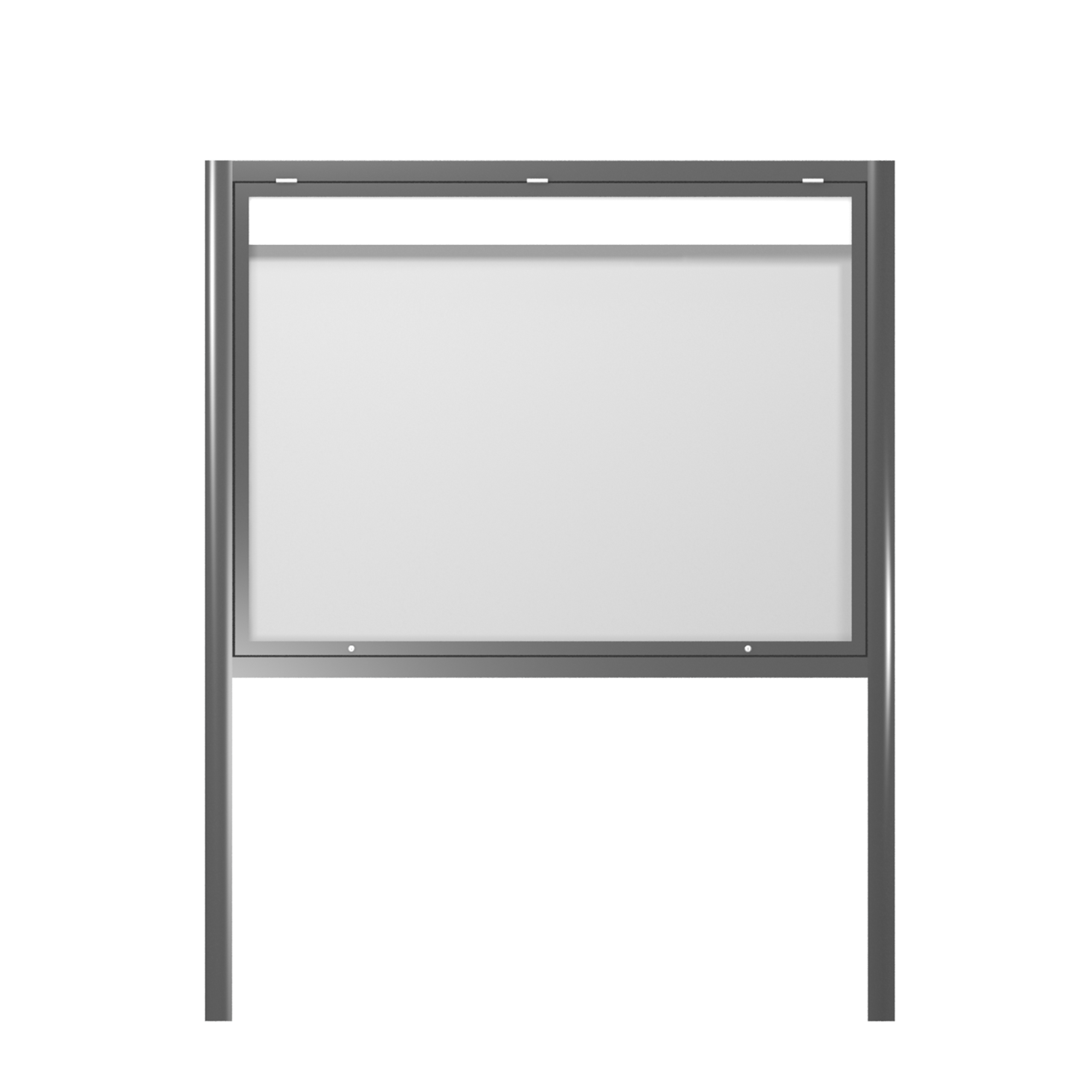
Information boards
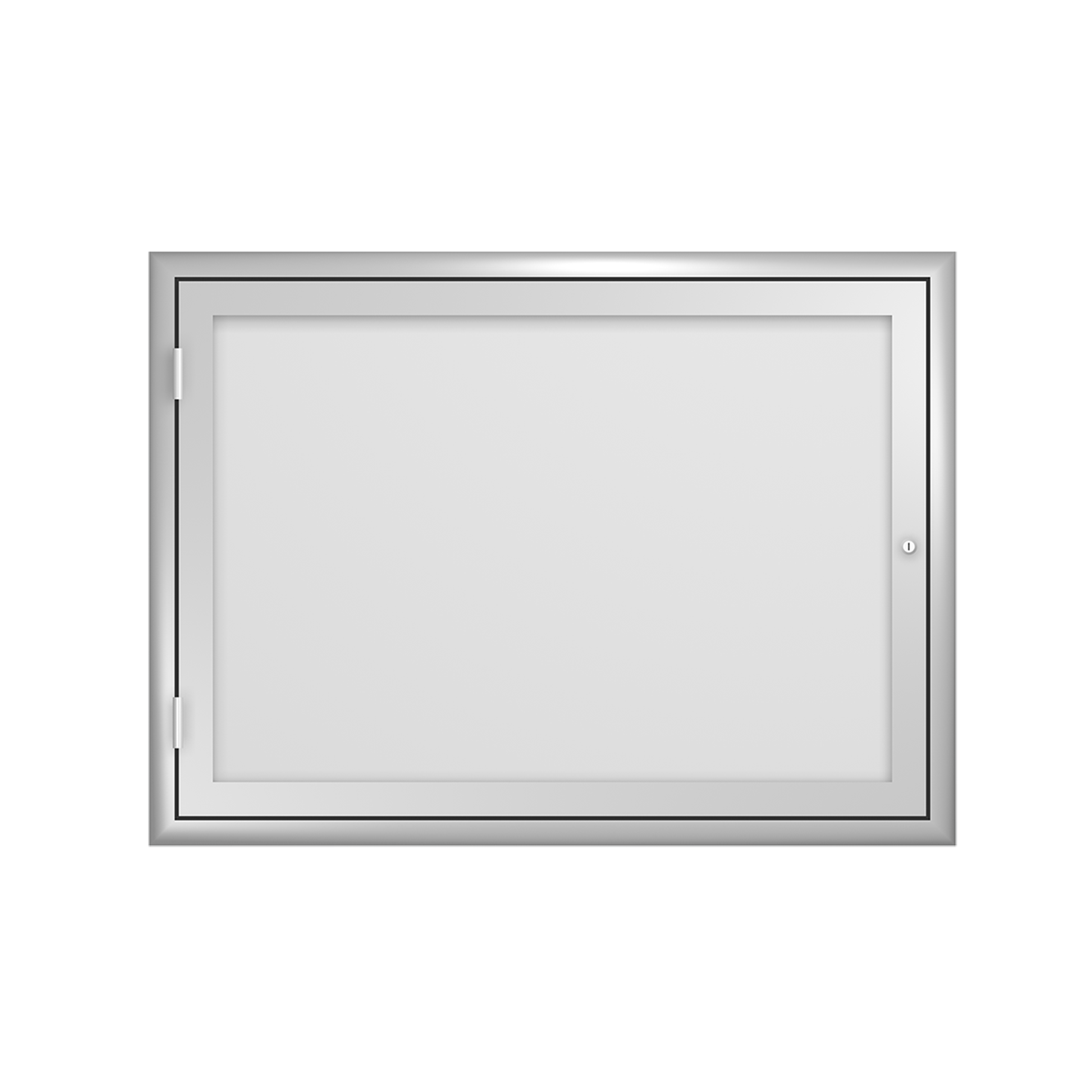
Information boards are part of the furnishings of parks, housing estates and tourist trails, helping with wayfinding and conveying important messages to residents and visitors, such as rules, maps, notices or educational information. A durable, weather-resistant construction keeps the message legible throughout a long service life. Although boards serve a different function from street furniture, they are an integral part of the small architecture category.
We manufacture single- and double-sided boards, mounted on posts or as display cases with a lockable, moisture-protected space for interchangeable posters and notices. Because the graphics and content can be custom designed, they are suitable both for educational trails and as rules boards at playgrounds or outdoor gyms.
The material a board is made from has a direct effect on how long the print lasts in sunlight. Composites such as Dibond and HPL laminates retain colour legibility for many years, whereas cheaper prints on ordinary self-adhesive film need replacing after just one or two seasons of intense UV exposure.
The board format should be matched to the distance from which it will be read. A board at a park entrance, passed at close range, can contain smaller text and more detail, whereas a directional sign on a trail, read while on the move, should be limited to a few large, legible graphic elements.
The mounting method (on a single post, two posts or as a wall-mounted display case) depends on the location and expected wind exposure. Twin-post structures provide greater stability for large formats, which is particularly important in open terrain, where stronger winds could compromise a single-post fixing.
Rules boards installed at playgrounds or outdoor gyms serve not only an informative purpose but also, in part, a legal one. Clearly defined rules for using the equipment make it easier for the site manager to enforce safety rules and reduce the risk of disputes in the event of an accident.
Educational boards on nature trails or learning paths gain value when the content is prepared together with a local expert, such as a forester, naturalist or local historian, rather than relying solely on widely available, generic descriptions that do not capture the character of the specific place.
Alongside traditional printed boards, versions with interchangeable slide-in panels are increasingly common, allowing content to be updated quickly without replacing the entire structure. This is a practical solution for boards with a frequently changing schedule of events.


Contact
Need help choosing?
If you are not sure which solution is right for your space, please contact us. We will help you choose products tailored to your needs.