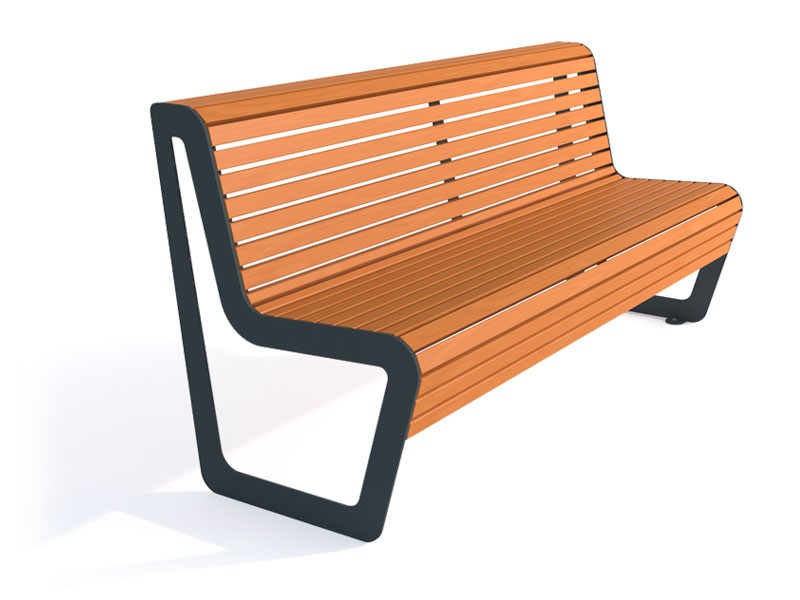
With backrest
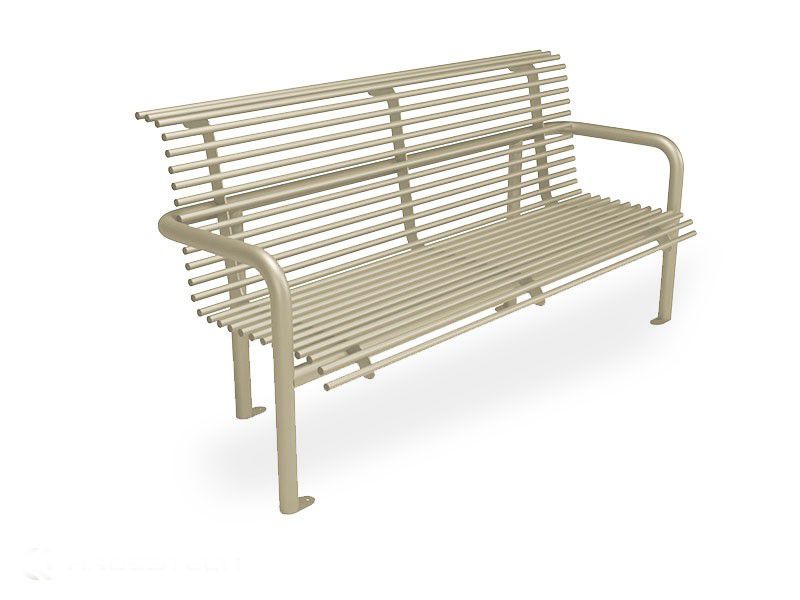
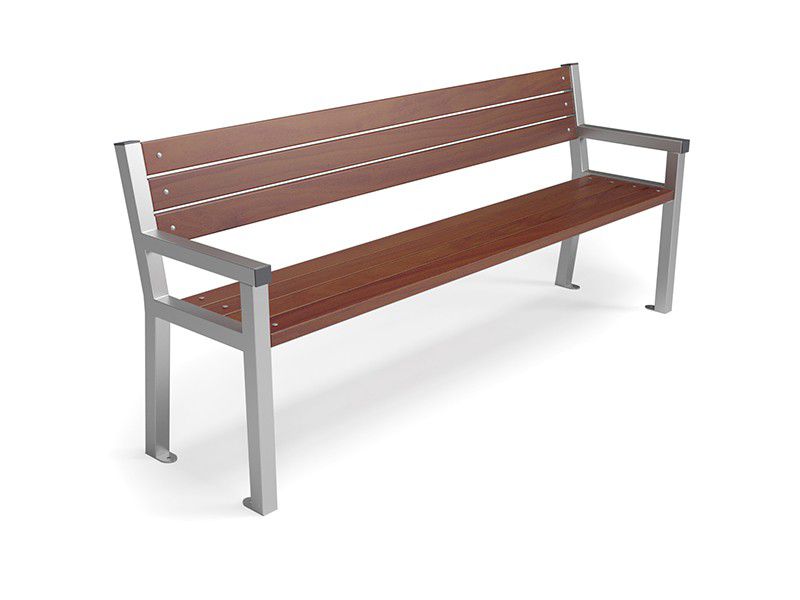
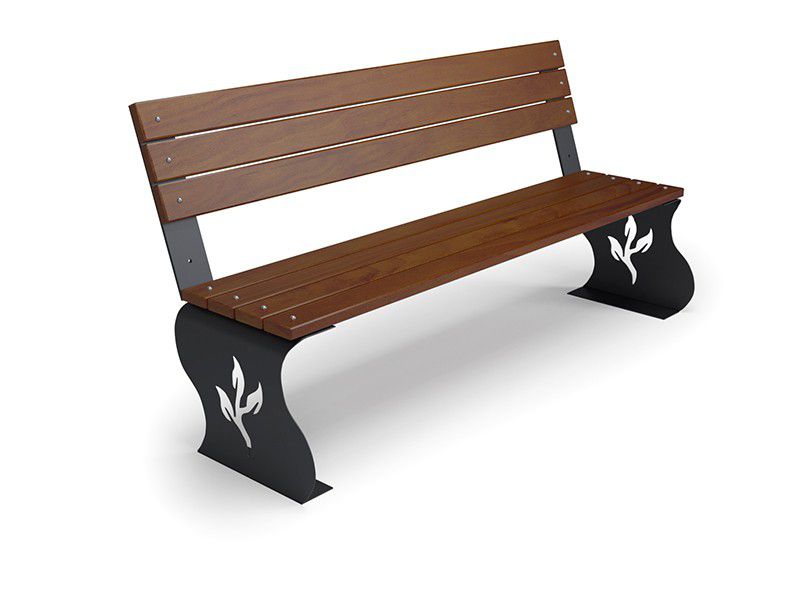
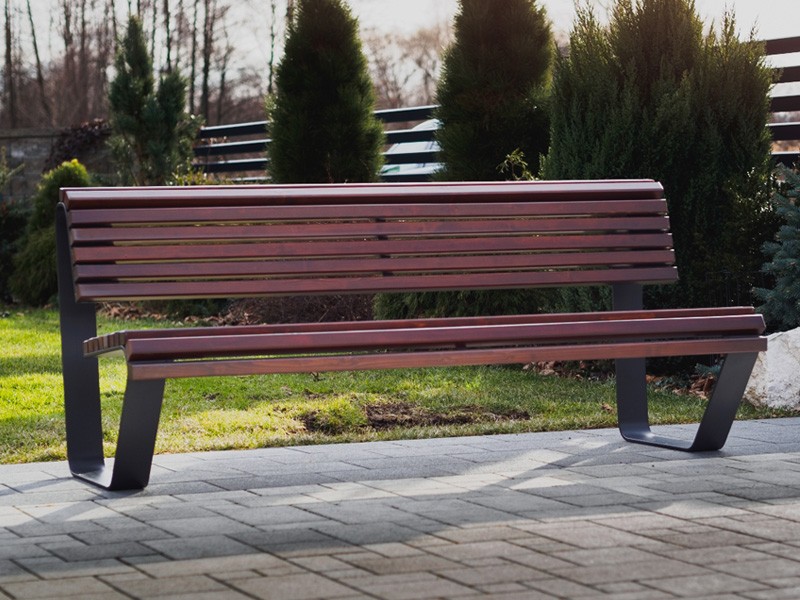
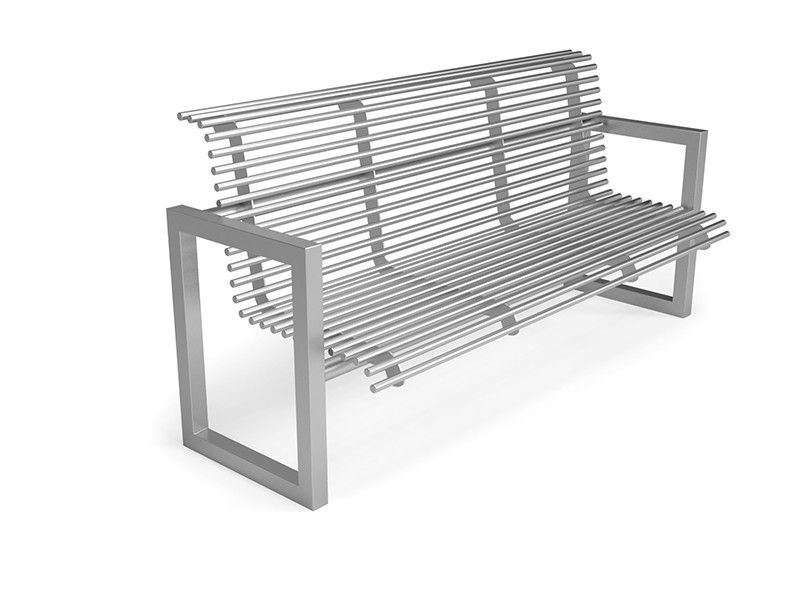
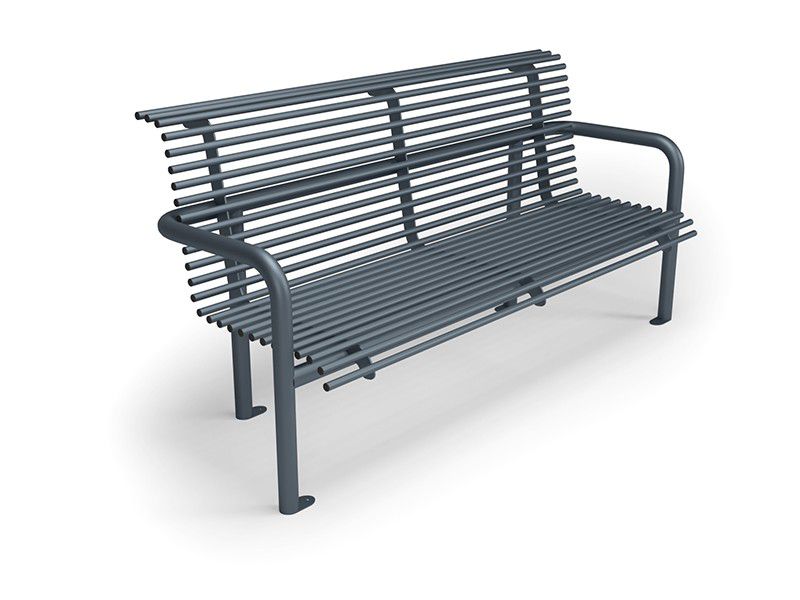
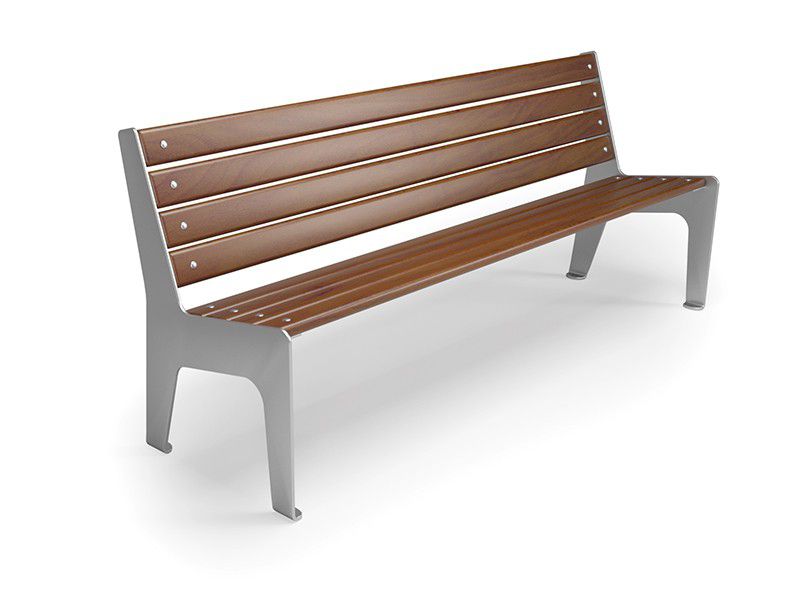
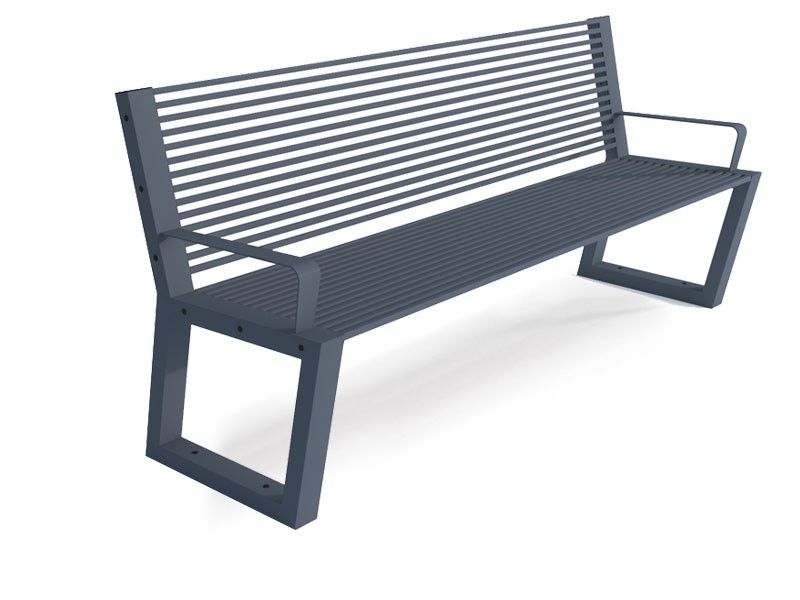
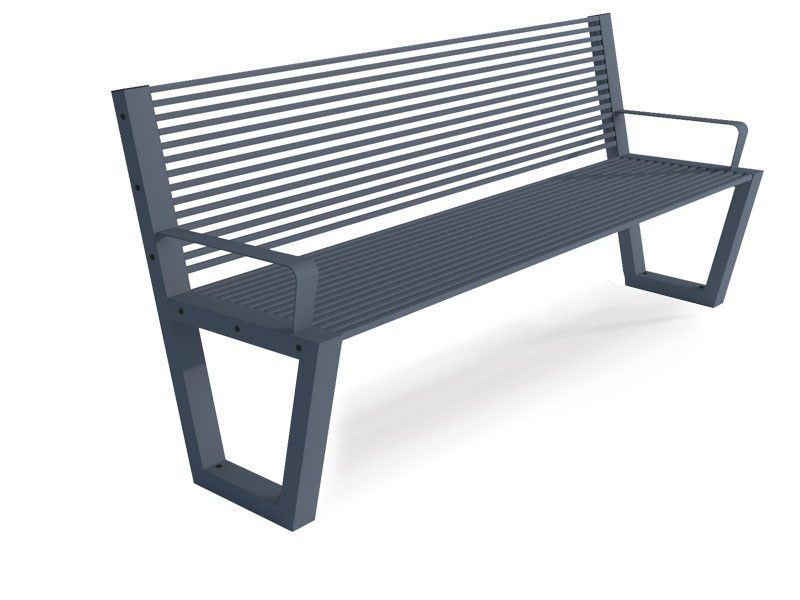
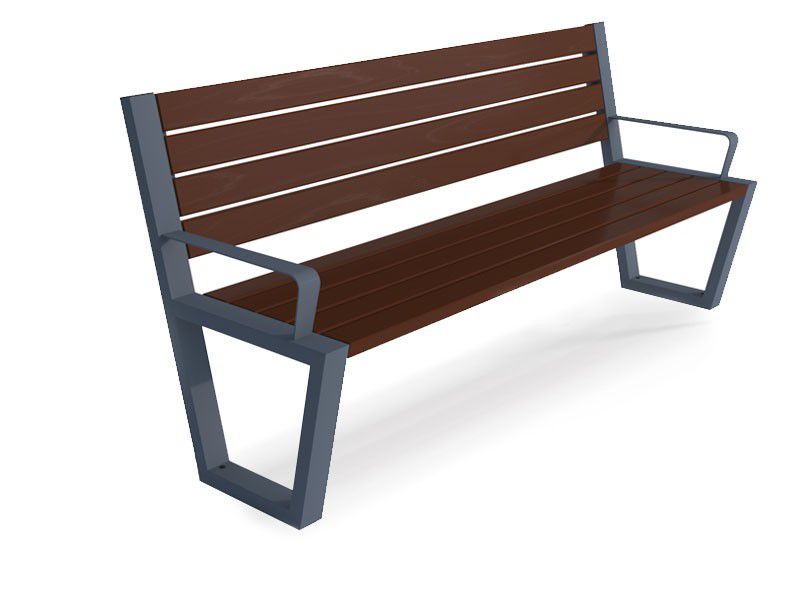
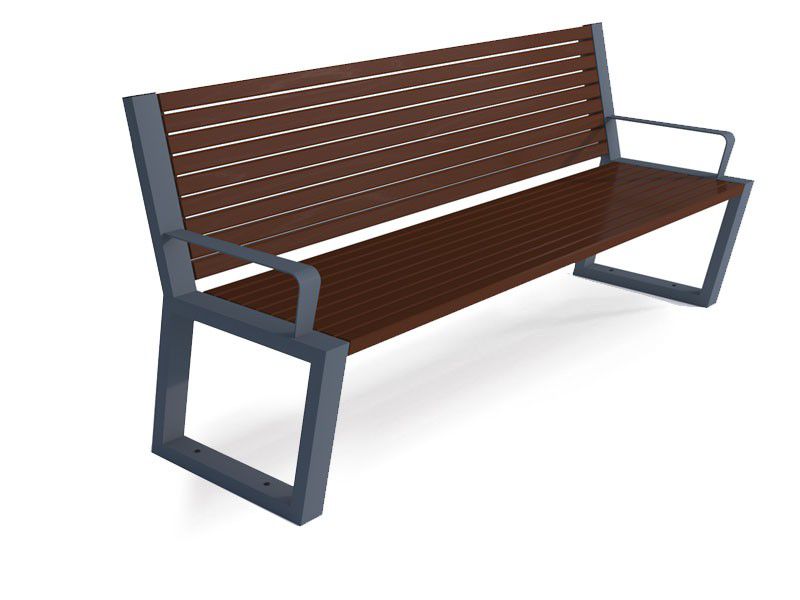
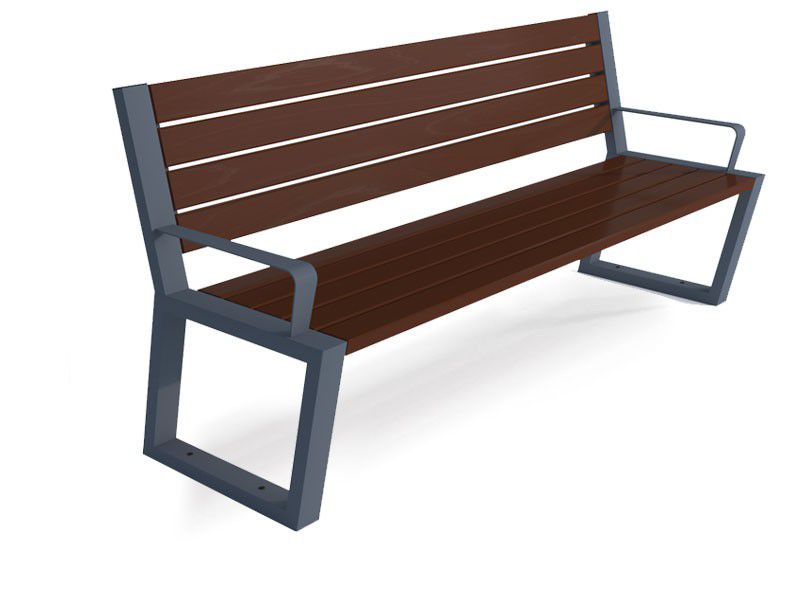
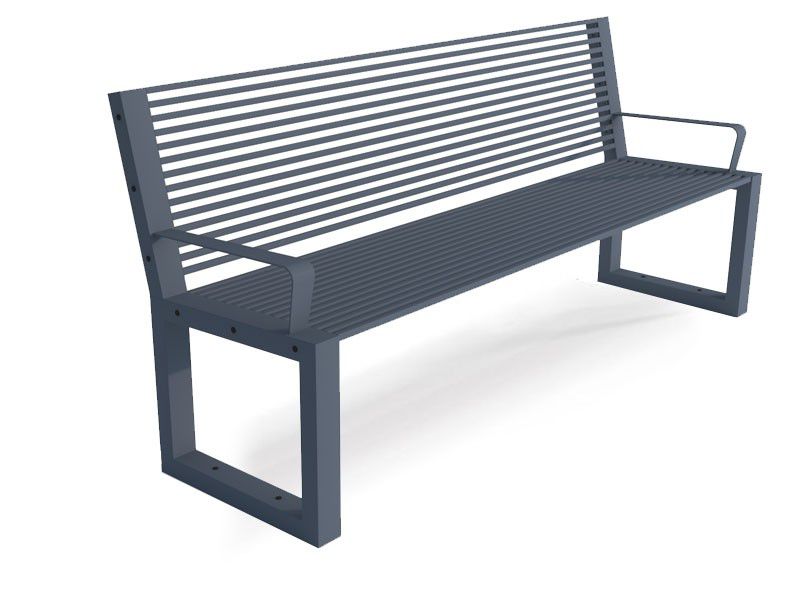
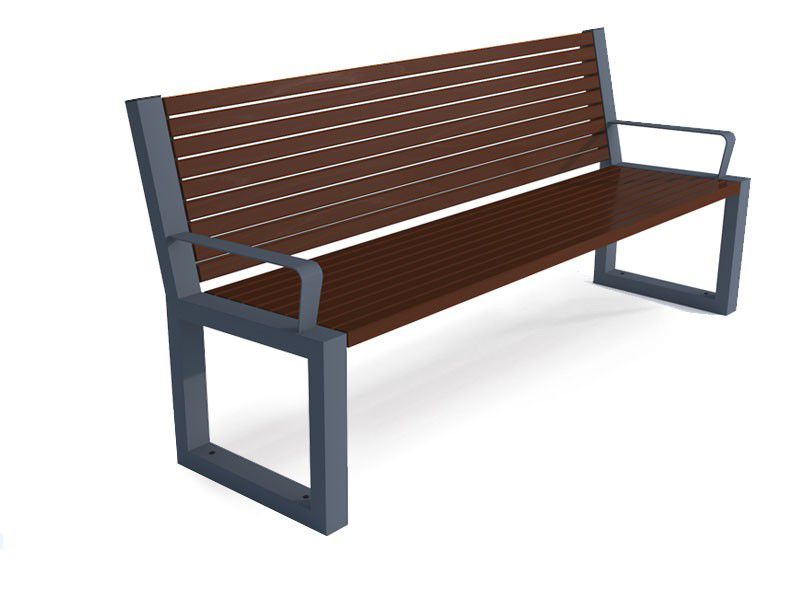
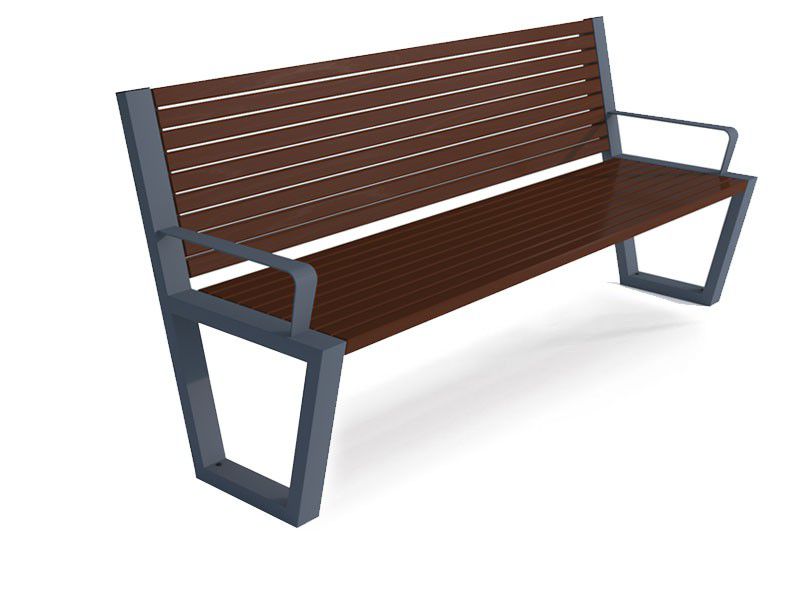
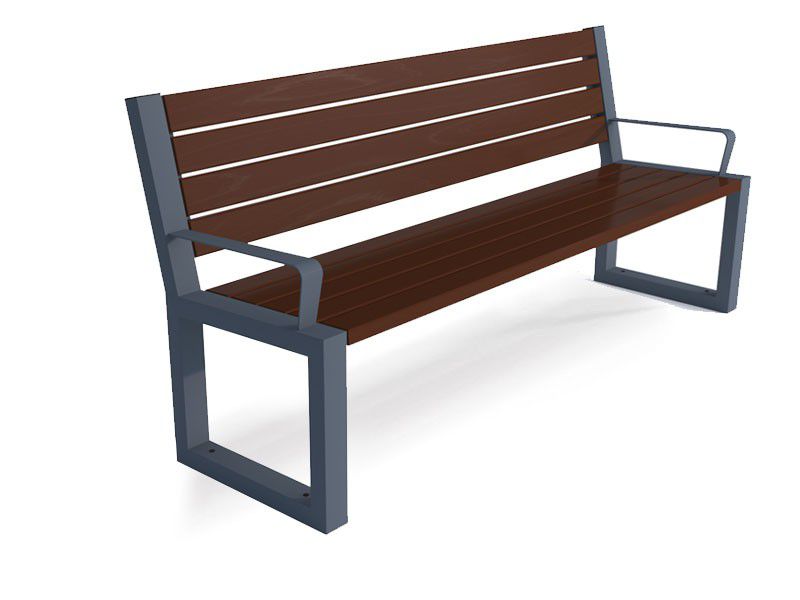
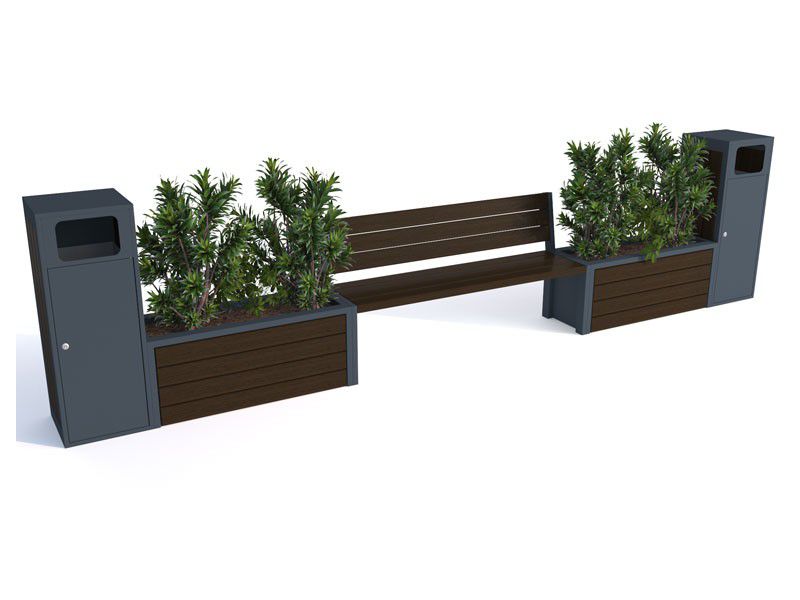
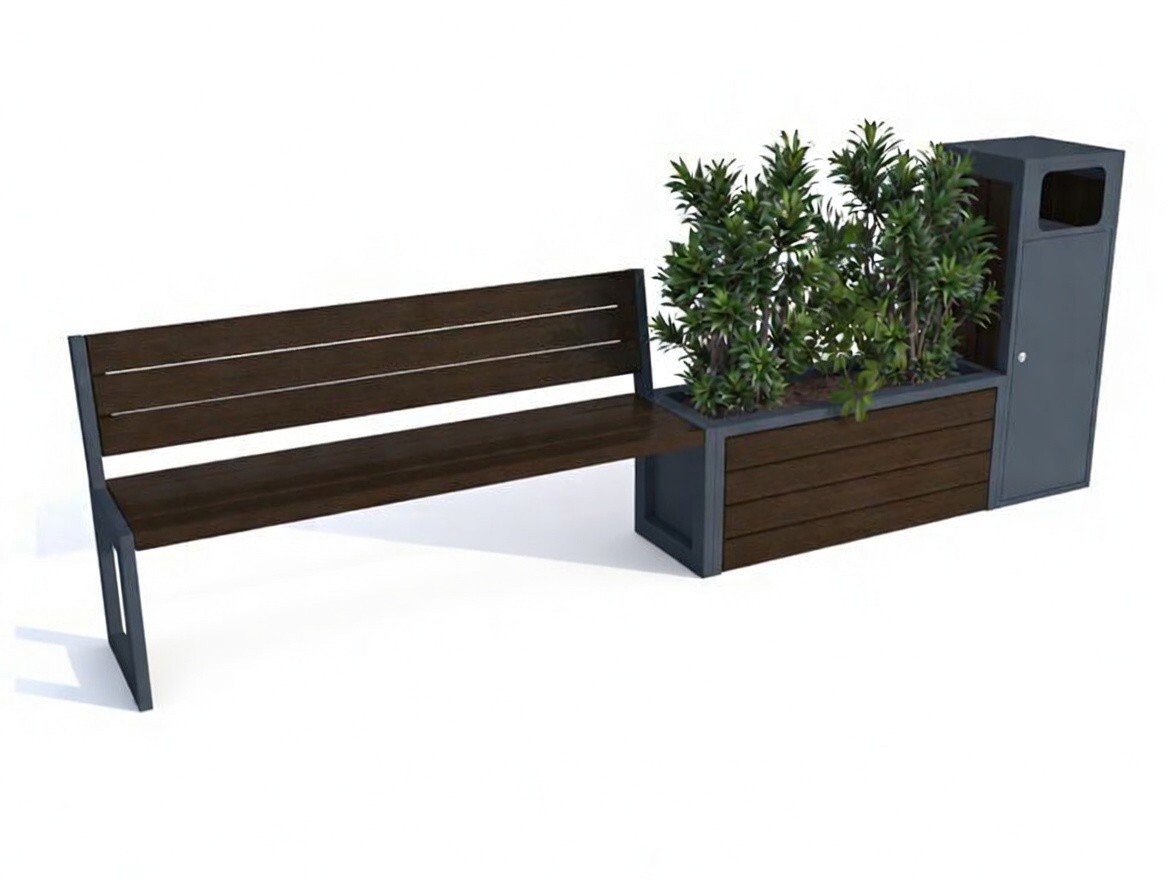
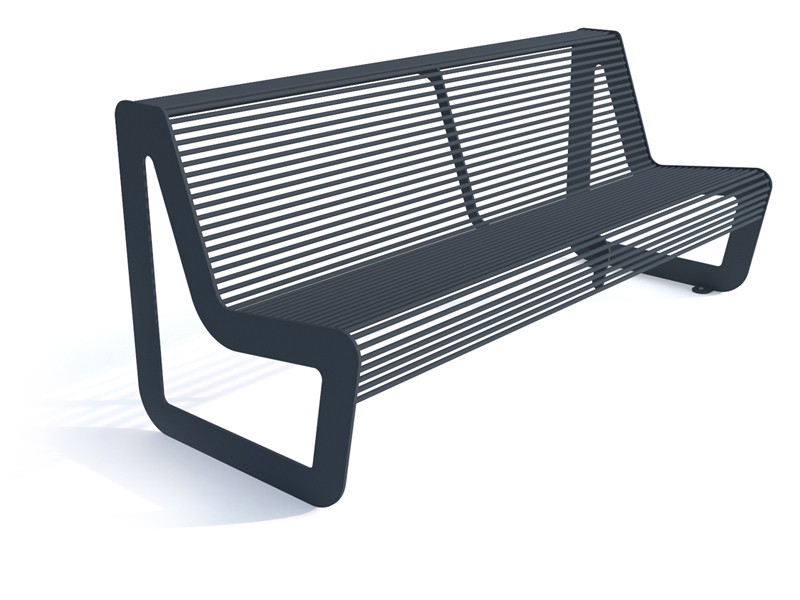
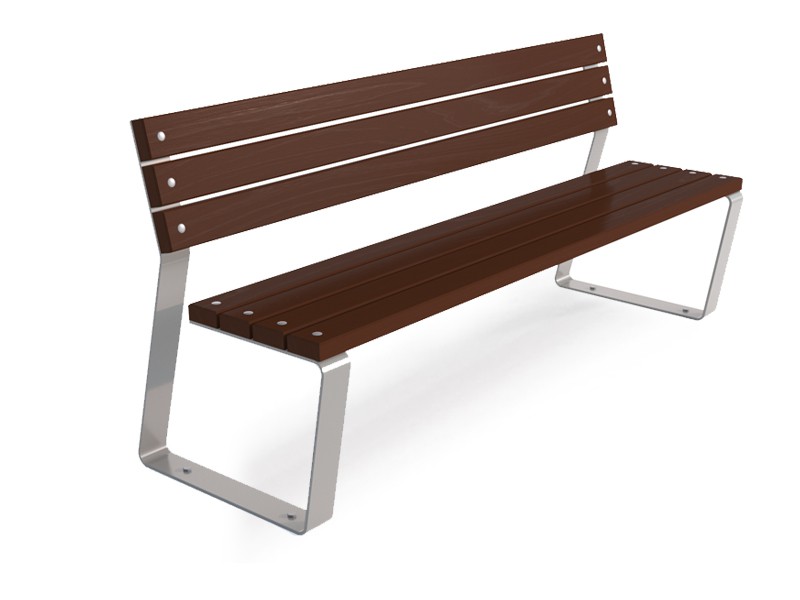
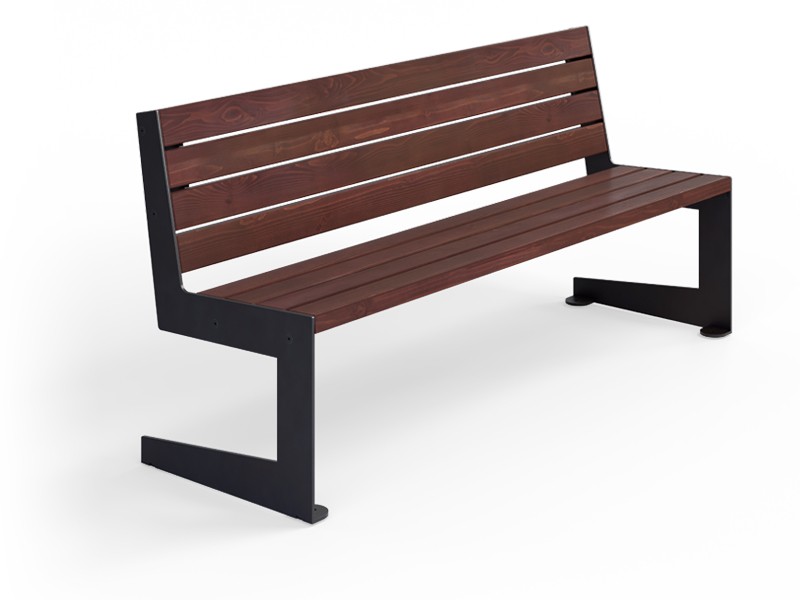
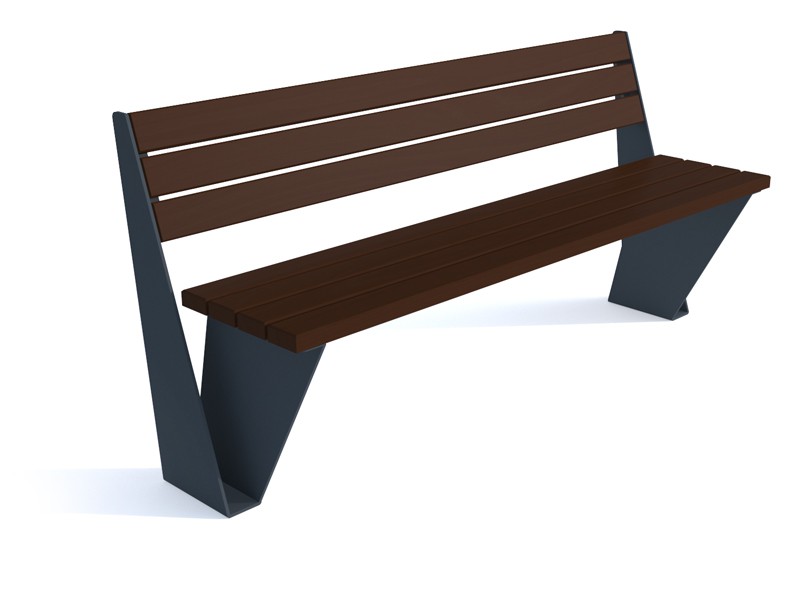
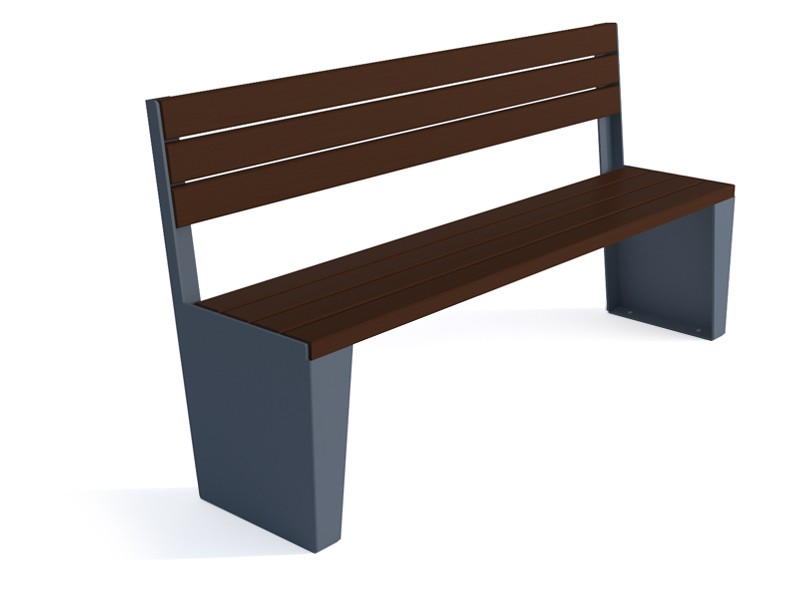
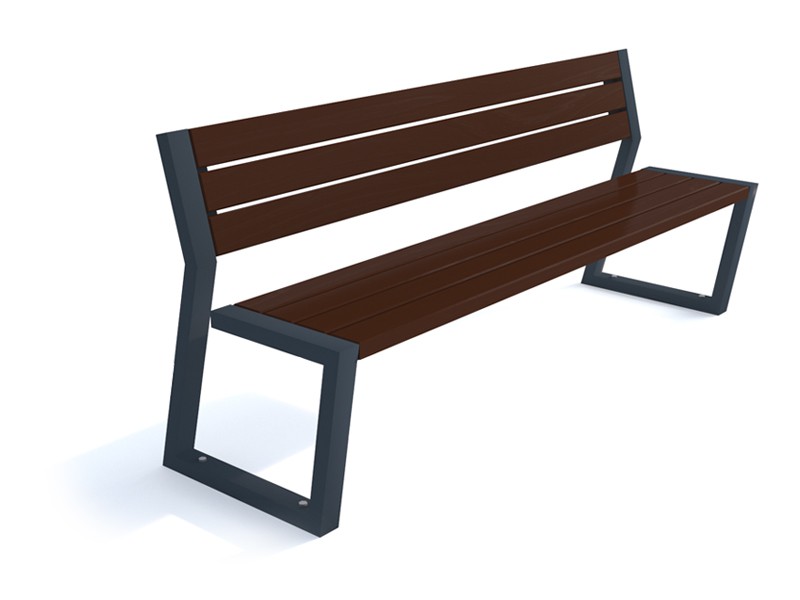
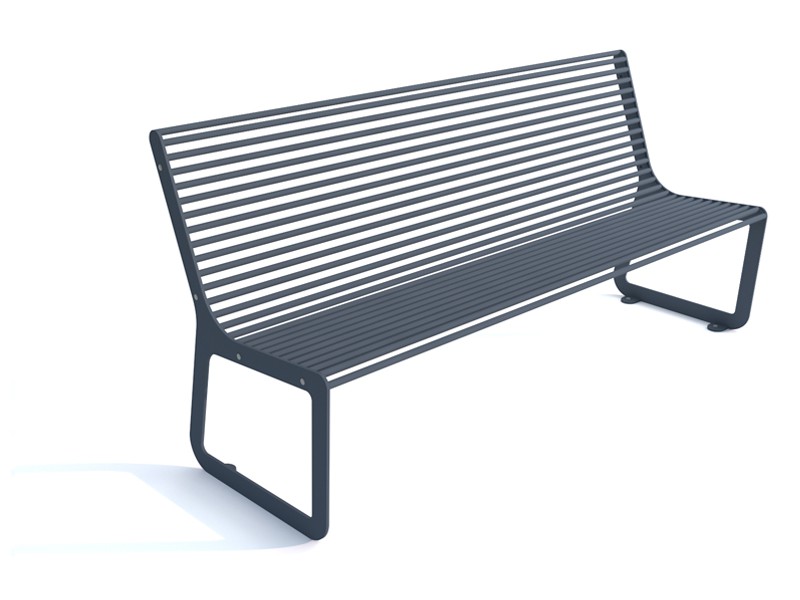
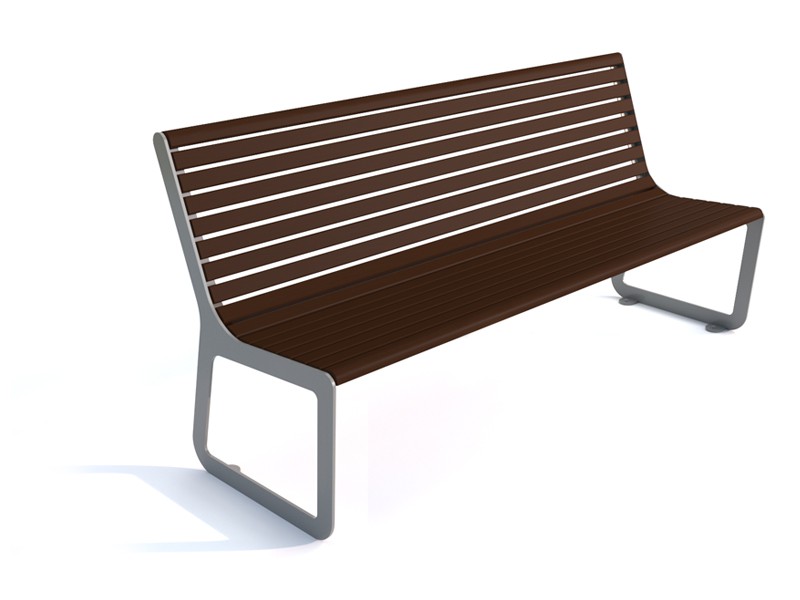
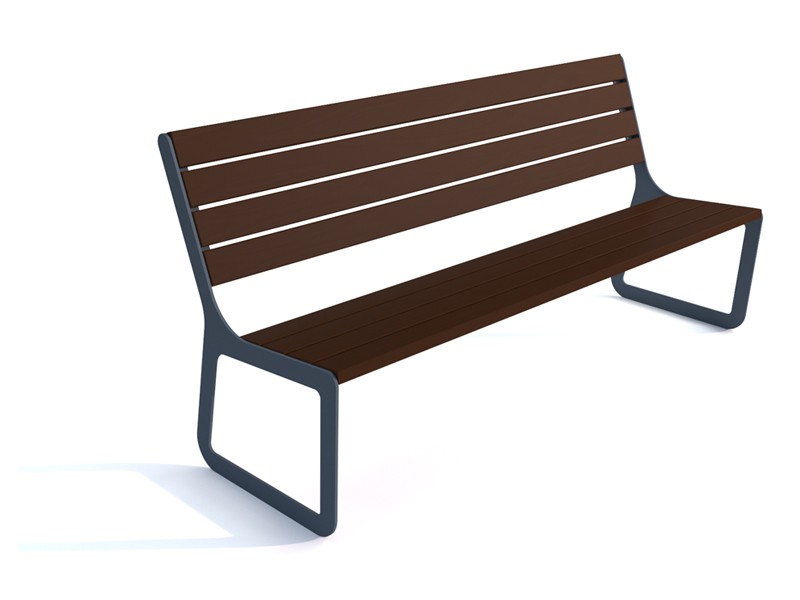
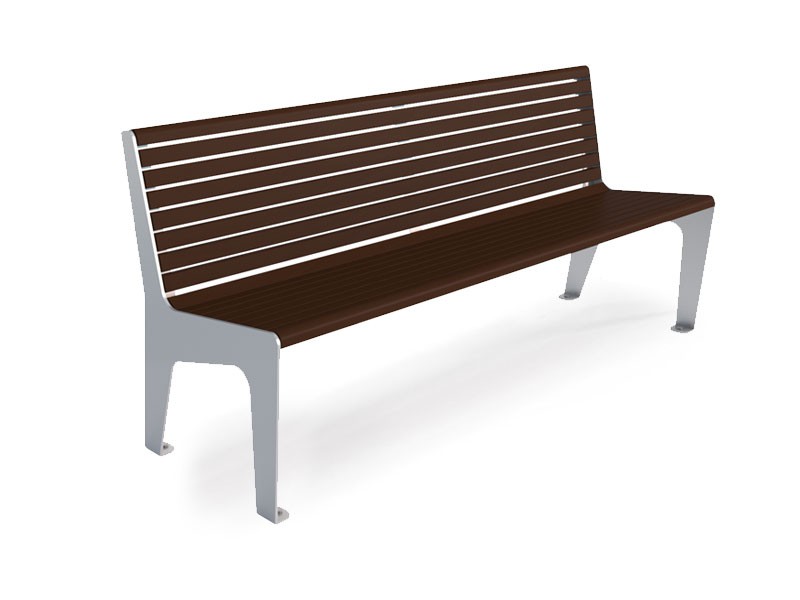
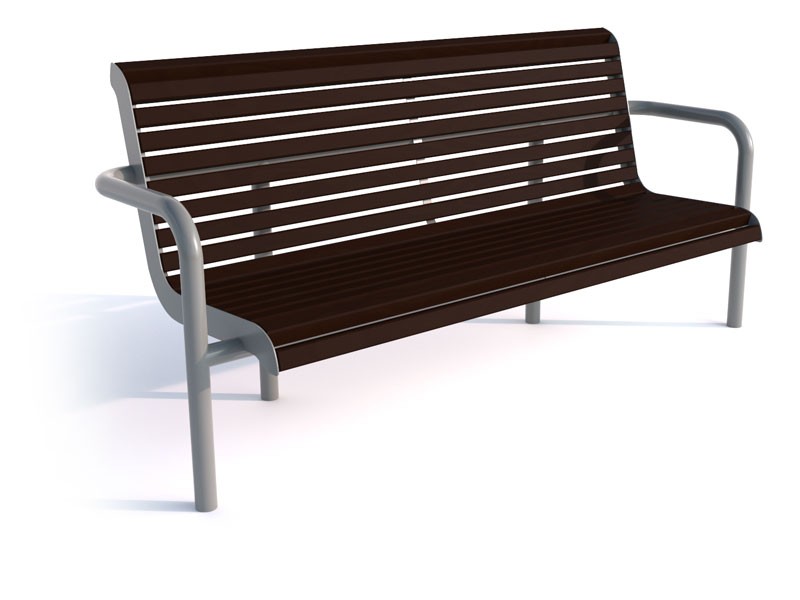
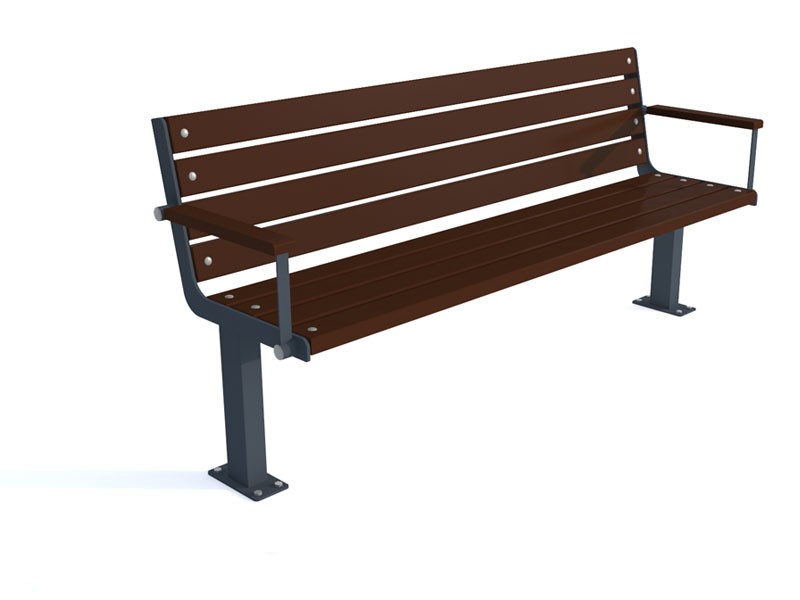
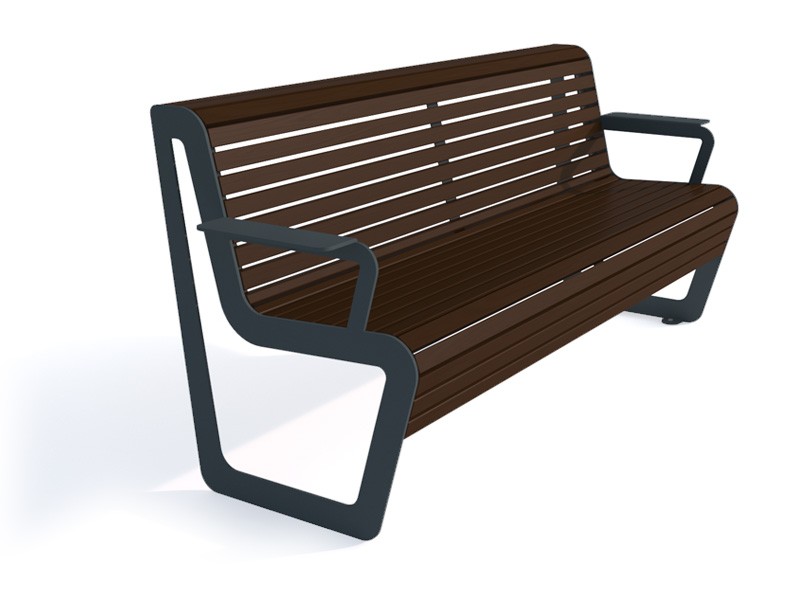
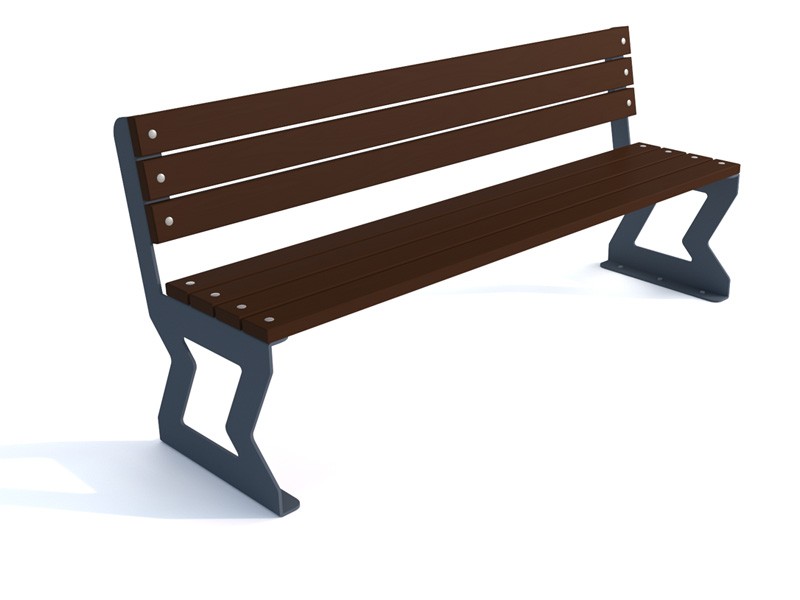
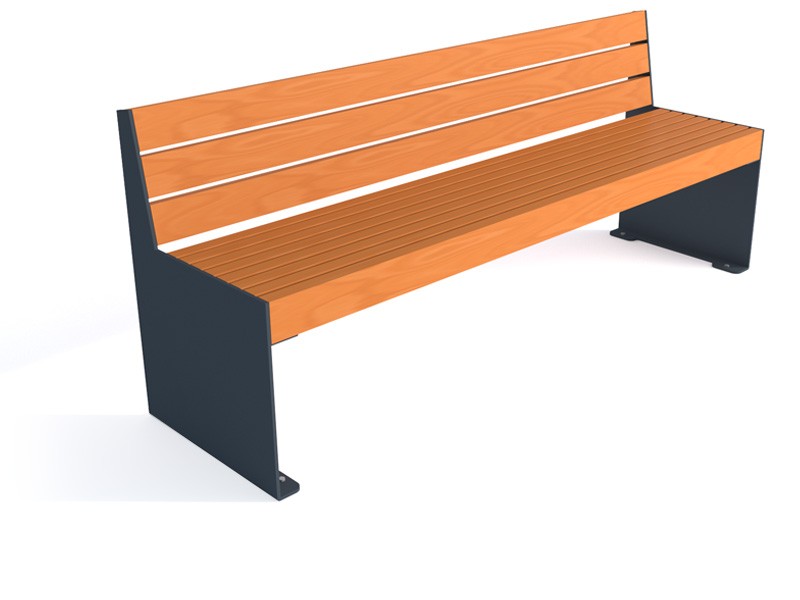
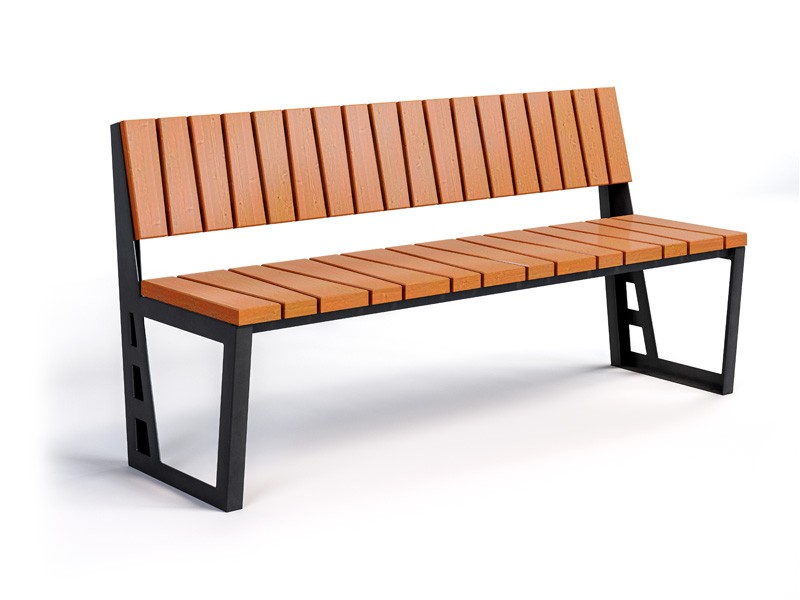
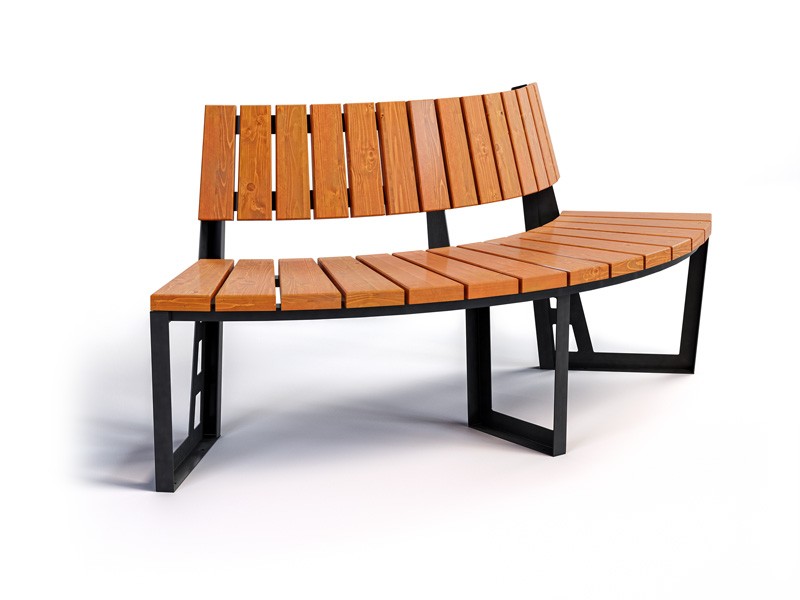
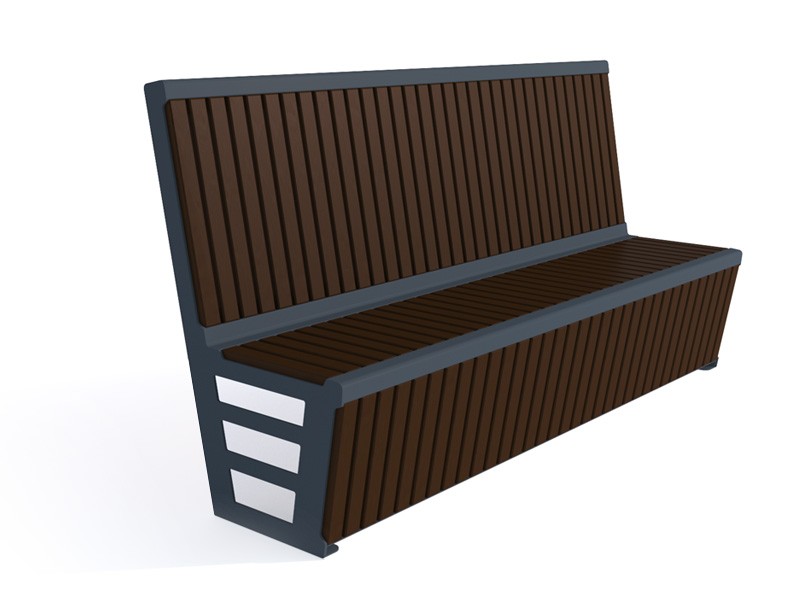
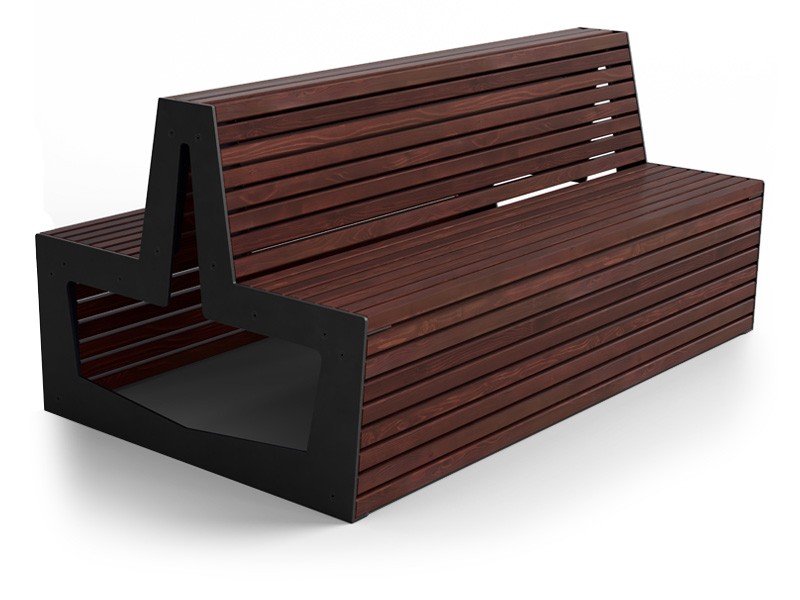
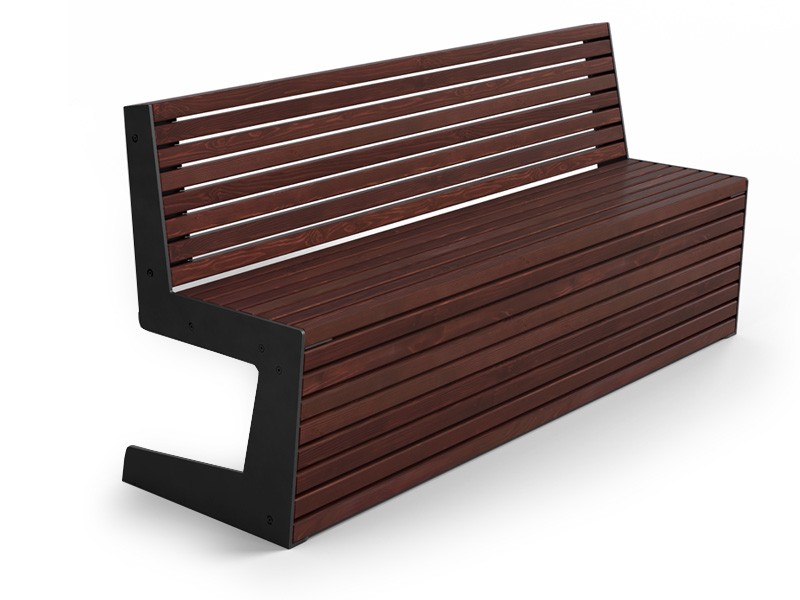
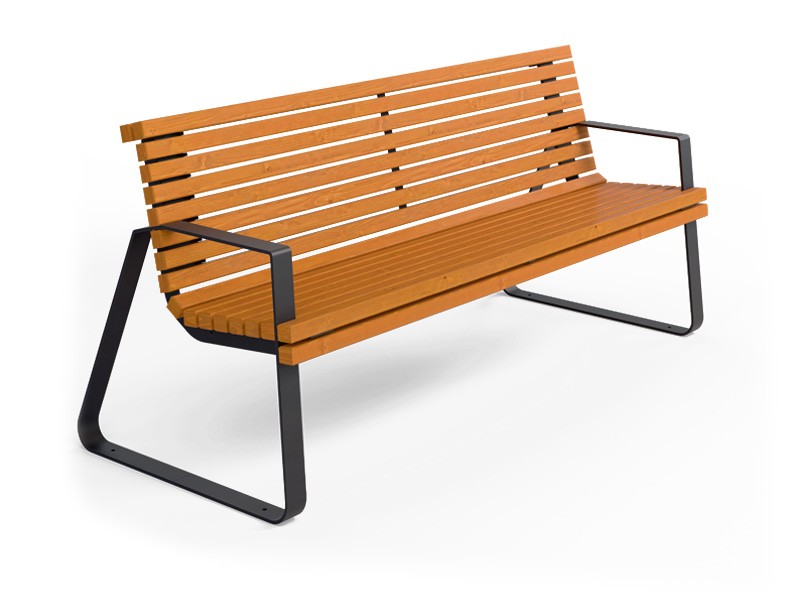
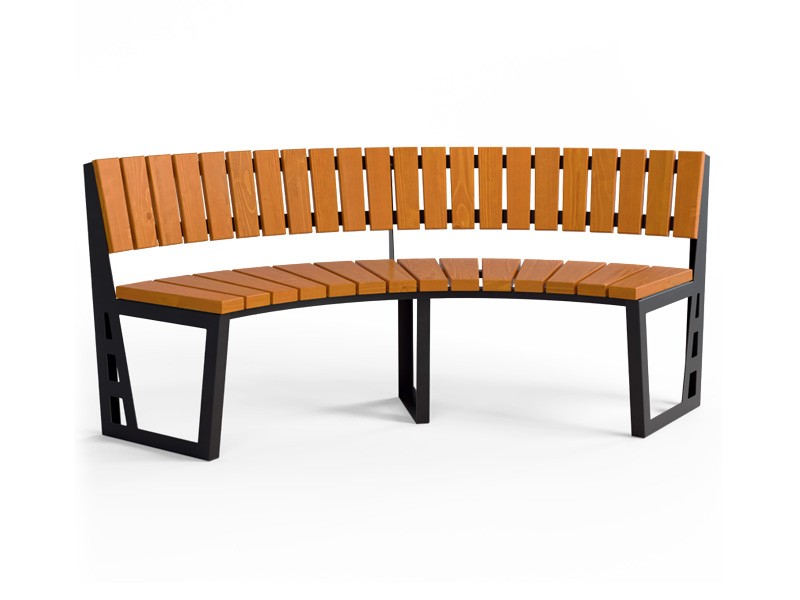
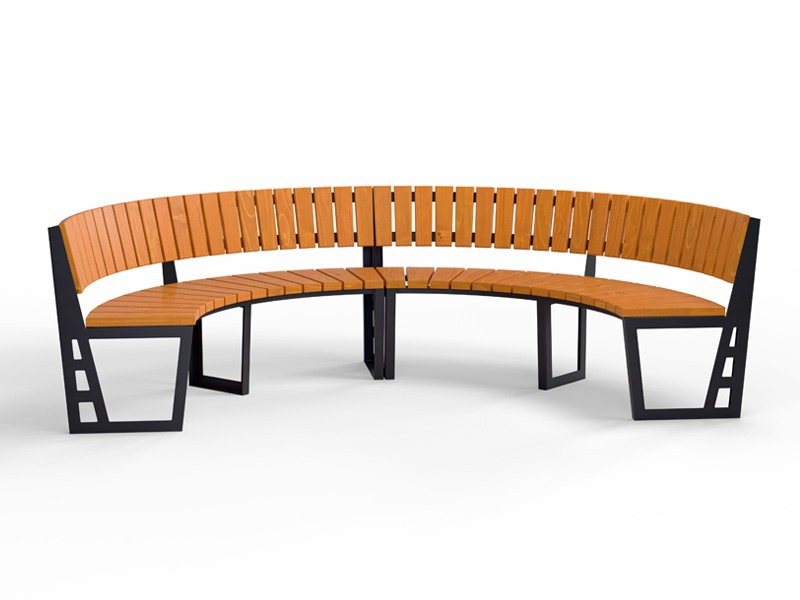
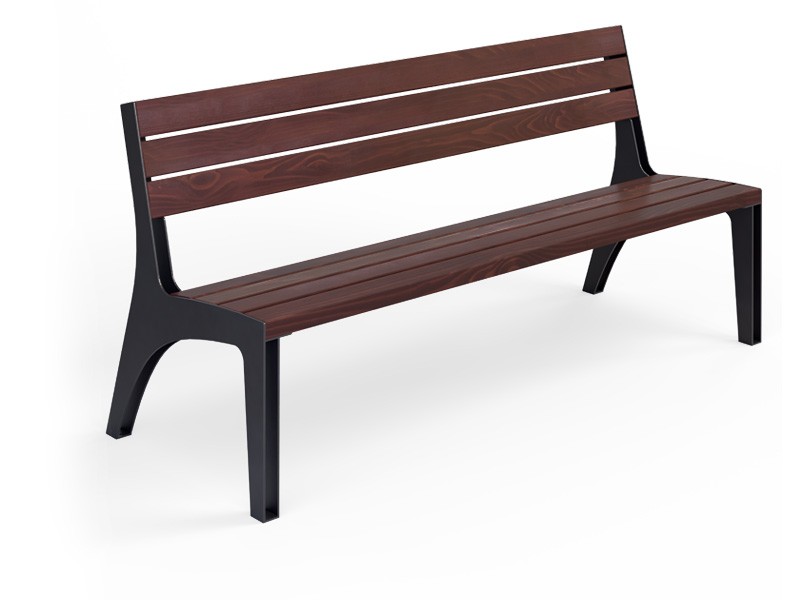
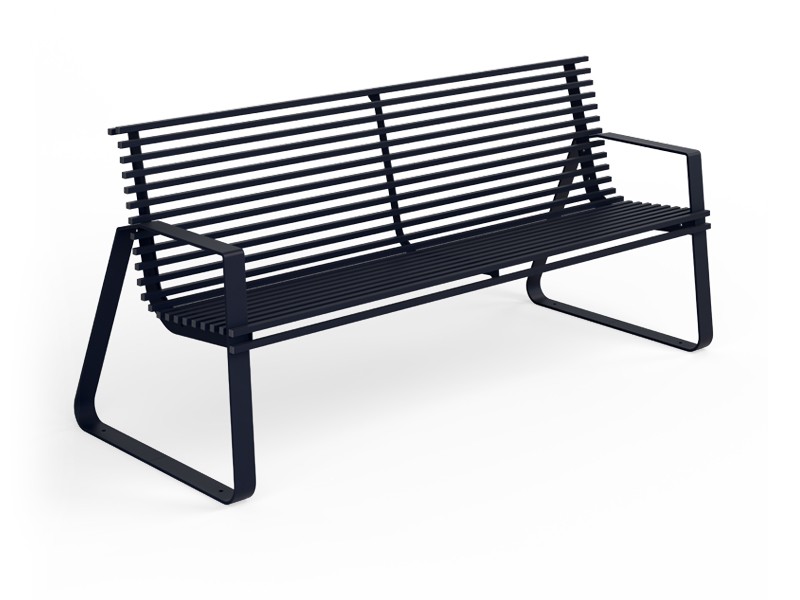
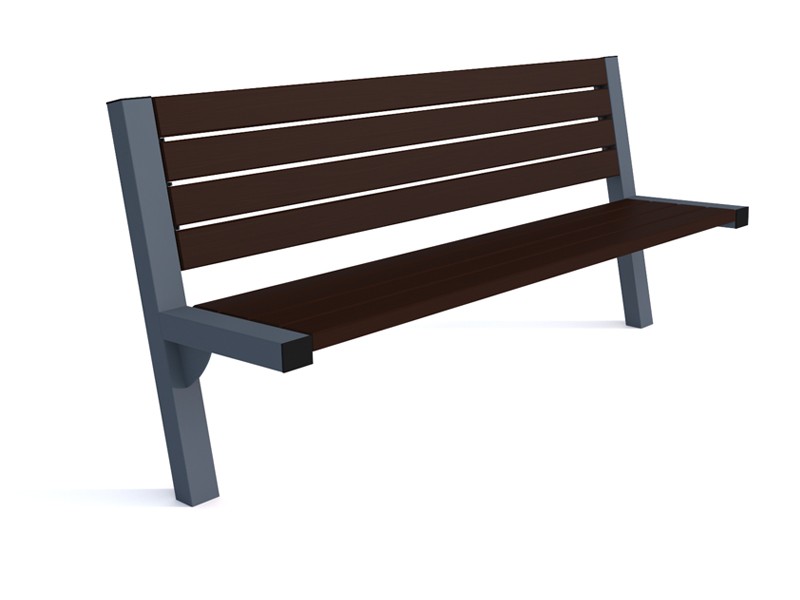
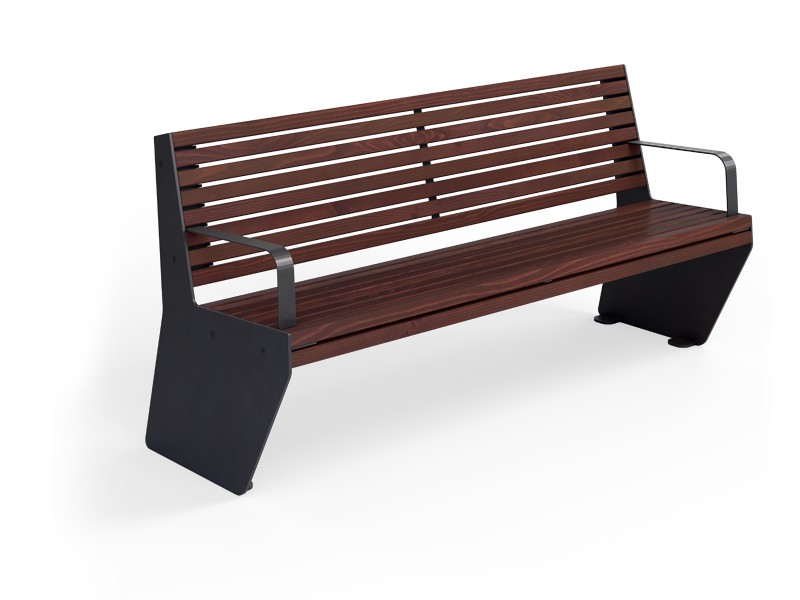
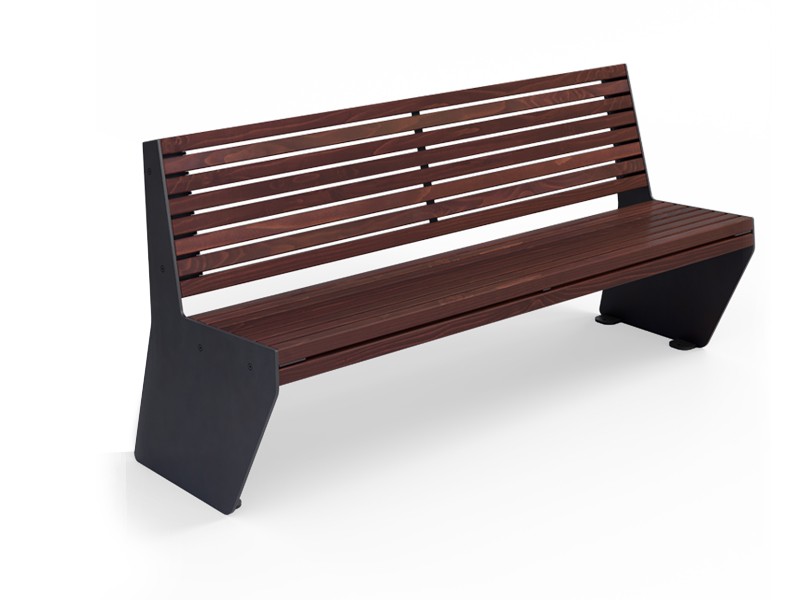
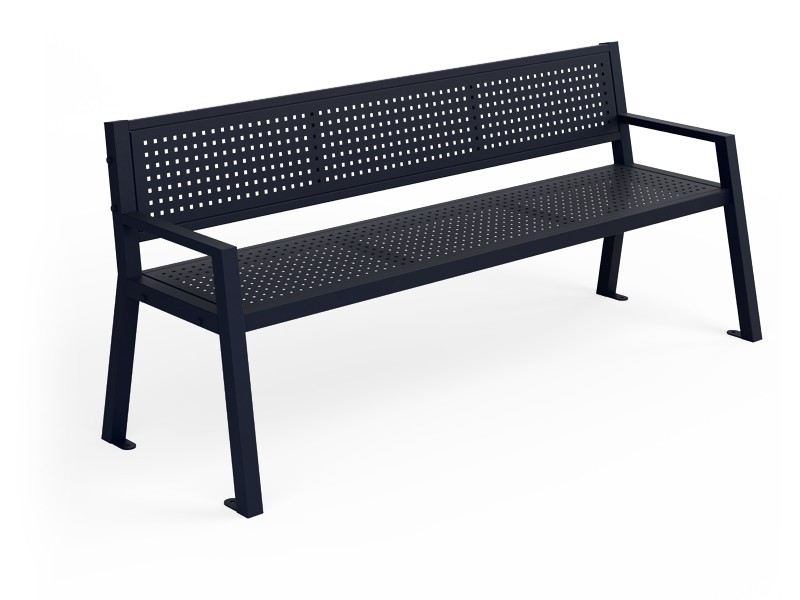
Park benches with backrests provide a high level of comfort for longer periods of rest outdoors. Because they support the back, they are by far the most popular choice for park paths, town squares and places where residents like to spend more time watching their surroundings or resting during a walk.
They are available in timber, metal and combined timber-and-metal versions, styled to match the character of the surroundings and the other street furniture. Secure fixing to the ground with chemical anchors prevents the bench from being tipped over or moved without authorisation. This matters in areas with heavy pedestrian traffic and in places used by older people, for whom a backrest makes it easier to stand up safely. This is one of the two variants available in the park benches category.
The angle of the backrest directly affects how comfortable the bench is. If it is too upright, the bench is less comfortable for longer sitting. If it is tilted back too far, it is harder to stand up, especially for older people. Good manufacturers of street furniture design the backrest to give natural support to the back without the user having to lean back a long way.
Compared with backless benches, benches with backrests are much better suited to places intended for longer rest, such as parks, gardens and squares, where residents come to relax, read a book or simply watch what is going on around them. Backless benches, on the other hand, are better suited to transit spaces such as platforms or stops, where people usually wait for a shorter time.
For older people and people with reduced mobility, a backrest can determine whether a bench is comfortable to use at all. Being able to lean back while sitting and to push against the frame when standing up genuinely improves access to public space for this group of residents. When designing green spaces with older people in mind, it is therefore worth planning for more benches with backrests than without.
A combined timber-and-metal design remains a popular choice in this category. The metal frame carries the load and provides stability, while the timber backrest and seat slats are comfortable to sit on and do not get as hot on sunny days as bare metal does.
When choosing a model, check how securely the backrest is fixed to the main frame. This part takes the greatest dynamic loads, especially where benches are misused, for example when people push hard against them to stand up. Strong welds and steel sections of adequate thickness reduce the risk of the structure working loose after years of use.


Contact
Need help choosing?
If you are not sure which solution is right for your space, please contact us. We will help you choose products tailored to your needs.