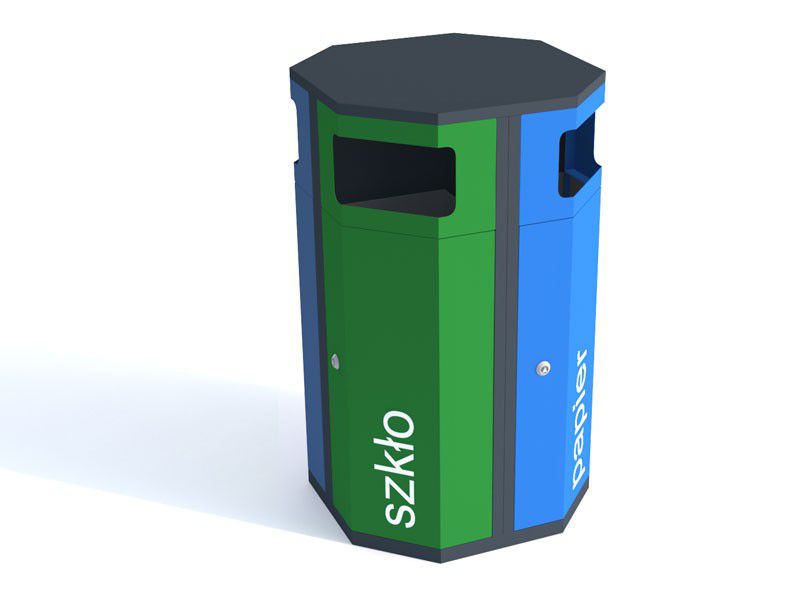
4-Compartment Recycling Bins
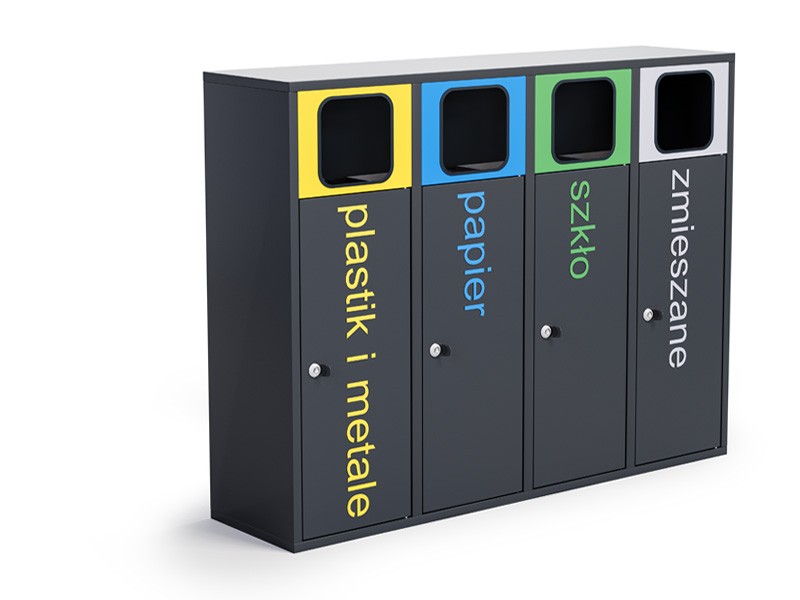
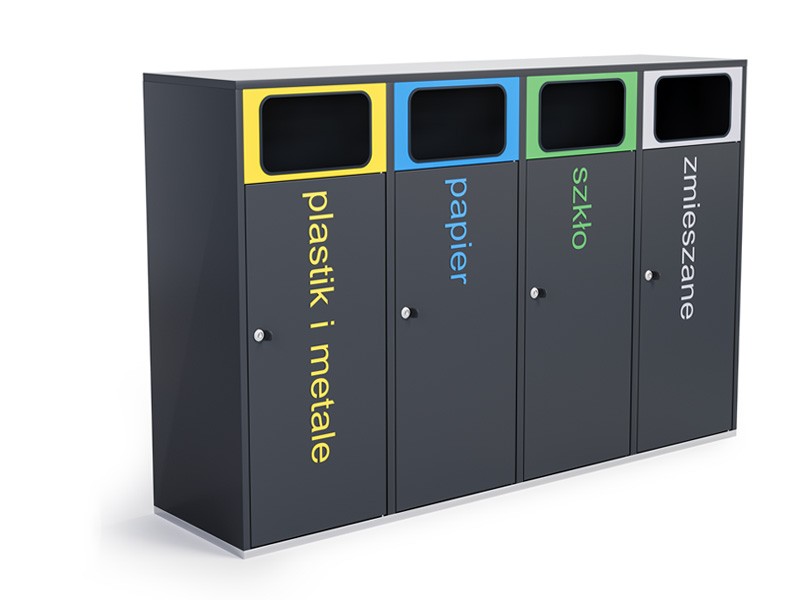
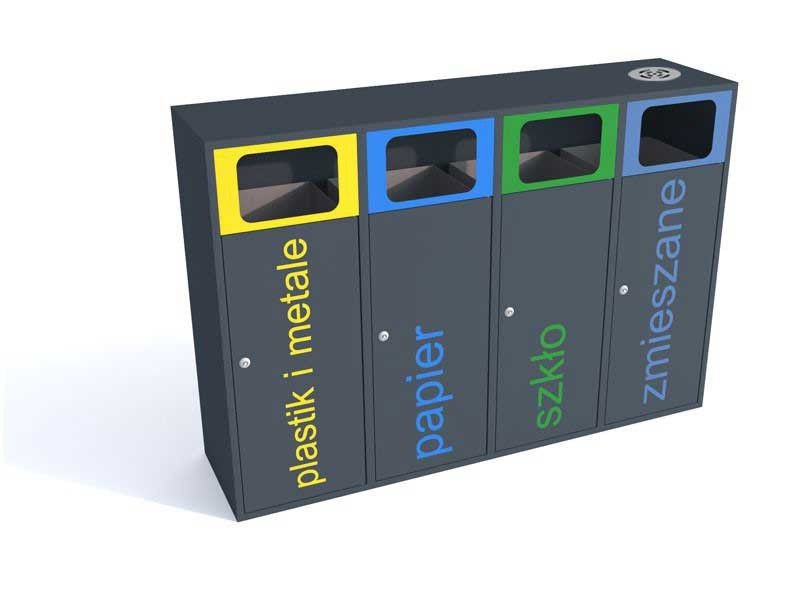
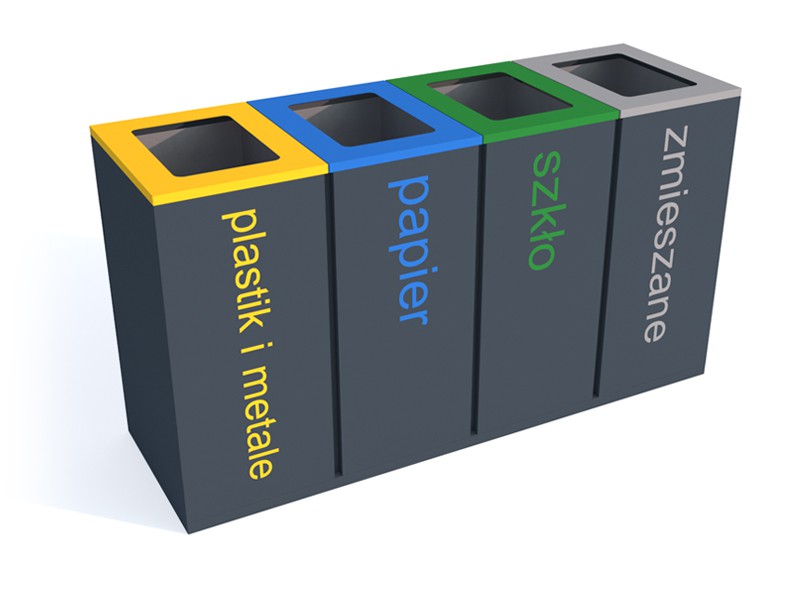
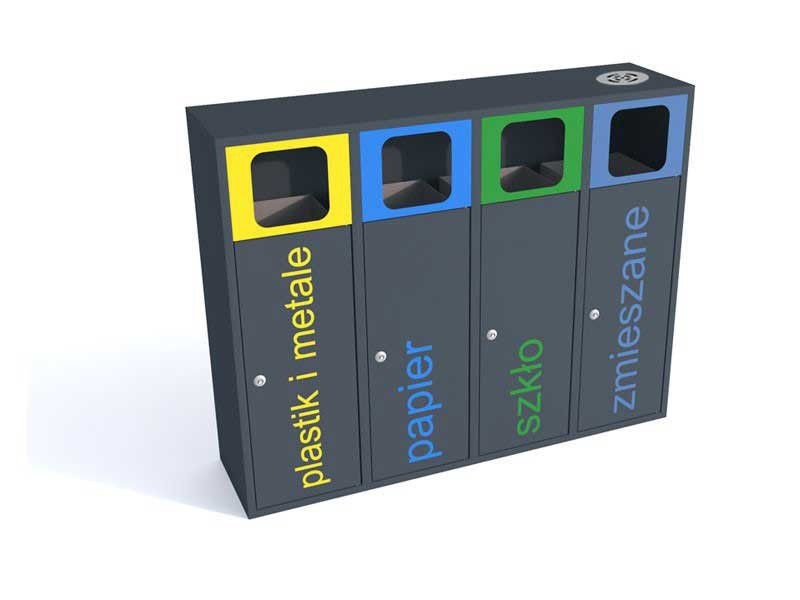
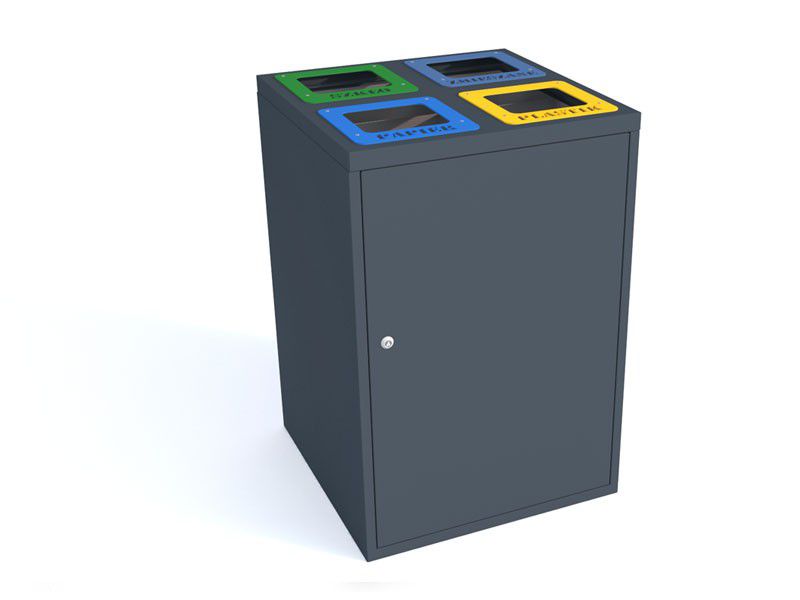
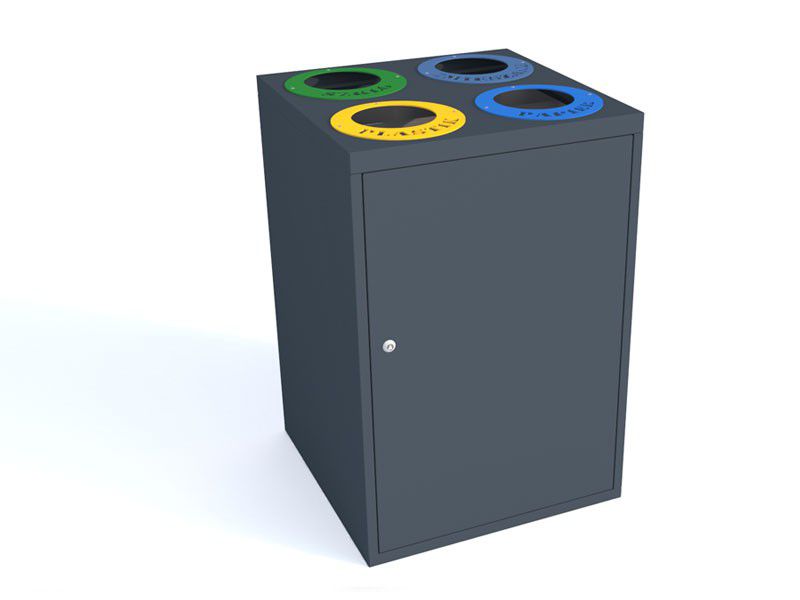
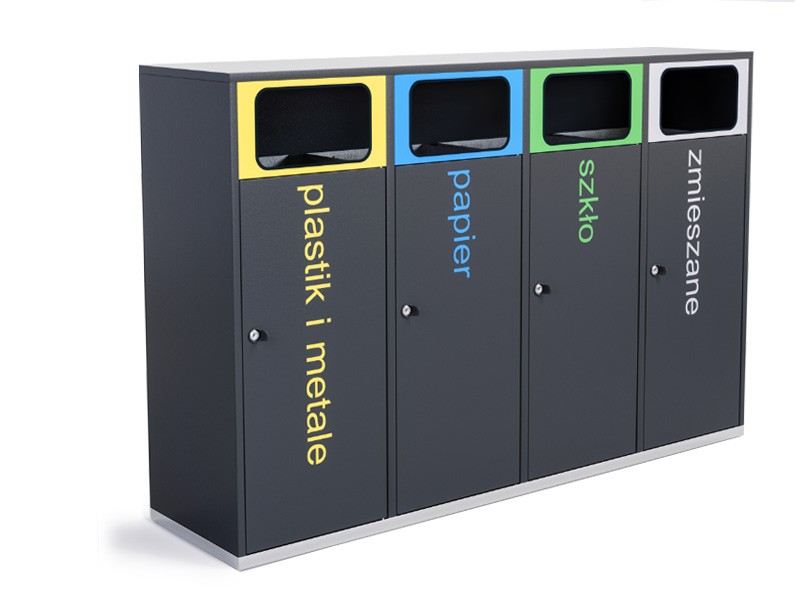
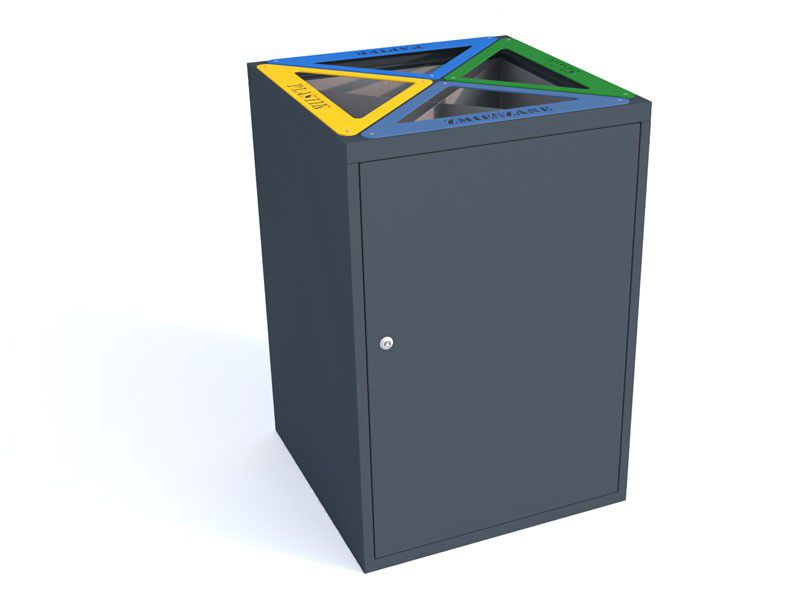
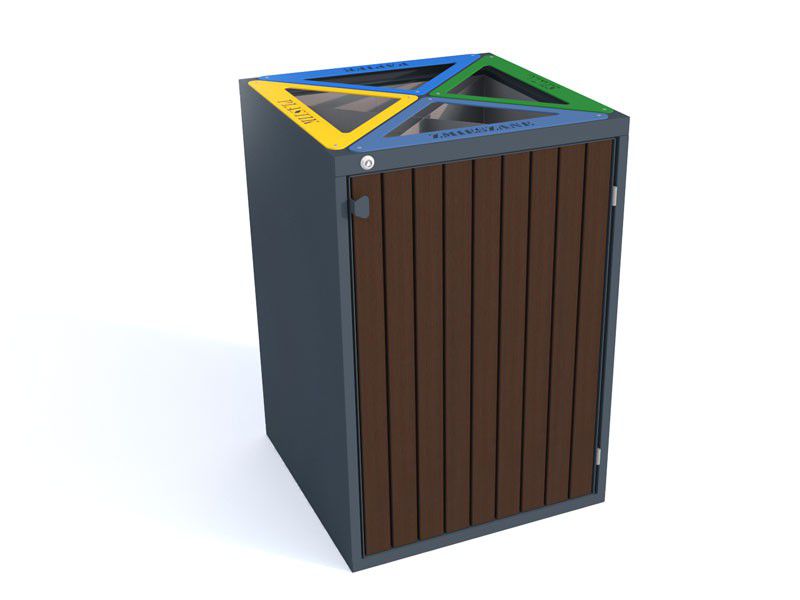
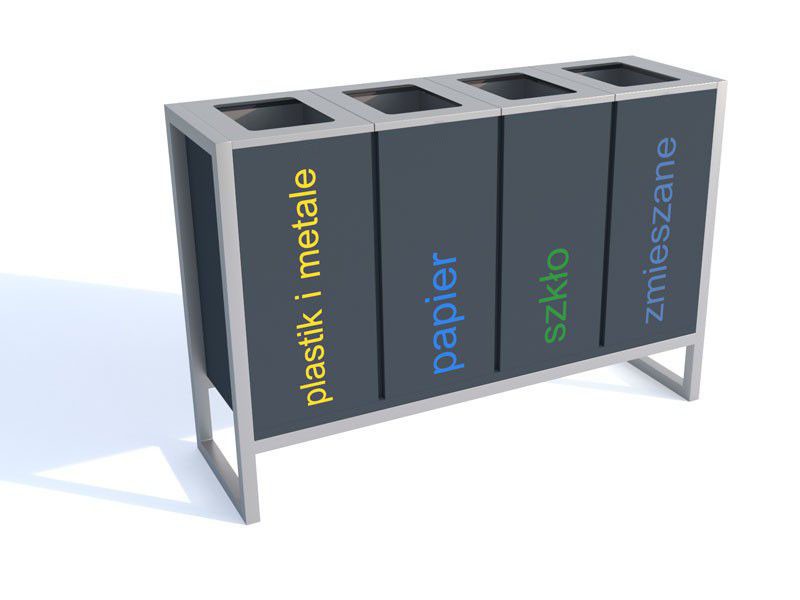
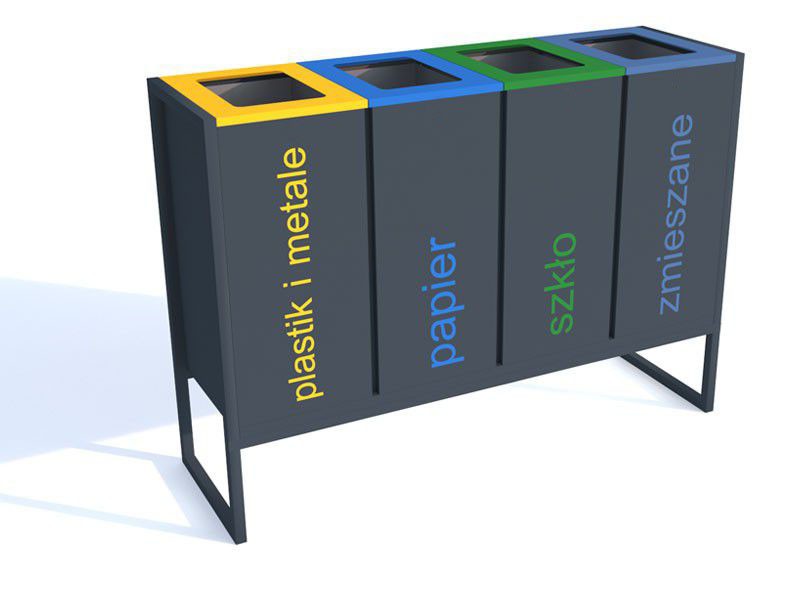
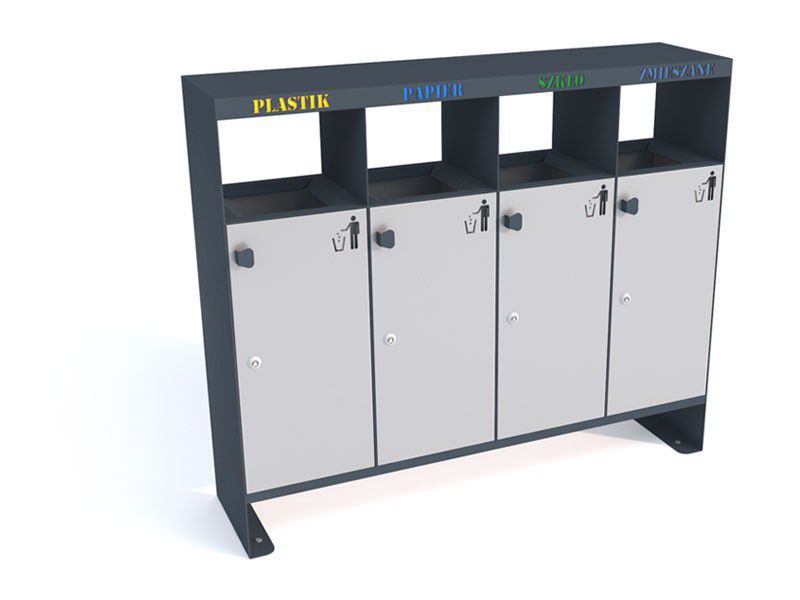
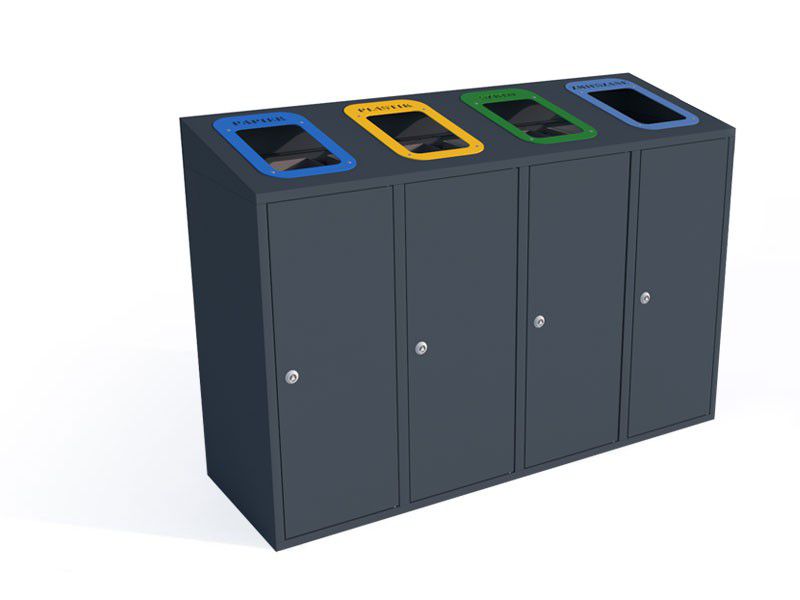
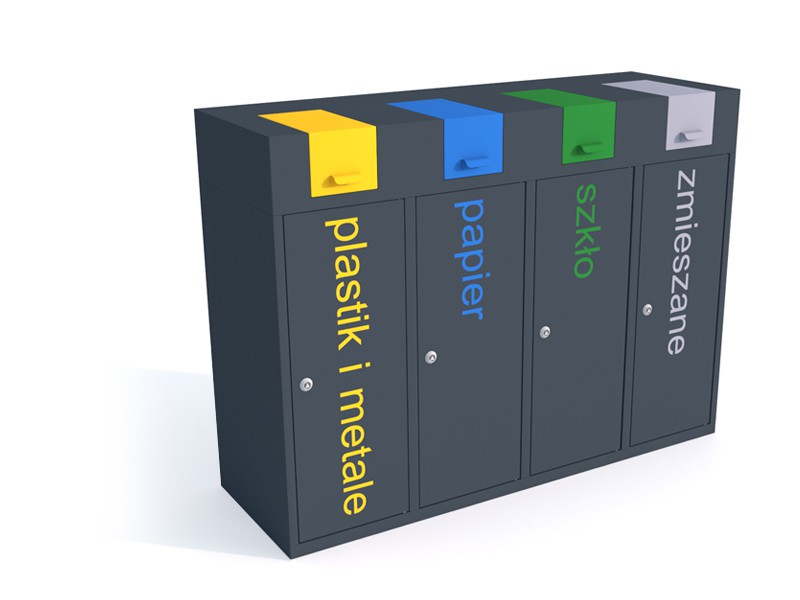
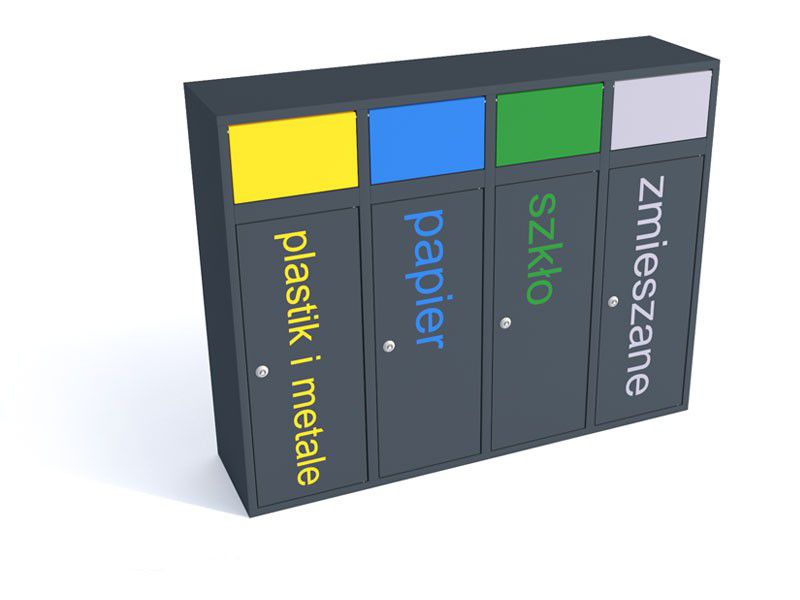
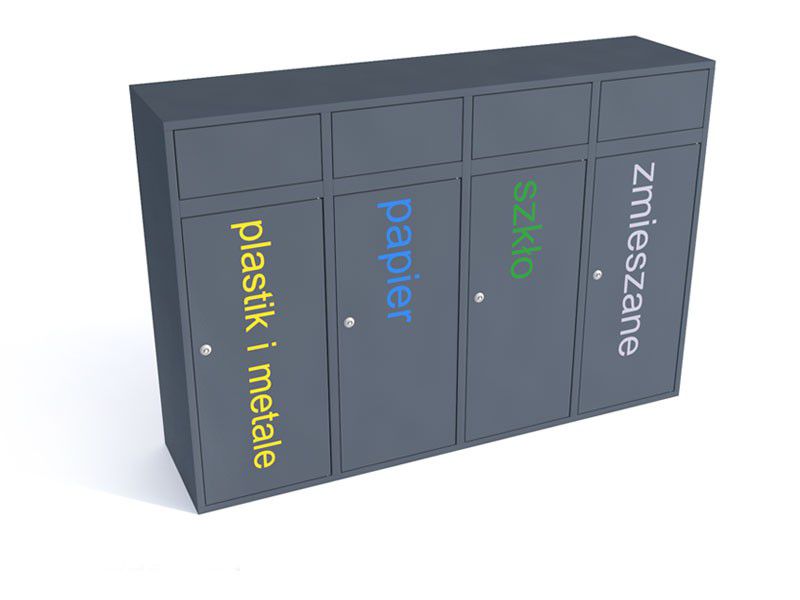
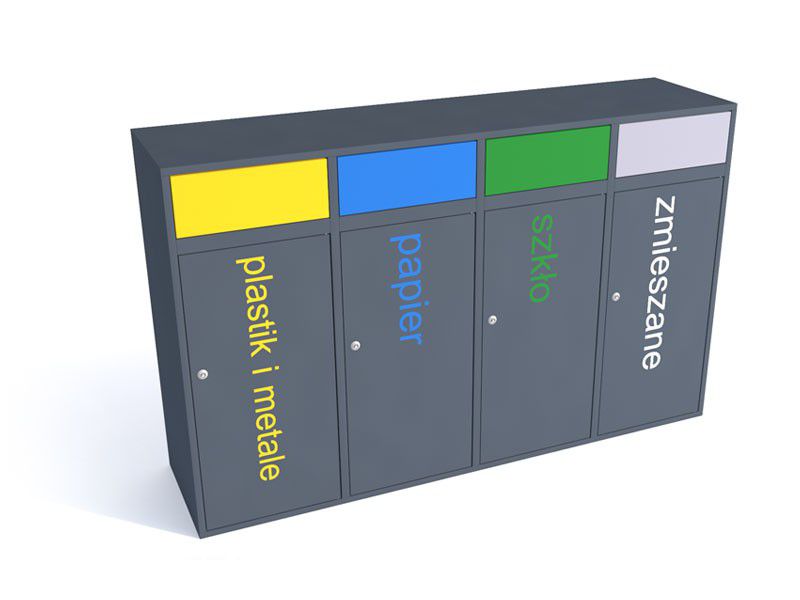
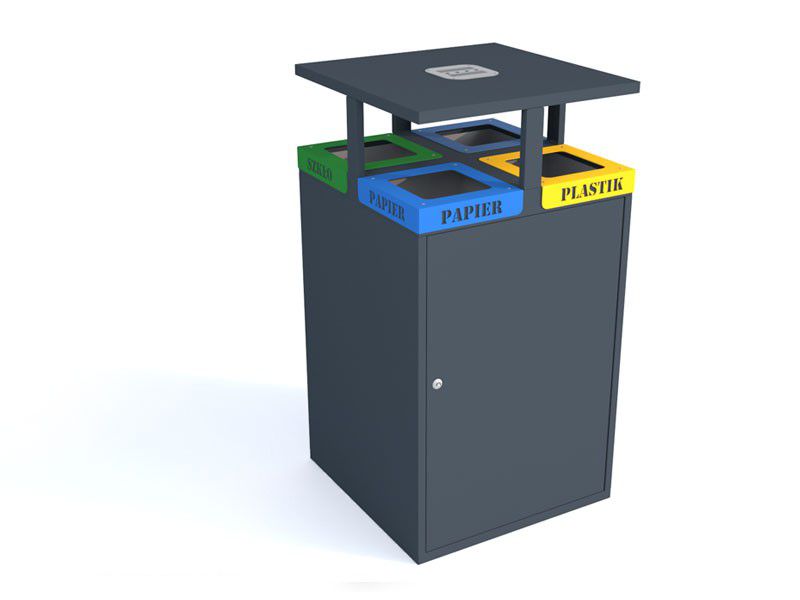
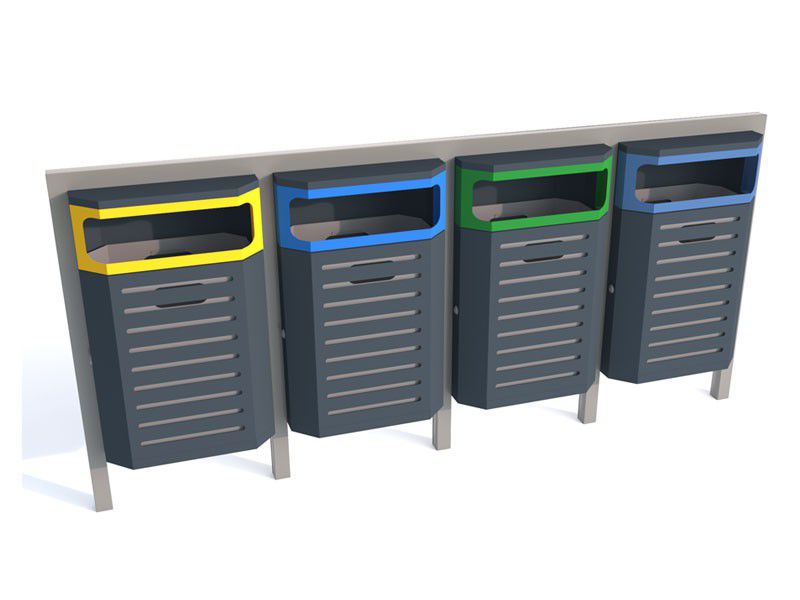
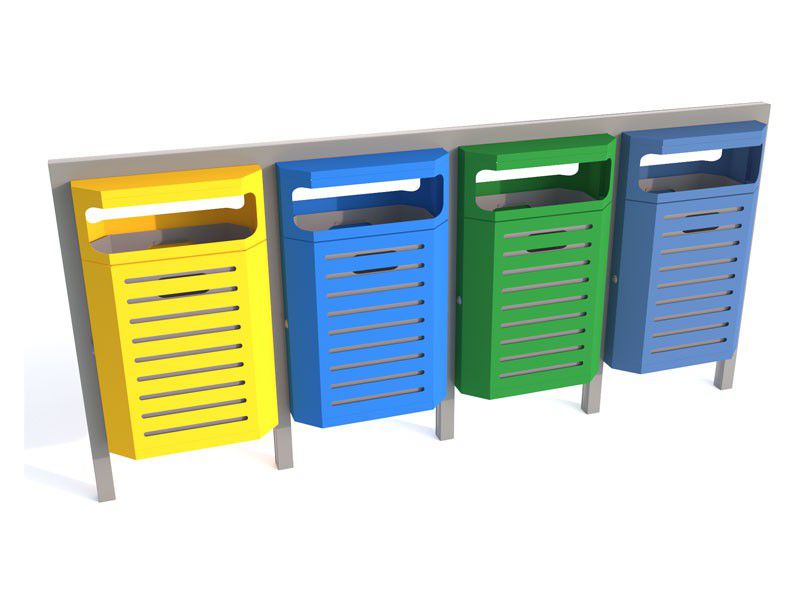
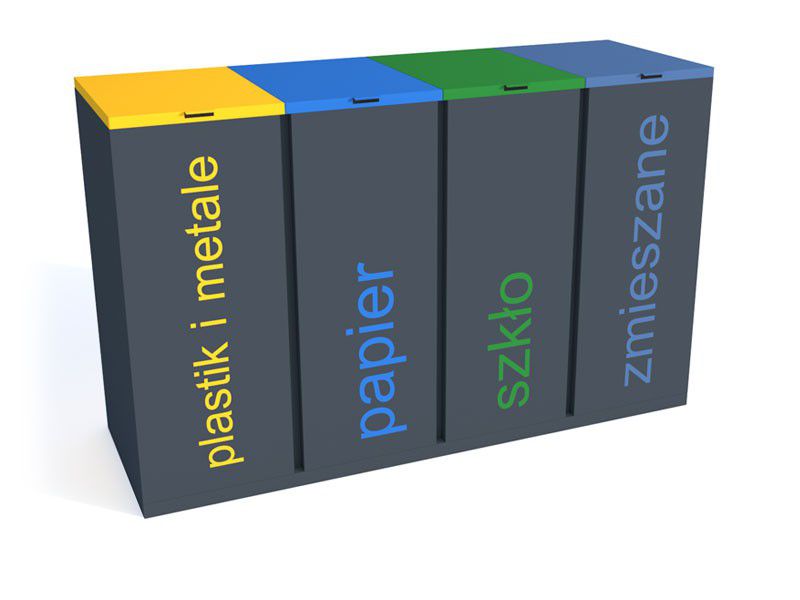
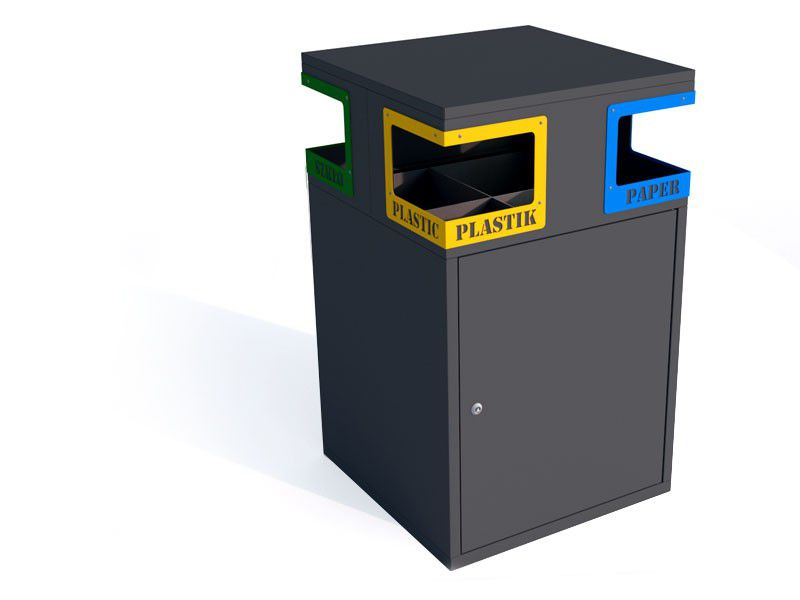
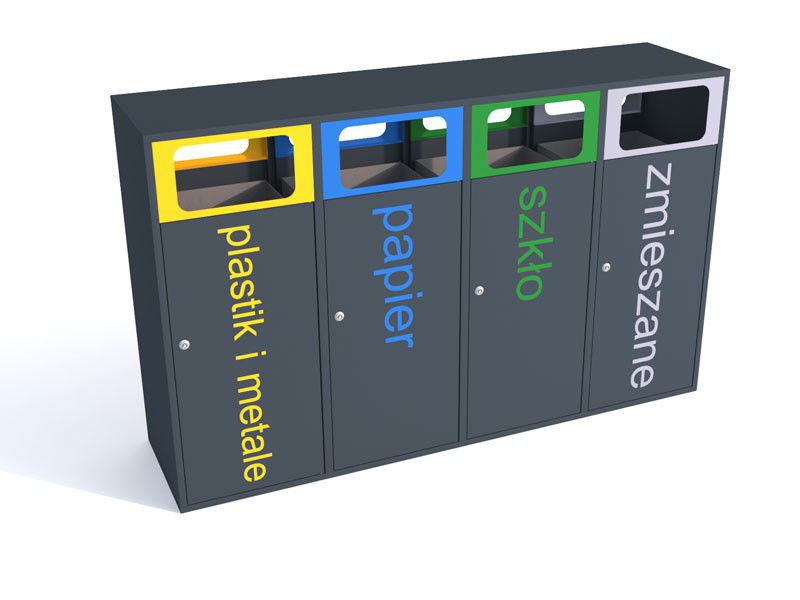
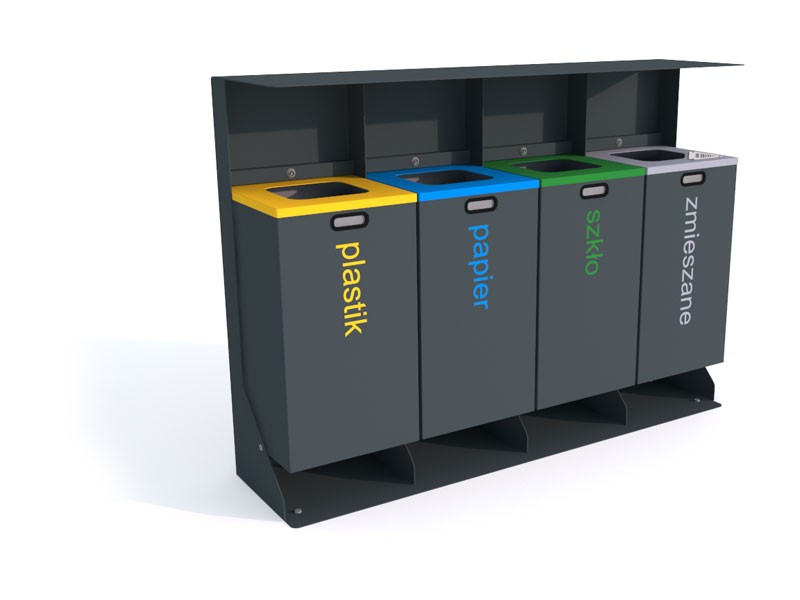
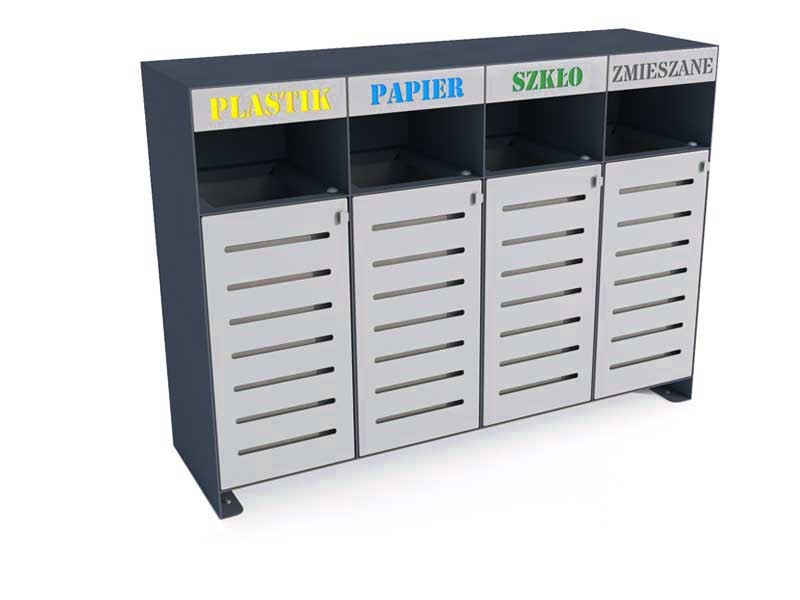
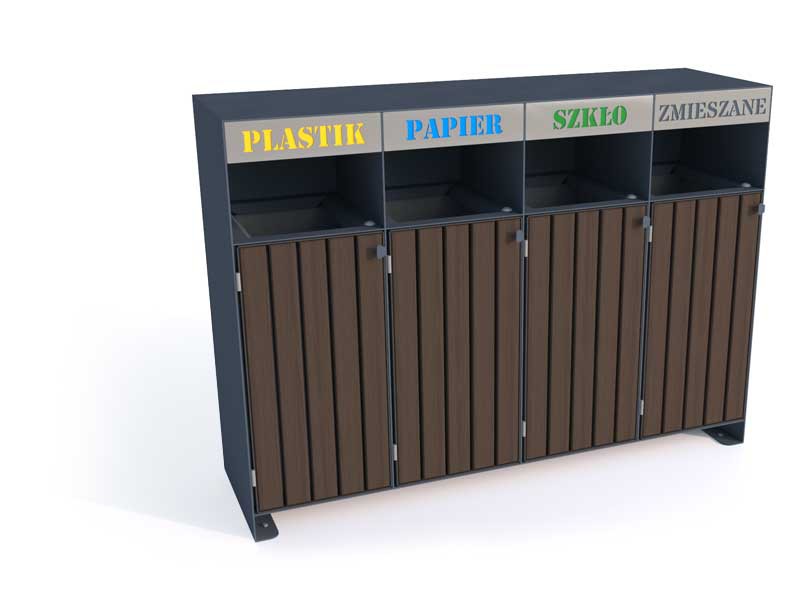
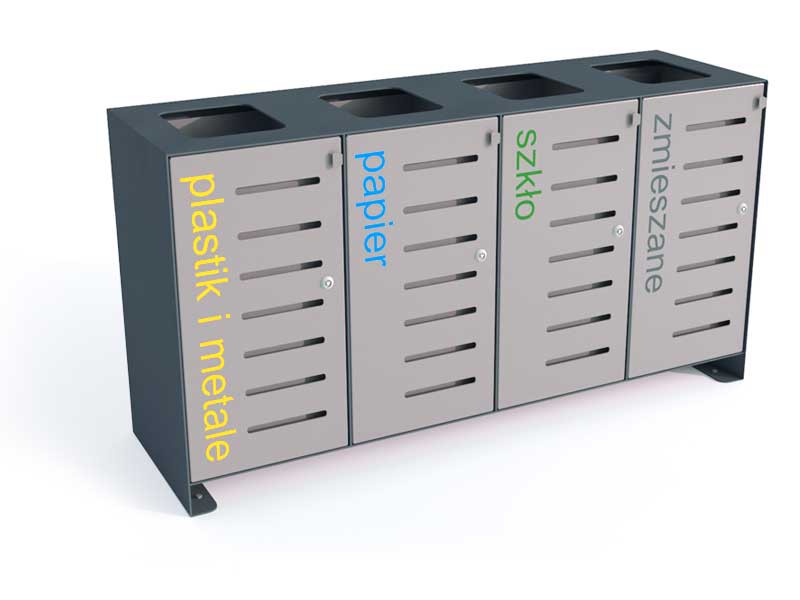
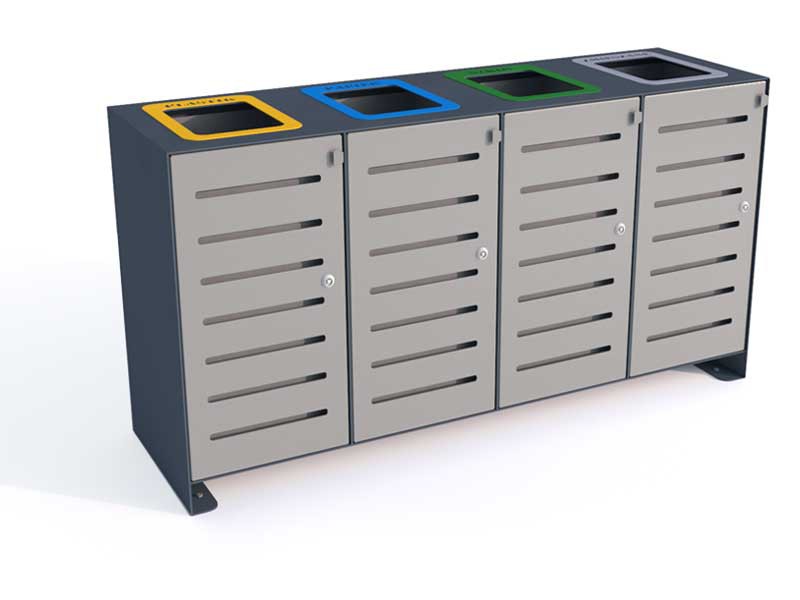
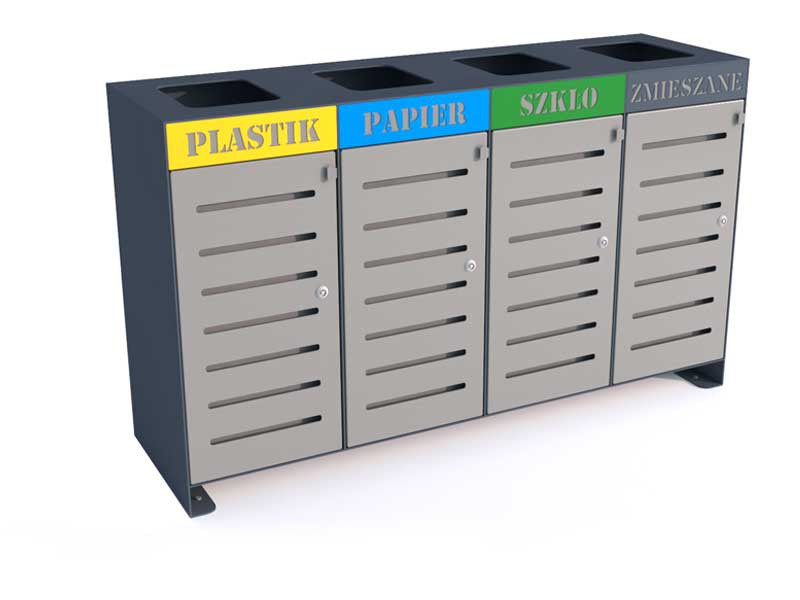
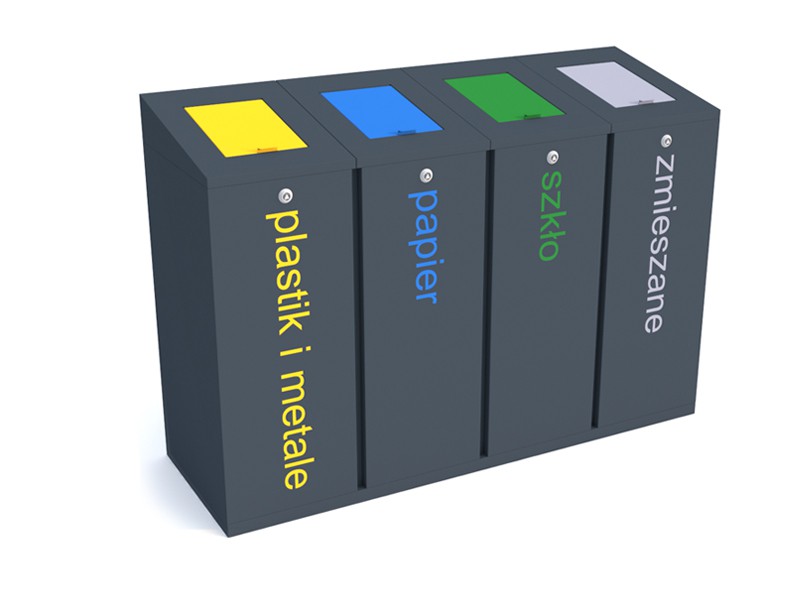
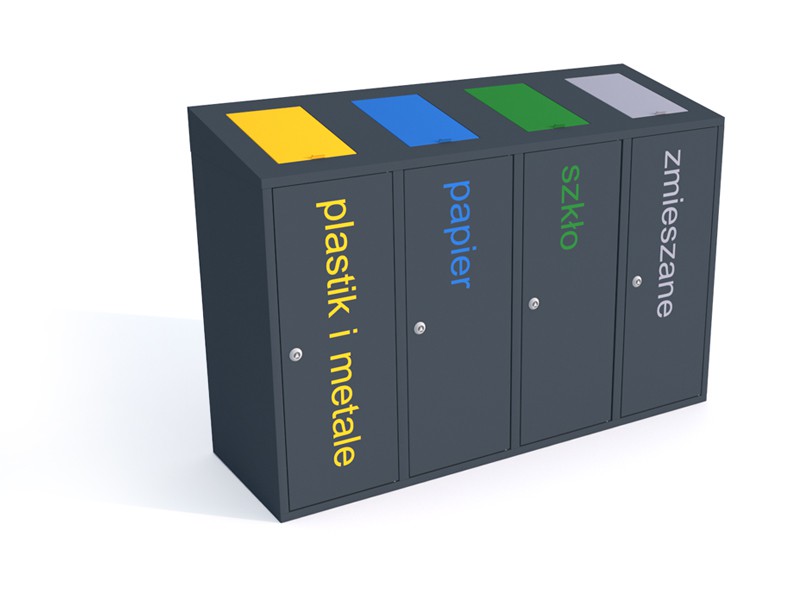
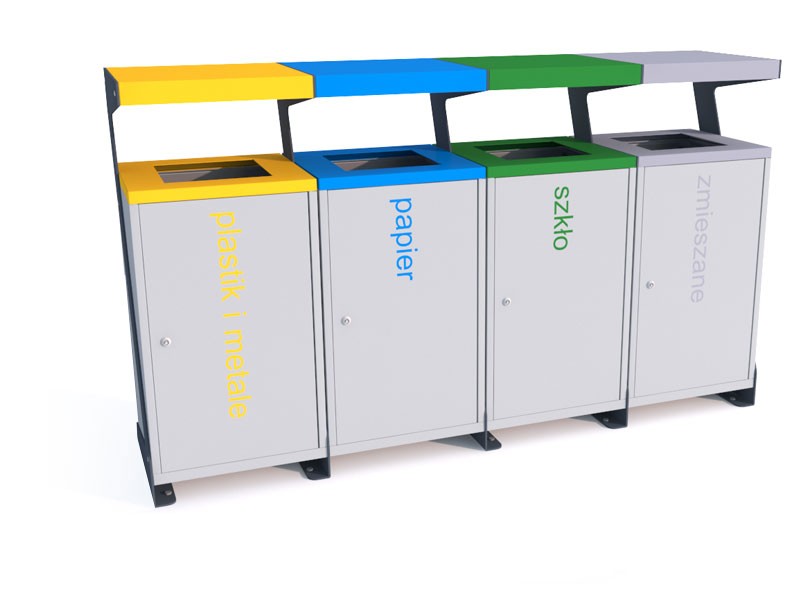
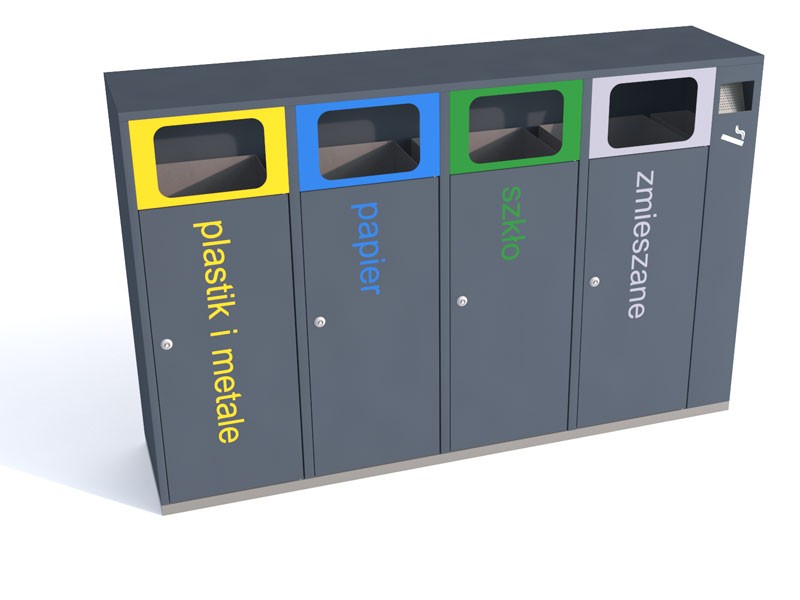
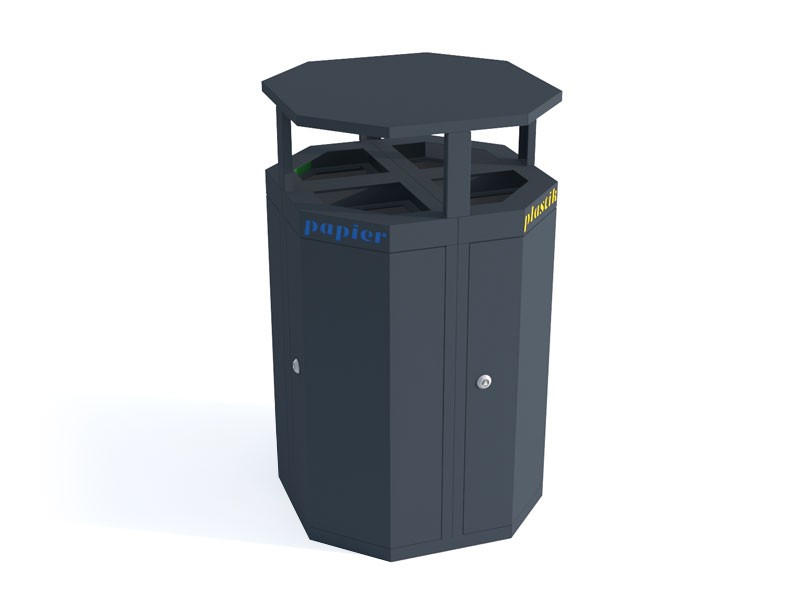
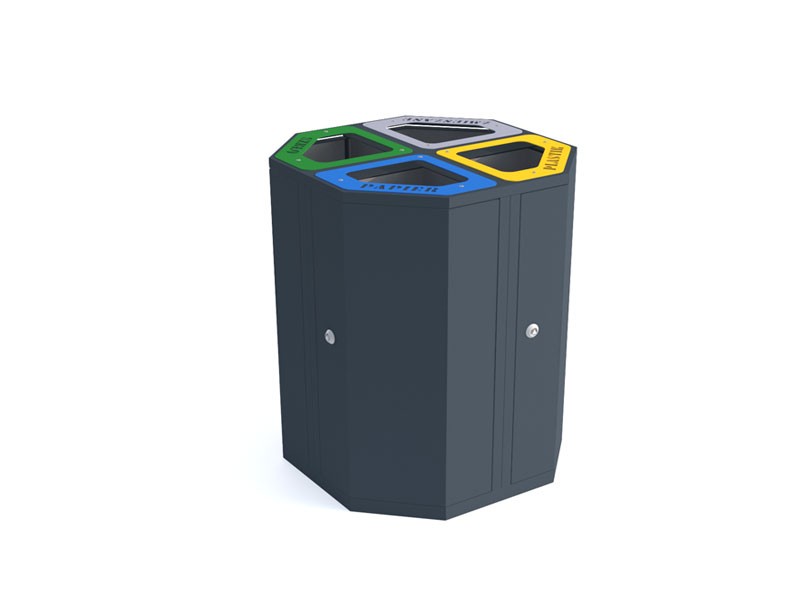
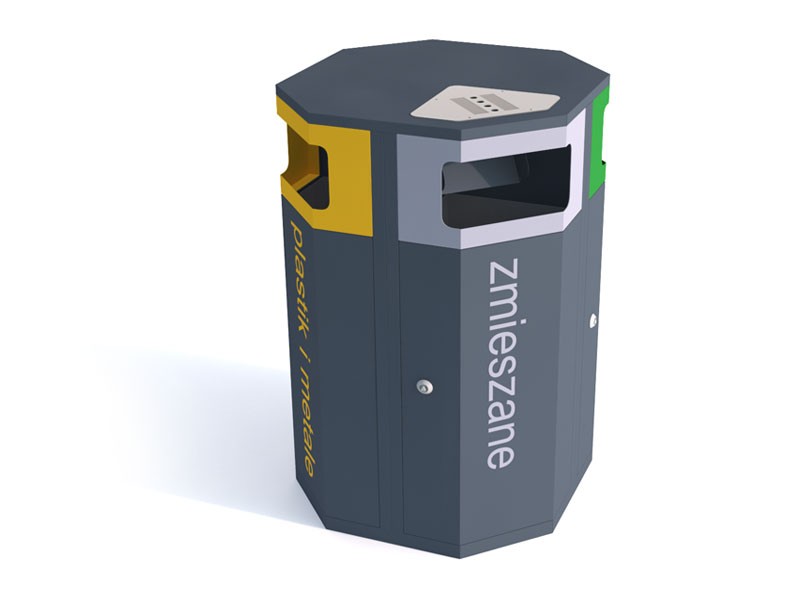
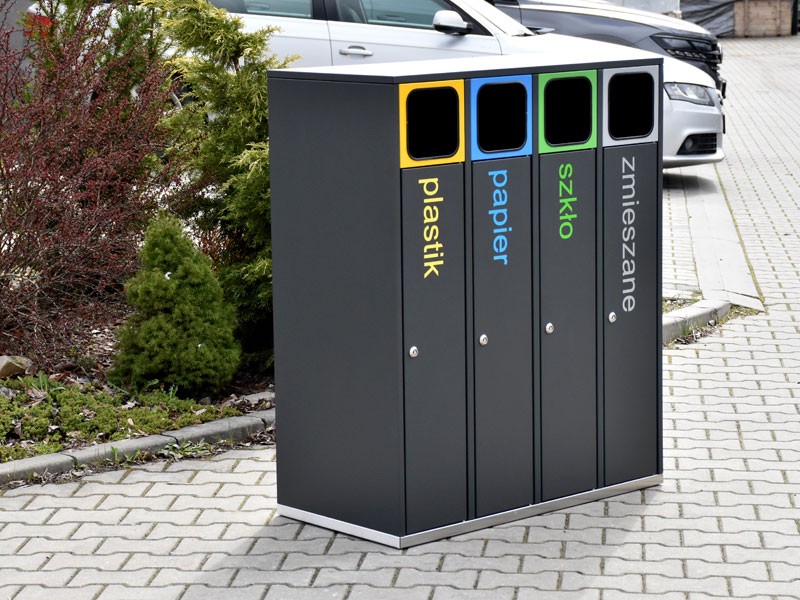
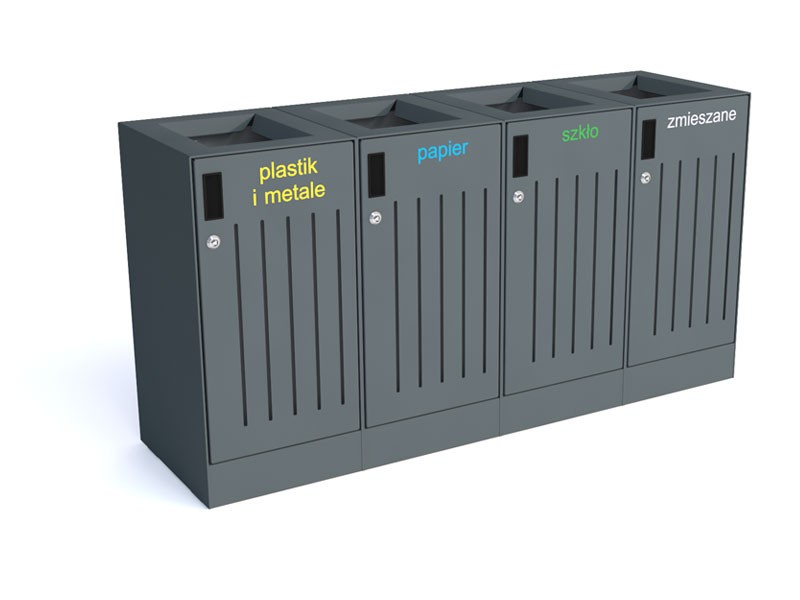
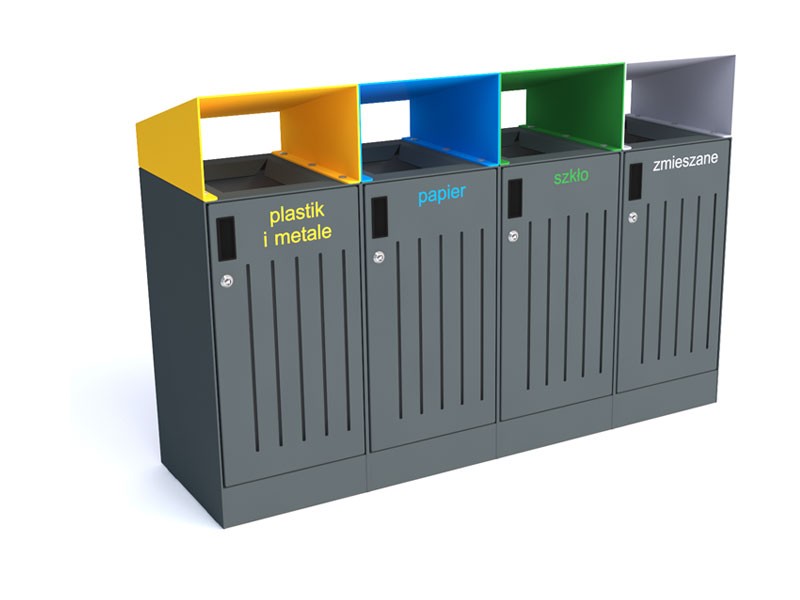
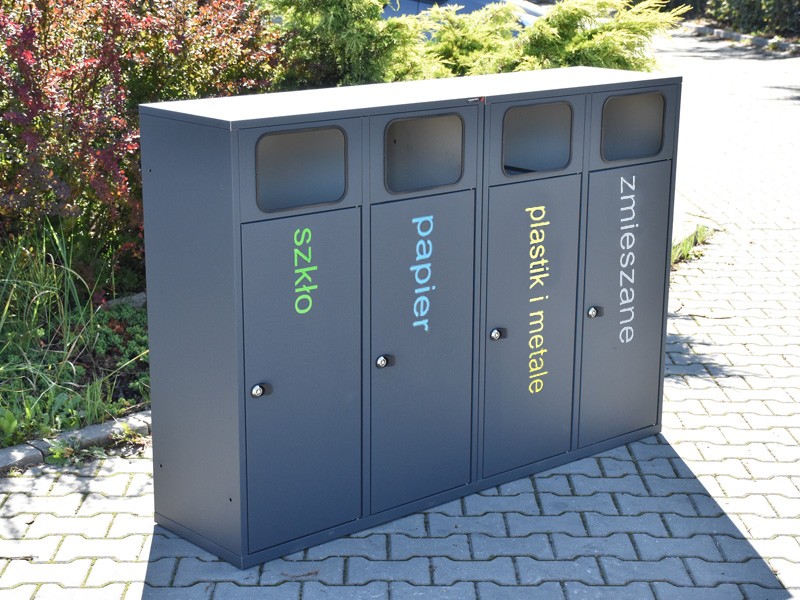
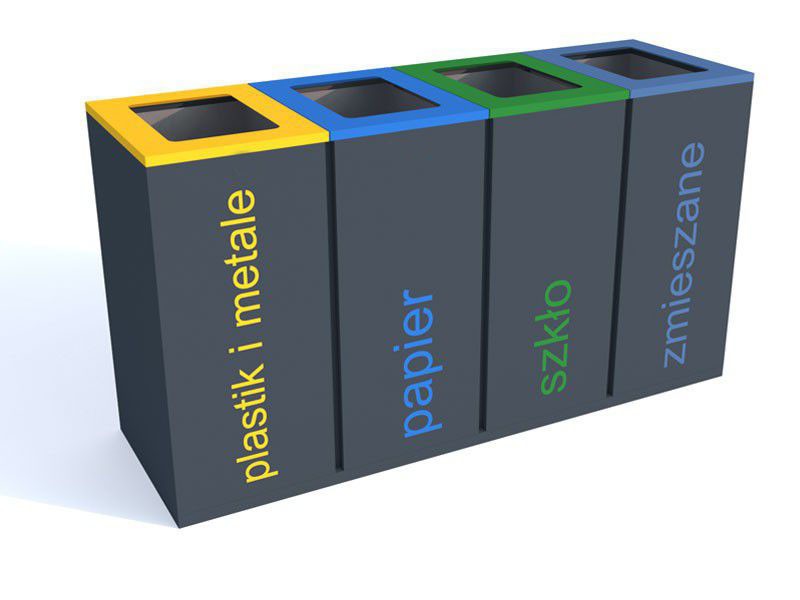
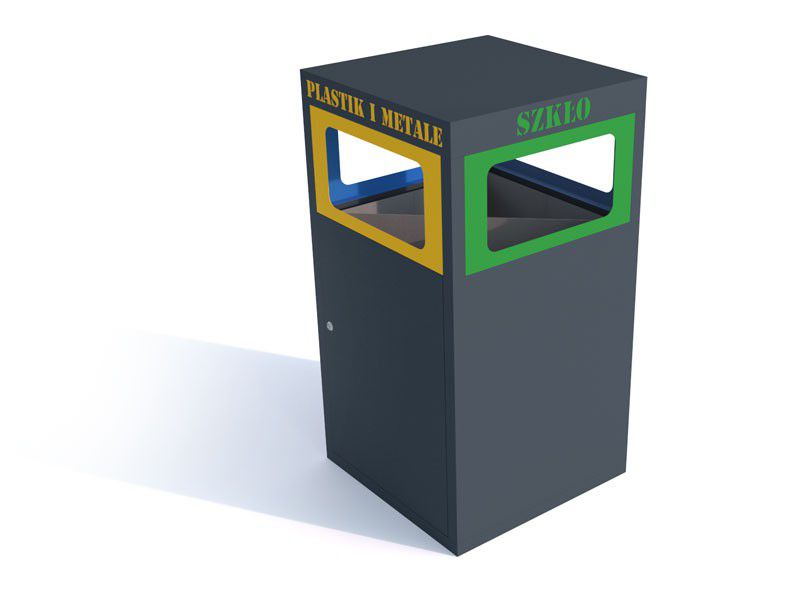
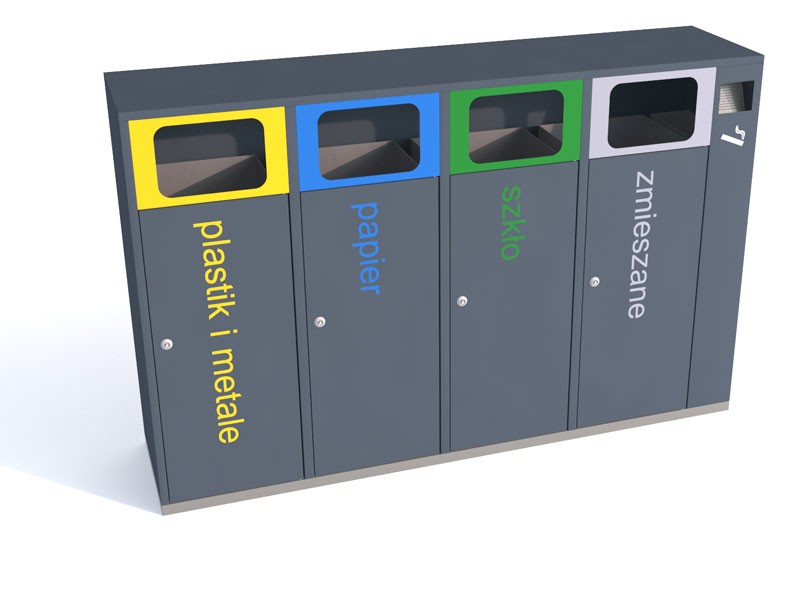
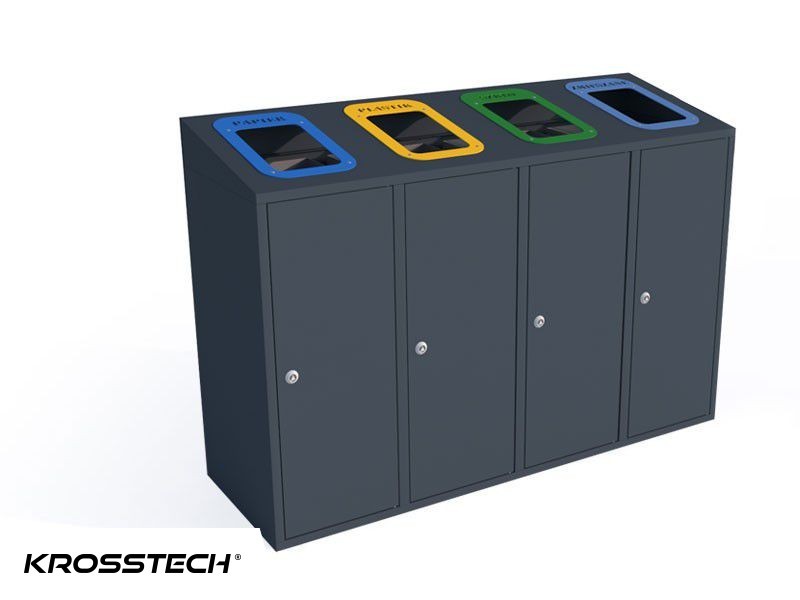
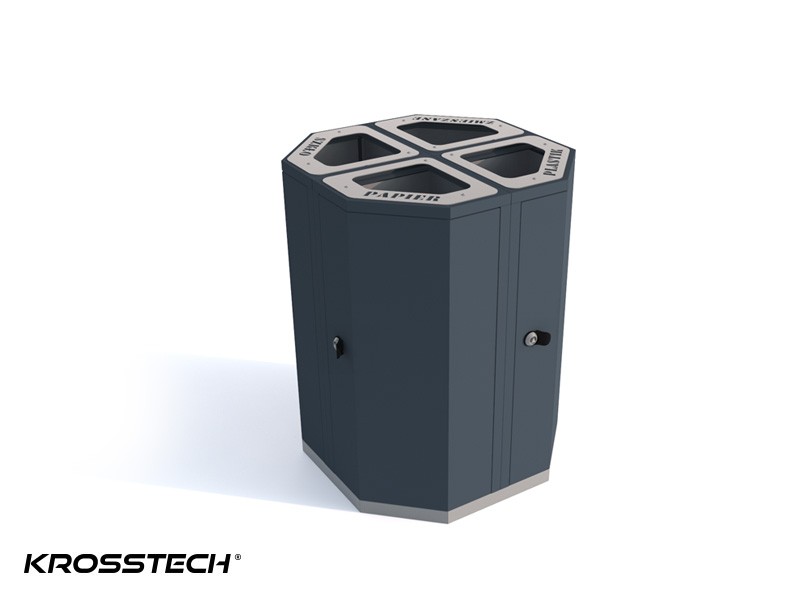
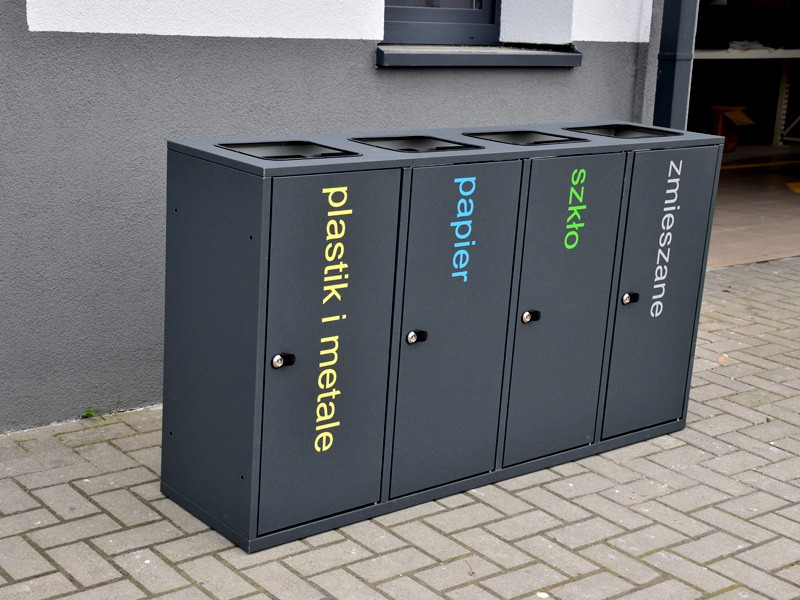
Before deciding on this particular version, it is worth browsing the full range in the Recycling Bins category. 4-compartment bins allow almost the full set of waste streams to be separated in a single, coherent unit — an attractive solution for spaces where comprehensive recycling is required while maintaining a tidy appearance. This model is frequently found in shopping centres, universities and large workplaces.
A uniform design line makes it possible to cover most waste streams without compromising the visual order of the space — important wherever the aesthetics of the interior matter as much as recycling functionality.
When choosing the four-compartment version, it is worth comparing it with neighbouring options in the range — the 2-compartment model, suited to limited space and fewer waste streams, and the full 5-compartment set, which also covers biowaste. Four compartments most commonly separate paper, glass, metals and plastics, and general waste, without a dedicated organic stream — a suitable solution where biowaste is generated only occasionally or is collected separately elsewhere on site.
Bins of this type are usually made of powder-coated steel, ensuring resistance to scratches and everyday use in high-traffic locations. A sturdy base and internal partitions between compartments prevent waste from accidentally spilling between streams, while removable top lids allow bags to be changed quickly without tilting the entire unit.
Clear labelling of each compartment is essential — pictograms, colours and short text descriptions enable users to make the right decision within seconds, without having to think about the sorting rules. In places with high turnover of people, such as university halls, shopping centres or public office waiting areas, this clarity translates directly into recycling quality — the less doubt, the fewer items placed in the wrong compartment.
When planning the number of four-compartment bins for a given site, it is worth considering not only floor area but also footfall in individual zones — reception areas, corridors and meeting rooms usually generate a different waste profile than staff facilities. A good benchmark is to position bins within easy reach of every workstation or circulation route, without forcing users to walk a long way in search of the right container.
Servicing four-compartment recycling bins usually requires a separate emptying schedule for each waste stream, as compartments fill at very different rates — paper and general waste typically accumulate faster than glass or metals. Cleaning companies increasingly combine this task with their daily rounds, preventing any compartment from overflowing without excessively increasing service frequency.


Contact
Need help choosing?
If you are not sure which solution is right for your space, please contact us. We will help you choose products tailored to your needs.