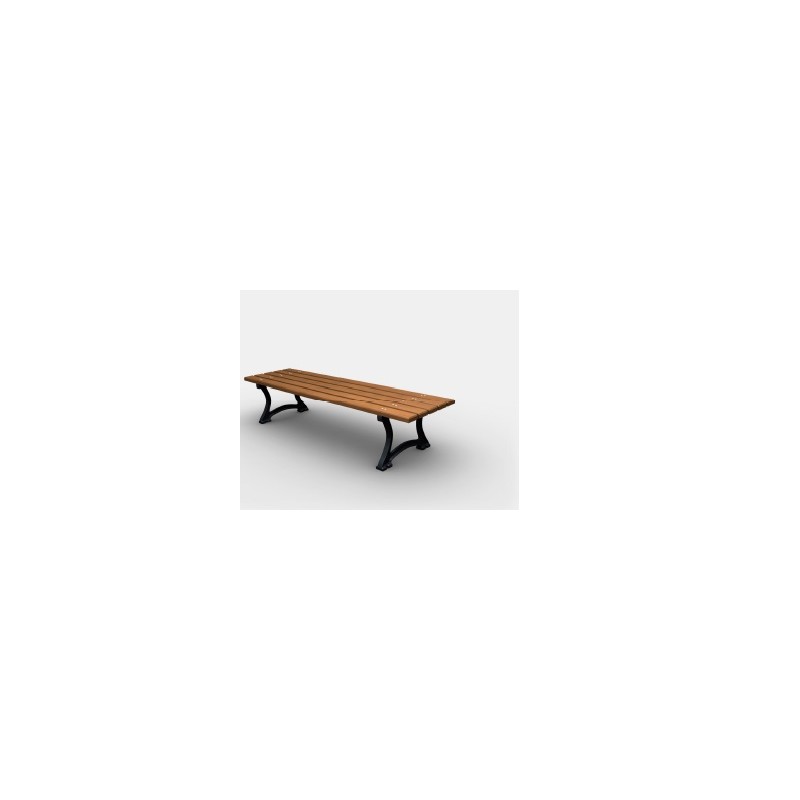
Backless
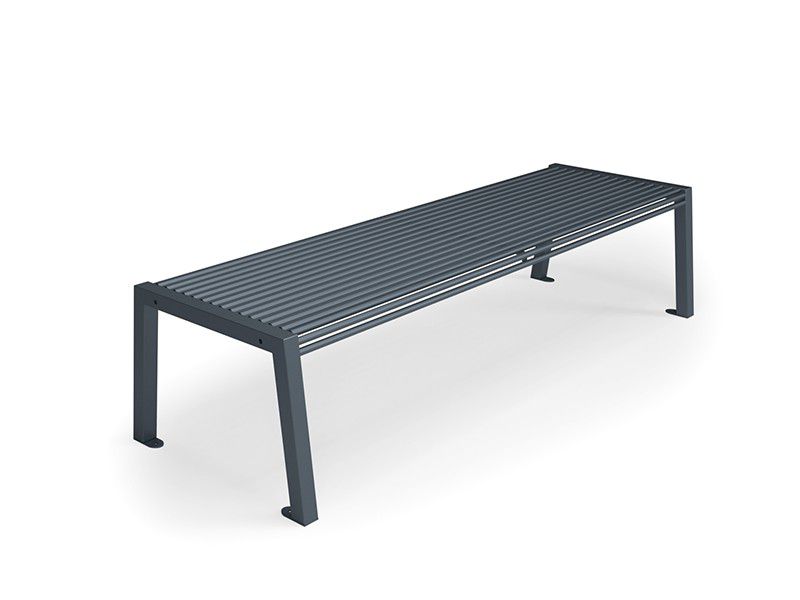
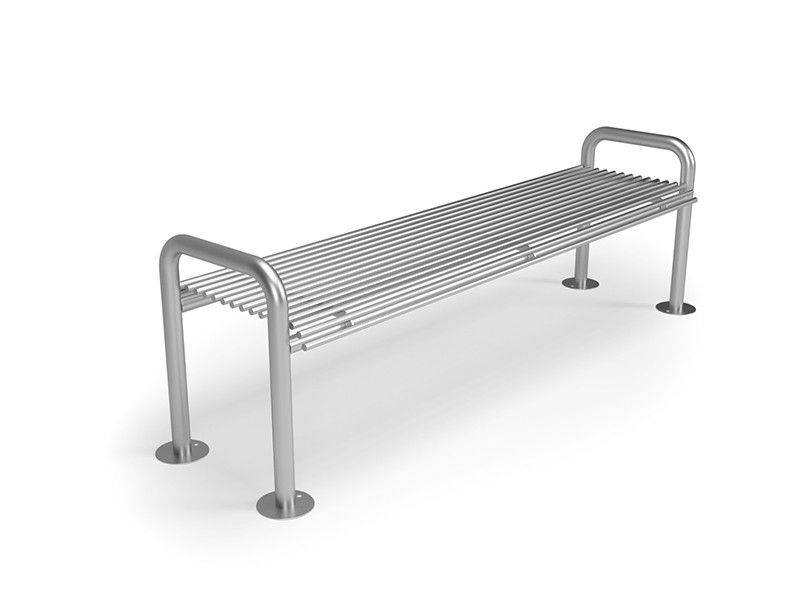
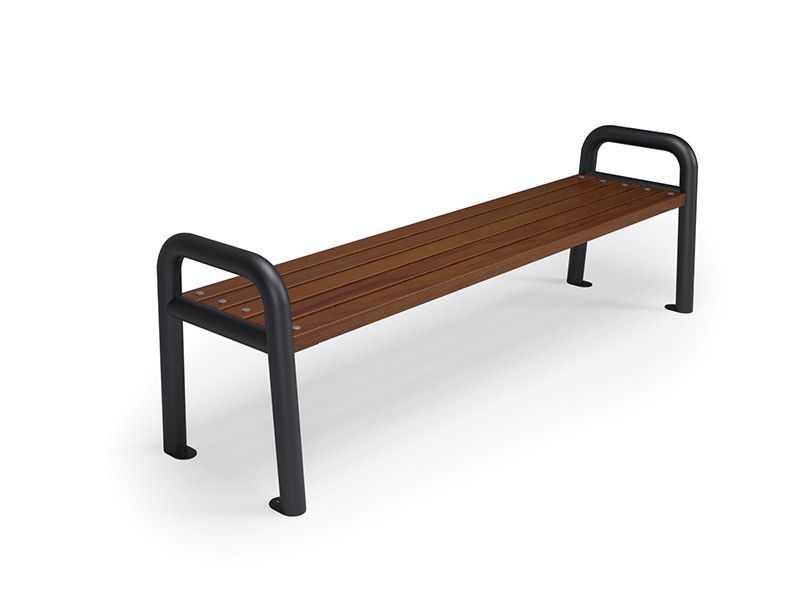
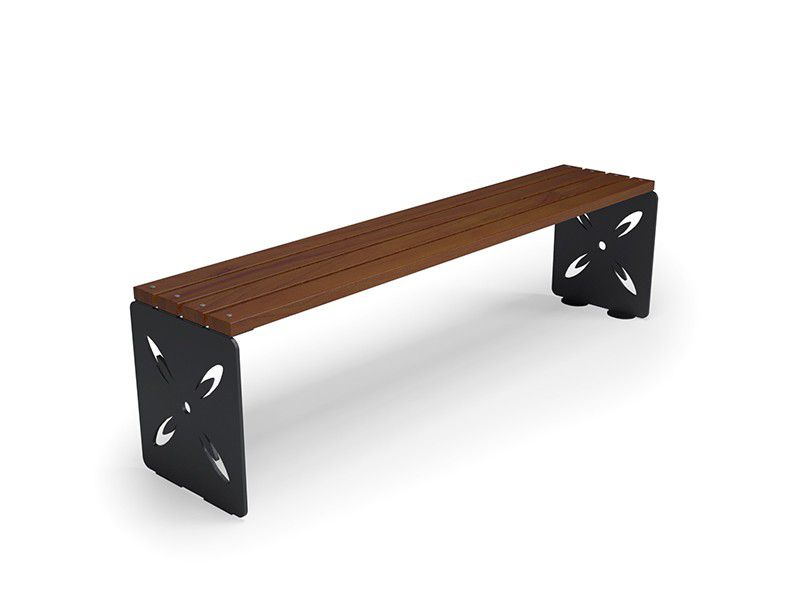
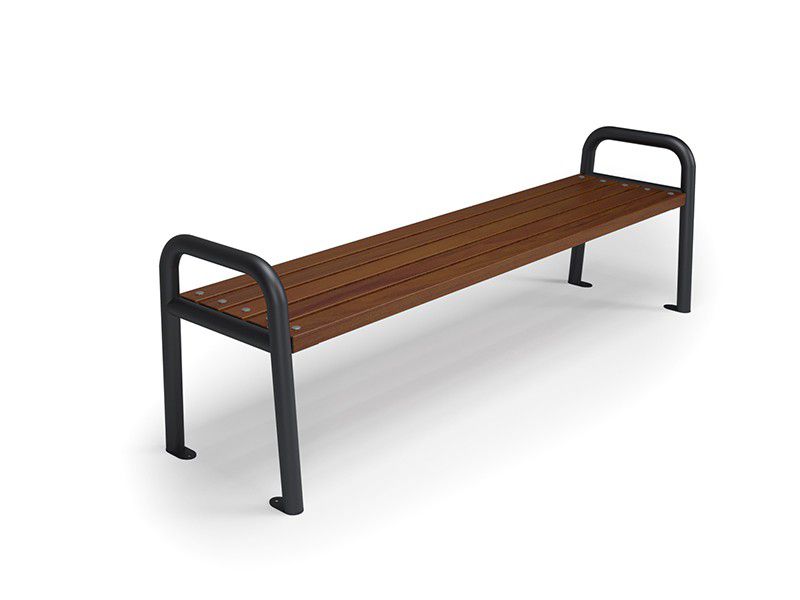
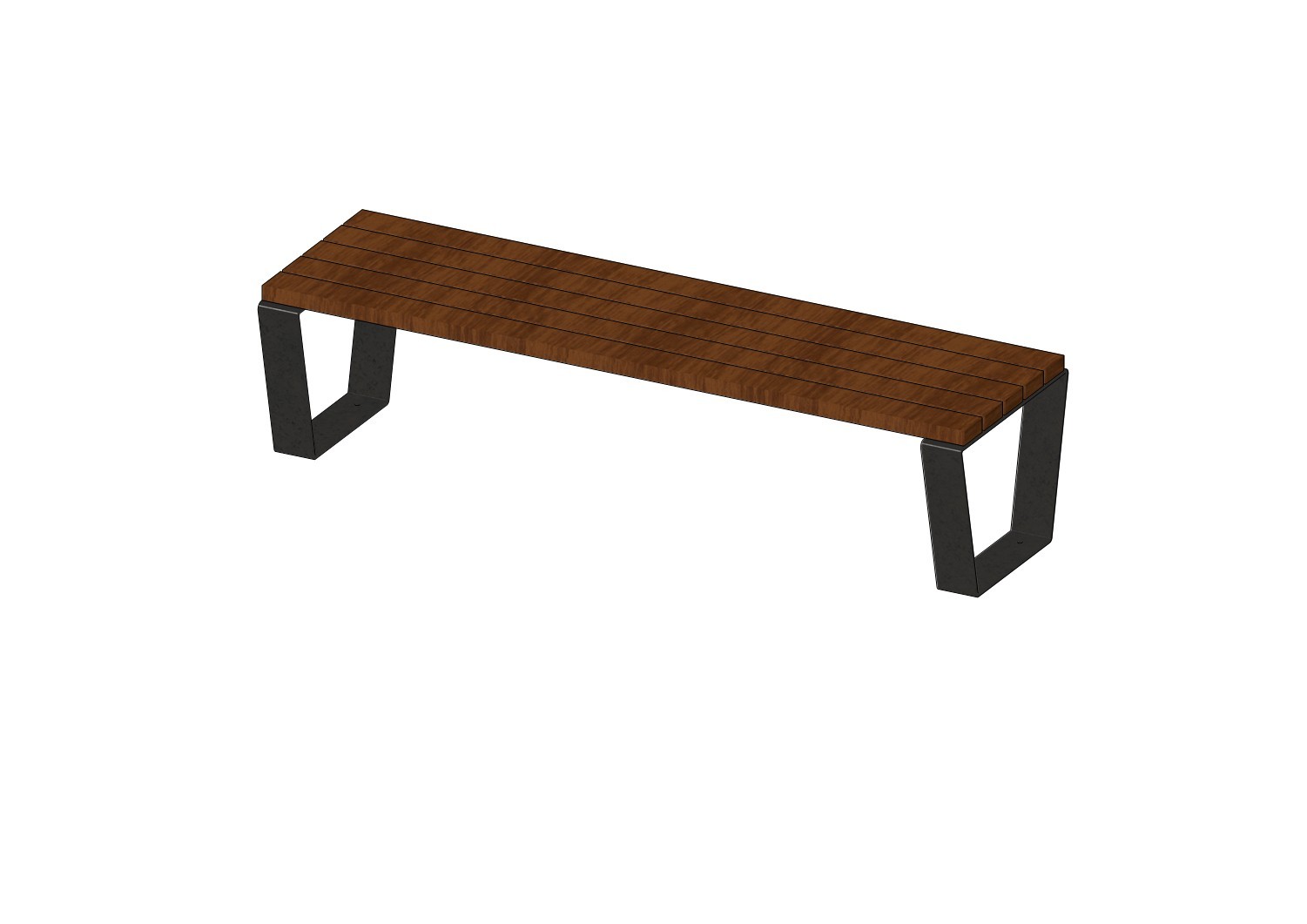
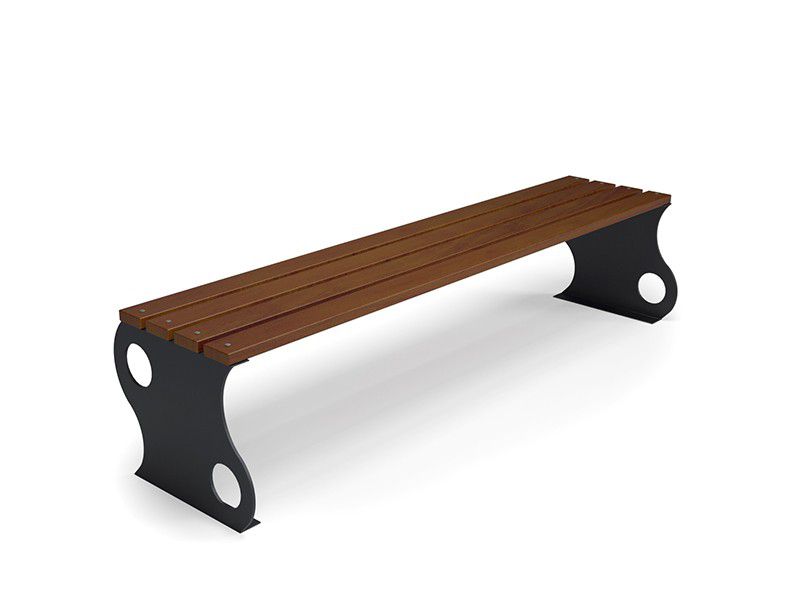
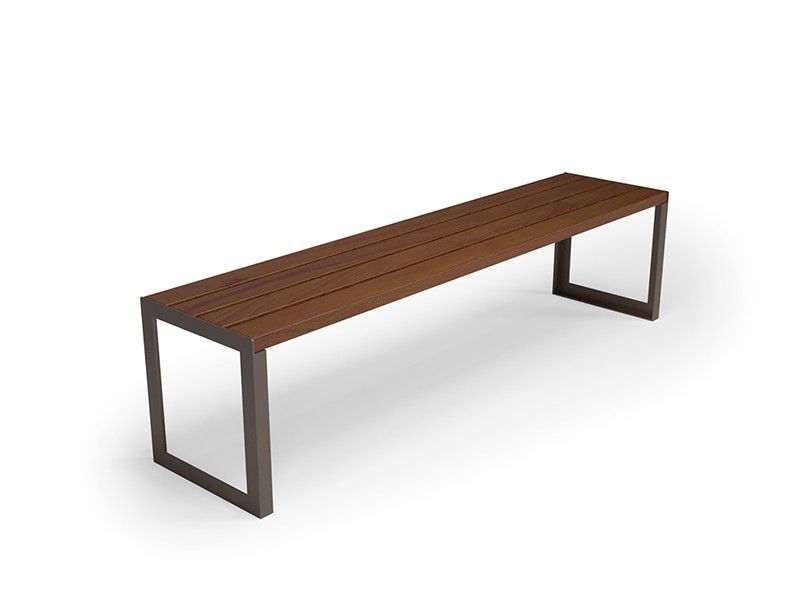
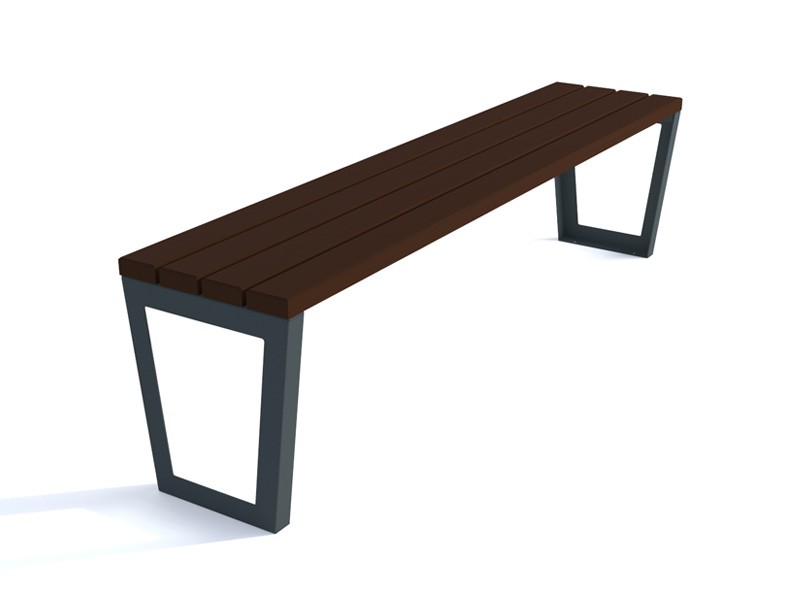
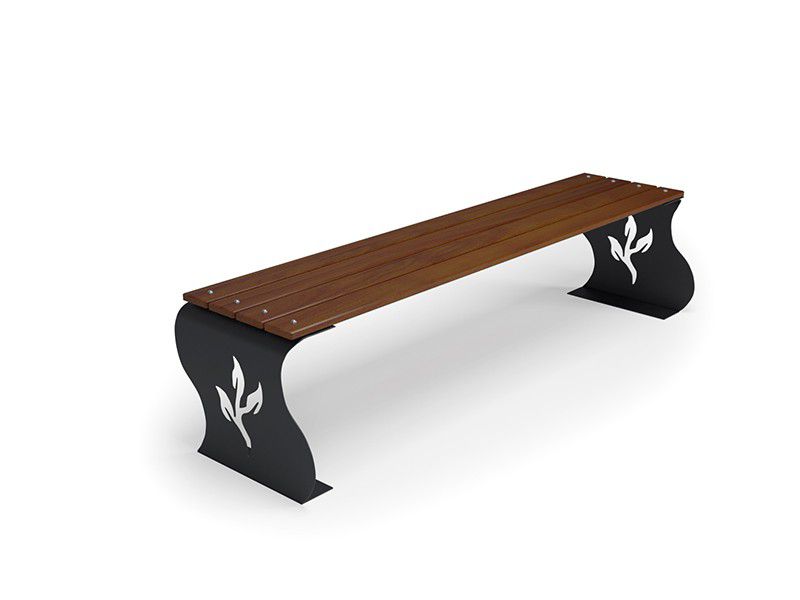
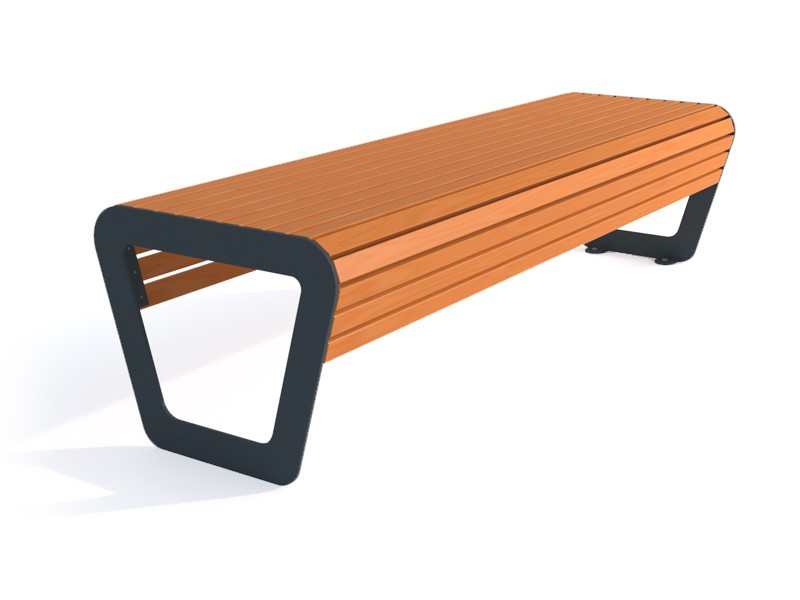
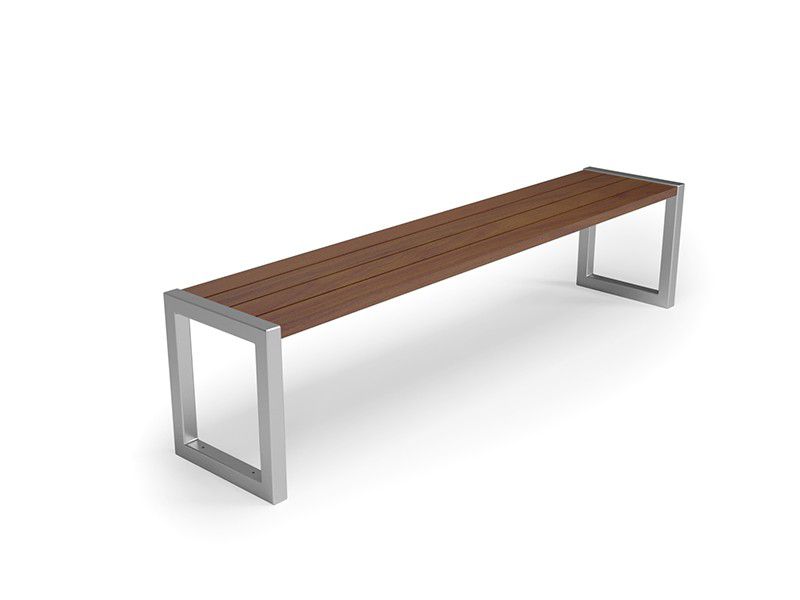
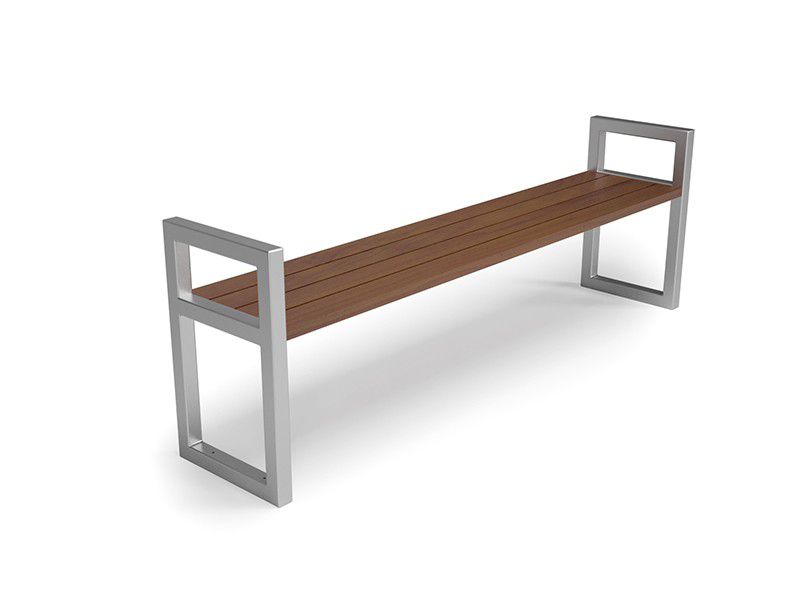
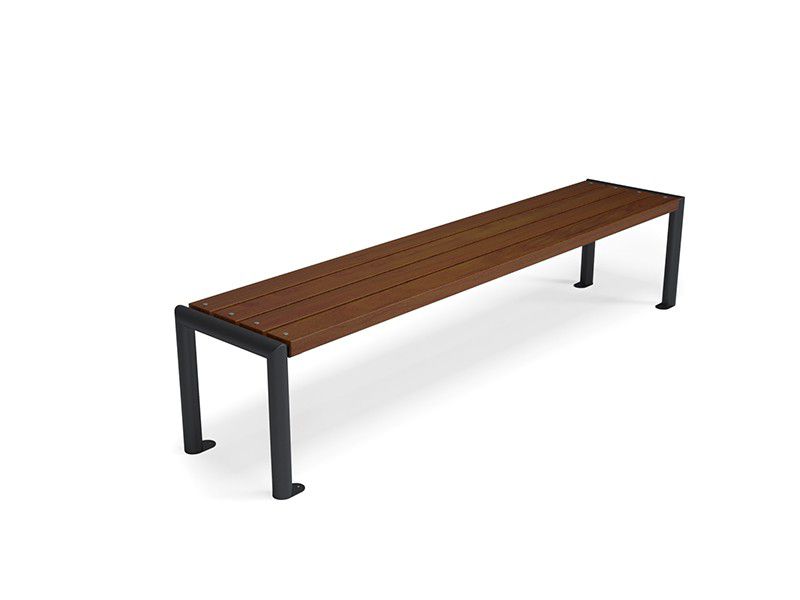
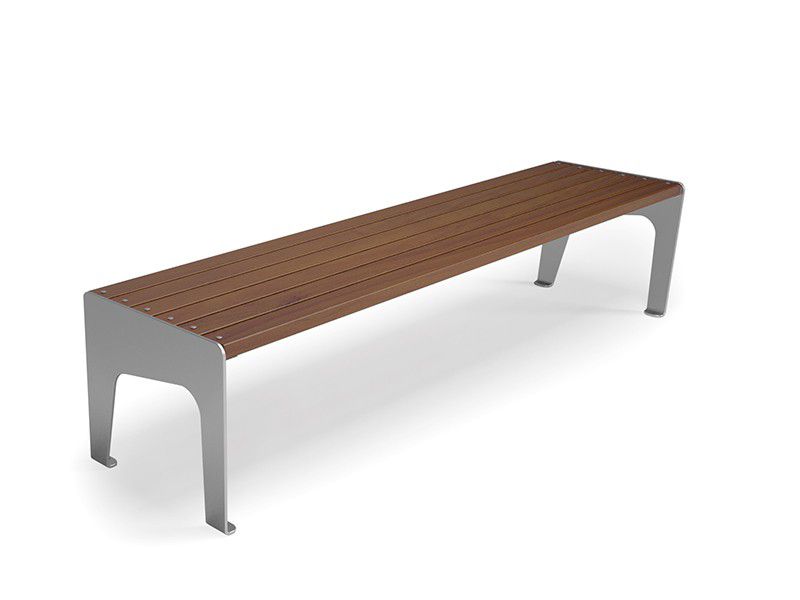
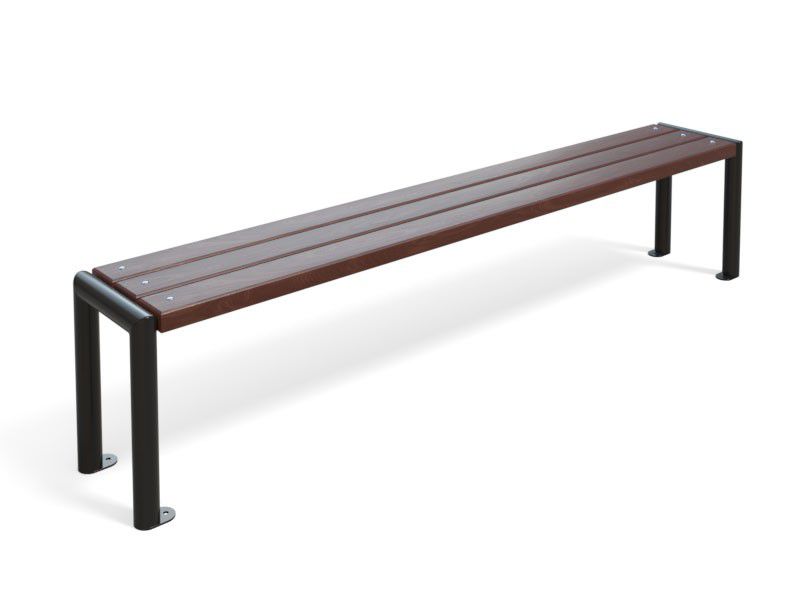
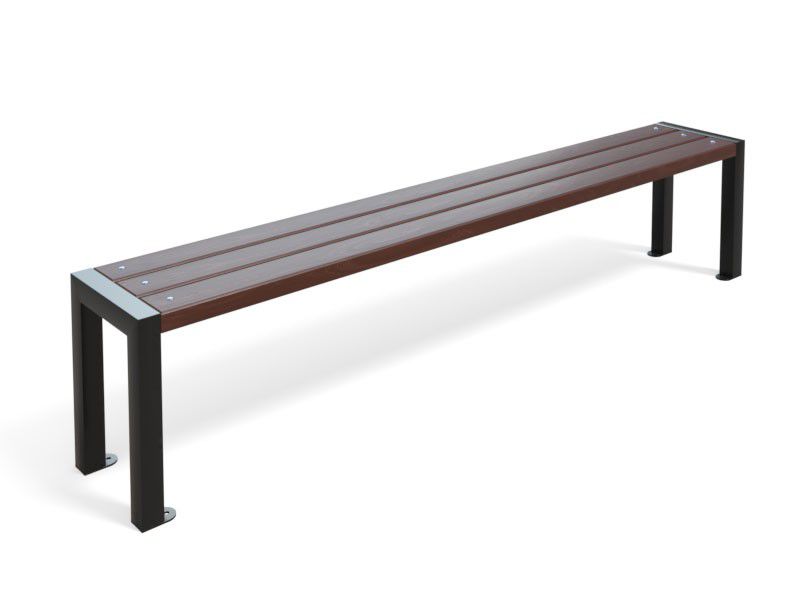
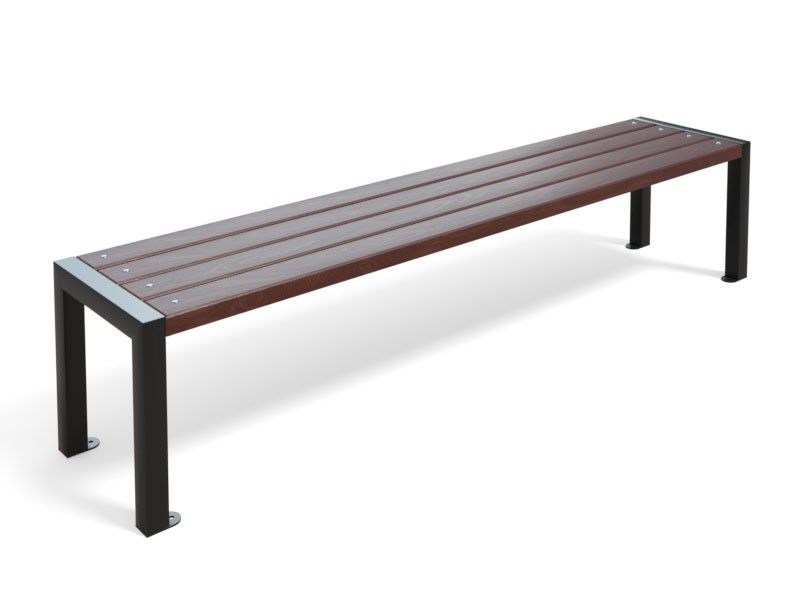
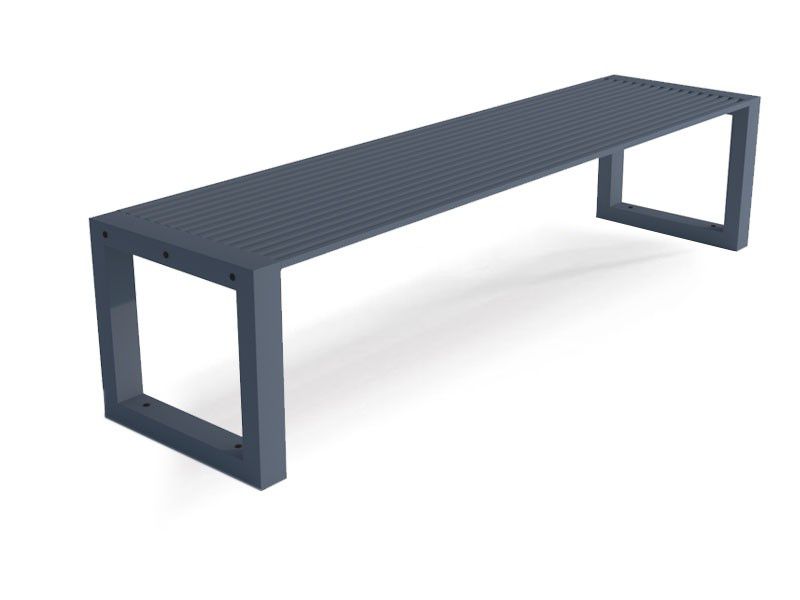
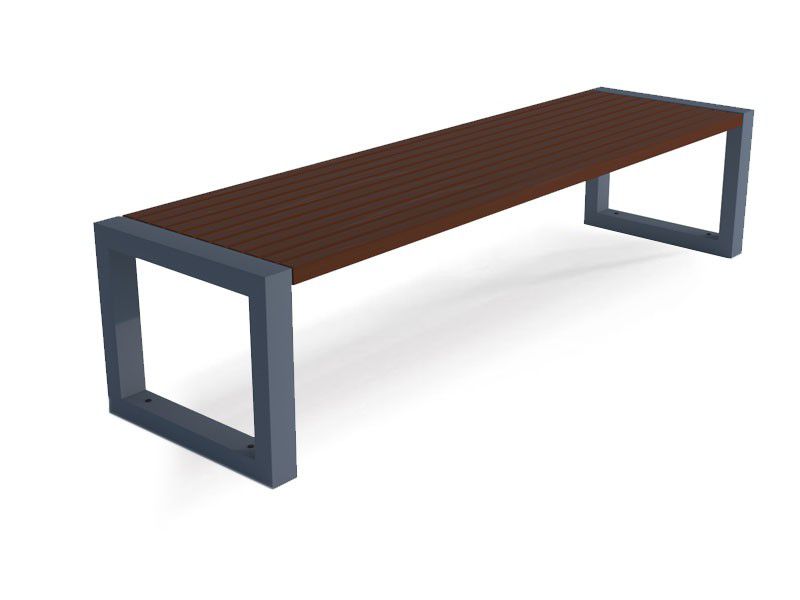
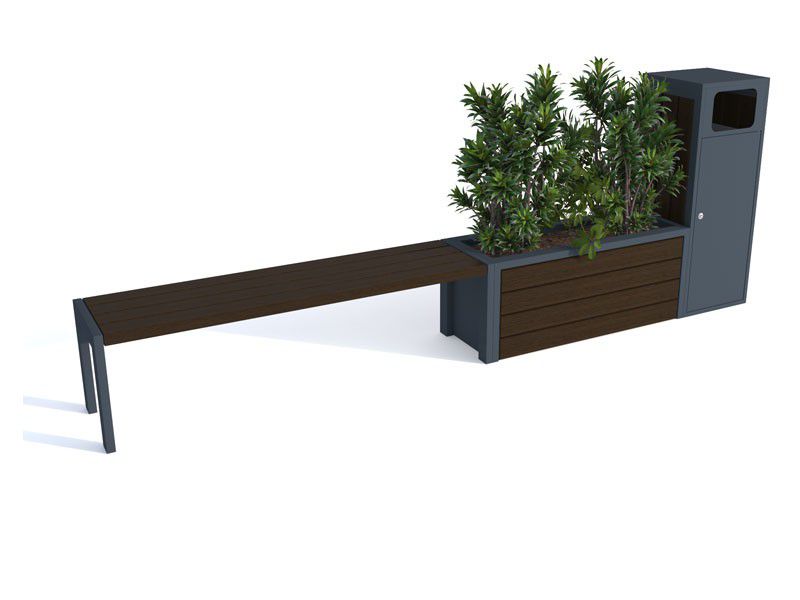
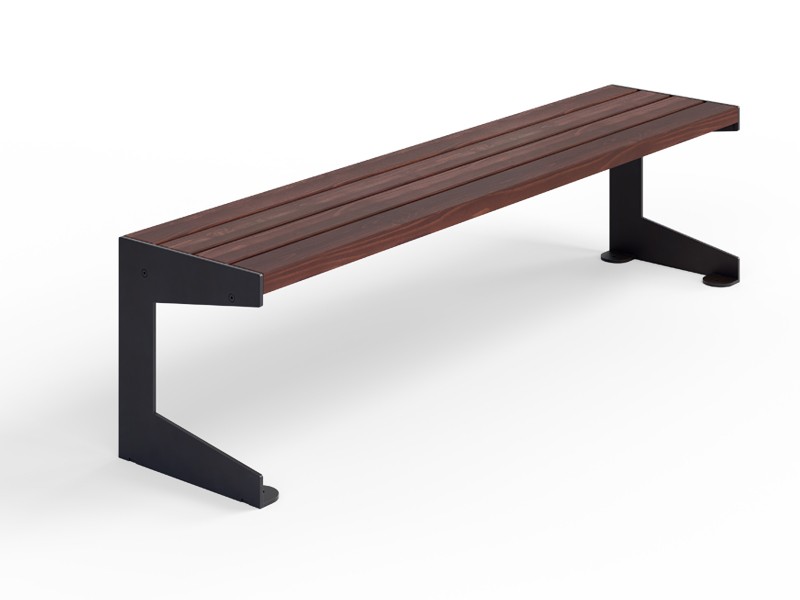
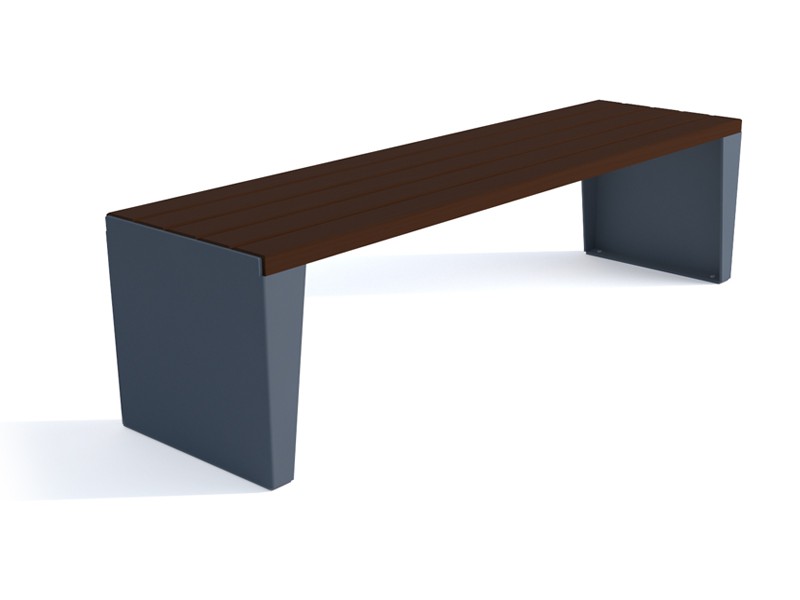
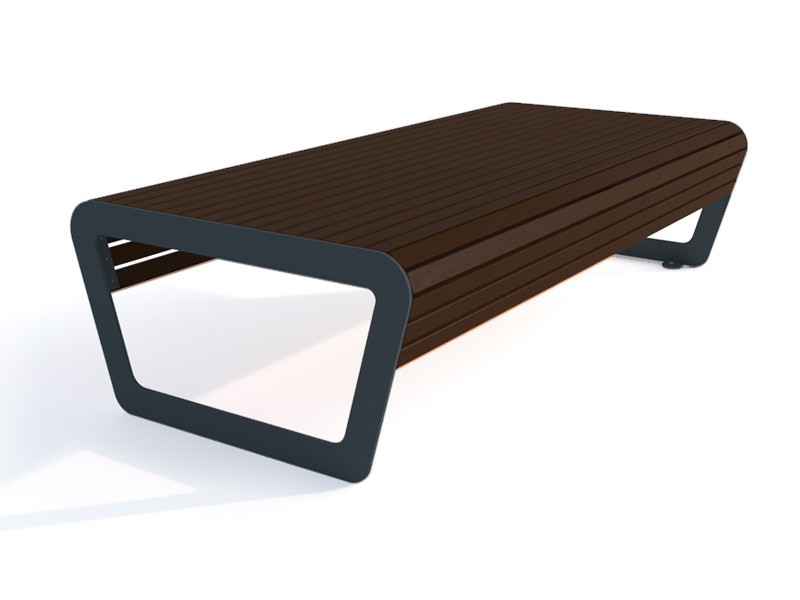
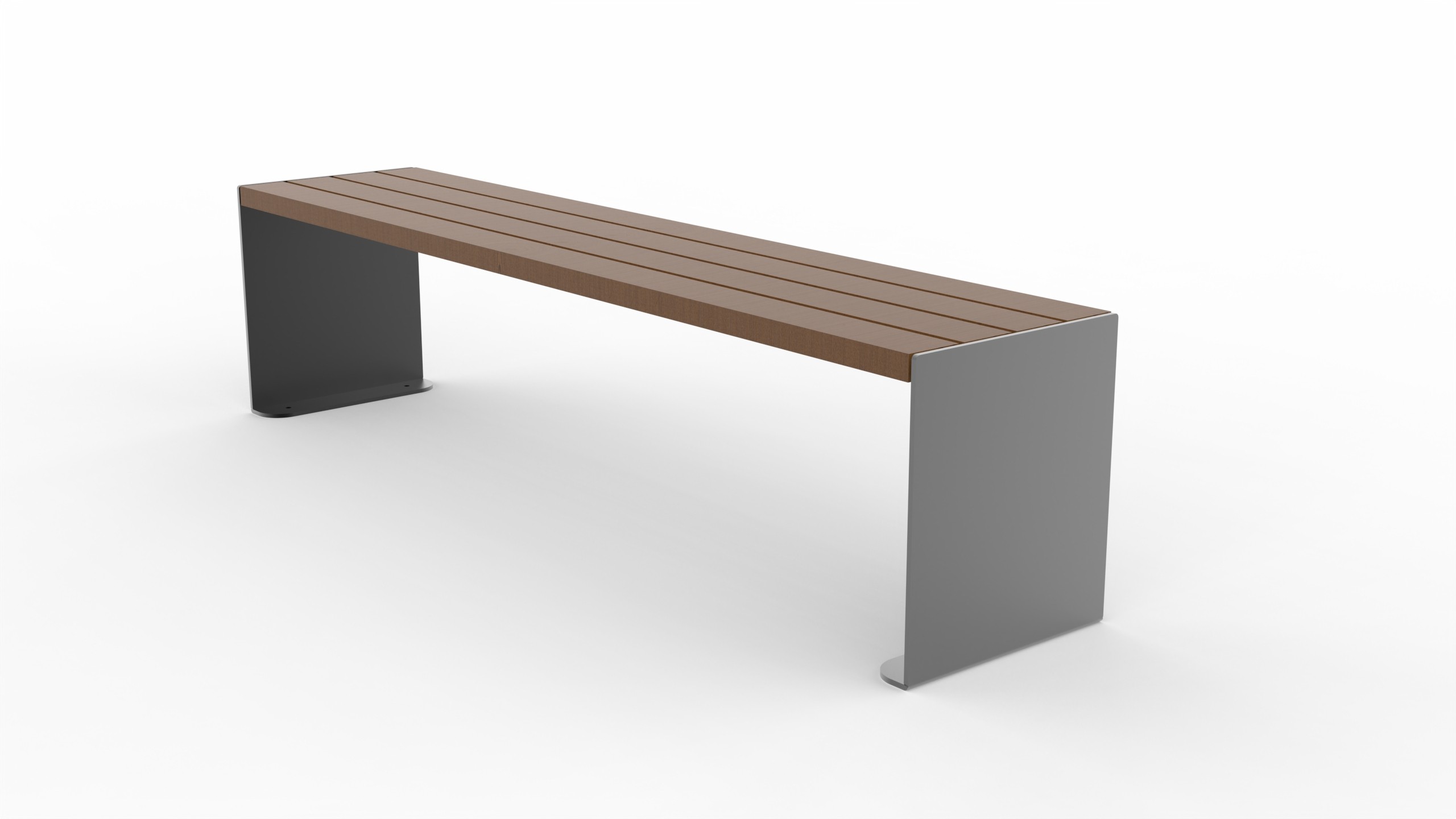
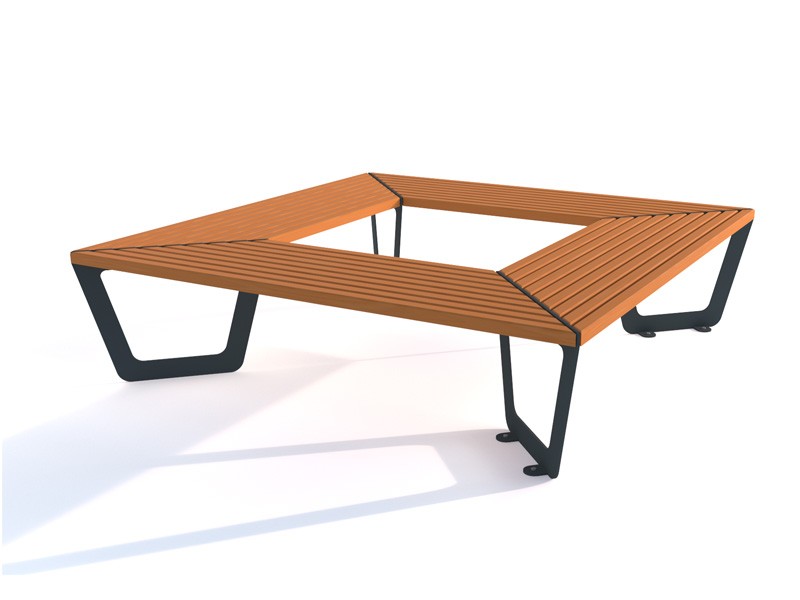
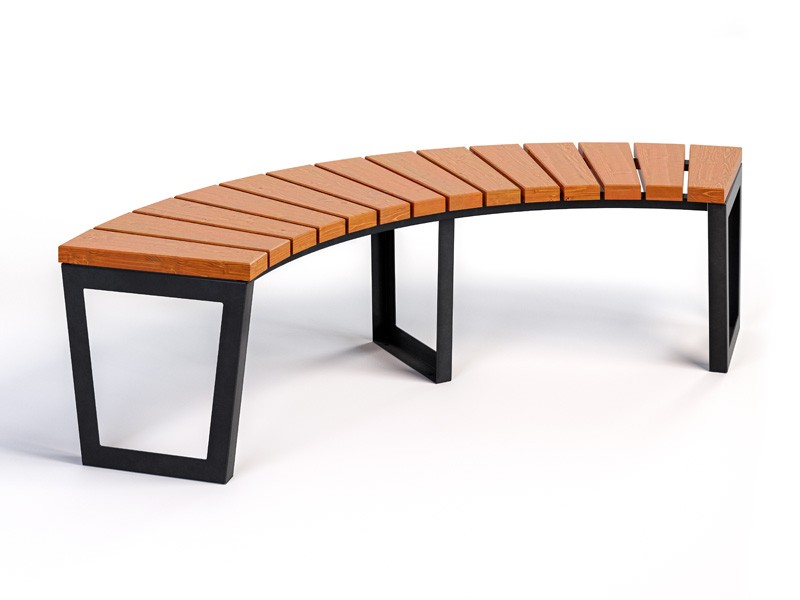
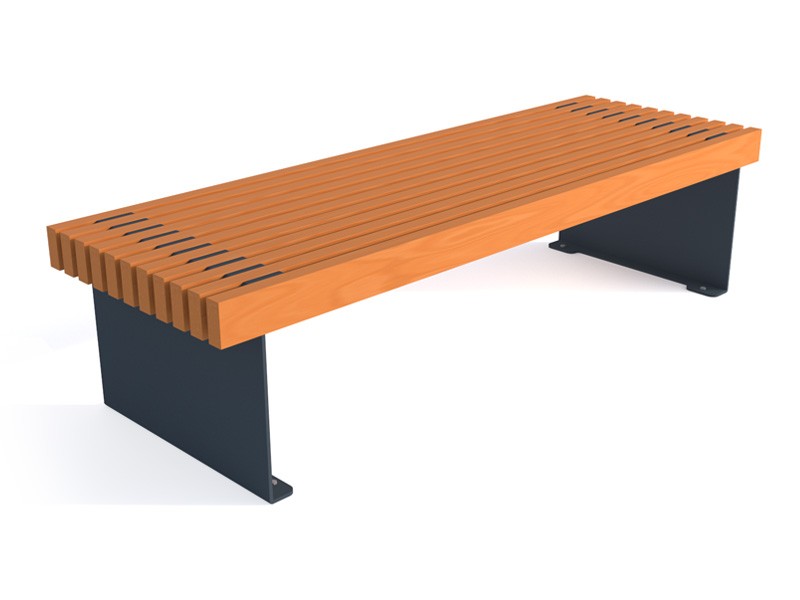
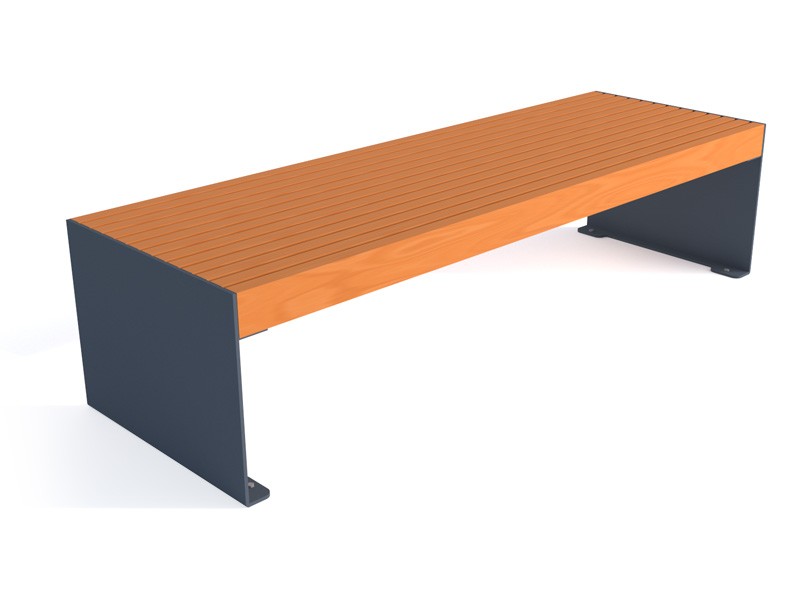
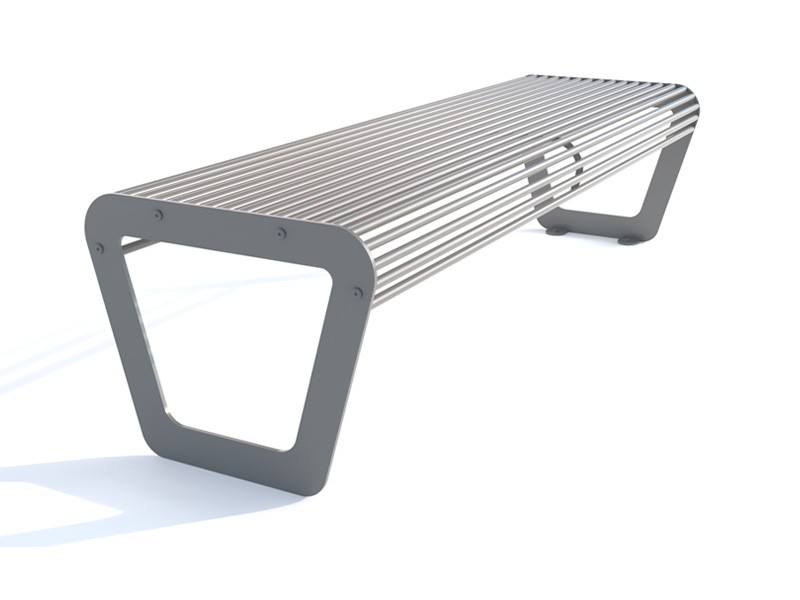
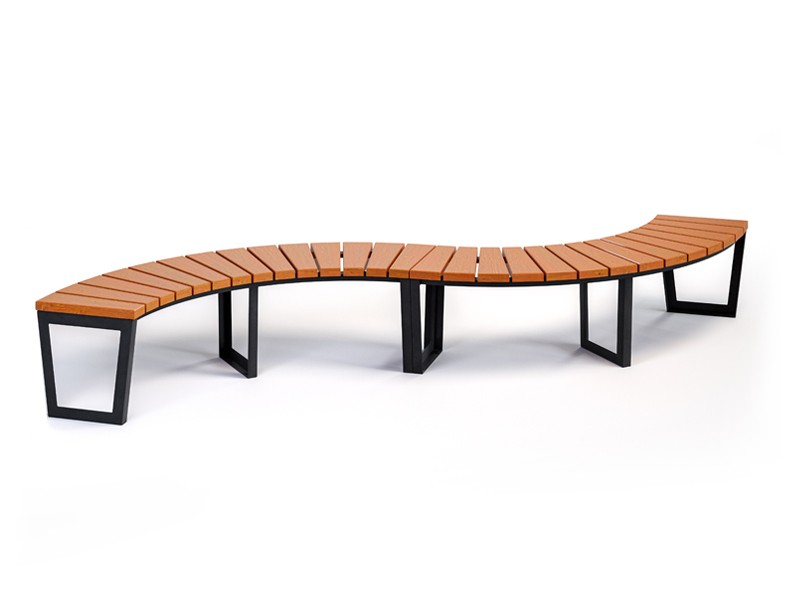
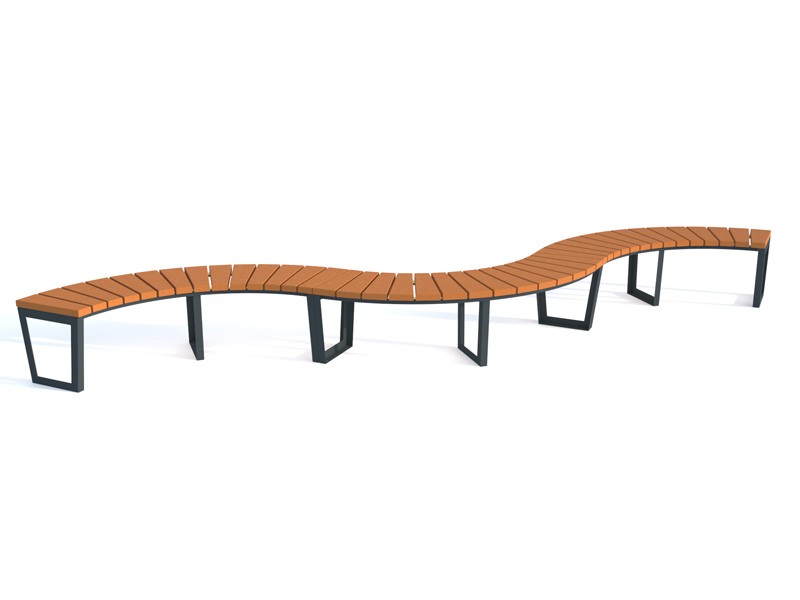
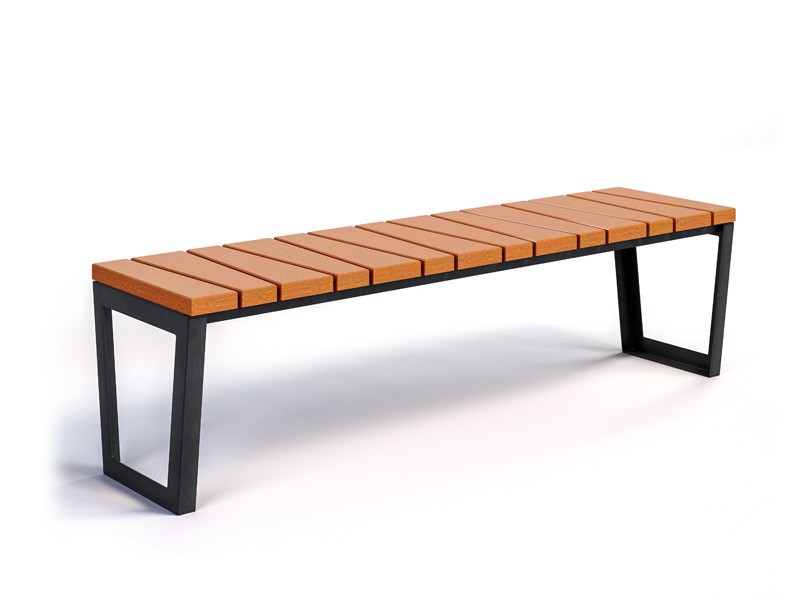
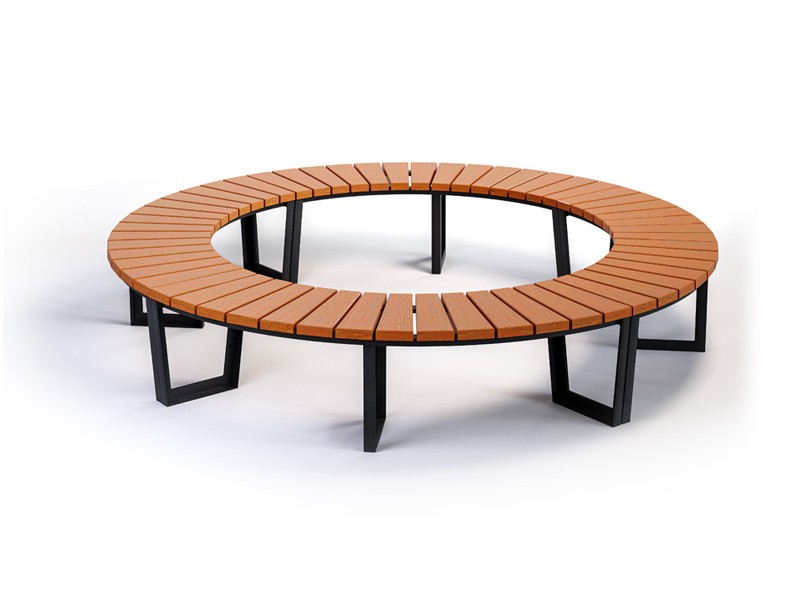
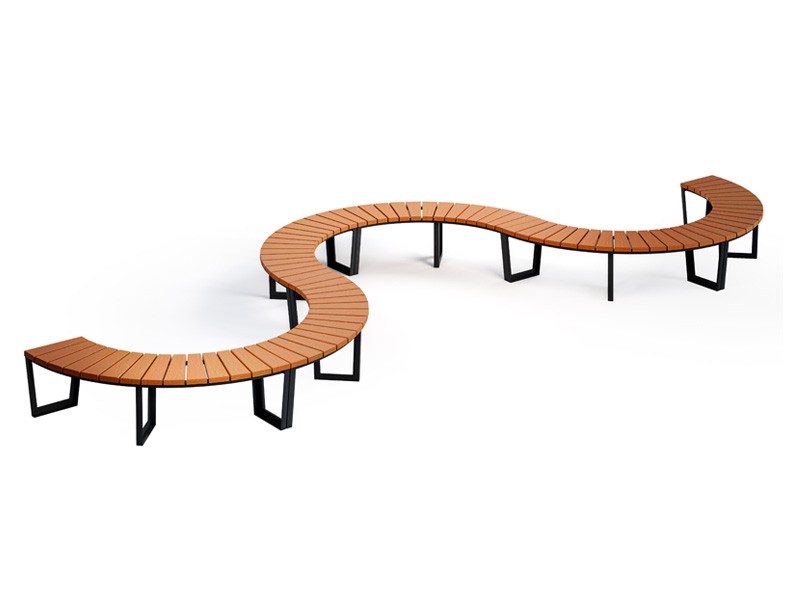
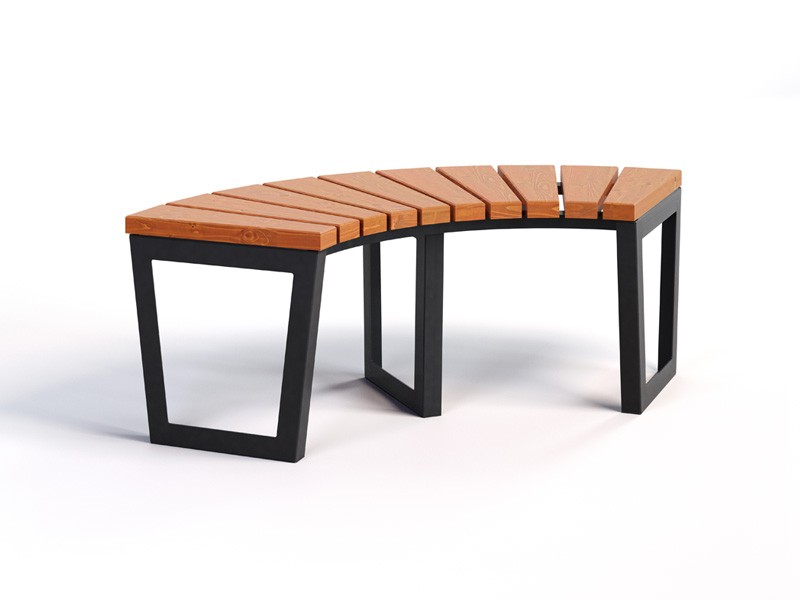
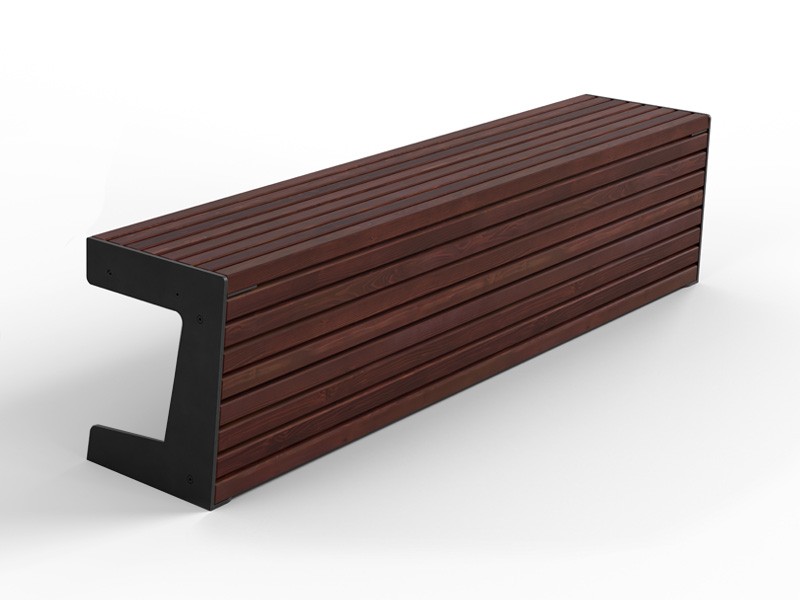
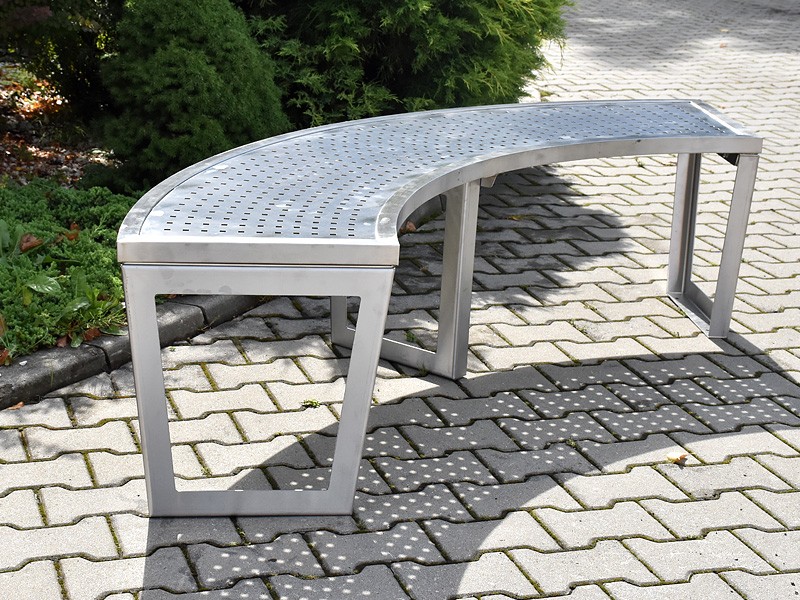
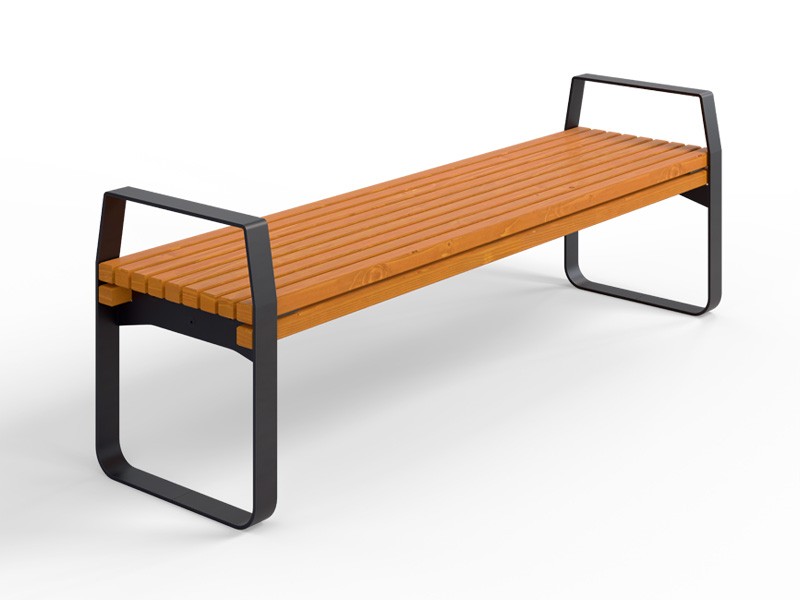
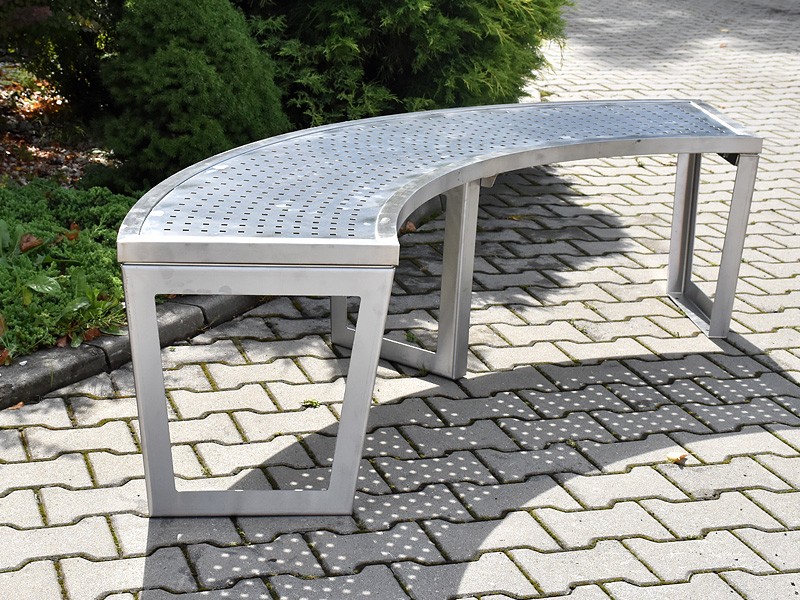
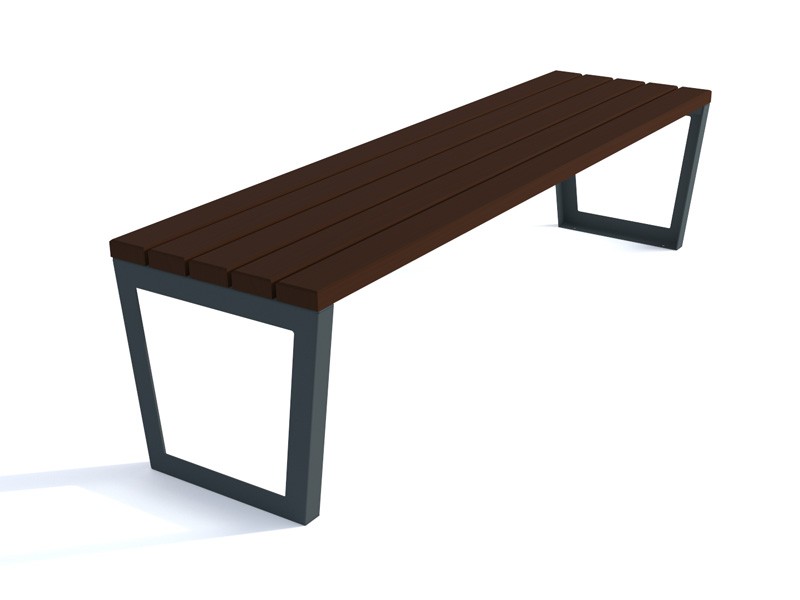
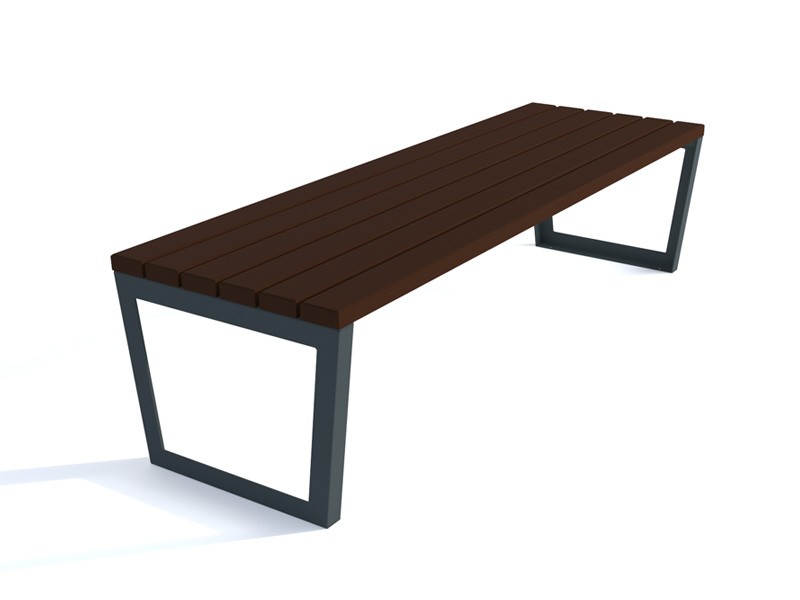
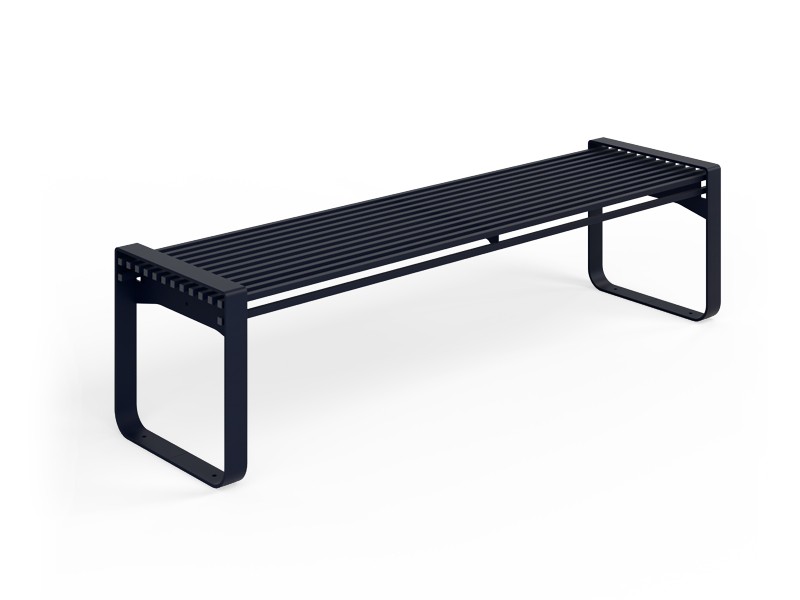
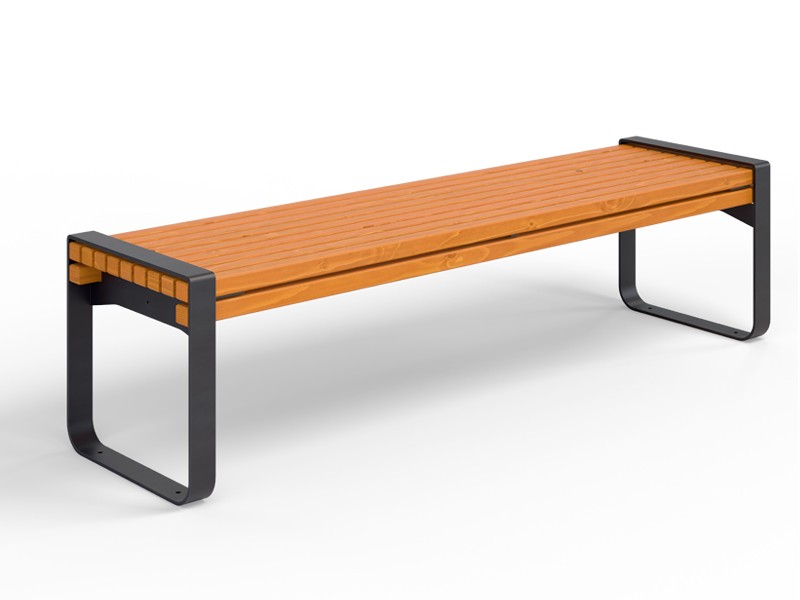
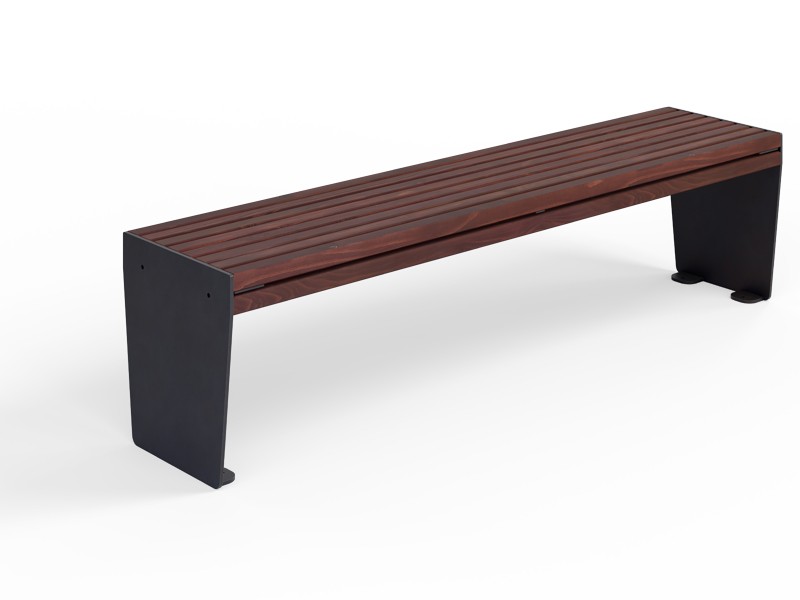
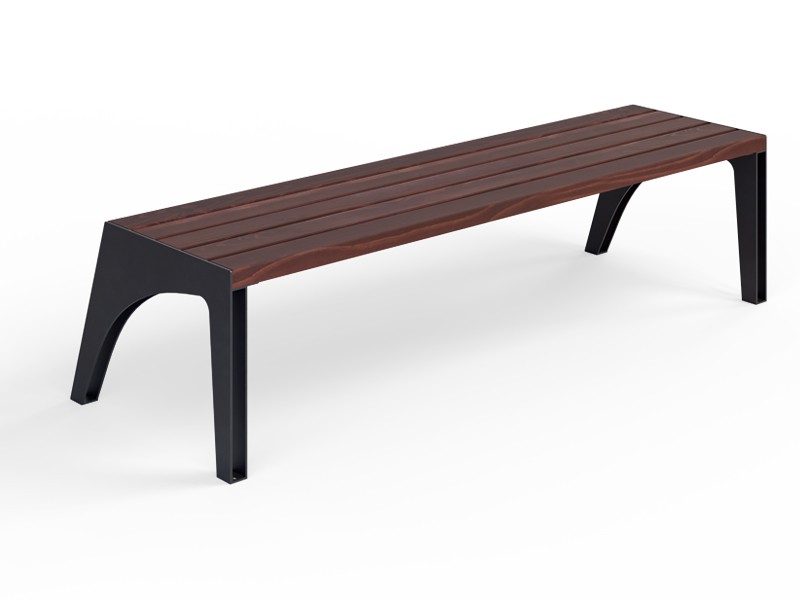
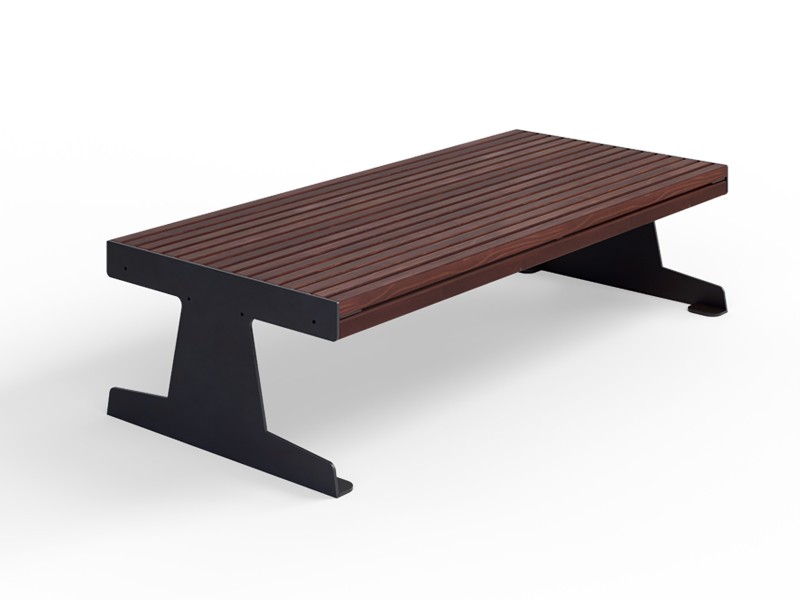
Backless park benches are a compact and versatile solution. They are often used in transit areas or where people need to be able to sit facing either side, for example around fountains, on central squares or in the middle of large town squares.
They are a simpler, lower-cost alternative to the backrest versions available in the same park benches category.
Their simpler, symmetrical design usually means a lower purchase price and quicker, easier installation on site, which property managers value when placing larger orders for several locations at once. Without a backrest, the benches can also easily be placed back to back in a row. This can be useful for outdoor events or when a space is temporarily rearranged.
A backless bench usually uses less material than the equivalent model with a backrest. As a result, it costs less to buy and weighs less, which helps during transport and when the bench has to be moved temporarily, for example for a local fête or for maintenance work on site.
The seat material should suit how long people are expected to sit on the bench. Treated timber is more pleasant to the touch, especially on cooler days. Perforated sheet metal and composite seats stand up better to heavy outdoor use and need less maintenance in the long term, although they heat up considerably in direct sunlight in summer.
Backless benches are often chosen for transit areas where people stop for only a short time, such as platforms, footpaths next to stops and waiting areas outside service points. In places intended for longer rest, such as squares and park paths, benches with backrests are a better choice, particularly for older people.
Because the symmetrical design has no front or back, it also makes layout planning easier. The bench can be placed freely in the middle of a square, around a tree or around a fountain, with no need to decide which way the backrest should face. This is a practical advantage when designing new open public spaces.
In public procurement, backless benches are often ordered together with litter bins in a matching style. Together they form a consistent, repeatable set of furniture that can be repeated along an entire walking route without the items clashing visually.
When choosing the seat length, consider how many people will actually use the bench at the same time. A shorter bench is suitable for individual resting points along a walking route, while longer benches work better on central squares, where people tend to sit together in larger groups.


Contact
Need help choosing?
If you are not sure which solution is right for your space, please contact us. We will help you choose products tailored to your needs.